Serbia Sculpture Symposium Shapes the Future of Terracotta
Terra Center for Fine and Applied Arts, the world’s largest institution dedicated to monumental contemporary terracotta sculpture, located in Kikinda, Serbia, presents the 45th International Terracotta Sculpture Symposium Terra from 1–31 July 2026.
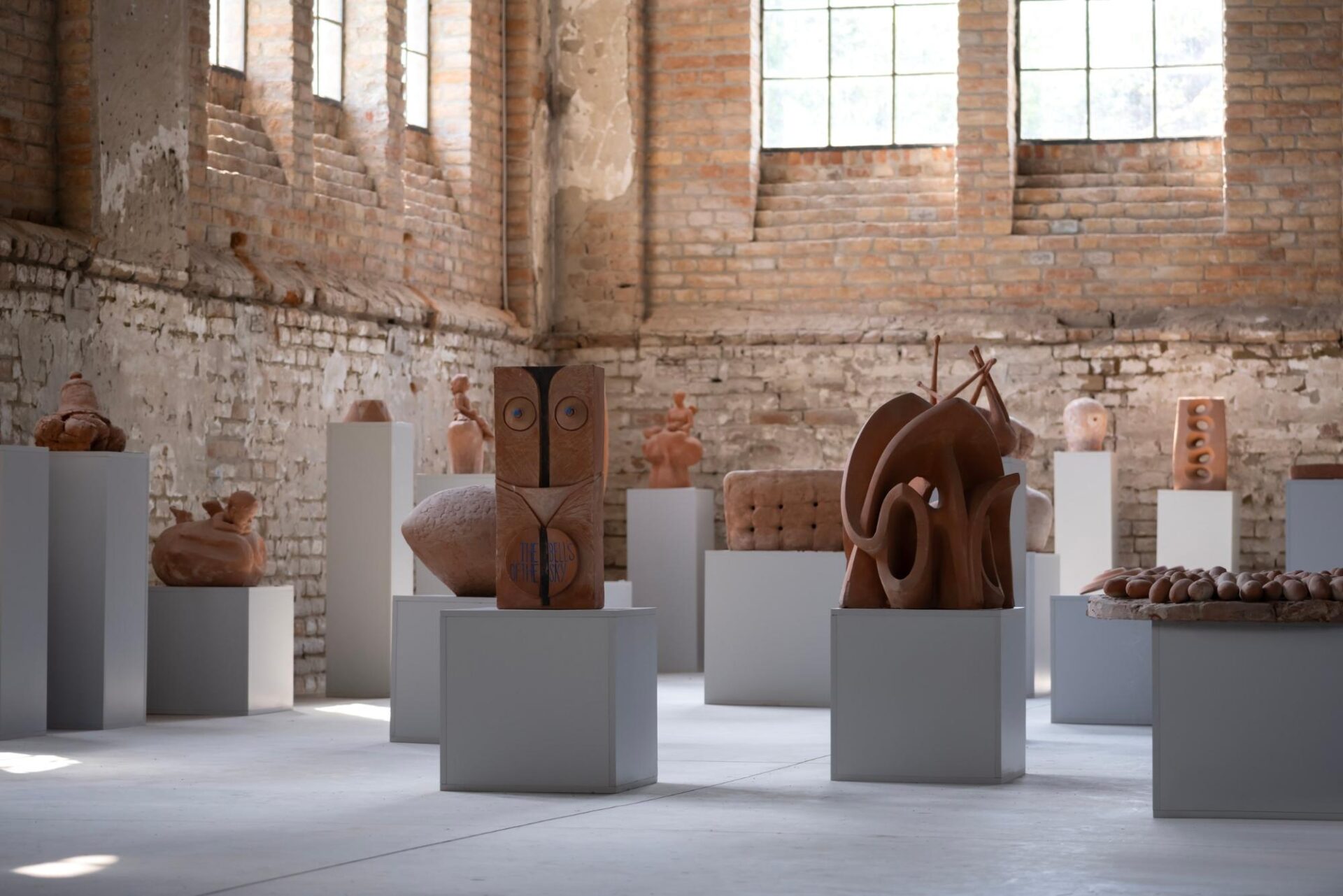
 For more than four decades, artists from across the world have travelled to the Serbian city of Kikinda to surrender to clay. At the Terra Center for Fine and Applied Arts artists live, experiment, collaborate and wrestle with one of the oldest artistic materials at a monumental scale for a month-long exhibition.
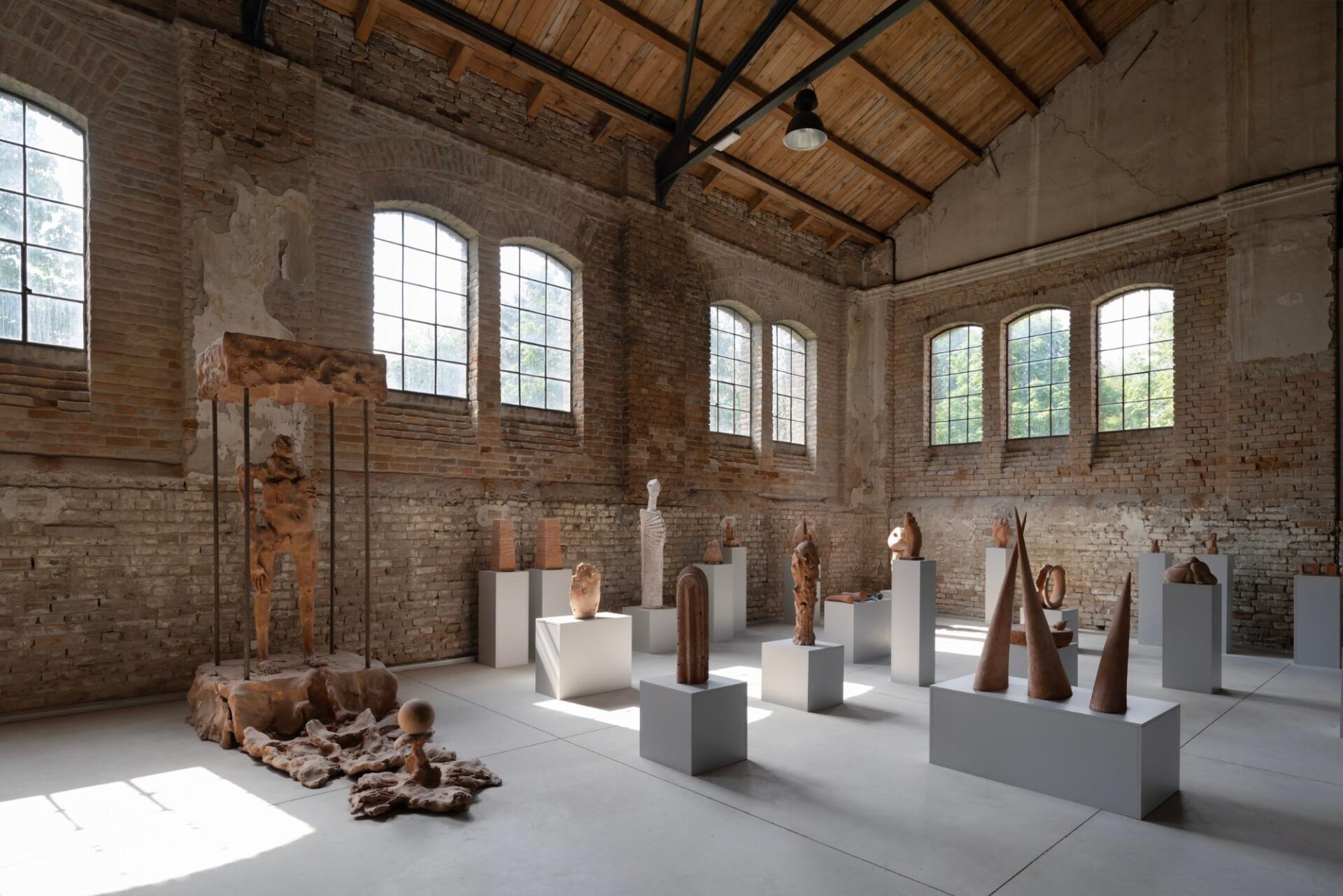 Beginning 1 July 2026, the institution will mark another milestone with the 45th International Terracotta Sculpture Symposium Terra, bringing together five artists from Austria, France, North Macedonia and Serbia for a residency that continues one of the world’s most remarkable artistic traditions. Their newly created sculptures will become permanent additions to the Terra Sculpture Park, further expanding a collection of more than 1,200 monumental terracotta works created since the Symposium’s founding in 1982.
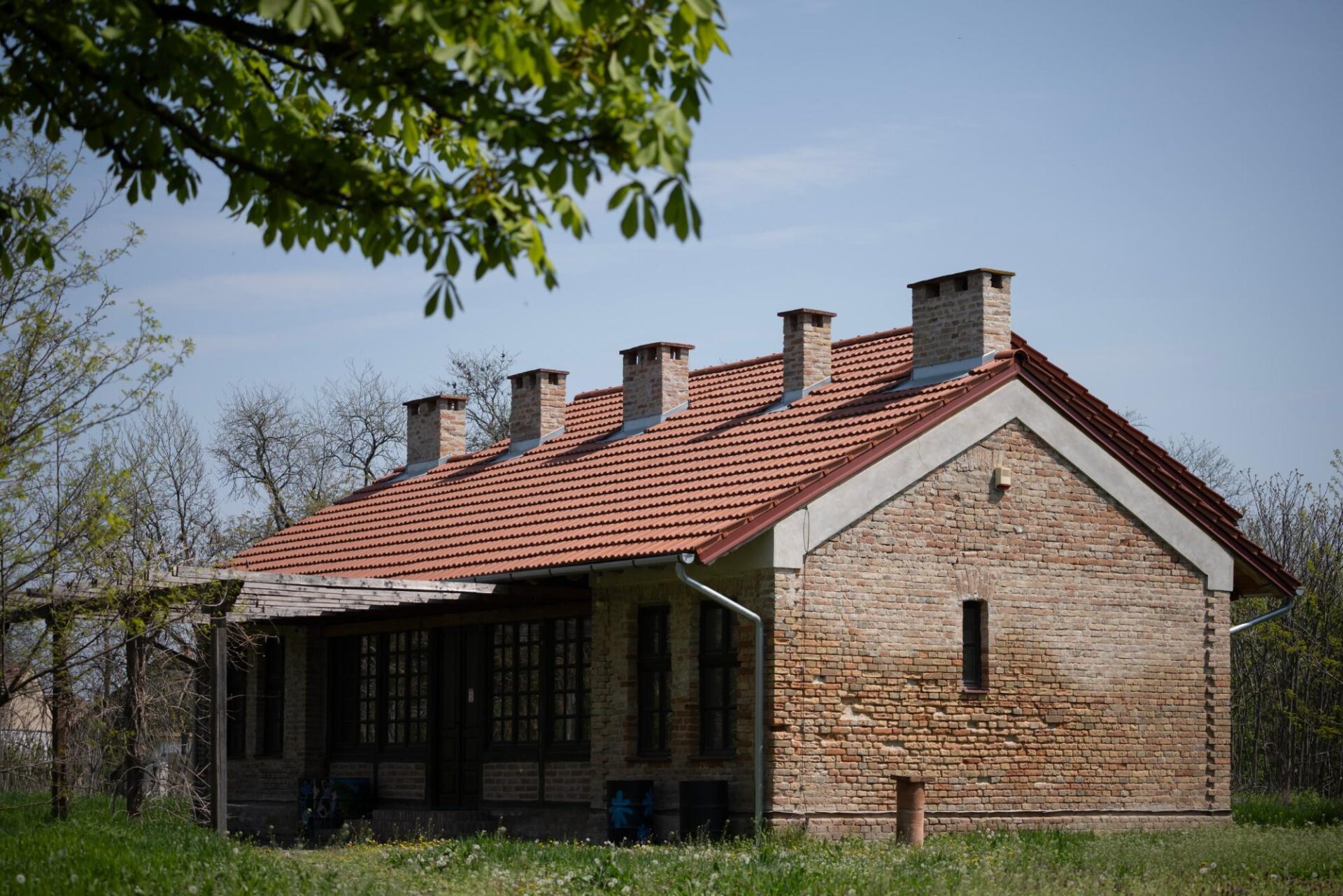
The Terra Center for Fine and Applied Arts in Kikinda, Serbia, is said to be the world’s largest institution dedicated to contemporary terracotta sculpture. Located on the grounds of a historic 1905 brickworks, it features a sprawling 2,100-square-meter museum, an active production studio, and a gallery.
Five Artists, Five Practices, One Material
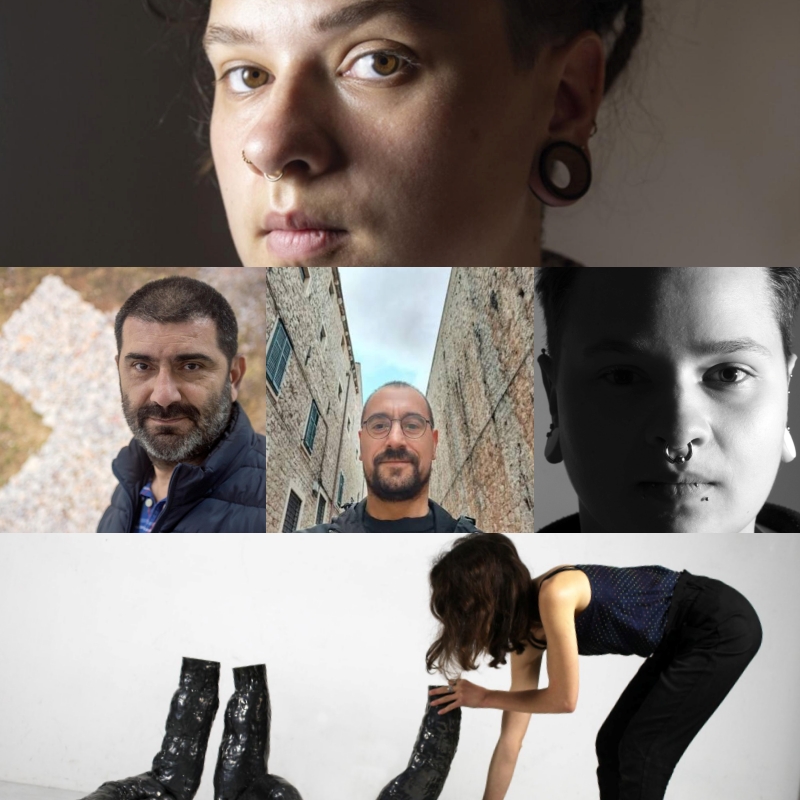
The five artist featured in this year’s Terra Symposium.
Running from 1–31 July 2026, the Symposium will welcome Beate Gatschelhofer (Austria), Raphaëlle Sabattié (France), Goce Nanevski (North Macedonia), Branko Milanović (Serbia), and Milorad Mladenović (Serbia) to Terra Studio in Kikinda. During their month-long residency, each artist will conceive and create a monumental terracotta sculpture using clay sourced from the Kikinda region, a defining characteristic that binds together every work in Terra’s extensive collection. Although united by material, the participating artists represent strikingly different creative approaches.
Multimedia artist Goce Nanevski, who has taught sculpture in Skopje for over two decades, moves fluidly between sculpture, photography, video, sound and installation. His multidisciplinary practice introduces an expansive understanding of sculptural space.
Based in Lyon, Raphaëlle Sabattié approaches clay as a living material, exploring its fragility, resilience and capacity to preserve traces of touch. Her anthropomorphic and zoomorphic forms examine the tension between artistic intention and the unpredictable behaviour of the medium itself.
From Linz, Beate Gatschelhofer (they/them) reinterprets traditional ceramic processes through lyrical pastel-coloured works that investigate gesture, temporality and materiality. Their work has been exhibited across Austria, Germany and Lithuania, earning distinctions including the Talent Award for Visual Arts of Upper Austria and the Soroptimist Art Prize.
Belgrade-based Milorad Mladenović, both architect and visual artist, brings together architecture, painting, public art and multimedia spatial installations. With degrees in both architecture and fine arts, including a doctorate in fine arts, his practice naturally introduces architectural thinking into sculptural form.
Meanwhile, Branko Milanović, based in Trebinje, is recognised for sculptural works that navigate the space between geometry and organic form. Working primarily with natural materials such as stone and wood, he has exhibited extensively across Europe and is the recipient of Serbia’s Golden Badge of the Cultural and Educational Community.
A Symposium Built on Experience and Exchange
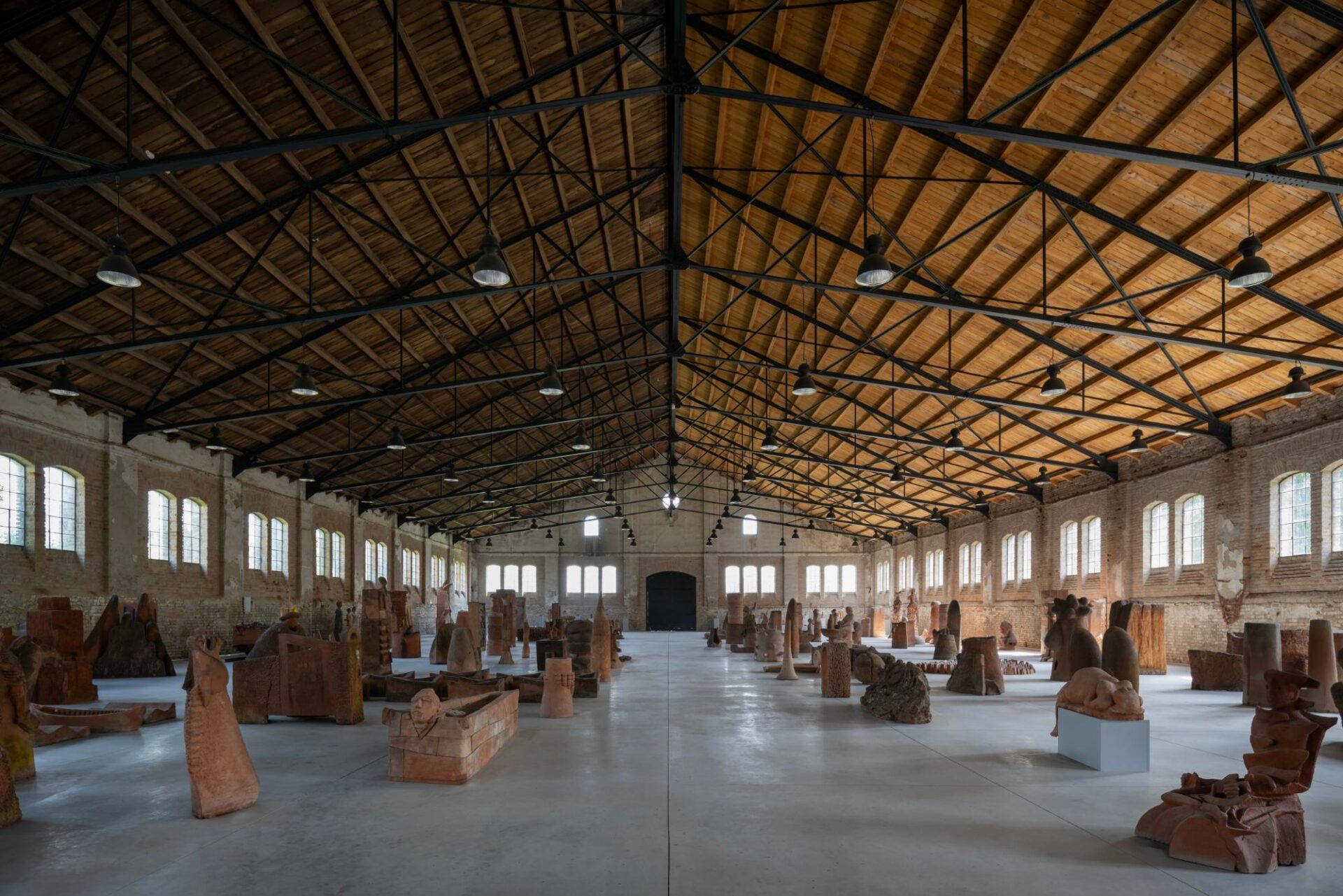 The selection process itself reflects Terra’s emphasis on continuity and lived experience. The independent committee comprises individuals who understand the Symposium not only as curators and educators but also as former participants.
Equally critical is the technical expertise supporting the artists throughout the residency. Monumental terracotta demands specialist knowledge, and Terra’s production model has evolved over four decades. Participants will also undertake study visits to Belgrade and Novi Sad during the residency.
Forty-Five Years of Clay and Community
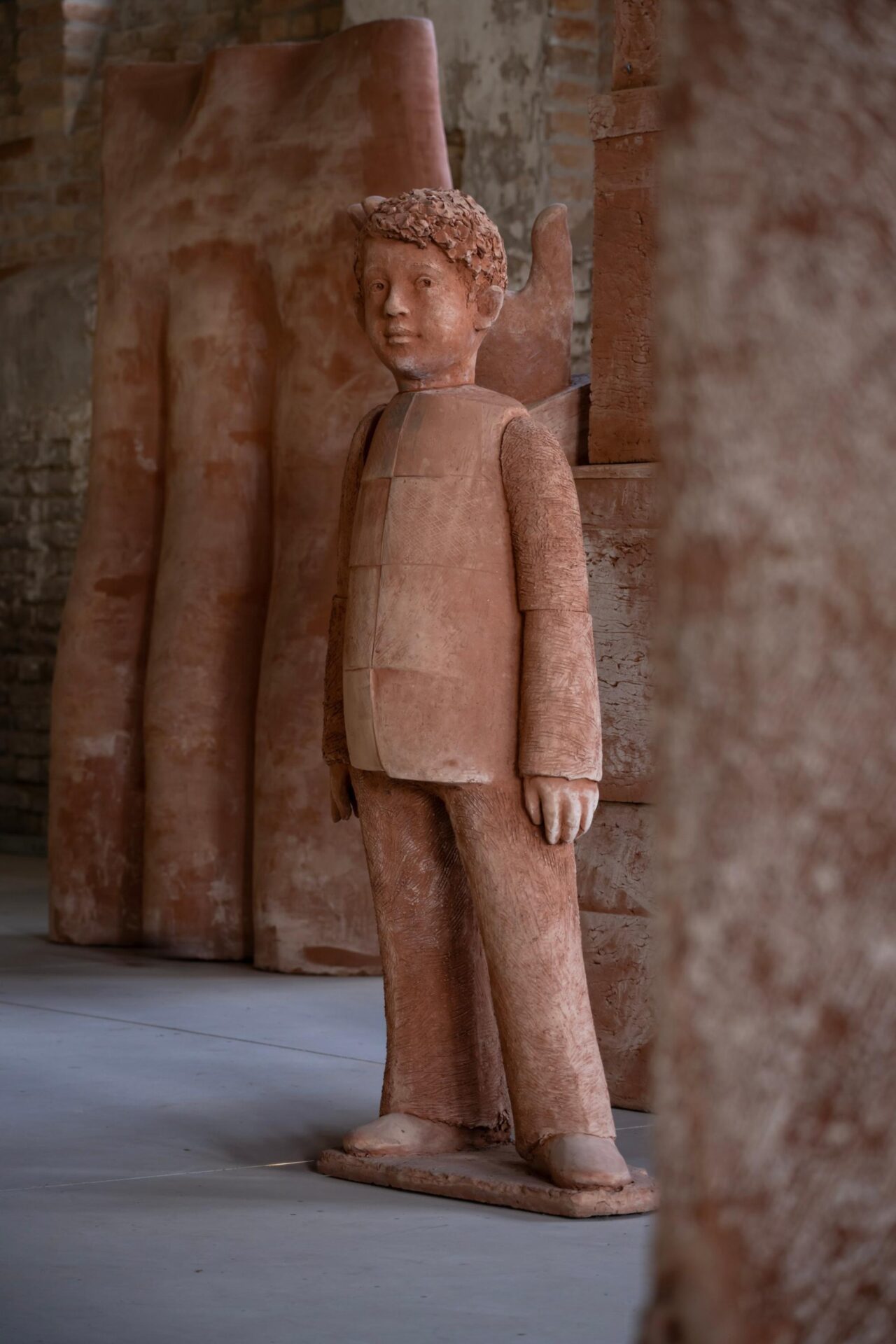 Since sculptor Slobodan Kojić founded the Symposium in 1982, Terra has welcomed more than 250 sculptors from 43 countries. One defining rule has shaped the institution from the beginning: every artist can participate only once in their lifetime.

Sanja Radusin Smiljanić
According to Sanja Radusin Smiljanić, Interim Director of Terra Center for Fine and Applied Arts, that principle has resulted in a collection unlike any other. Today, Terra houses the world’s largest archive of monumental contemporary terracotta sculpture, with every work created from clay extracted from the same Kikinda deposit.
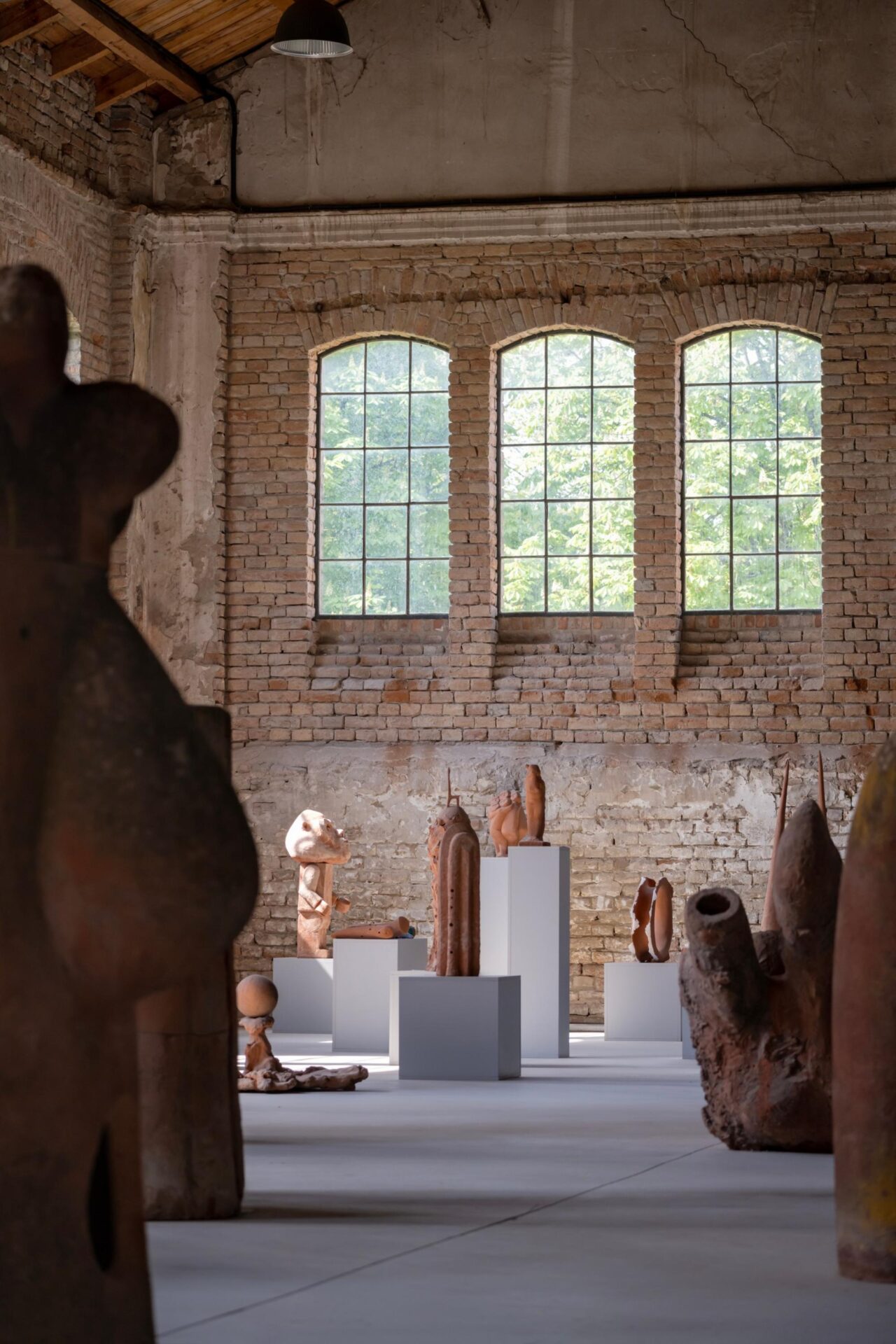 The 2026 edition also follows a significant moment for the institution. Earlier this year, Terra: Biseri od Blata (Terra: Pearl Made of Clay), a retrospective celebrating 45 years of the Symposium, travelled to Silosi Beograd, presenting works by 50 sculptors from 47 countries to a wider audience on an unprecedented scale.
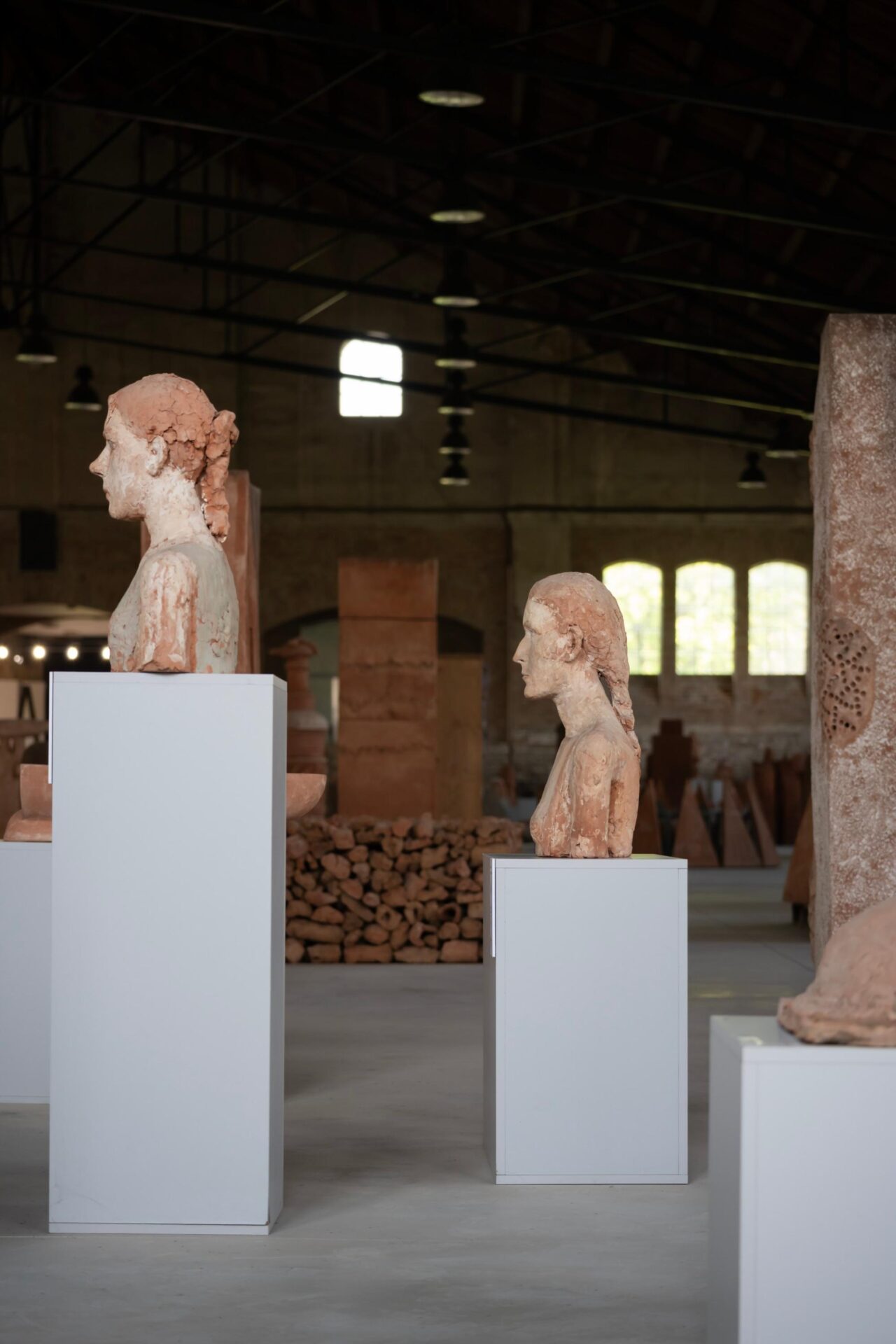 Project Director Aleksandar Lipovan describes this year’s Symposium as both a continuation and celebration of Terra’s uninterrupted model of artistic production, where sculptors arrive in Kikinda, local clay is transformed in the Studio, and within a month, new works permanently enter the collection.
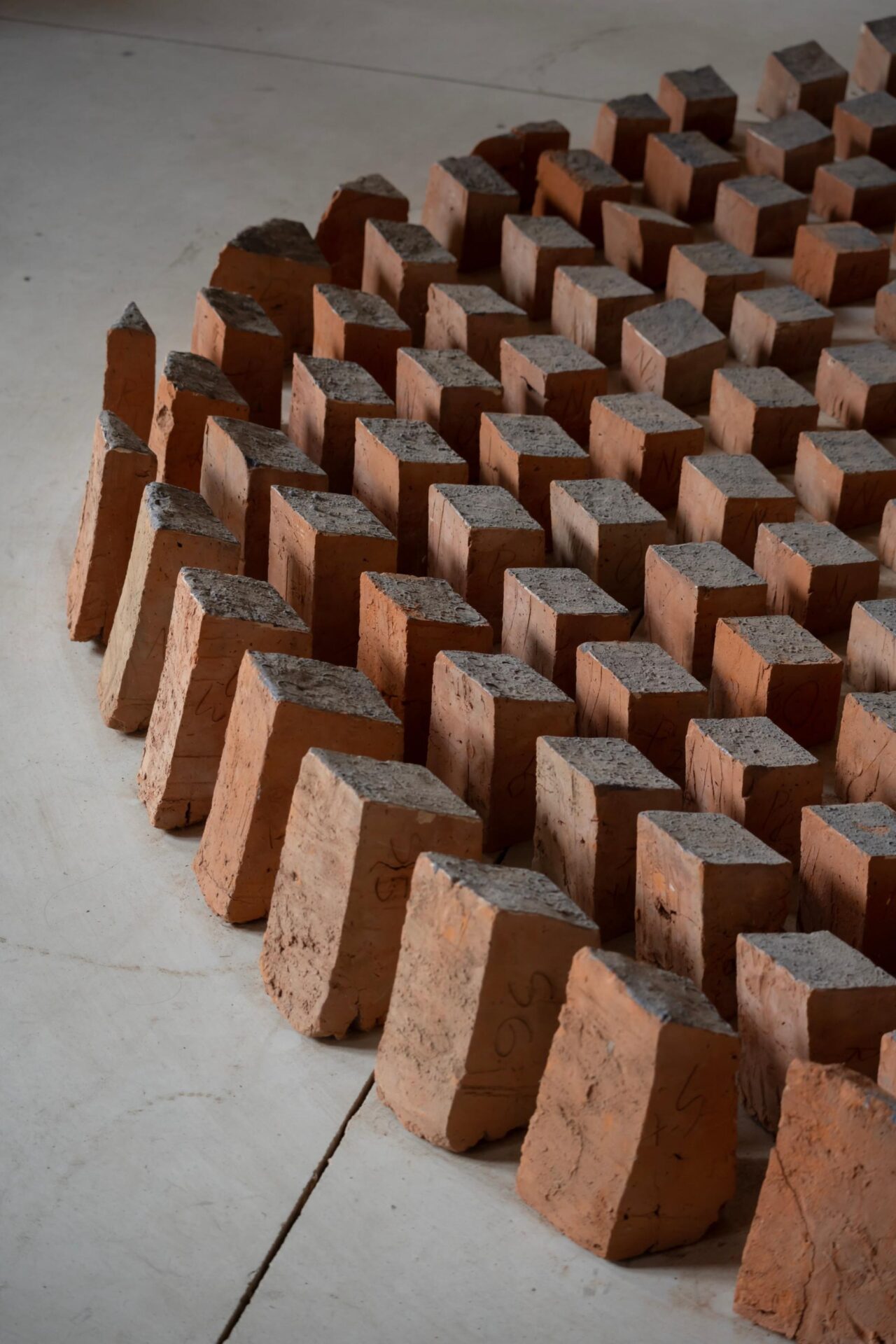 Curator Verica Nemet notes that selecting artists for Terra extends beyond reviewing portfolios. The demands of monumental scale, the behaviour of clay and the rhythm of the residency require practitioners capable of responding to both the material and the environment. This year’s cohort was chosen for the diversity of its practices, including architecture, ceramics, multimedia art and sculpture – and for their shared sensitivity towards material experimentation and spatial thinking.
Beyond the Studio
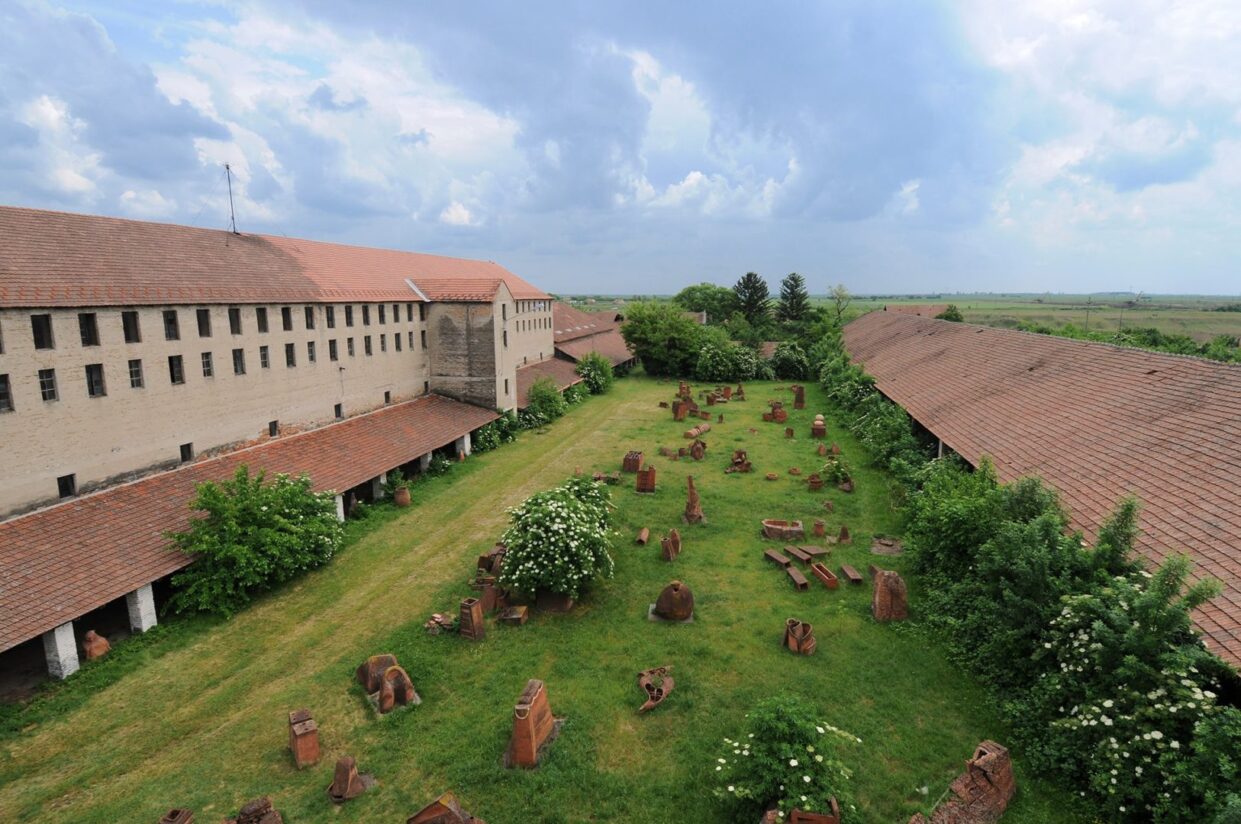 While sculpture remains the heart of the Symposium, Terra has increasingly positioned itself as a cultural platform connecting contemporary art with public life. Alongside the residency, visitors can attend artist talks, workshops, the Annual Exhibition presented at Terra Gallery and Kikinda’s central square, and TeraViva, a multimedia festival featuring concerts, poetry, performances, curatorial tours and activities led by resident artists. The 45th edition is co-funded by the Austrian Cultural Forum, Institut Français Serbie, and Culture Moves Europe, a mobility programme implemented by the Goethe-Institut with support from the European Union.
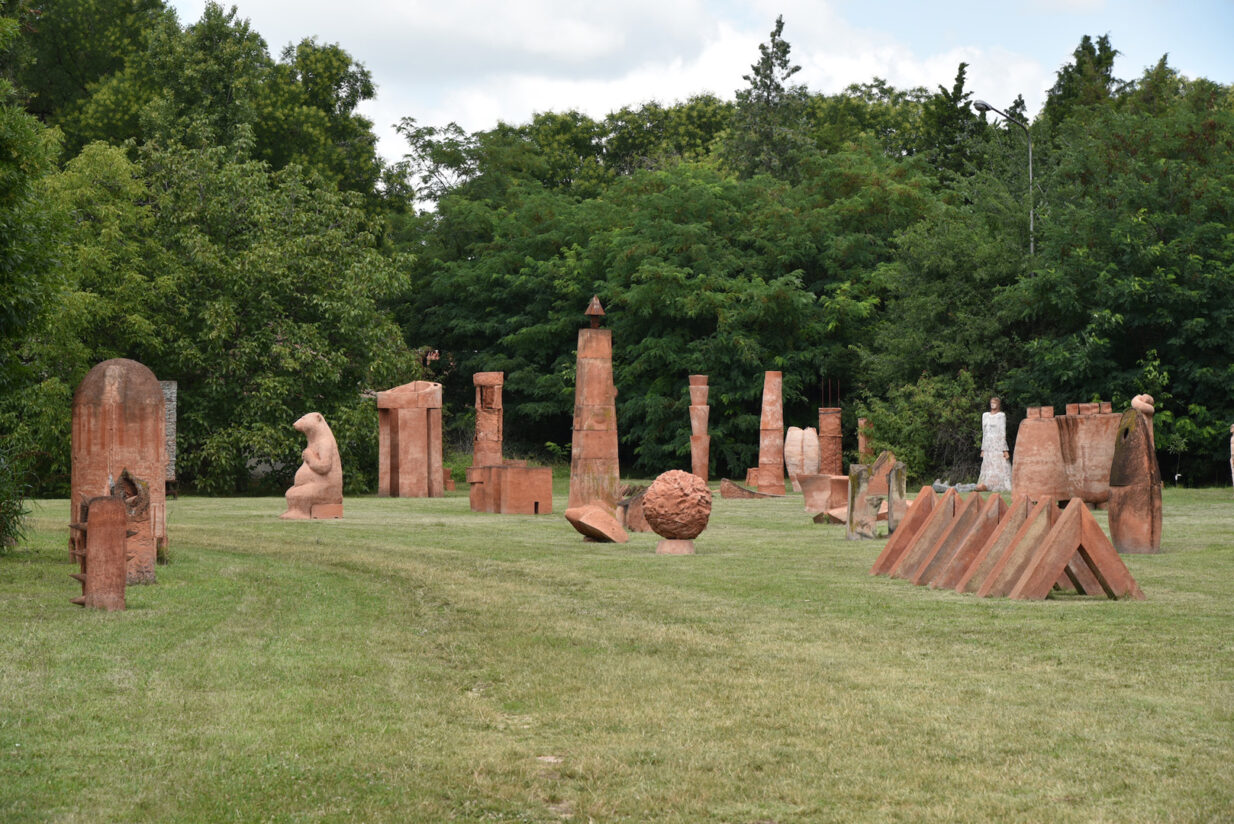 Today, the Terra Center for Fine and Applied Arts remains the world’s largest institution dedicated to contemporary monumental terracotta sculpture. Home to more than 1,200 works, an active production studio and an internationally recognised symposium, it has evolved beyond a residency into a living archive of artistic exchange – one where every sculpture records not only the possibilities of clay, but also the conversations, cultures and creative encounters that shaped it.
All Terra Center for Fine and Applied Arts museum image credits: Ilya Ivanov