VCUarts Qatar Projects to Experience at the Venice Biennale
Among the ten interdisciplinary works presented by VCUarts Qatar at Aghrab Idrāk: Thresholds of Perception, the university’s first official collateral event at the 2026 Venice Biennale, three projects particularly stayed with us. While each emerges from a distinct research lab and discipline, together they reveal how creative practice from VCUarts Qatar is engaging with questions that resonate far beyond the region: craft and identity, environmental responsibility, and the memories embedded within our cities.
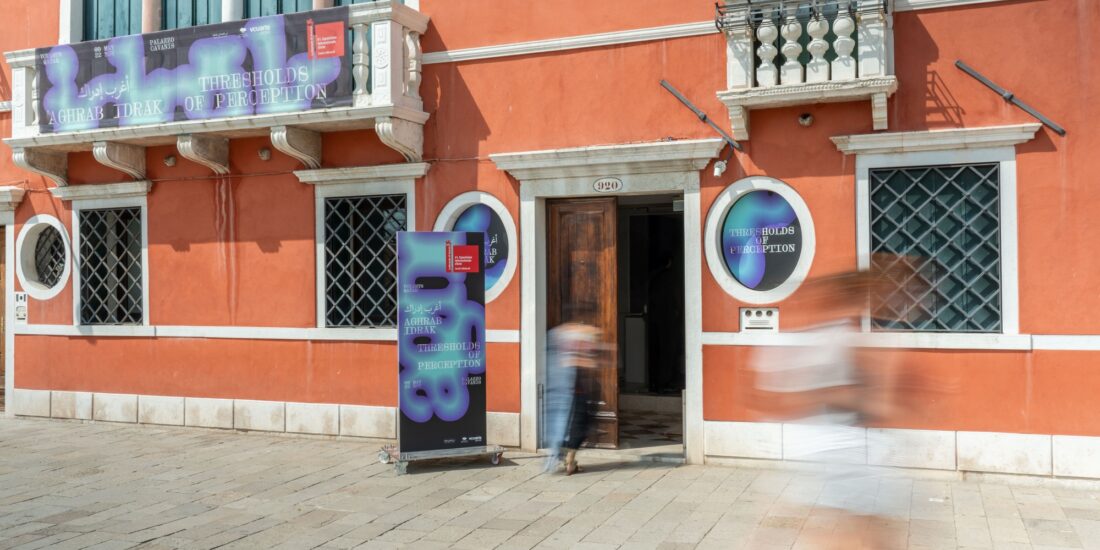
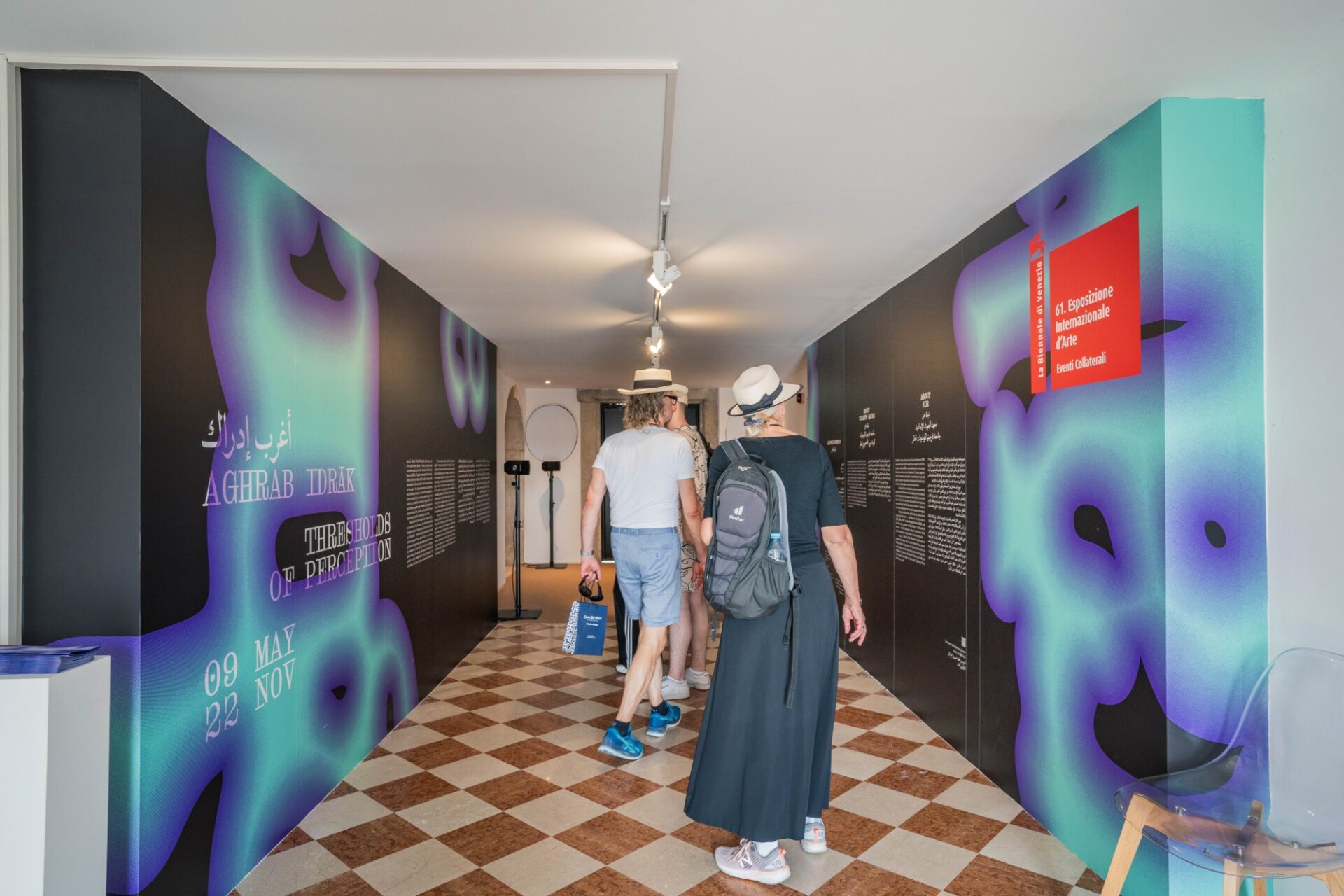
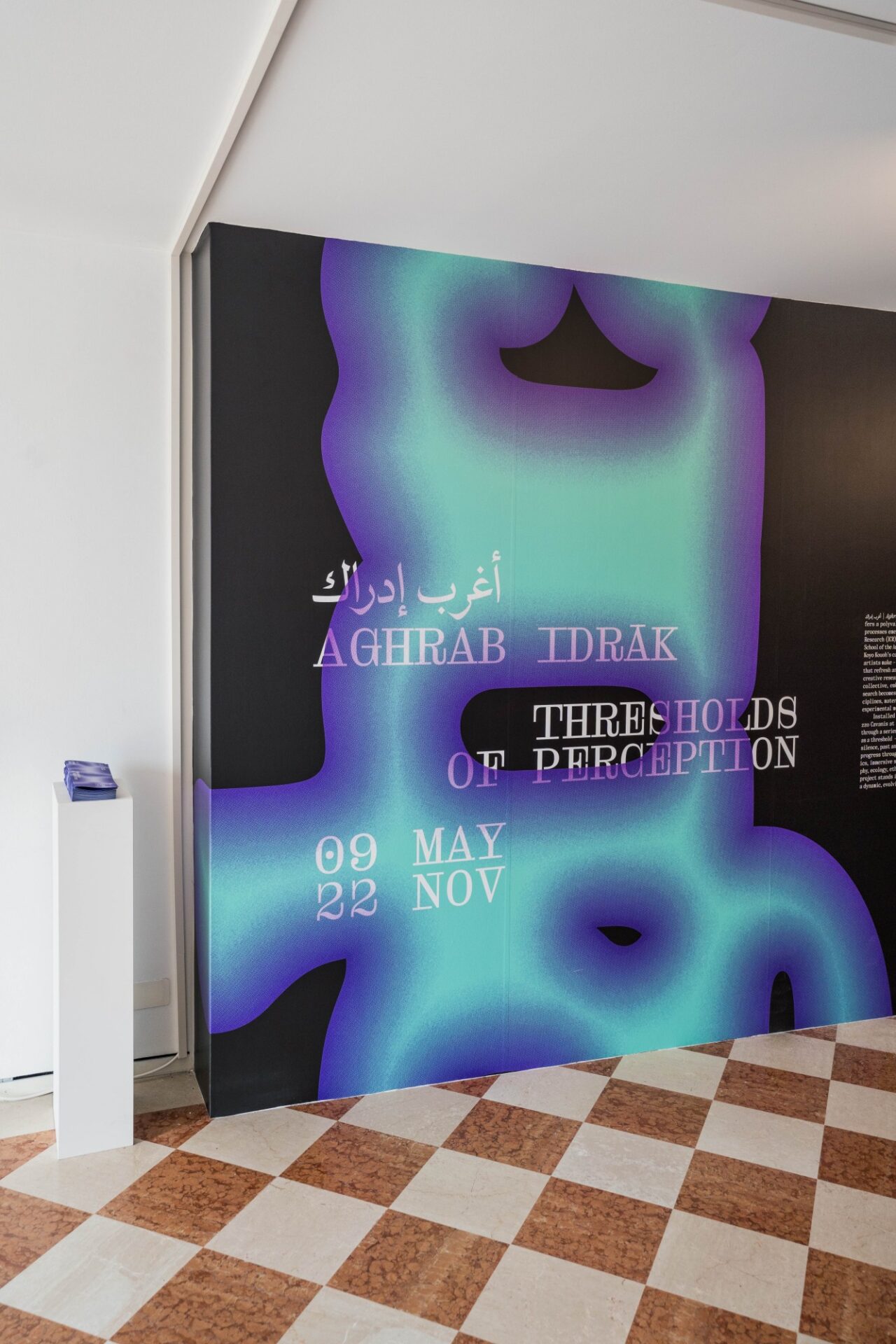 Presented at Palazzo Cavanis on Venice’s Zattere waterfront, the exhibition is co-curated by Dr Hesperia Iliadou and Chase Westfall, who approached the project not as a singular narrative but as a constellation of interconnected investigations into perception and knowledge.
The projects showcased at Venice are not simply installations to be viewed. They ask visitors to participate, listen, breathe, and discover meaning through experience rather than explanation.
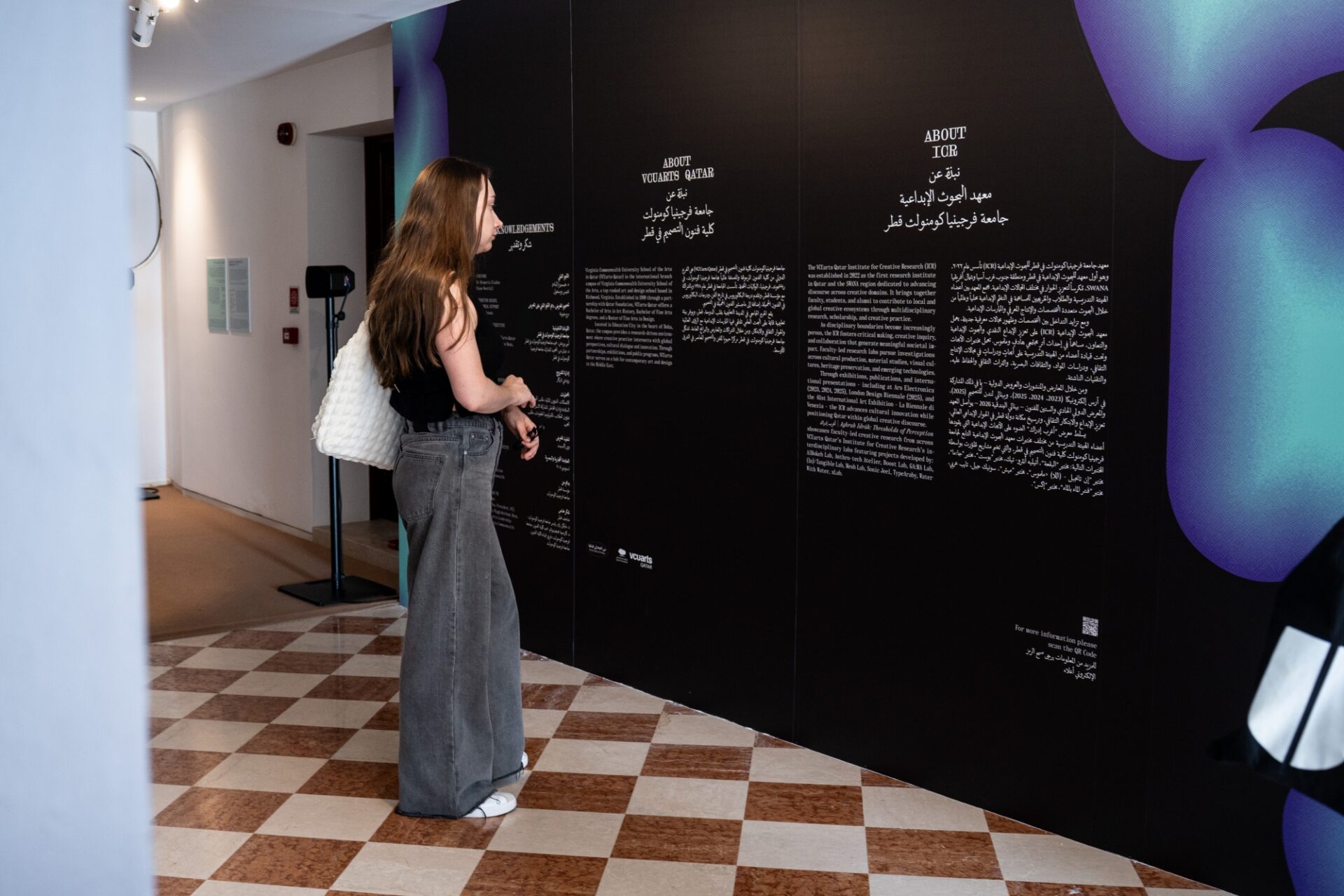 According to the curators, Aghrab Idrāk talked about the in-between areas. They strongly believed that the exhibition resonated with Koyo Kouoh’s curatorial statement for this year’s Biennale and felt as a perfect starting point to evolve a curatorial narrative that was not meant to touch upon a single work of art but was the amalgamation of multiple facets of visionary projects born within VCUart Qatar’s creative research.
Bandhani Arabi: Where Textile Meets Typography
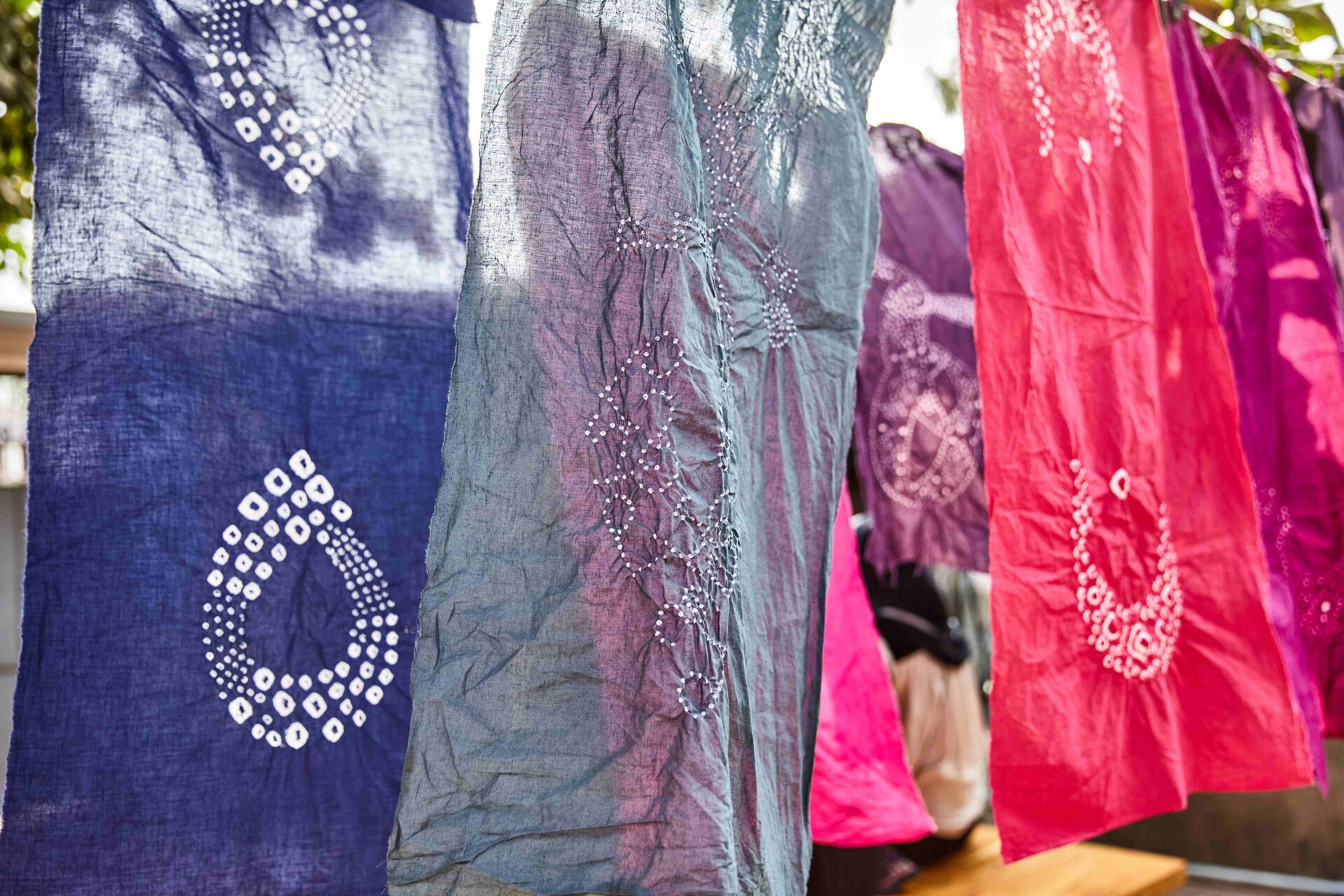 Some of the most compelling collaborations begin with a simple question. For Bandhani Arabi, it was this: what happens when one of South Asia’s oldest textile traditions encounters the visual language of Arabic calligraphy?
It was also the conviction of Selma Fejzullaj, one of the students behind the project, that the craftswomen of Bhuj, who have carried the Bandhani tradition across generations, deserved to have their work seen in a new light.
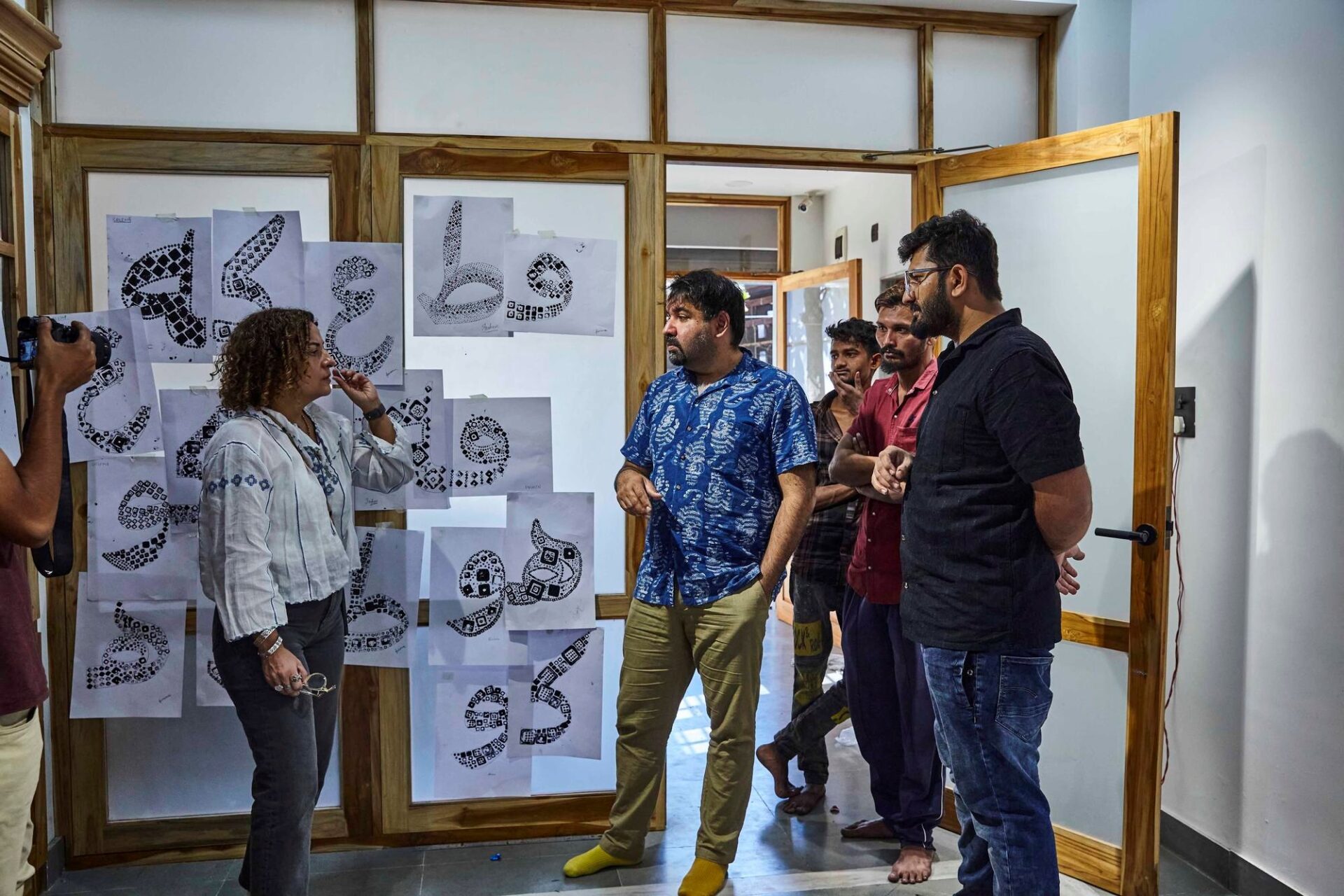
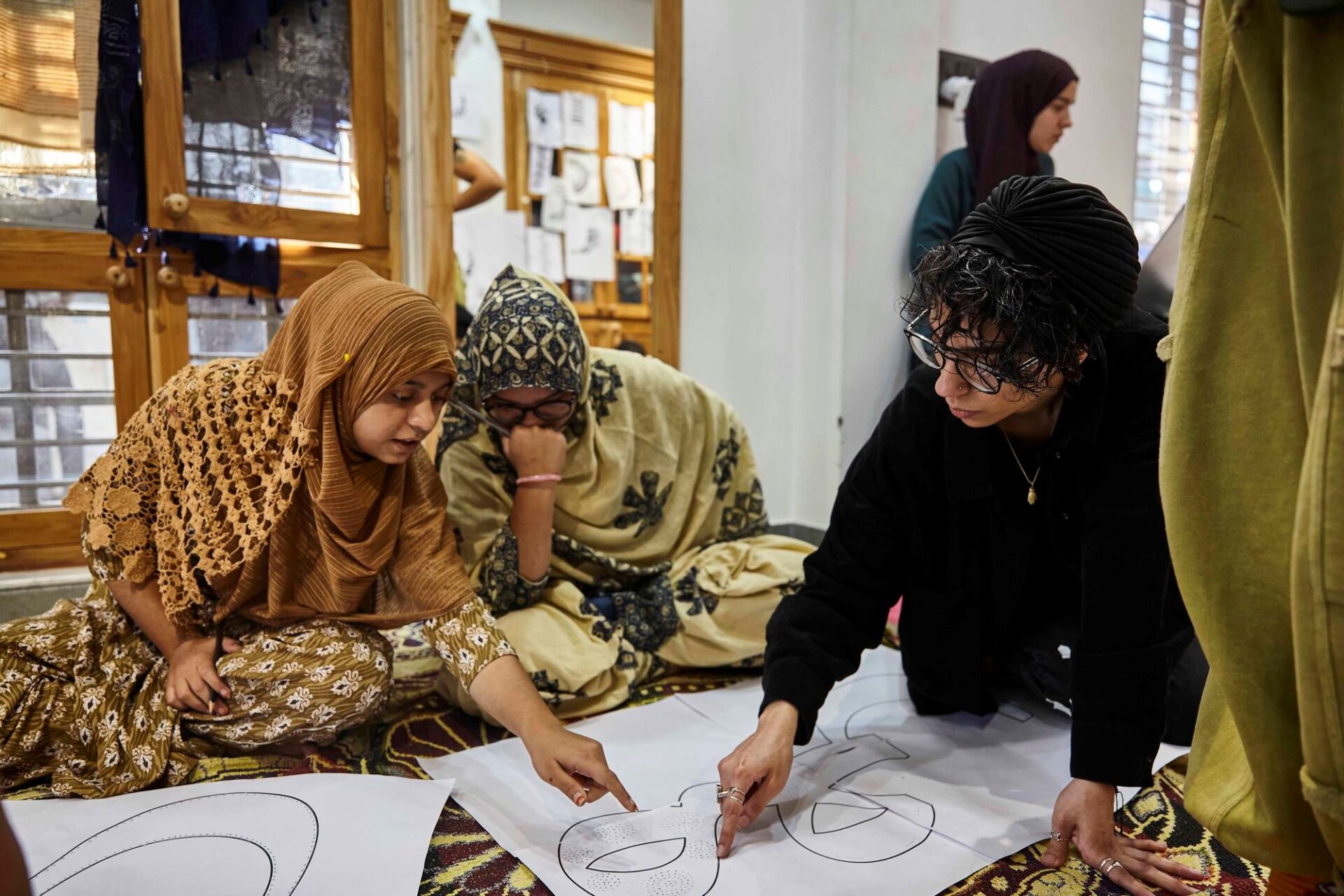 Developed through The TypeCraft Initiative, the project brought the team to Bhuj in Gujarat, where they worked alongside women artisans who have carried the Bandhani tradition across generations. Rather than treating craft as heritage frozen in time, the collaboration explored it as a living practice capable of generating new visual languages.
“In December 2023, we went to Bhuj to work alongside these women. Not to observe or dictate but to co-create. The knots, the negative space, the tension in the cloth, all of it began to speak the language of letterforms,” says Selma.
 As the cloth is tied, dyed and eventually unfolded, the patterns remain invisible until the very end. That act of delayed revelation became central to the installation’s place within Aghrab Idrāk: Thresholds of Perception, where perception itself is constantly challenged.
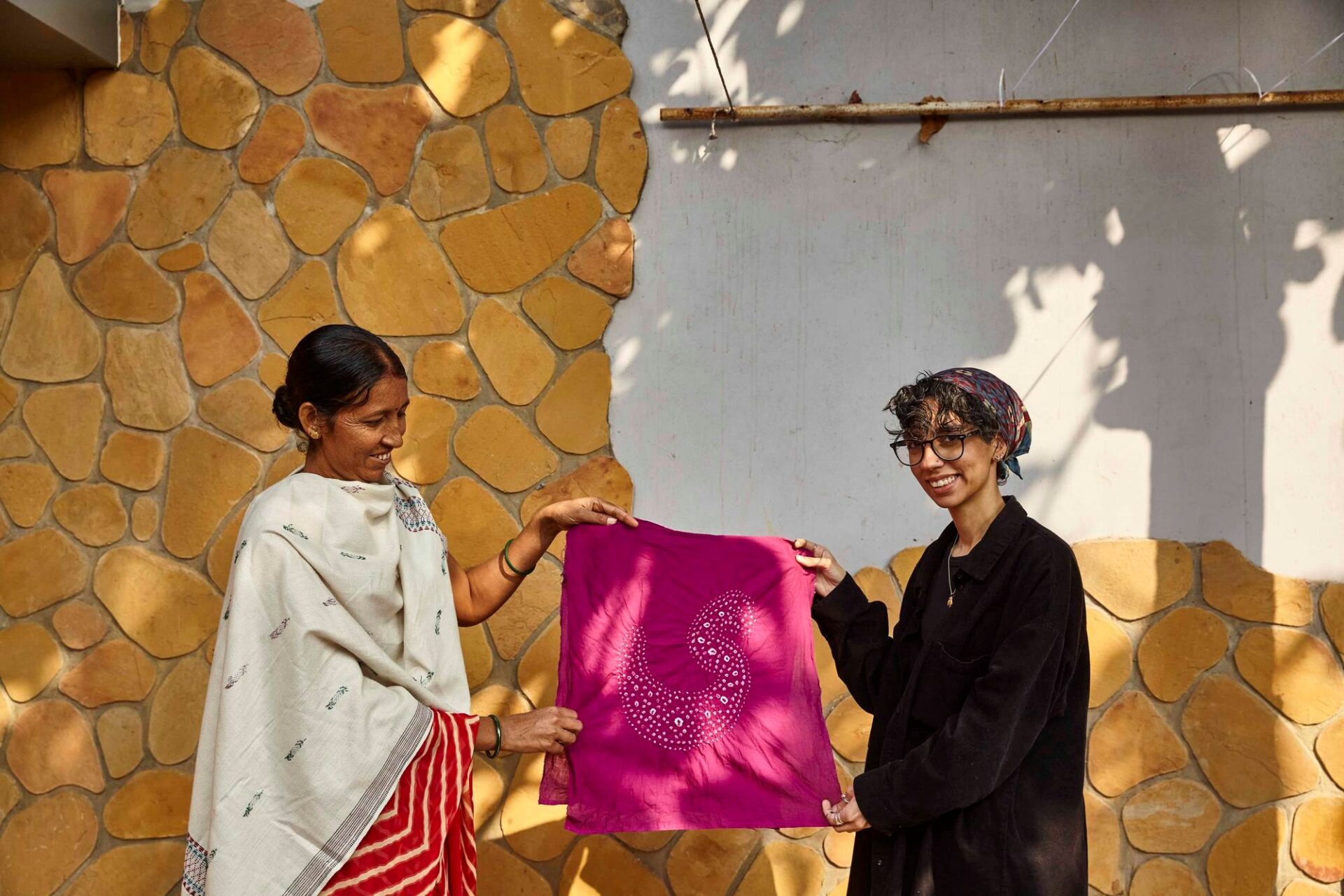 “It is, at its core, a practice of deferred perception; the pattern stays hidden until the dye has set and the knots are undone. You cannot see what you are making while you are making it. That patience, that trust in a process whose outcome is not yet visible, is built into the work itself.”
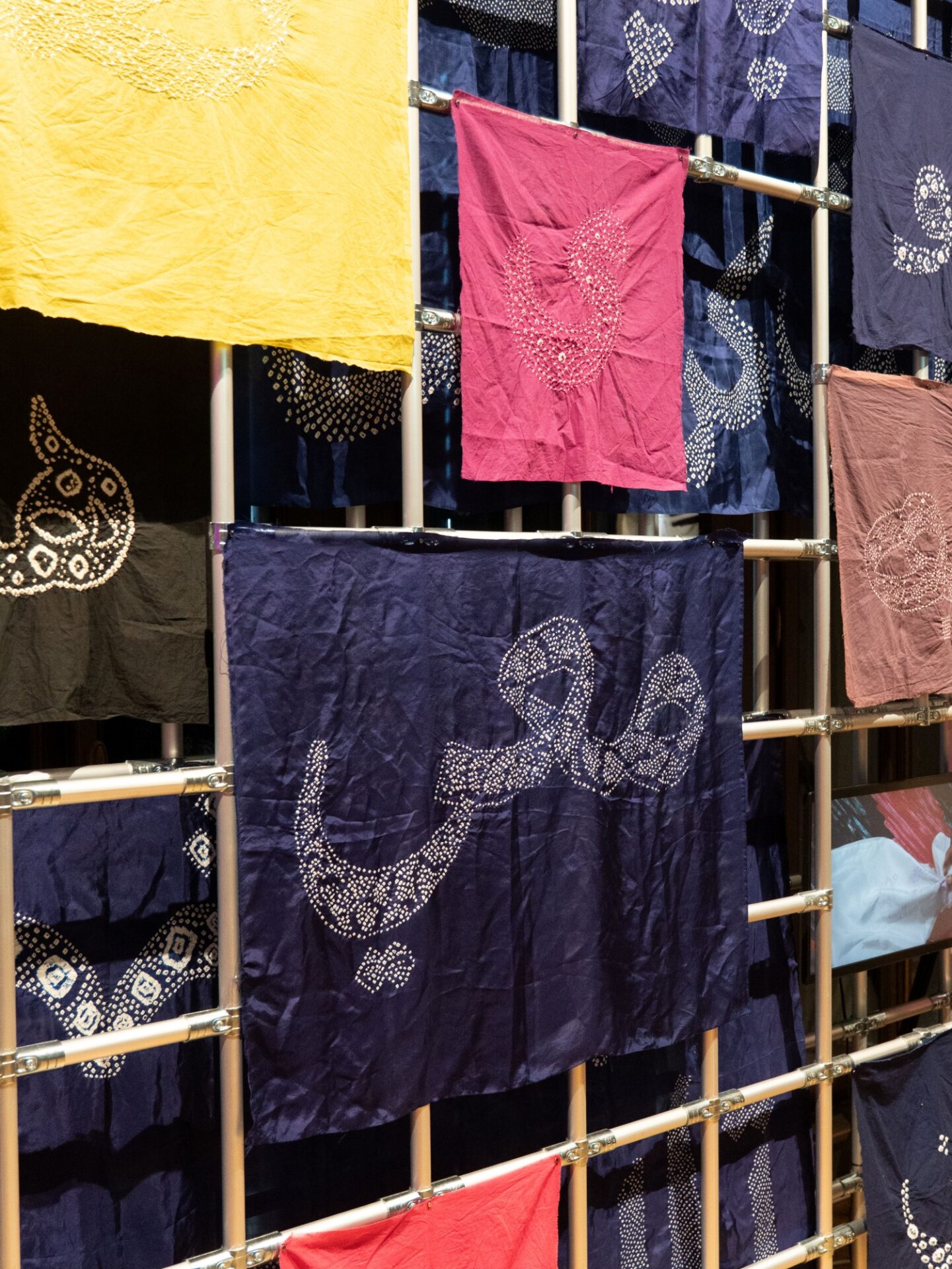 The work reminds one that craft is not simply something to preserve; it is a way of thinking. Through the meeting of thread and typography, Bandhani Arabi quietly demonstrates how traditional knowledge continues to evolve, creating conversations between cultures separated by geography but connected through centuries of exchange.
Chrysalis: Giving Form to the Invisible
 Air is perhaps the material we notice least, until it begins to disappear.
For designer Syed Erzum Naqvi, a VCUarts Qatar alumnus, who grew up in the heavily polluted city of Lahore while living with asthma, air became the starting point for Chrysalis, an installation that transforms environmental science into an immersive spatial experience.
“We often do not think of air as a “material”. It is intangible and invisible. But for someone like me, an asthmatic who hails from one of the most air-polluted cities in the world, it is neither. I do see the smog that chokes my city, and it is a physical barrier that prevents me from going back home when it rolls around,” explains Syed.
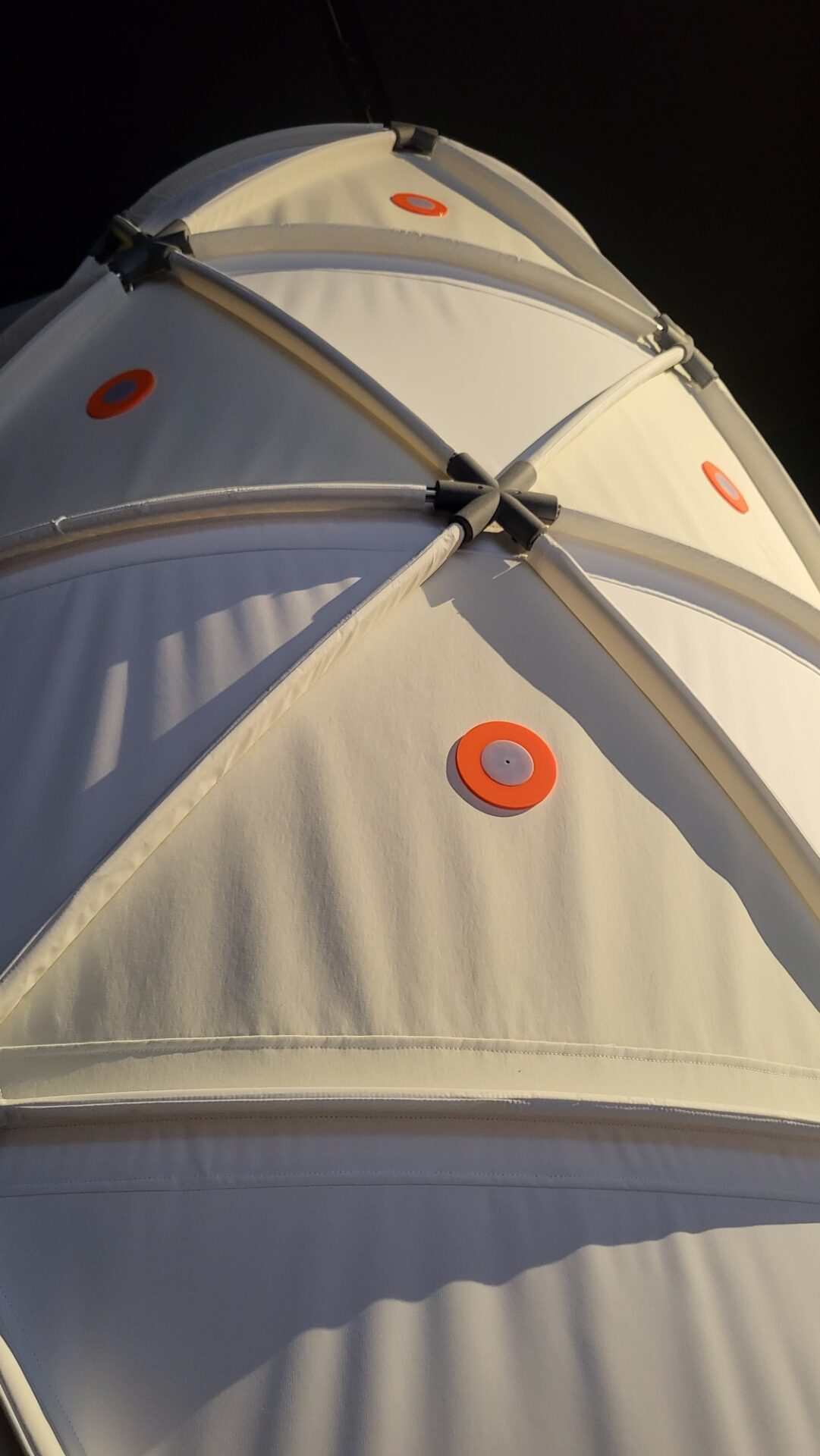 It is that reality that spawned Chrysalis.
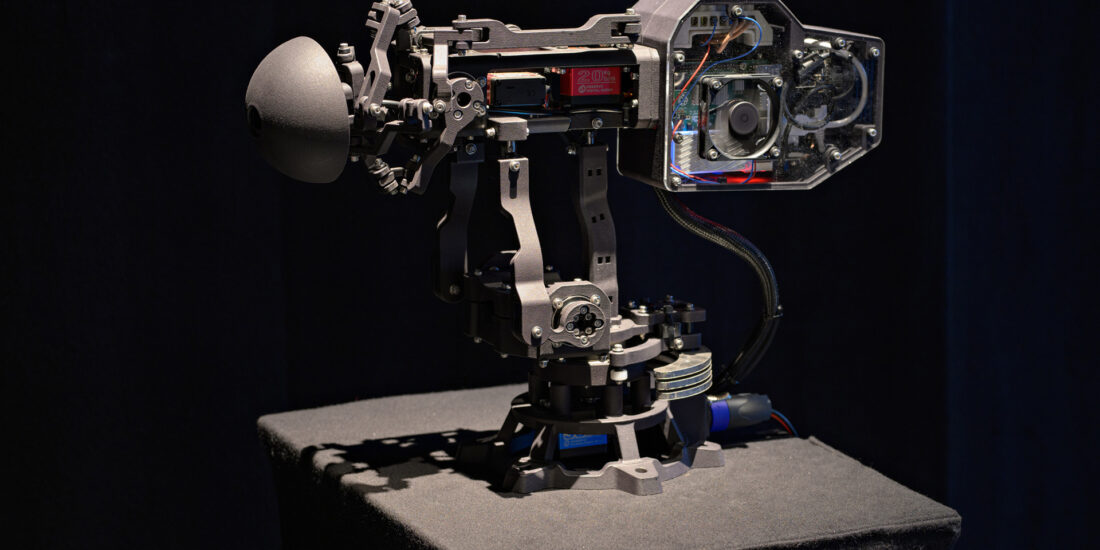
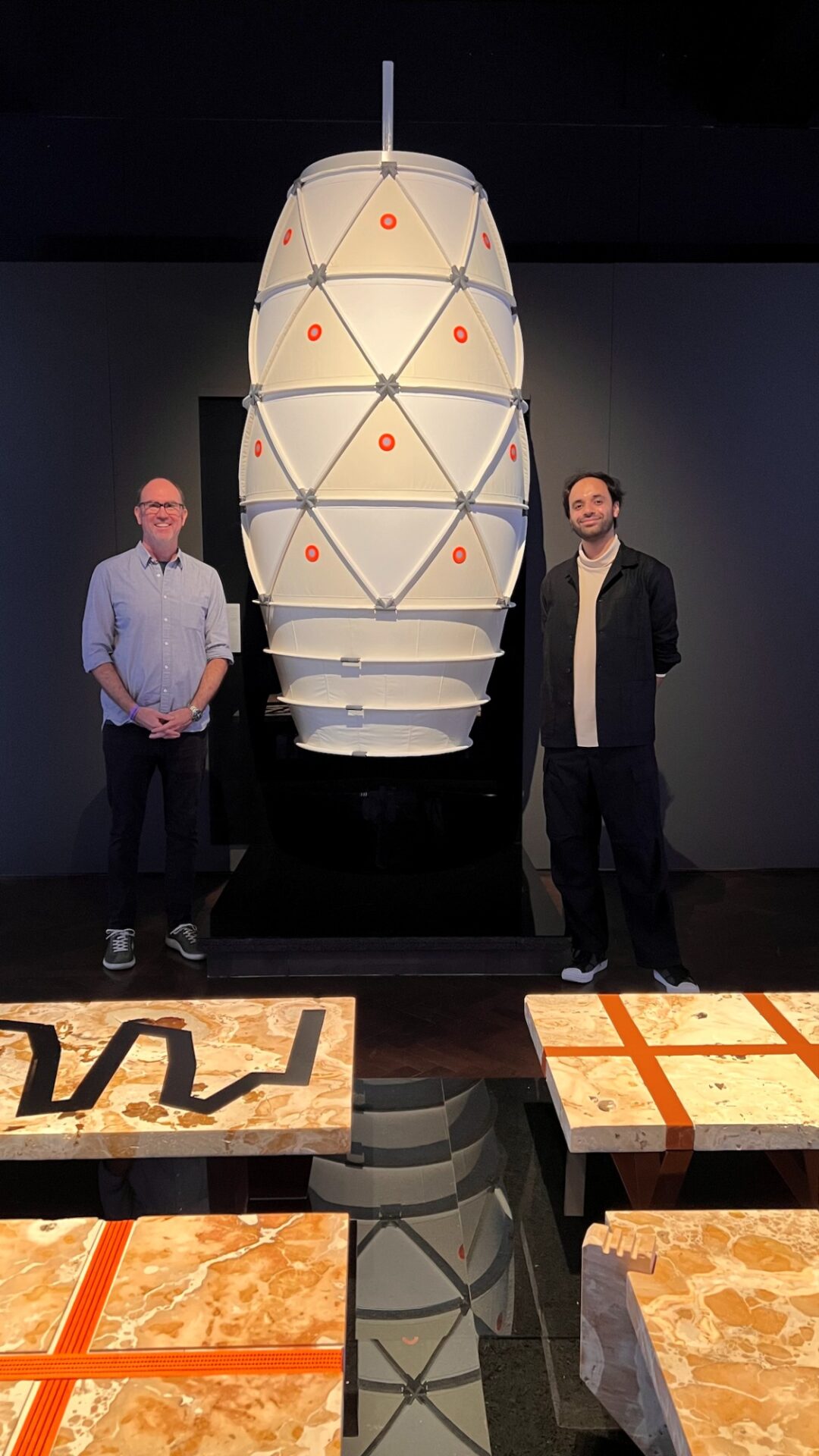
The kinetic sculpture breathes continuously, filtering the surrounding air while producing a gentle rhythm that mirrors human respiration. Visitors do not simply observe the work; they inhabit the atmosphere it creates. As they move through the space, they cross an invisible threshold where the sculpture quietly alters the quality of the air itself.
While its origins lie in the environmental realities of Lahore and Doha, Chrysalis speaks to a global concern. Air pollution, climate change and environmental responsibility are shared challenges, and the project offers an unusually hopeful response, one that combines engineering, design and poetic experience. It is both an environmental intervention and a meditation on our relationship with the invisible systems that sustain life.
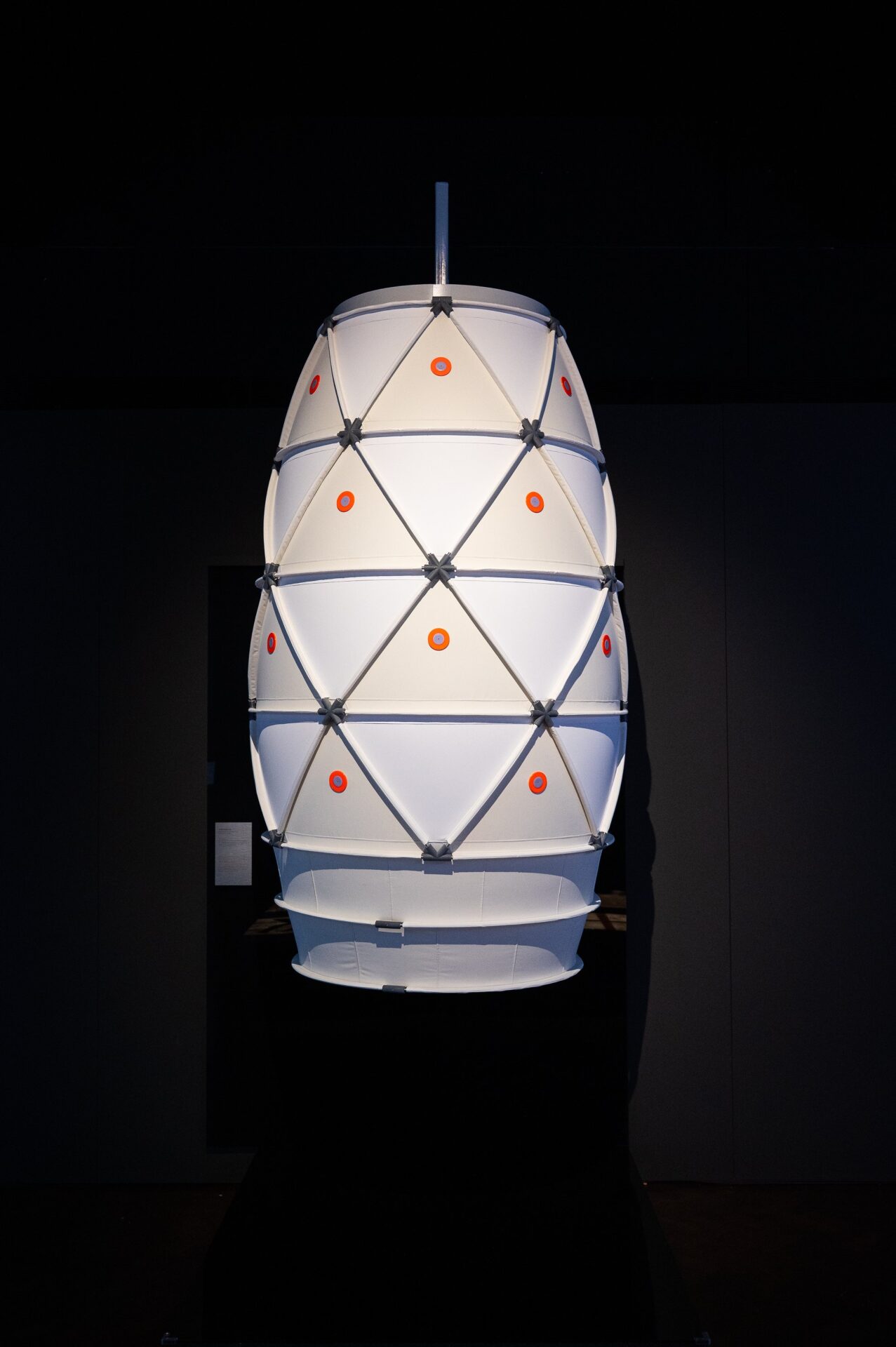 According to its designer, “Chrysalis is the effort of an incredible team of designers, scientists, and engineers, each of whom has shaped the project into what it is. We have given form to the invisible, and we tried to make it beautiful. Chrysalis is also a reminder that, when we come together, we are still capable of solving those problems in ways that are both unique and elegant. Chrysalis breathes alongside all of us, but with every breath, it cleans the air.”
Sonic Fields: Listening to the Memory of a City
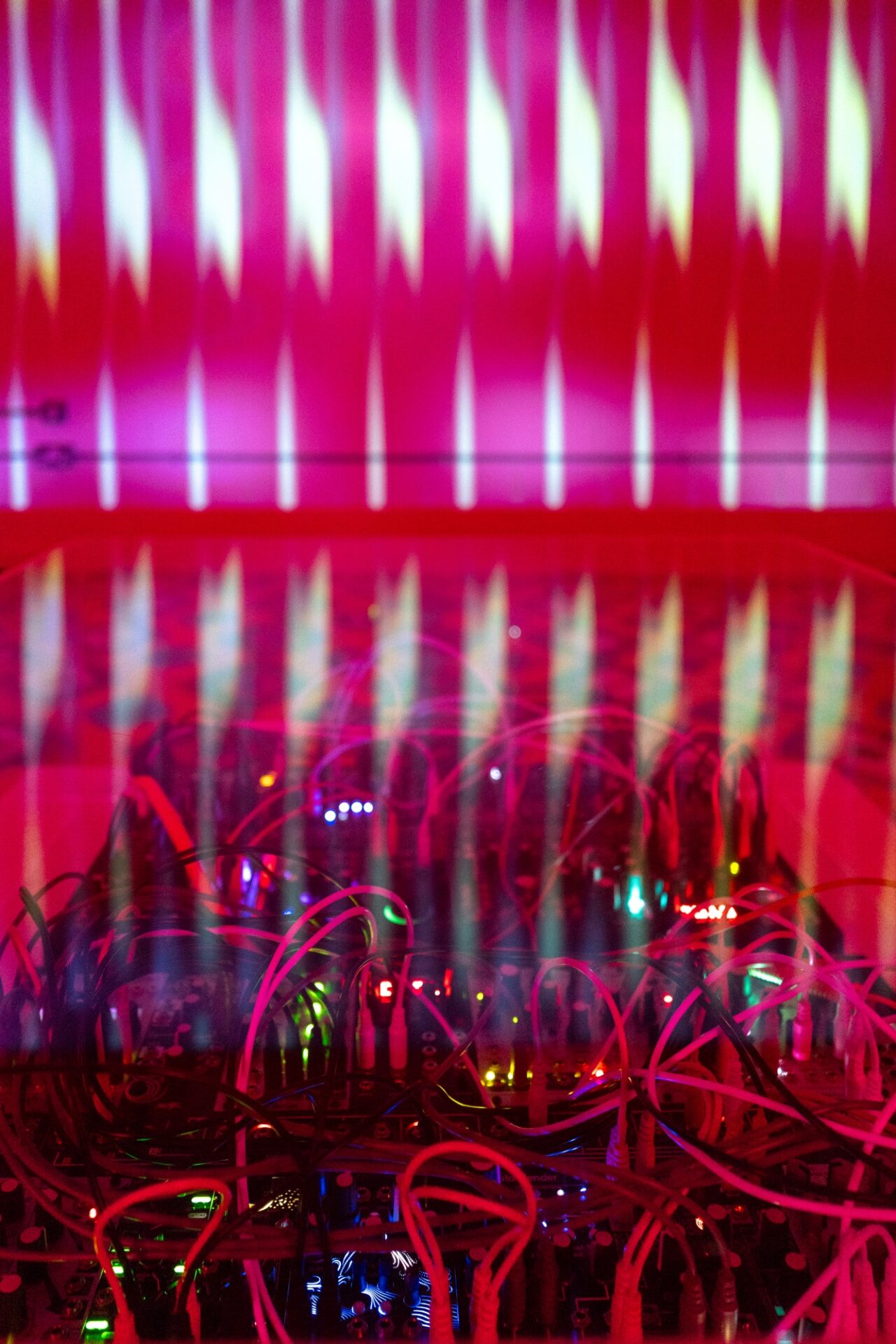 Cities are often remembered visually, but they are equally shaped by sound.
Developed by former students and faculty of VCUarts Qatar, Sonic Jeel, Sonic Fields begins with recordings collected across Doha, from everyday urban moments that most people pass without noticing. These sounds are then transformed through modular synthesis into an immersive composition that shifts between memory, imagination and place.
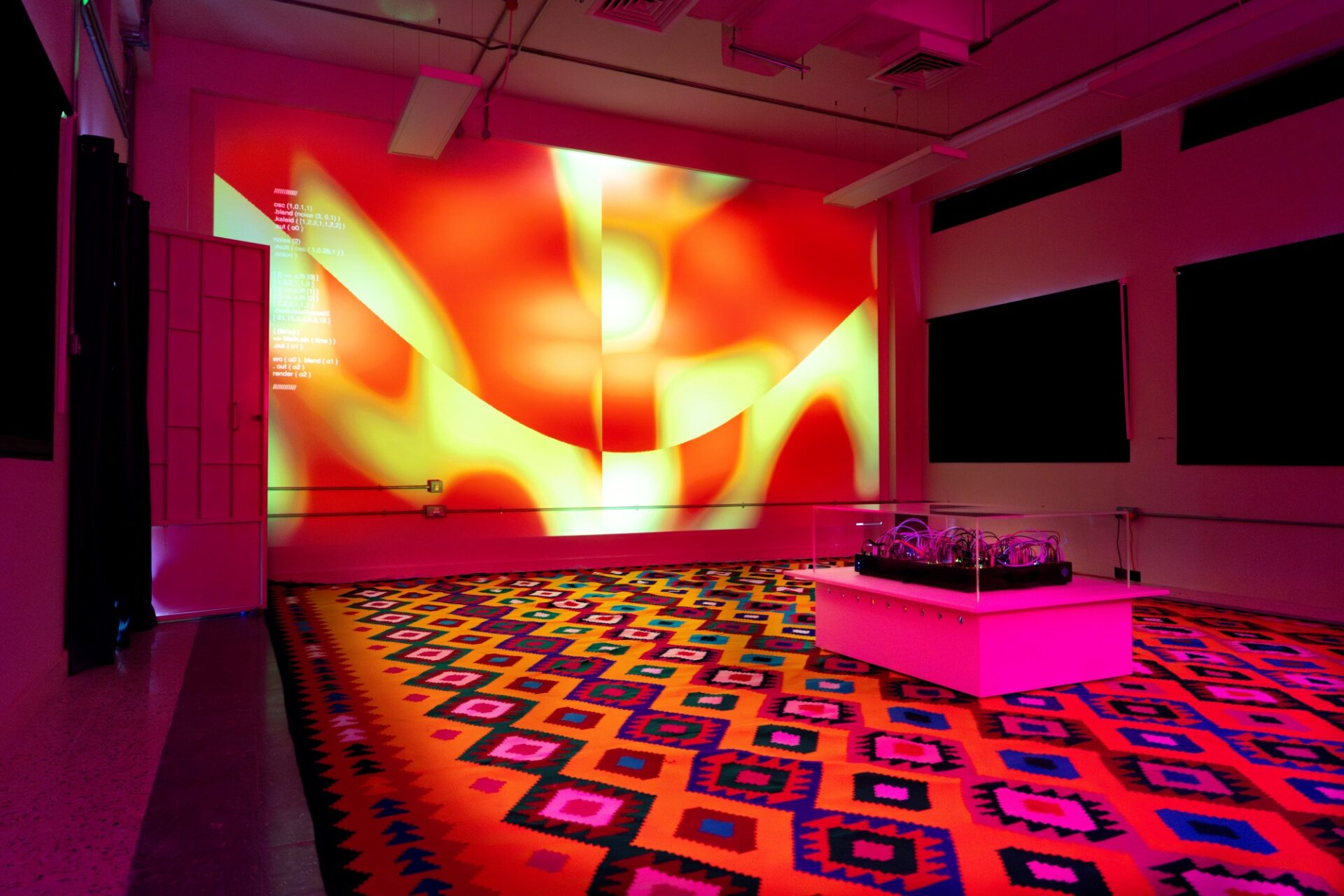 For alumni assistant Eman Makki, working with the project’s growing archive revealed something larger than documentation. The recordings became a living archive, capturing a city in constant transition while allowing familiar sounds to evolve into something unexpectedly unfamiliar.
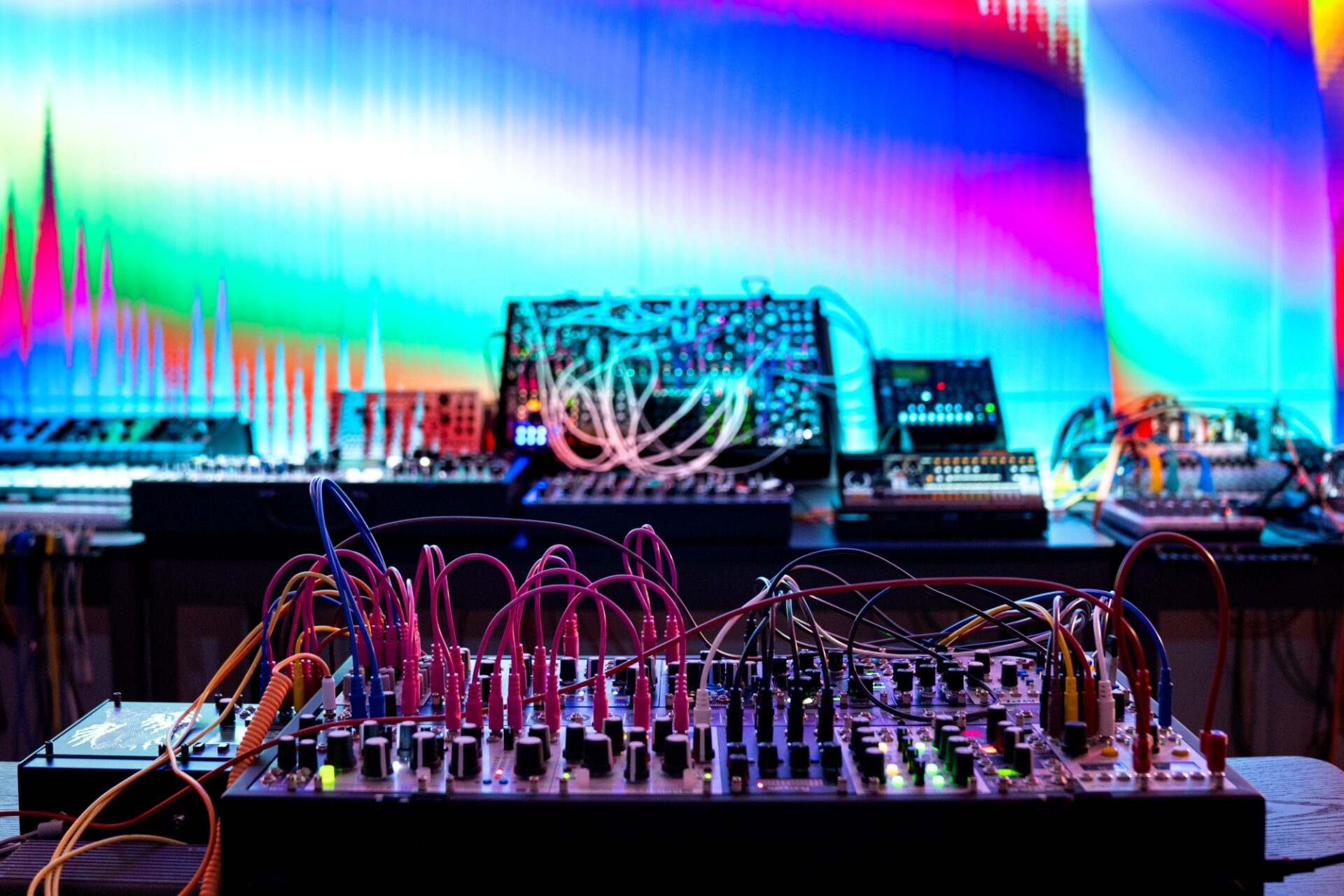 Visitors to Venice may never have walked along Doha’s Corniche or wandered through Souq Waqif, yet the installation remains universally accessible. Every city changes. Every community carries memories of places transformed over time. Through sound rather than image, Sonic Fields explores that shared human experience, inviting audiences to recognise not a specific place, but the emotional landscape of change itself.
Research That Travels Beyond the Studio
What connects these three projects by VCUarts Qatar is their ability to transform research into lived experience. Whether through textiles, air or sound, each begins with something deeply rooted in its own context before opening itself to wider conversations about culture, ecology and perception.
Presented within Aghrab Idrāk: Thresholds of Perception, these projects demonstrate why the debut of VCUarts Qatar as an official collateral event at the Venice Biennale is significant. Rather than representing a single artistic voice, the exhibition showcases how research, collaboration and interdisciplinary practice can generate new ways of experiencing the world.