Inside Alcova: The SCALE Edit
Our Milan Editor, Juan Torres, visits Alcova and charts a list of designs/exhibits that made an impression.
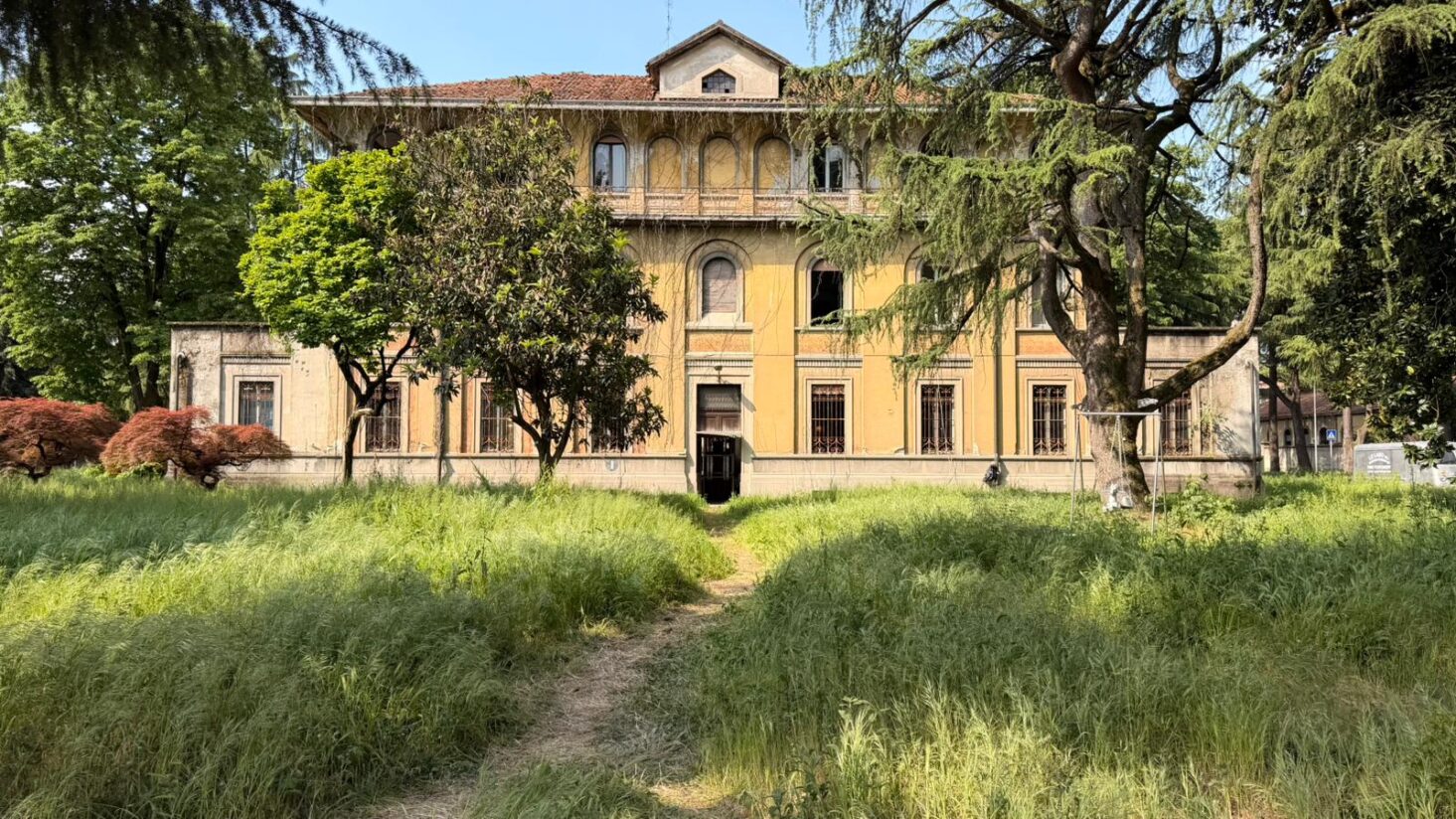
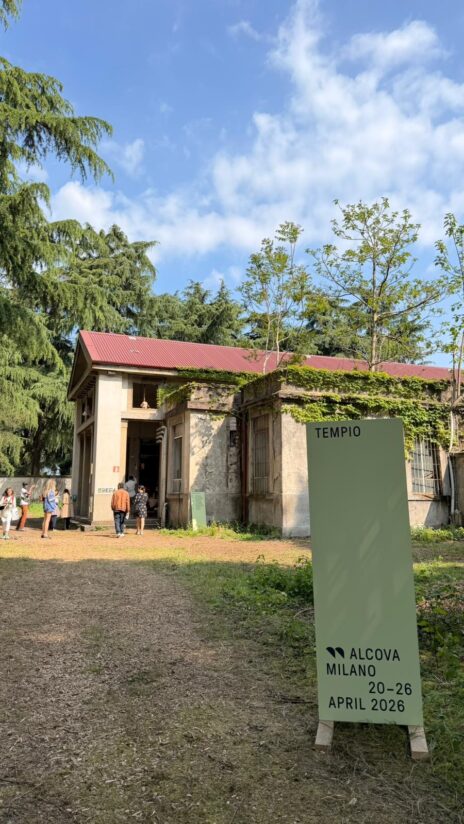 In its 11th edition, Alcova returned across two Milanese sites: new spaces within the Baggio Military Hospital and the never-before-opened Villa Pestarini by Franco Albini.
Founded in 2018 by curators and creative directors Valentina Ciuffi and Joseph Grima, Alcova has, in a short span, become one of the most anticipated presences during Milan Design Week. Its appeal lies not just in the names it gathers, from emerging designers to established studios and experimental brands, but in how and where it chooses to stage design.
Each edition rethinks the format of display, moving away from the polished neutrality of trade fairs to inhabit raw, often overlooked sites across Milan. Disused factories, former military hospitals, and abandoned industrial complexes are temporarily reactivated, allowing design to sit within layers of history rather than apart from it. The result is a spatial narrative where context becomes as important as content.
What sets Alcova apart is its role as a testing ground. It brings together designers, galleries, institutions, and research-led practices to explore material innovation, speculative production methods, and new ways of living. The platform encourages overlaps between design and science, craft and technology, creating a space where ideas are displayed.
Here are a few designs that we loved:
BERTO: Between Object and Process
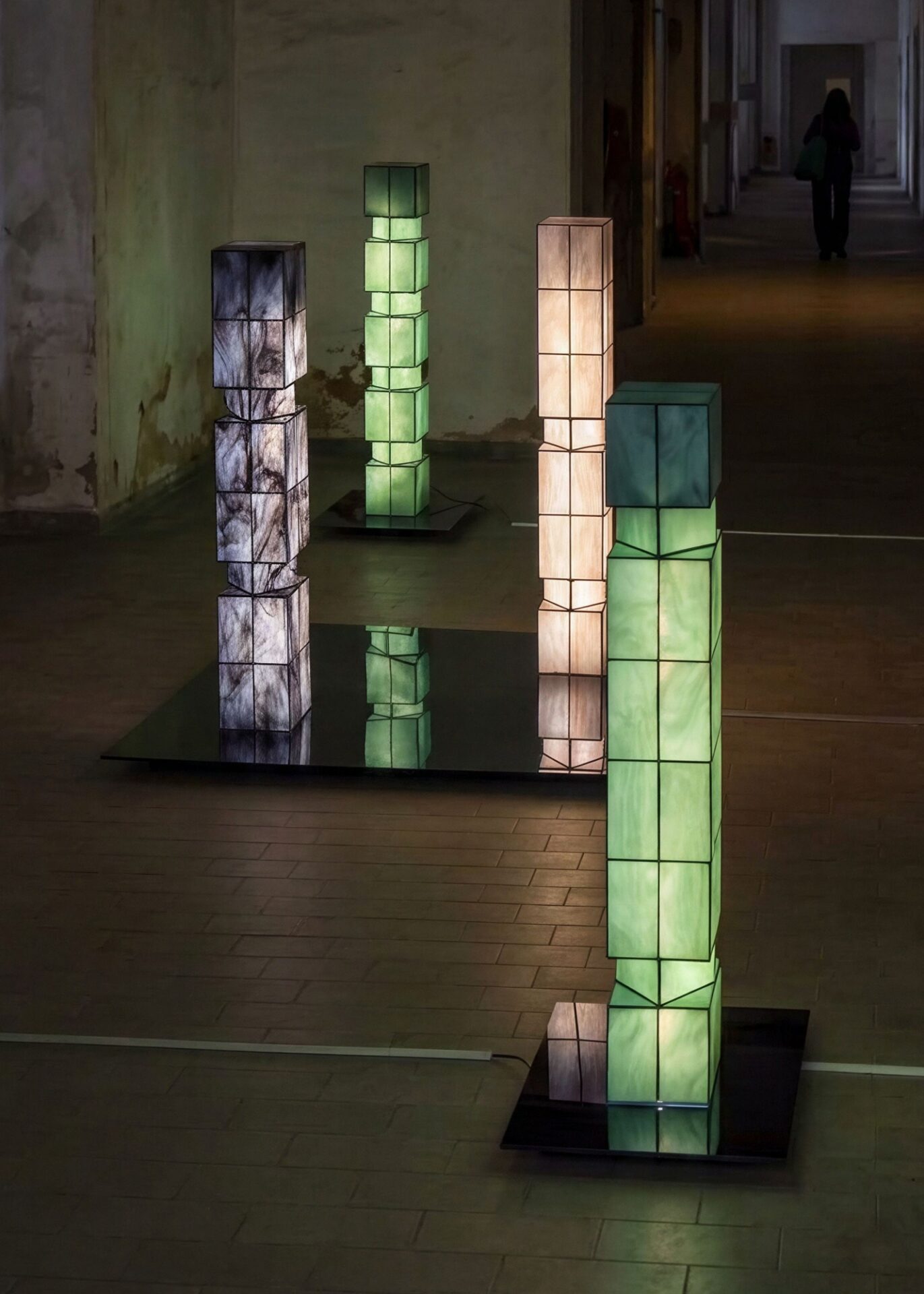 With BERTO, Alberto Sánchez of Mut Design shifts his practice towards a more intimate terrain of making. Moving beyond industrial production, the work centres on unique and limited-edition pieces shaped by hand, where geometry, material, and emotion remain central.
Positioned within collectable design, BERTO brings craft into dialogue with contemporary form. In projects like FACETAS, developed through the 19th-century Tiffany glass technique, the process is left visible, and solder lines trace the object, revealing its construction.
Facetas not only honours the beauty of stained glass but reinvents its visual language to create objects that are both functional and sculptural.
“I want my pieces to speak of craft, but also of emotion. To be useful, but above all, to move people,” says Alberto Sánchez.
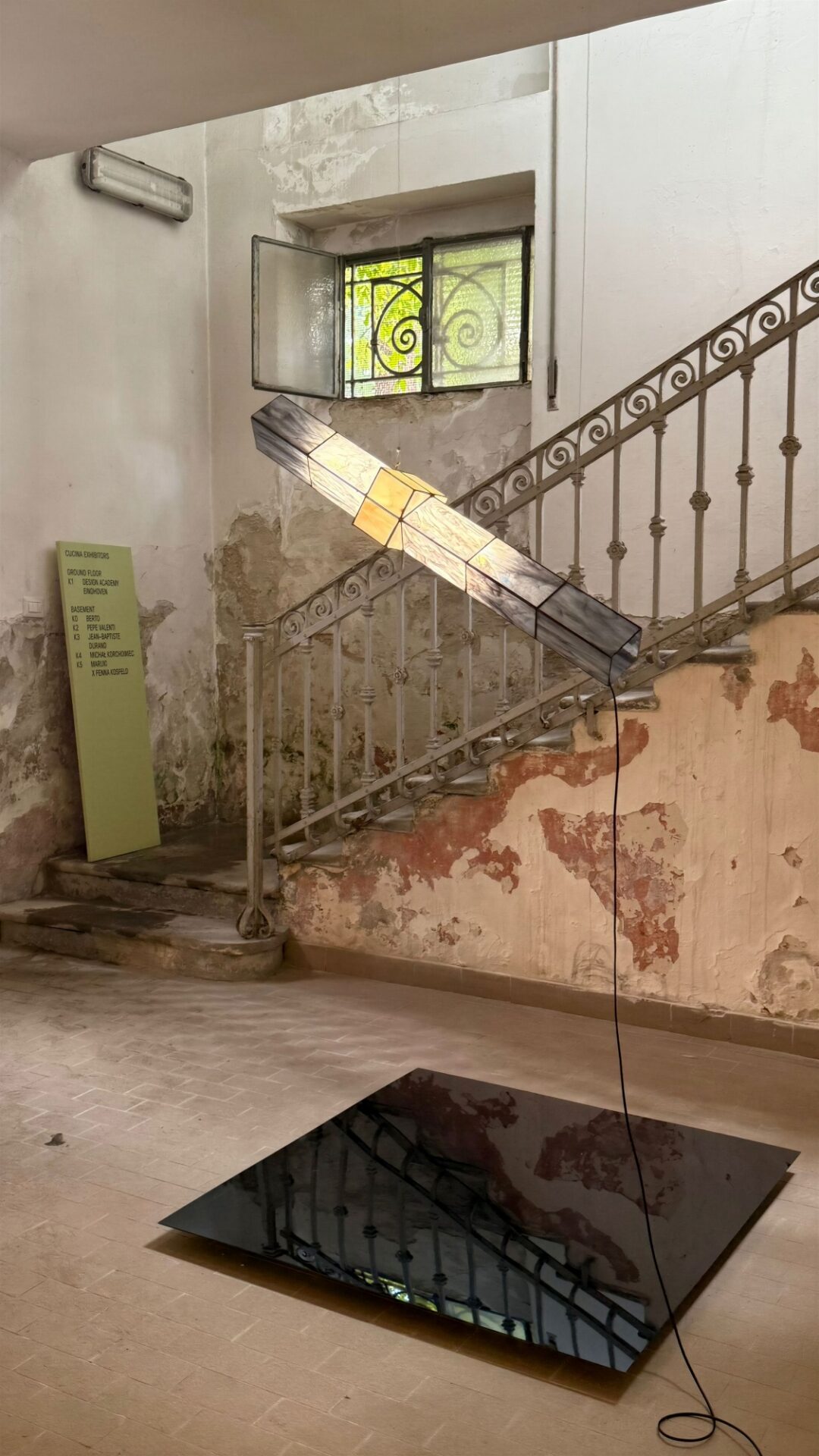 These works sit between sculpture and function. Light becomes an active element in the design of these pieces.
Studio Lugo: Craft, Memory, and Material in Resonance
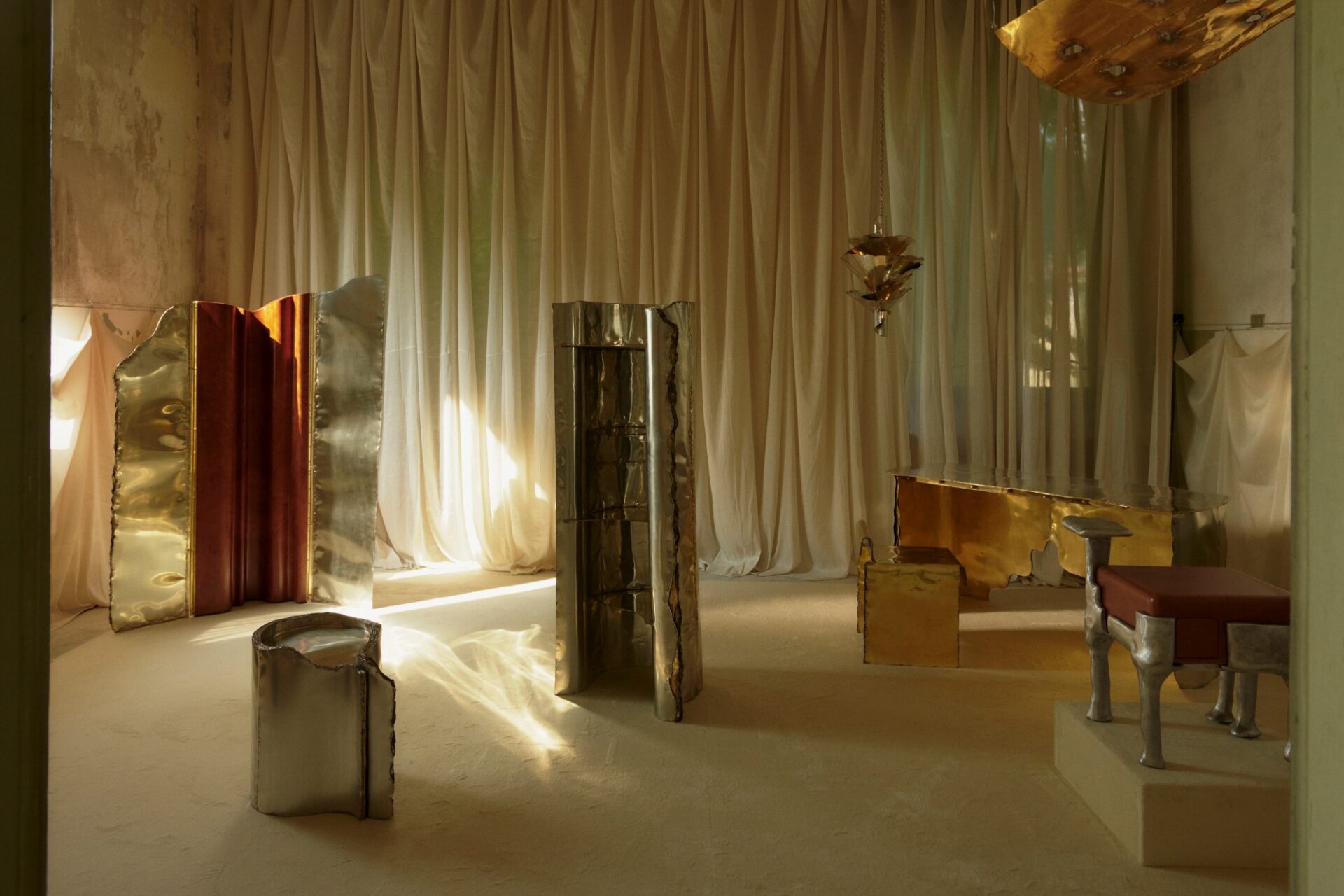 Based in Istanbul, Studio Lugo operates at the intersection of disciplines, bringing together cumulative design knowledge with a distinctly contemporary approach.
Founded in 2015 by Doruk Kubilay, the studio’s work draws from the layered cultural landscape of Anatolia, translating it into objects and interiors that feel both rooted and forward-looking. Here, tradition is not preserved as nostalgia, but reworked through material, form, and process.
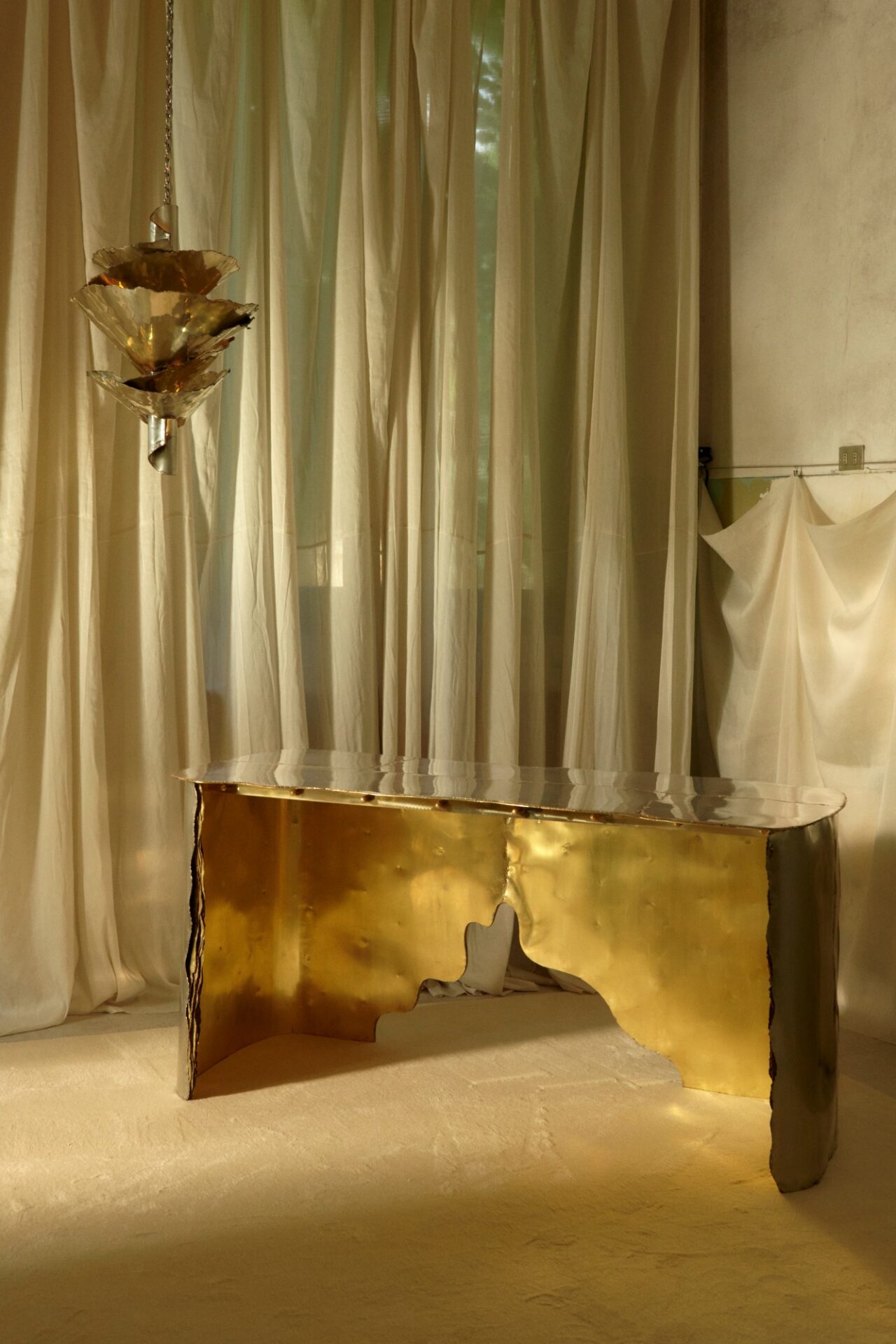 This direction finds a new expression in Resonance, a body of work presented at Alcova. Marking a shift from polished precision to a more sculptural and experimental language, the collection engages directly with the raw character of its setting. The installation unfolds as a calm yet dynamic backdrop, allowing the objects to assert their presence while remaining in dialogue with the space.
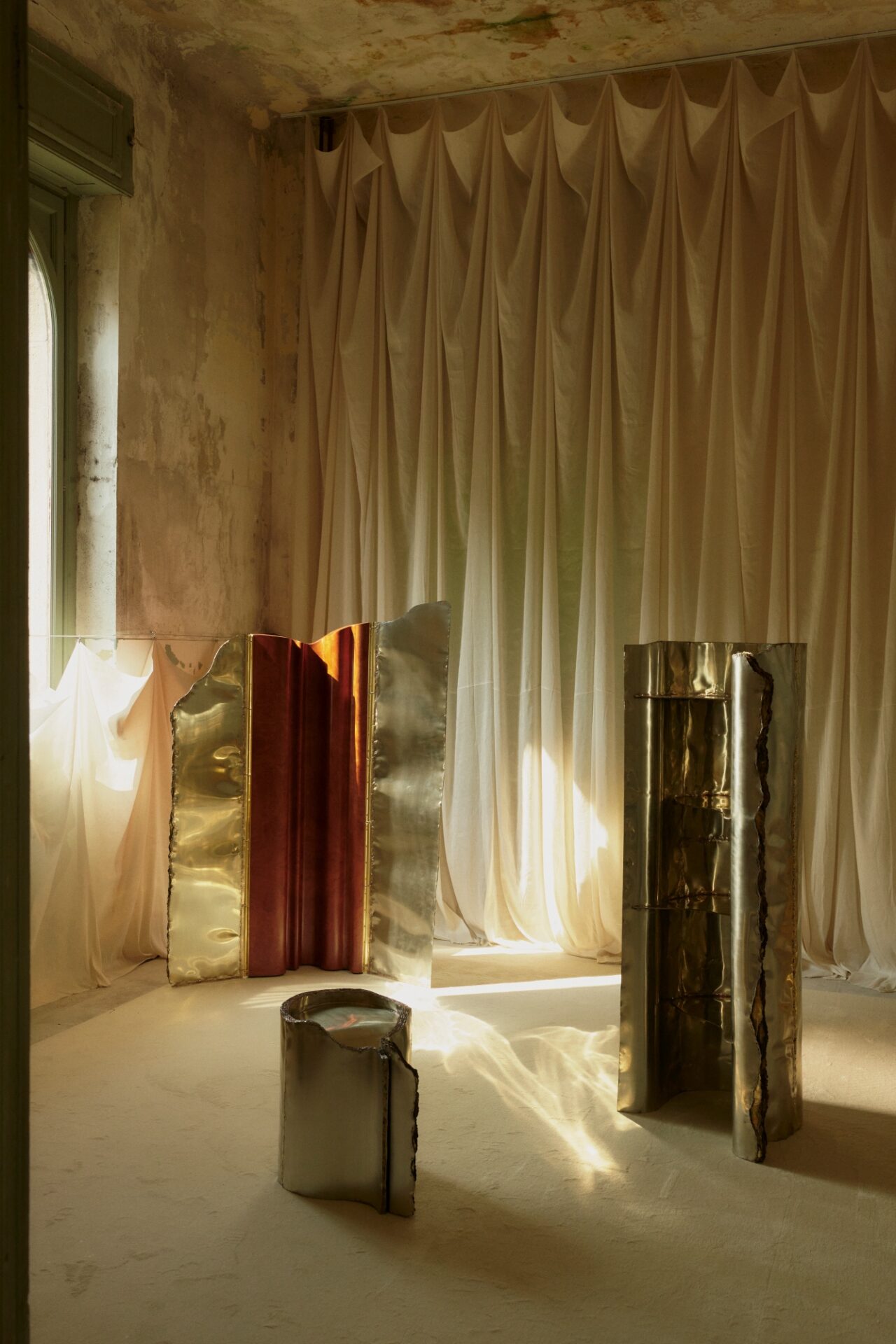 Each piece in Resonance carries visible traces of making. Working primarily with alpaca metal, or German silver, the studio embraces its natural state, applying controlled polishing and sanding to create layered, reflective surfaces. The material, an alloy of copper, nickel, and zinc, offers a softer tactility and a diffused reflective quality, allowing light to move across the forms rather than settle on them. Surfaces appear peeled back or blossoming, revealing layers that speak to time, process, and transformation.
At Alcova, the installation is further softened through an artisanal textile developed with TELAMOR Fabrics. Woven from hemp and Lyocell, the curtains introduce a quiet, tactile counterpoint, enveloping the work in a cocoon-like setting.
In Resonance, Studio Lugo moves beyond object-making into a more open exploration of material and memory.
Studio Ololoo: Observing Nature, Reframing Light
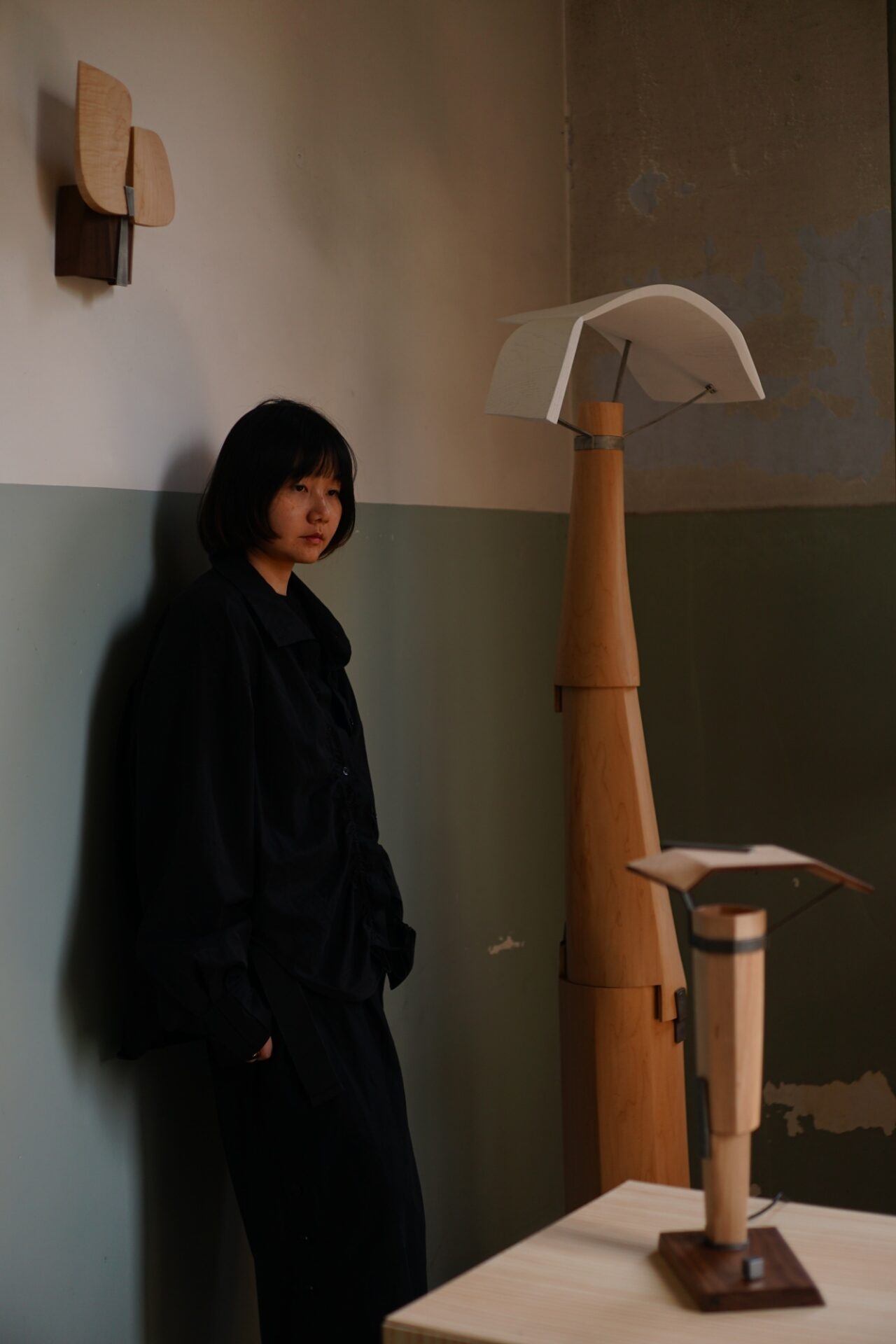 In what is often described as a new “Golden Age,” Studio Ololoo takes a more measured position—stepping away from the idea of singular authorship to foreground what endures: nature, craft, and material. As part of a broader presentation alongside Blank and RESTUDIO, the studio defines its role as a Nature Observer, grounding its work in close readings of natural phenomena and their translation through design.
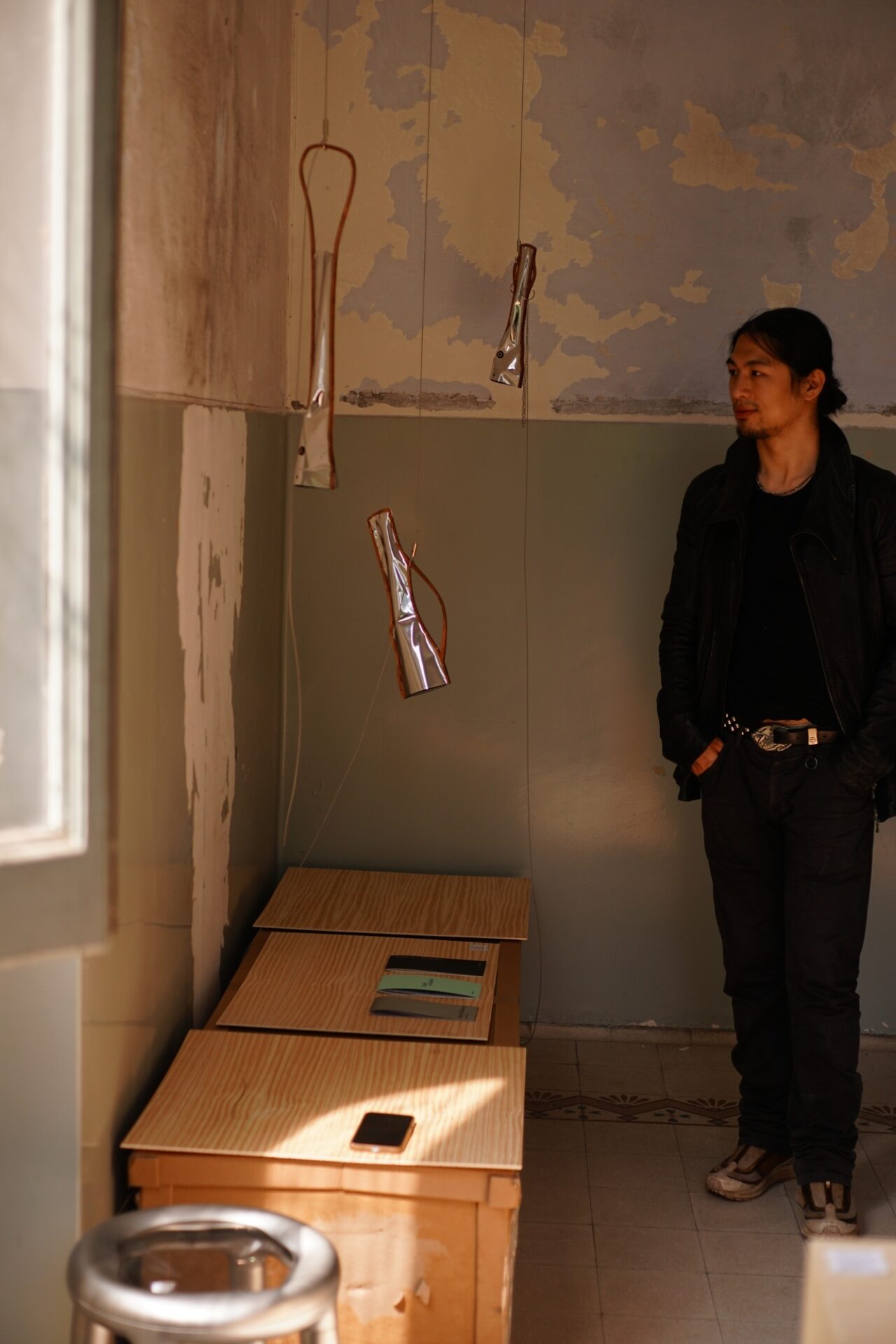 At the centre of this approach is the Lantern series, a project that begins with the observation of light—how it moves, refracts, and transforms. Rather than replicating nature through literal form, Studio Ololoo explores how artificial materials can simulate its behaviour. The lamps are constructed using a copper frame wrapped in multi-layered synthetic fabric, with an LED light source embedded within. When illuminated, light filters through the compressed layers, reflecting off the silver-toned textile to create a shifting, almost lightning-like effect. The glow is neither static nor contained; it flickers and moves, responding subtly to handling or suspension.
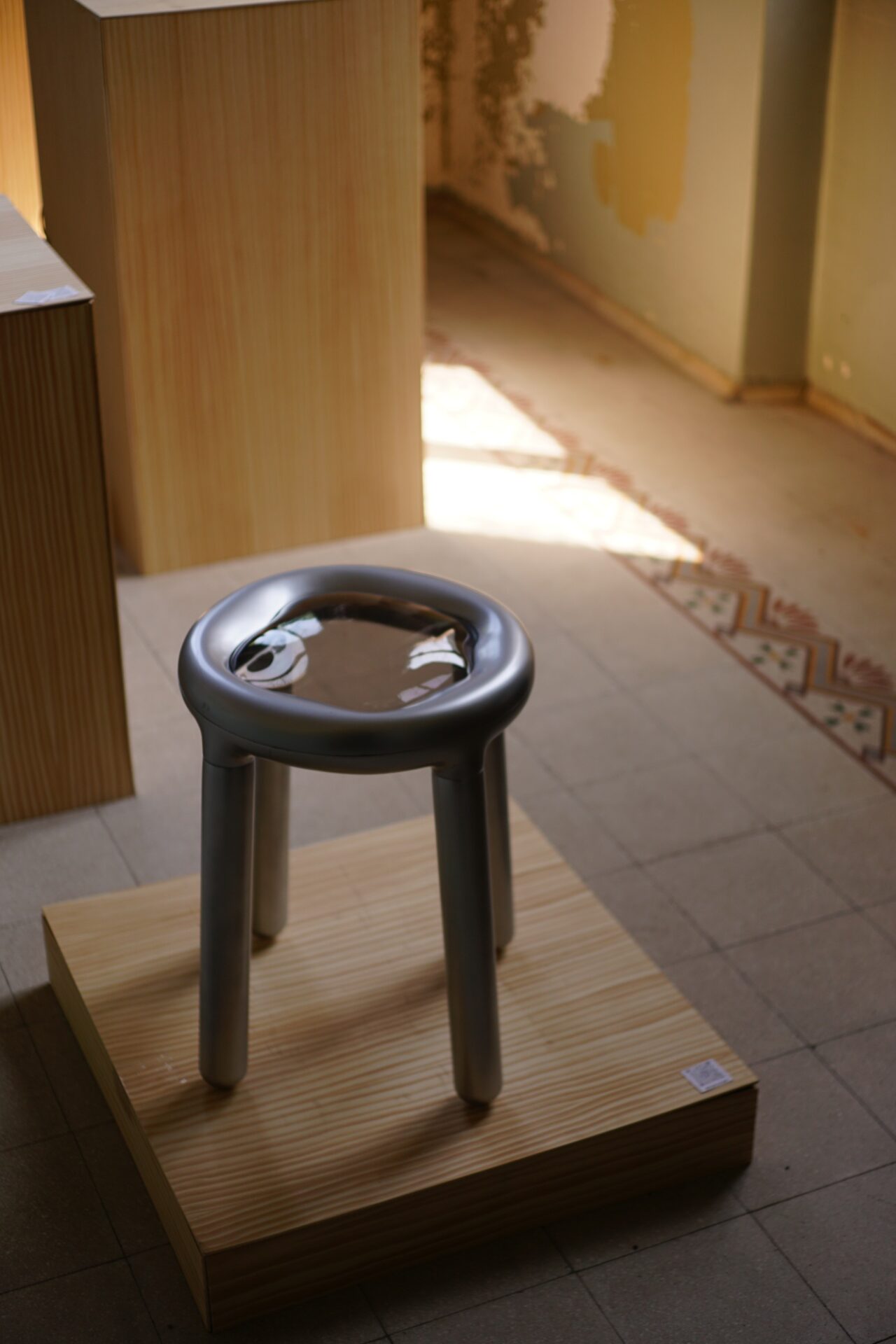 The form of the lampshade draws from organic references, shaped in part by an affinity for Art Nouveau, where nature is interpreted through fluid lines and soft contours. Yet the intention here is not to confine light within rigid objects, but to engage with it more intuitively, to hold, observe, and experience it as one would a natural phenomenon.
The Lantern series extends across three variations, Lantern, Candle, and Spark, each designed with different modes of interaction. They can be hung, placed, carried, or strapped, adapting to everyday rituals and shifting contexts of use.
In Studio Ololoo’s work, design becomes a quiet act of translation, where light, material, and movement come together,
FROMM.Lab: Interlaced as a Work in Progress
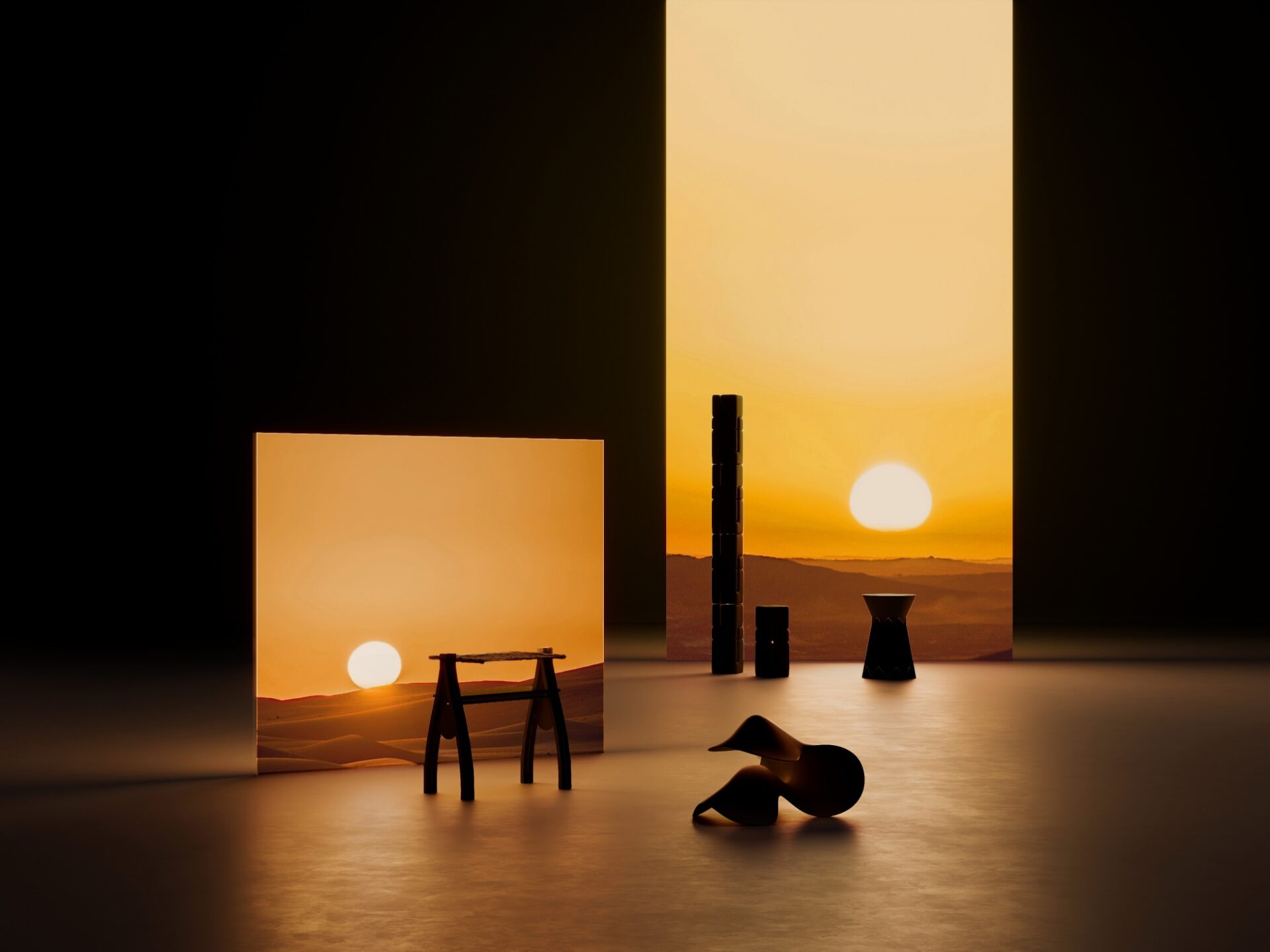 During Milan Design Week 2026, FROMM.Lab presents Interlaced at Alcova, offering a preview of a larger exhibition set to unfold later this year at the Design Doha Biennale 2026. Installed within the Baggio Military Hospital complex, the project positions itself not as a finished statement, but as an evolving curatorial process.
Founded in 2021 by Alia Rachid, FROMM.Lab operates as the research and development arm of FROMM., focusing on mentorship, prototyping, and the visibility of emerging designers.
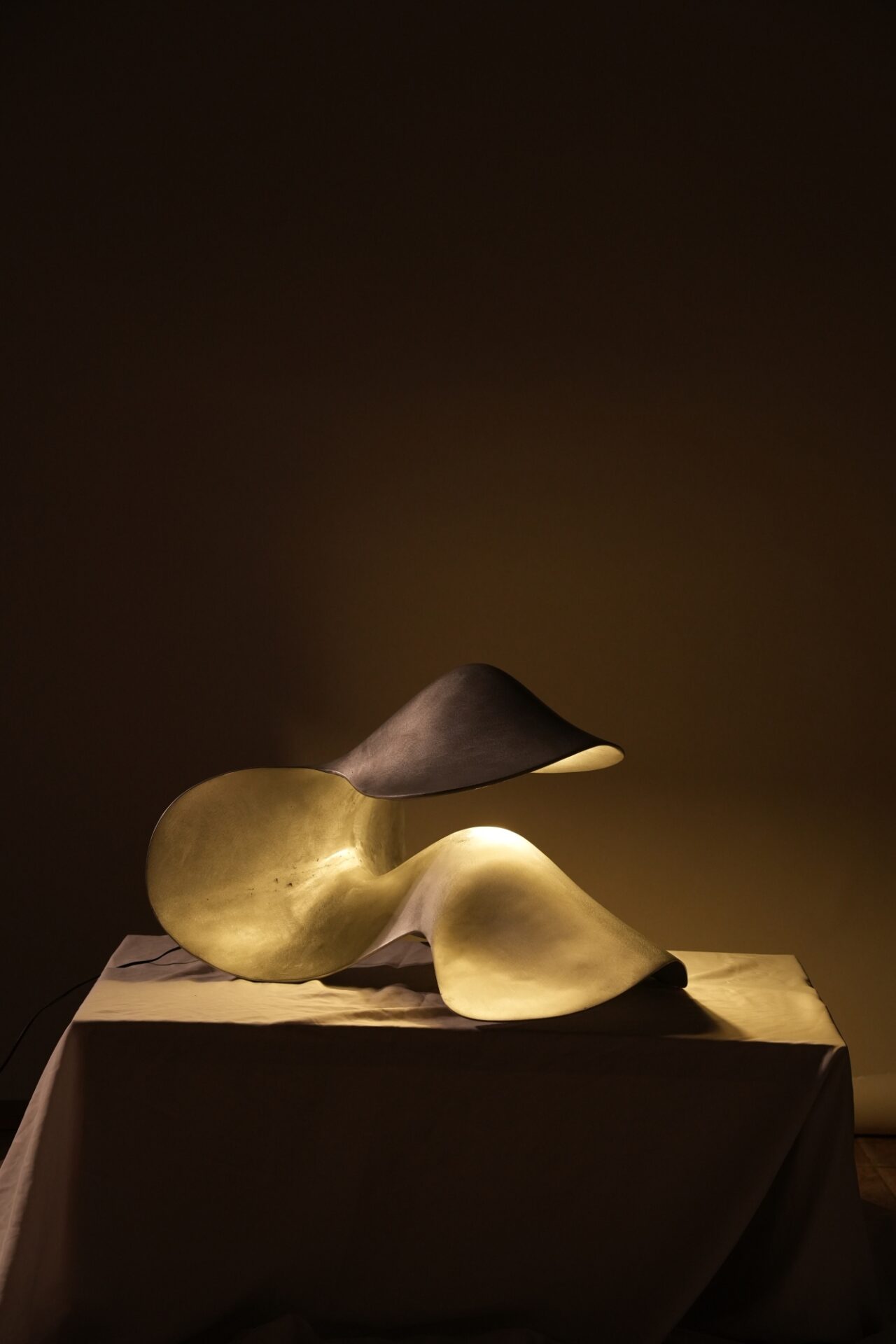
Xinyi Wang: Dusk Dawn Dune Lamp @Chilijam
Interlaced grows out of its first international design competition, launched during the previous Milan edition, which invited participants to reinterpret Arab heritage across furniture and lighting typologies. The open call drew over 120 submissions from more than 50 countries, resulting in twelve finalists who developed their proposals through a structured mentorship framework.
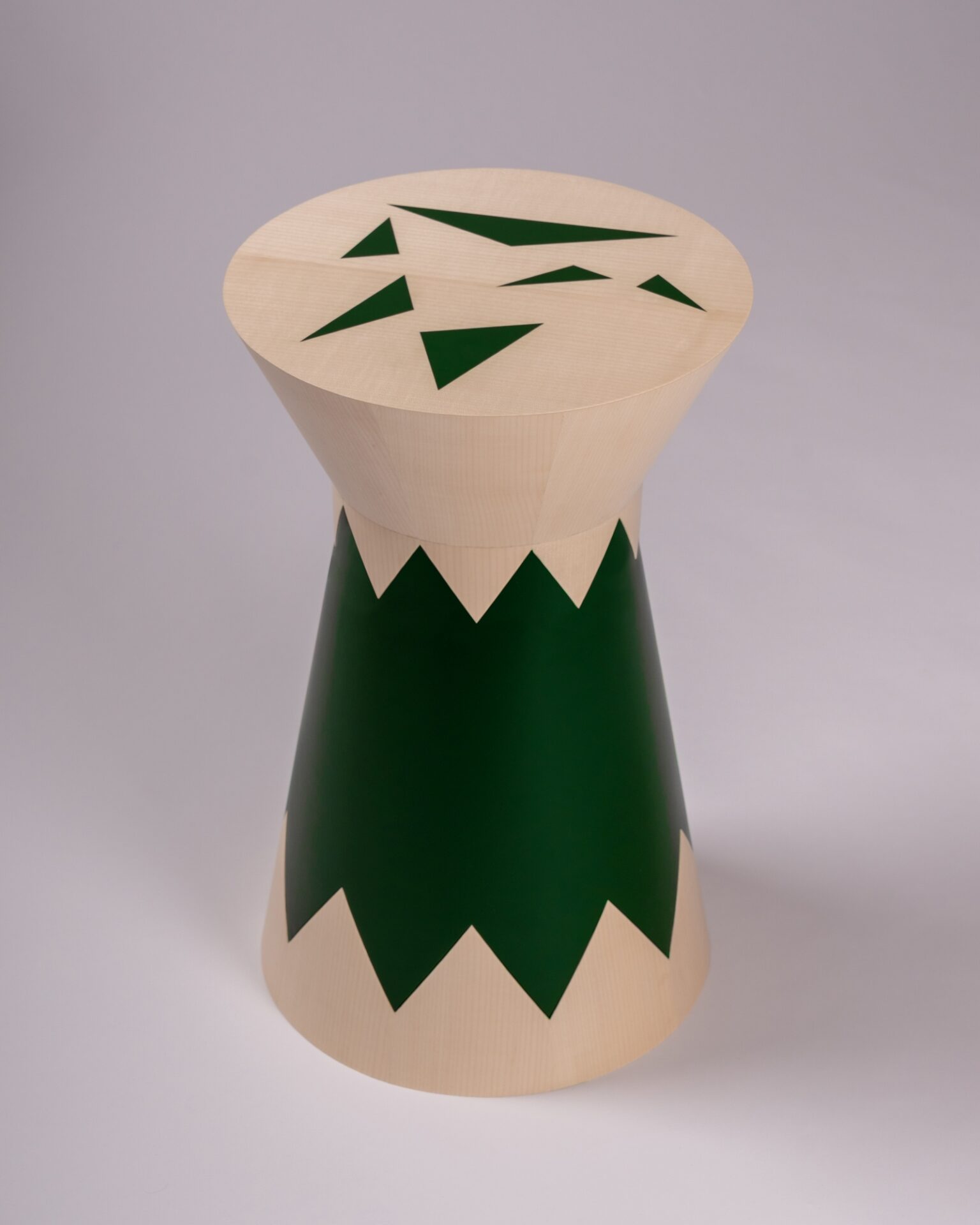
Daniel Heilig: Bastion Side Table, @Heilig Objects
The initiative is shaped by a cross-disciplinary panel that includes figures such as Giulio Cappellini, Joseph Grima, Aline Asmar d’Amman, and Luca Fois, alongside regional voices connected to Design Doha. Curated and project-managed by Etienne Bastormagi, the exhibition brings together a set of works that approach heritage not as a fixed reference, but as a shifting, collective condition.
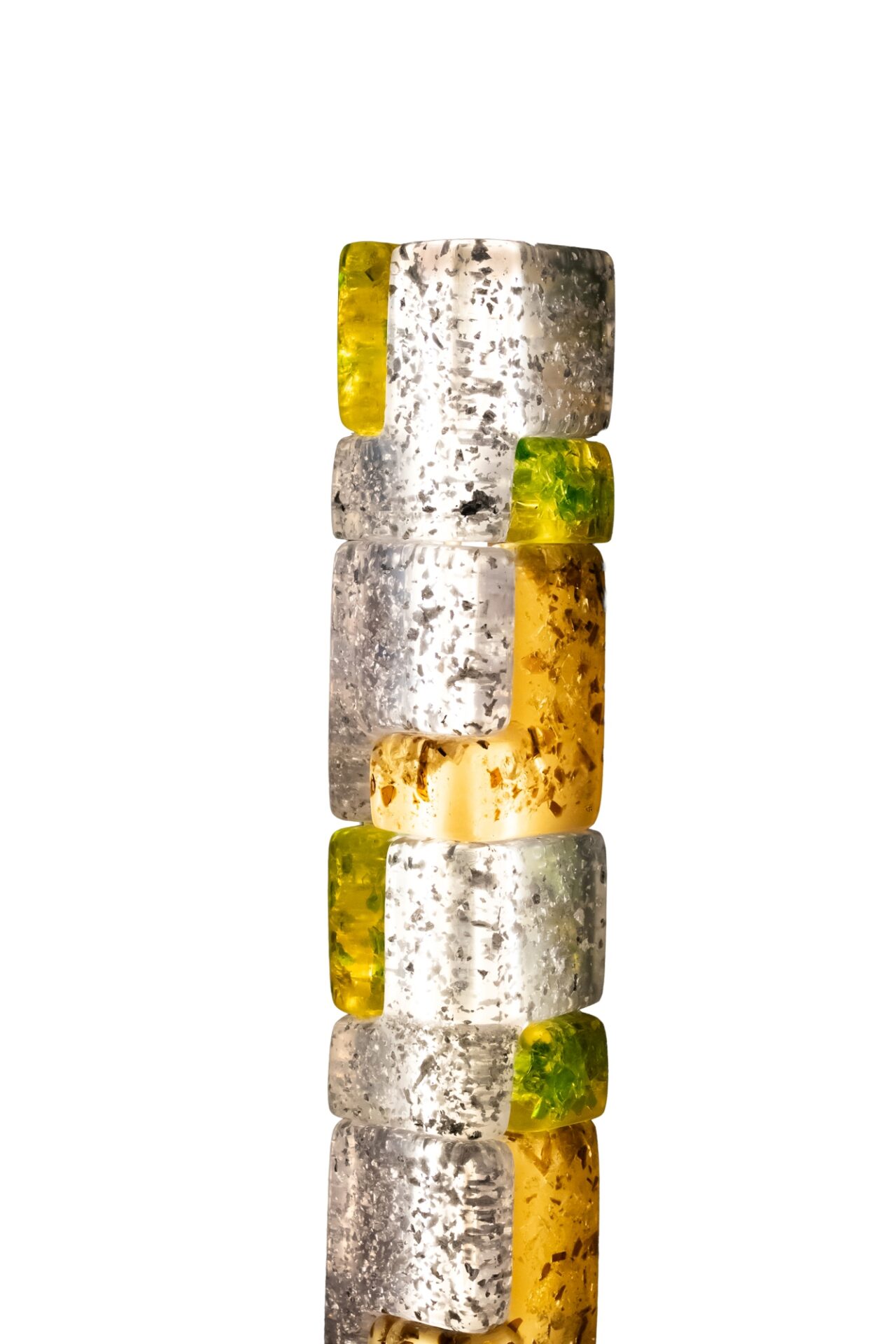
Ismail Hutet & Blanca Scully, @Chilijam
At Alcova, four designers present an initial constellation of projects: Cecilia Rinaldi, Daniel Heilig, Ismail Hutet & Blanca Scully, and Xinyi Wang, offering distinct yet interconnected readings of material, ritual, and place. Across the works, heritage emerges as something negotiated, layered through process, memory, and making, rather than preserved in static form.
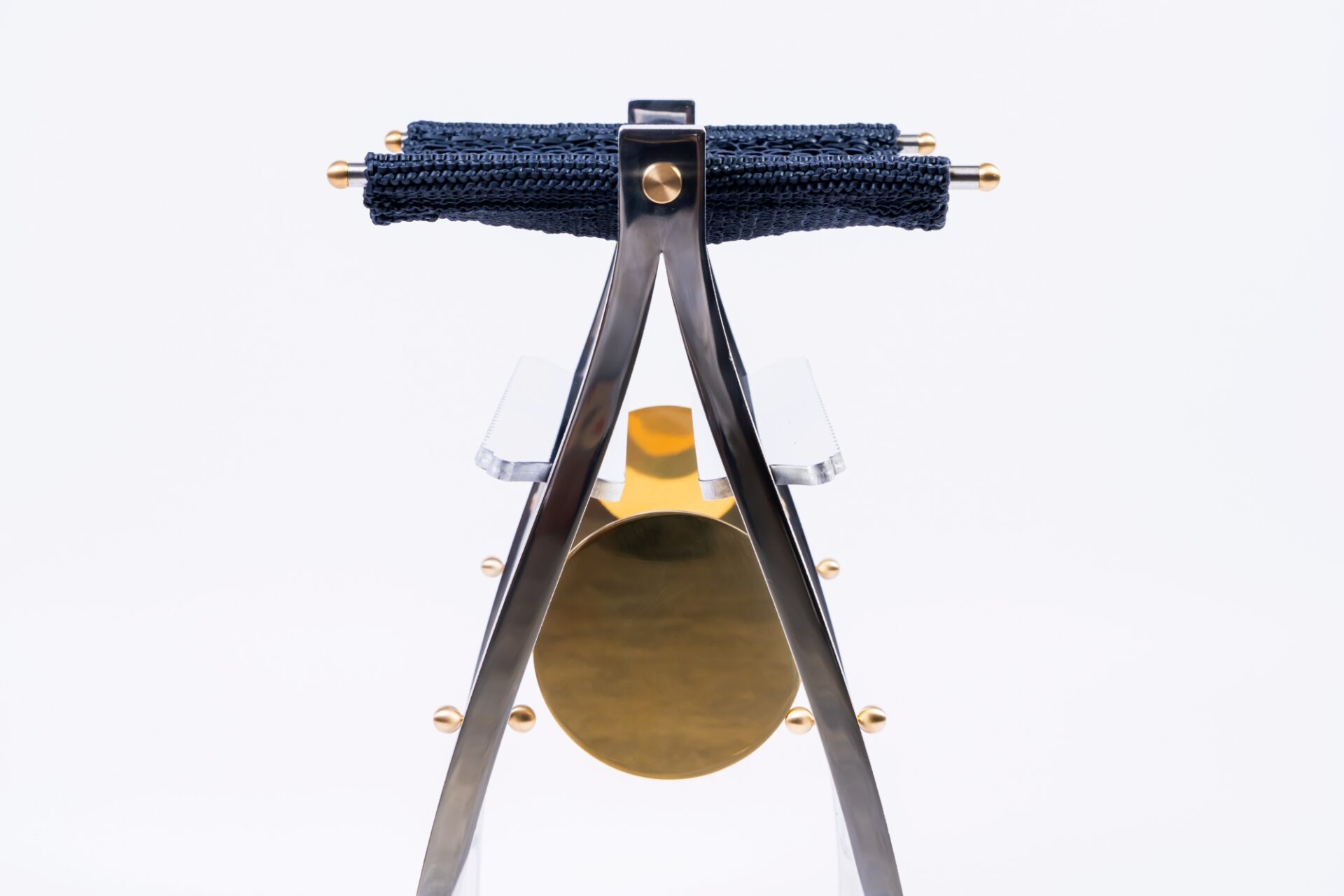
Cecilia Rinaldi @Benjamin Buna
This preview functions as a first point of visibility within a broader trajectory. The full exhibition will be unveiled in Doha later this year, expanding Interlaced into a more complete exploration of how identity is continuously shaped, reinterpreted, and carried forward through design.
MA-MA at Alcova: The Waiting Room as a State of Possibility
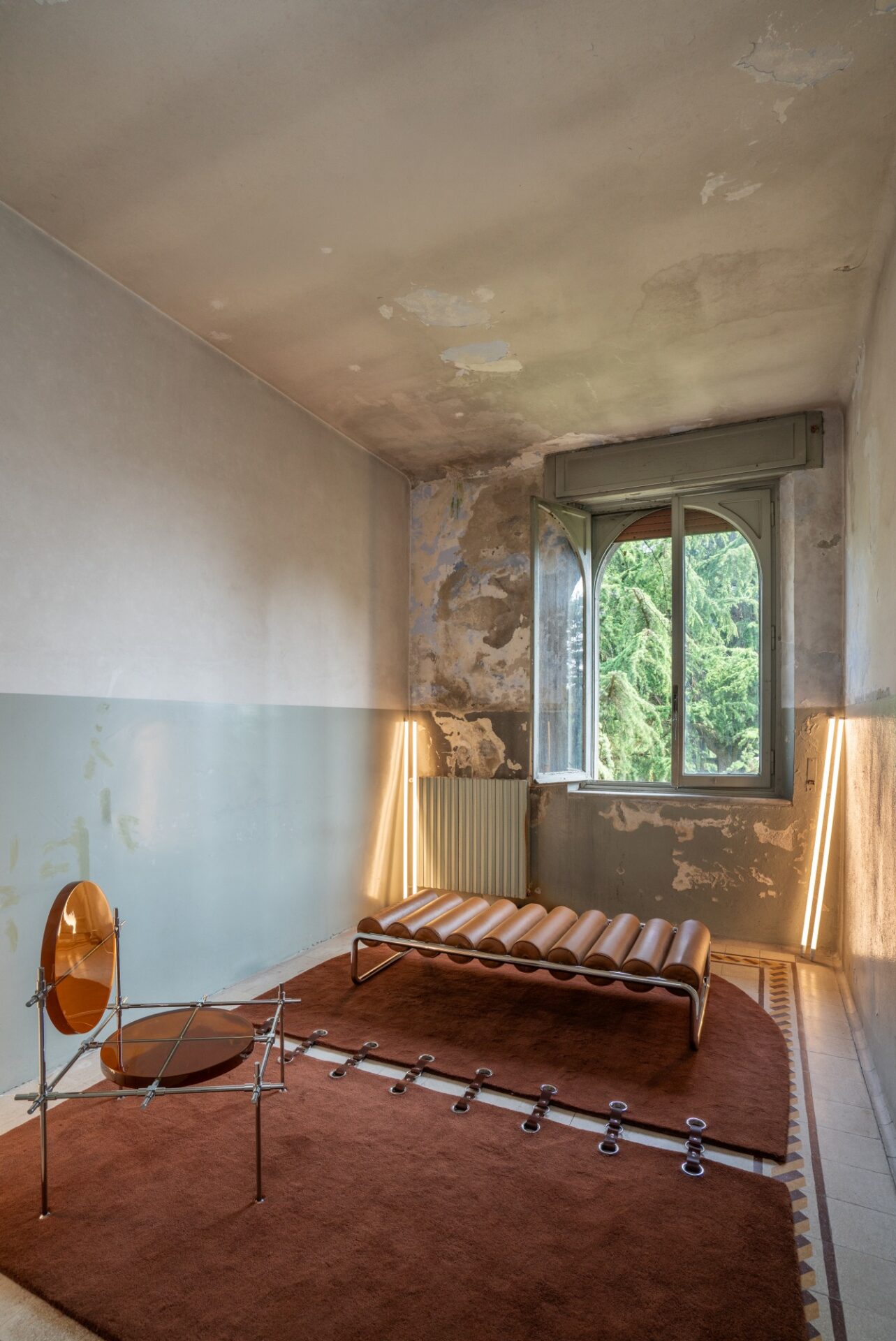 At Milan Design Week 2026, MA-MA introduces The Waiting Room at Alcova, its first foray into collectible design, set within the atmospheric interiors of the Baggio Military Hospital. Conceived as both a spatial installation and a conceptual framework, the project reflects on modular and adaptable furniture.
Founded by sisters Sanam Salek, Laylee Salek, and Safura Salek, the New York-based studio brings its cross-disciplinary background, spanning architecture, interiors, and scenography, into a series of objects that resist fixity. Rather than presenting a closed collection, The Waiting Room unfolds as modular, responsive, and continuously adaptable.
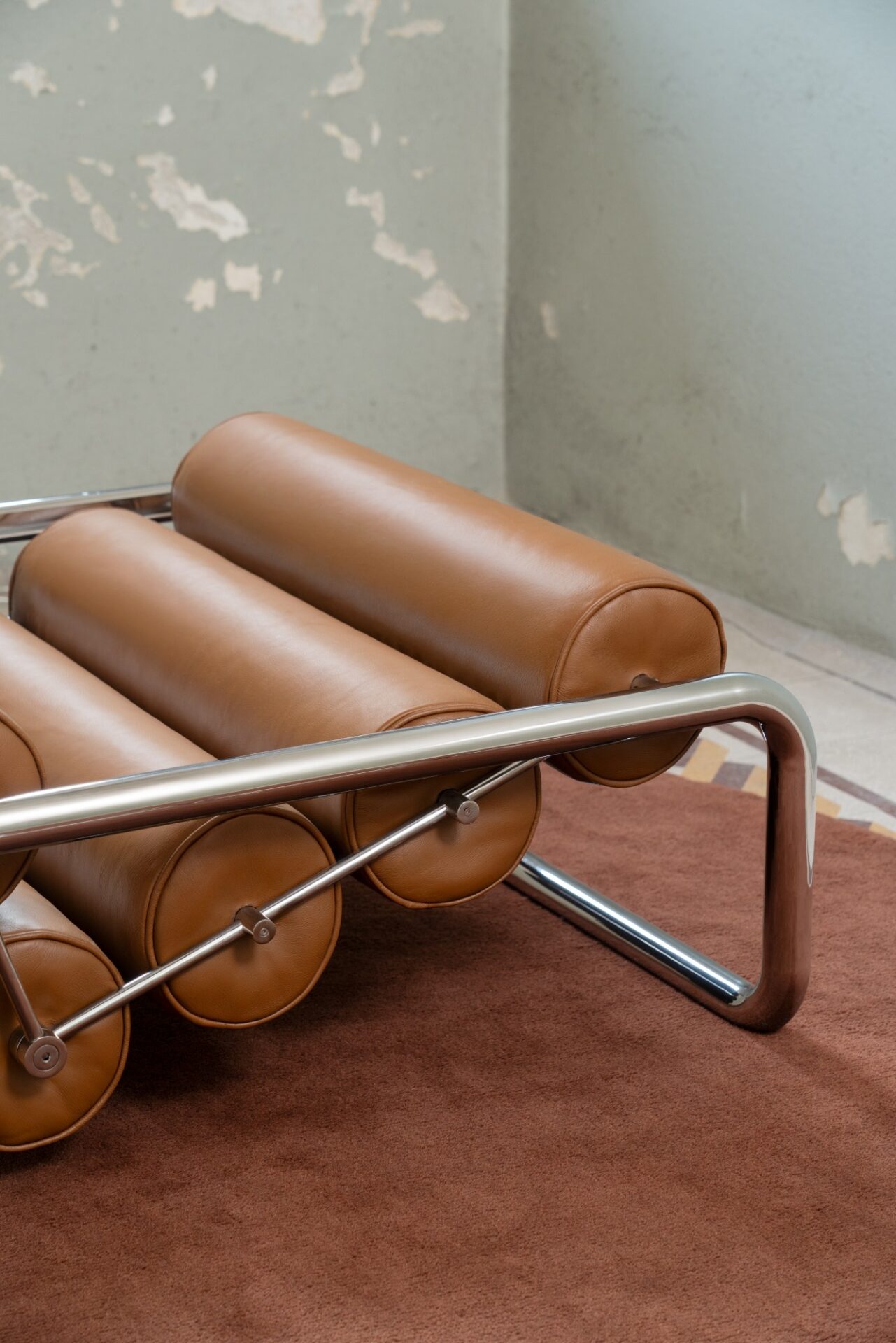 At its core are three pieces, an accent chair, a transformable daybed, and a customisable rug, each conceived to shift in form, scale, and use. Constructed in a restrained palette of chromed steel, leather, resin, and tonal browns, the objects reveal rather than conceal their making. Structural connections remain exposed, turning the assembly into both a visual and functional language.
Here, design is treated as something in flux, capable of extension, reconfiguration, and reinterpretation over time. The daybed transitions between positions, the chair expands into larger systems, and the rug fragments and reconnects through visible hardware, inviting interaction rather than passive use.
Floating Forms: Szymon Keller in collaboration with Danidevito Studio
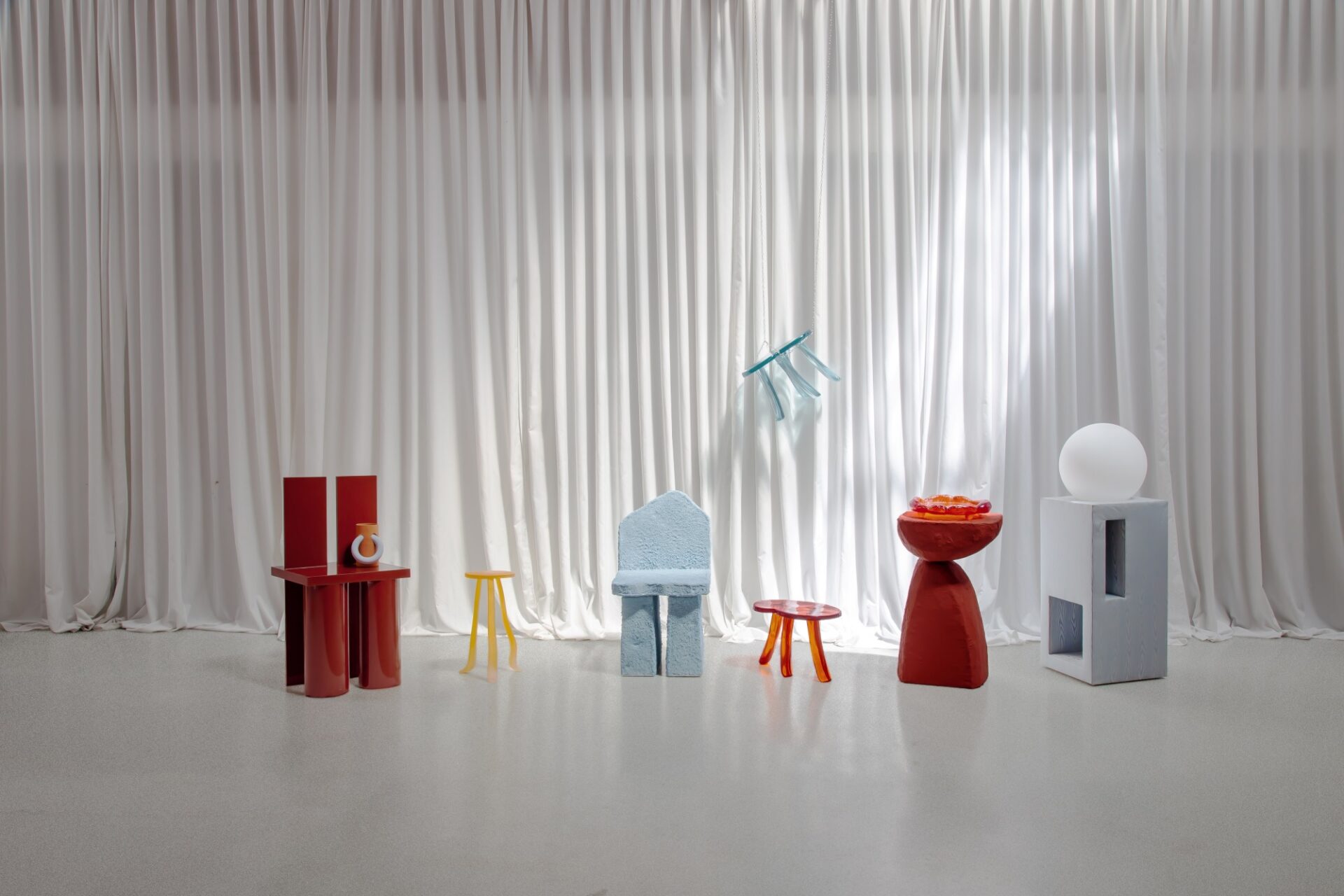 At Alcova, Floating Forms unfolds as an atmospheric installation by Barcelona-based Szymon Keller in collaboration with Danidevito Studio and supported by Alhambra Fabrics. Conceived as a shifting landscape, the project draws from coastal imagery; objects appear as if returned by the sea, shaped by currents, time, and memory.
The installation brings together translucent surfaces, rounded volumes, and suspended fragments, creating a quiet tension between lightness and weight, fragility and structure. Nothing feels fixed. Instead, the pieces hover in a state of in-between, suggesting movement, displacement, and the subtle passage of time.
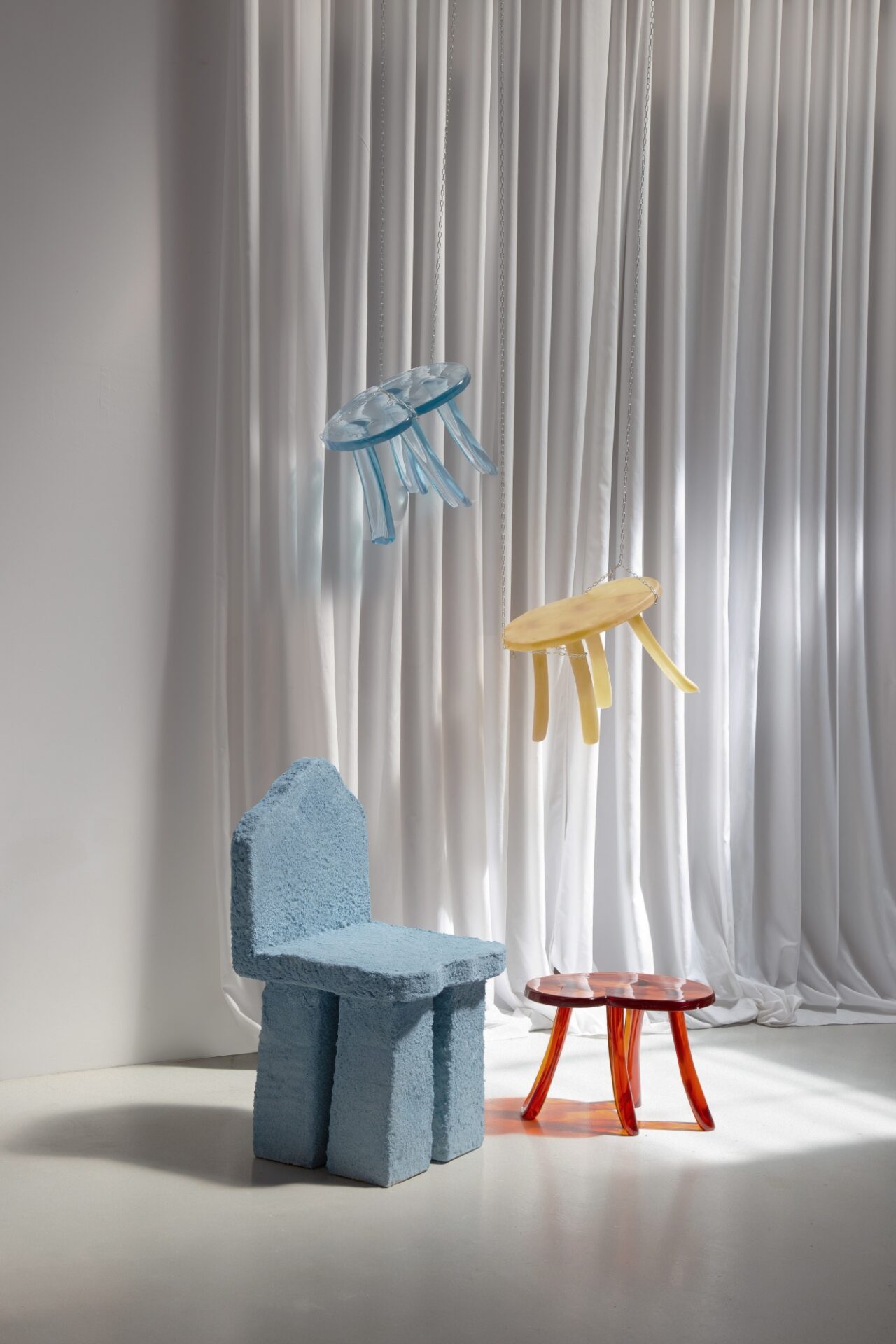 Keller’s work carries traces of two geographies: the Baltic Sea of his childhood and the Mediterranean context of his present. This duality emerges through amber-like resin forms and fluid geometries, where material becomes a vessel for memory. His collectible pieces, including the evolving Lung series, translate these references into objects that are both sculptural and functional.
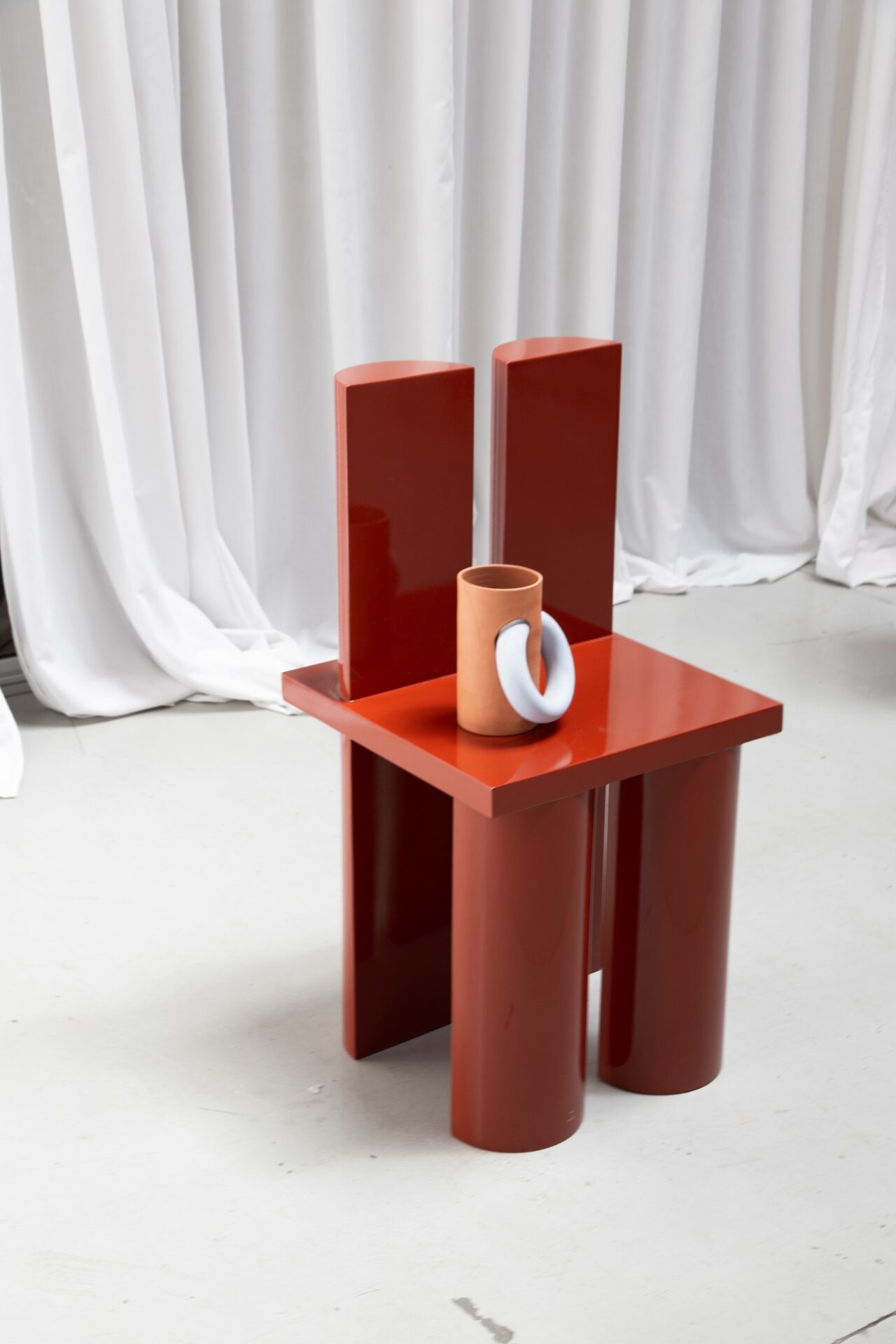 Alongside this, Danidevito introduces elements such as the Petra Chair, developed in collaboration with Pietro De Longhi, where experimental materials echo the texture of snow while retaining structural permanence. Across the installation, Alhambra’s textiles soften the setting, with linen curtains filtering light and framing the space with a tactile, atmospheric quality.