Isola at 10: Design in a State of Becoming
At Milan Design Week 2026, Isola Design marks a decade with “TEN: The Evolving Now”, a theme that positions design as a continuous process and a community event that brings people and design together. By Sindhu Nair
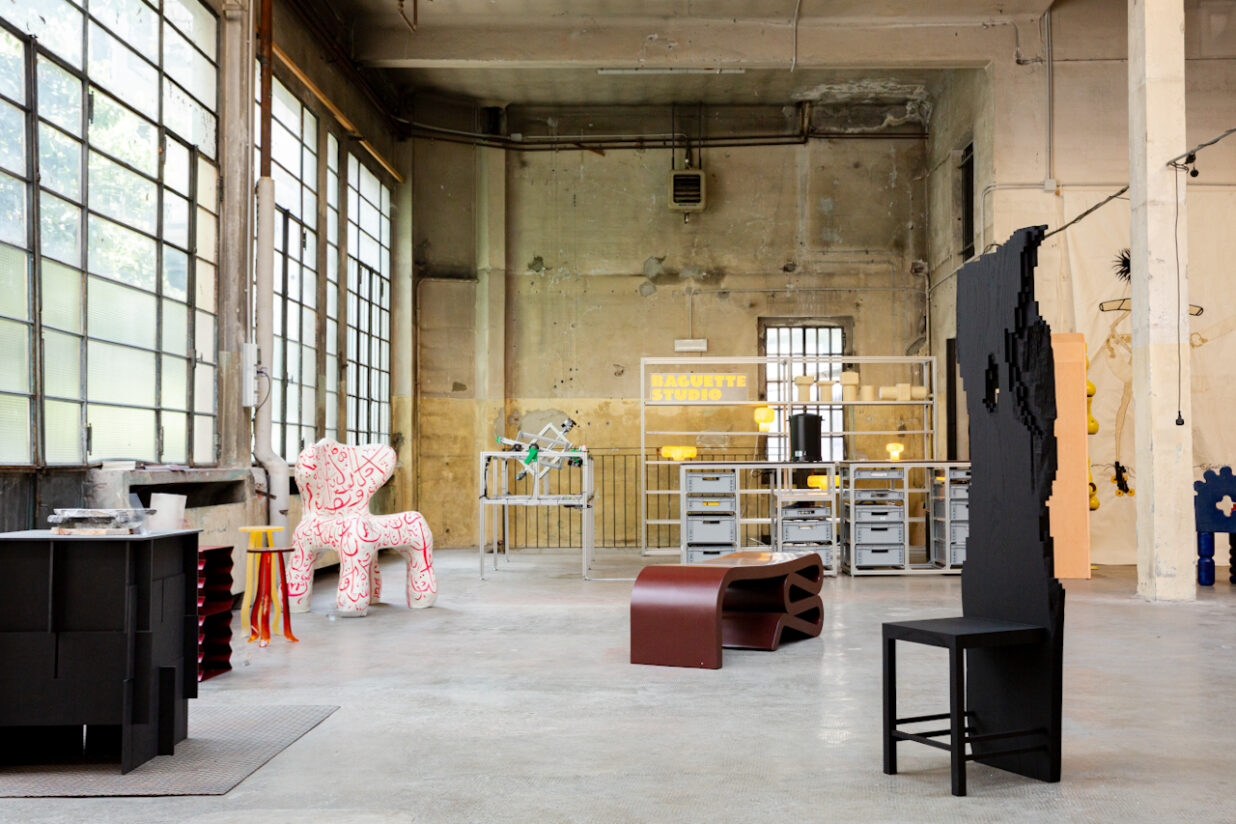
Isola Design Festival 2026, Isola Design Gallery ©Anwyn Howarth
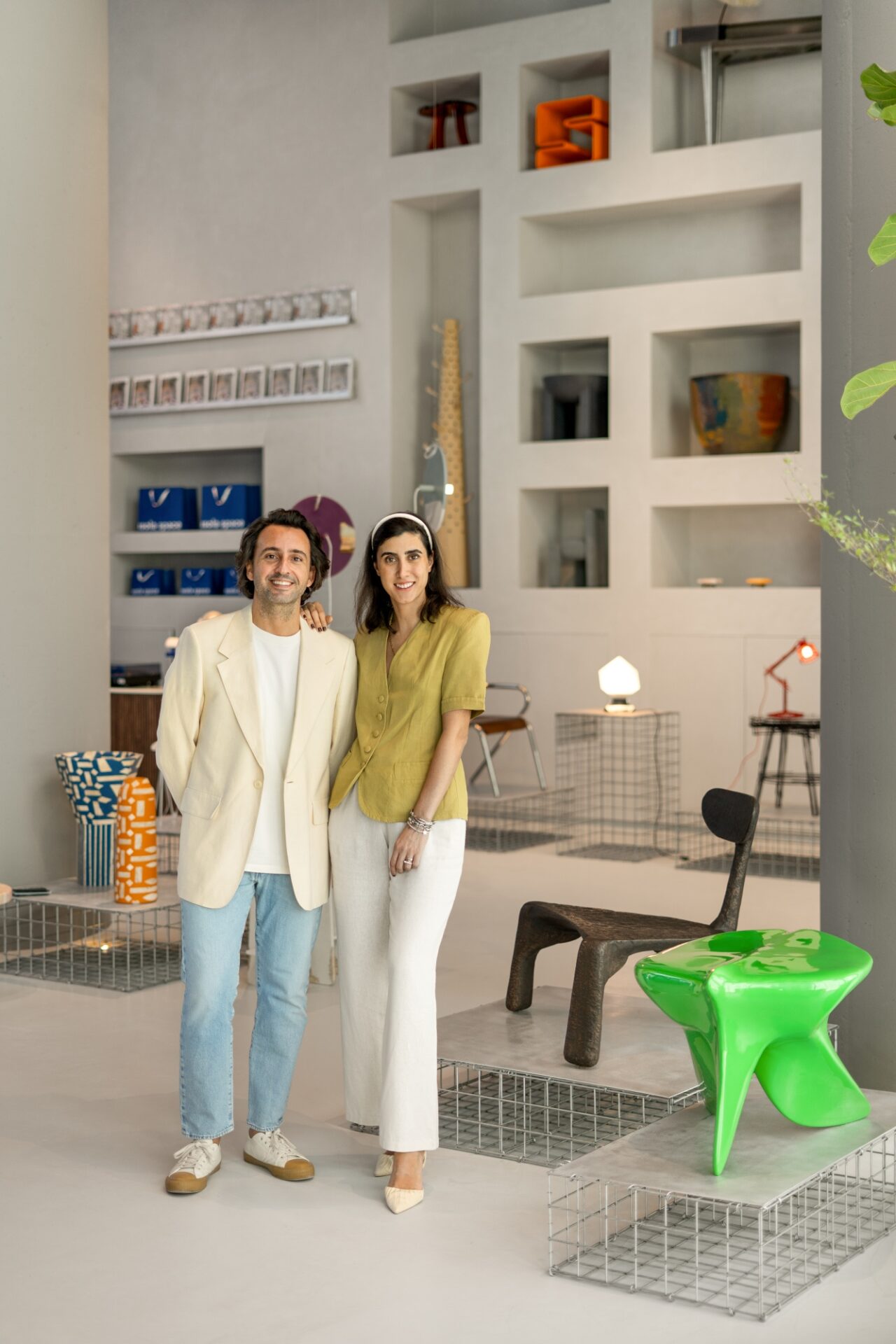
Founded in 2017 by Gabriele Cavallaro, Elif Resitoglu and Amerigo Capria, ISOLA began as a modest, neighbourhood-driven initiative in Milan. It emerged in response to a gap; young and independent designers had little access to platforms during design week, often priced out or overlooked.
A decade later, it has evolved into one of the most dynamic districts of Milan Design Week, while maintaining its core ambition: to give space, visibility, and context to voices that might otherwise remain unseen.
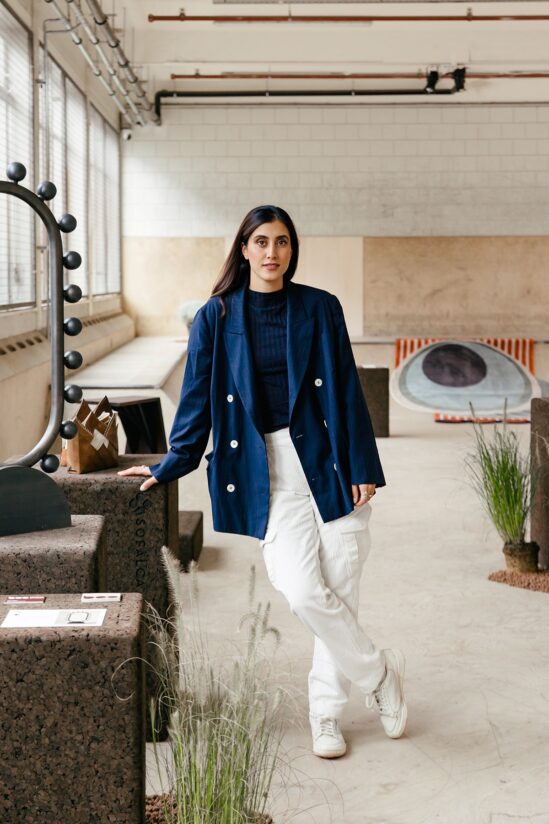
Elif-Resitoglu, co-founder and creative director of Isola Design Group ©Anwyn Howarth.jpg
Reflecting on Isola’s journey, Gabriele Cavallaro, co-founder and CEO of Isola Design Group, states: “My first home in Milan was in Isola. You could feel the neighbourhood’s energy and independent spirit. We built the first edition quite literally by knocking on doors, one by one. Few believed it could ever become a design district, so we embraced the idea of being the “Fuorisalone pirates”. Bringing together designers from around the world and working closely with local galleries and workshops, that first edition changed everything and marked the beginning of what Isola Design Group is today.”
A Return to the District
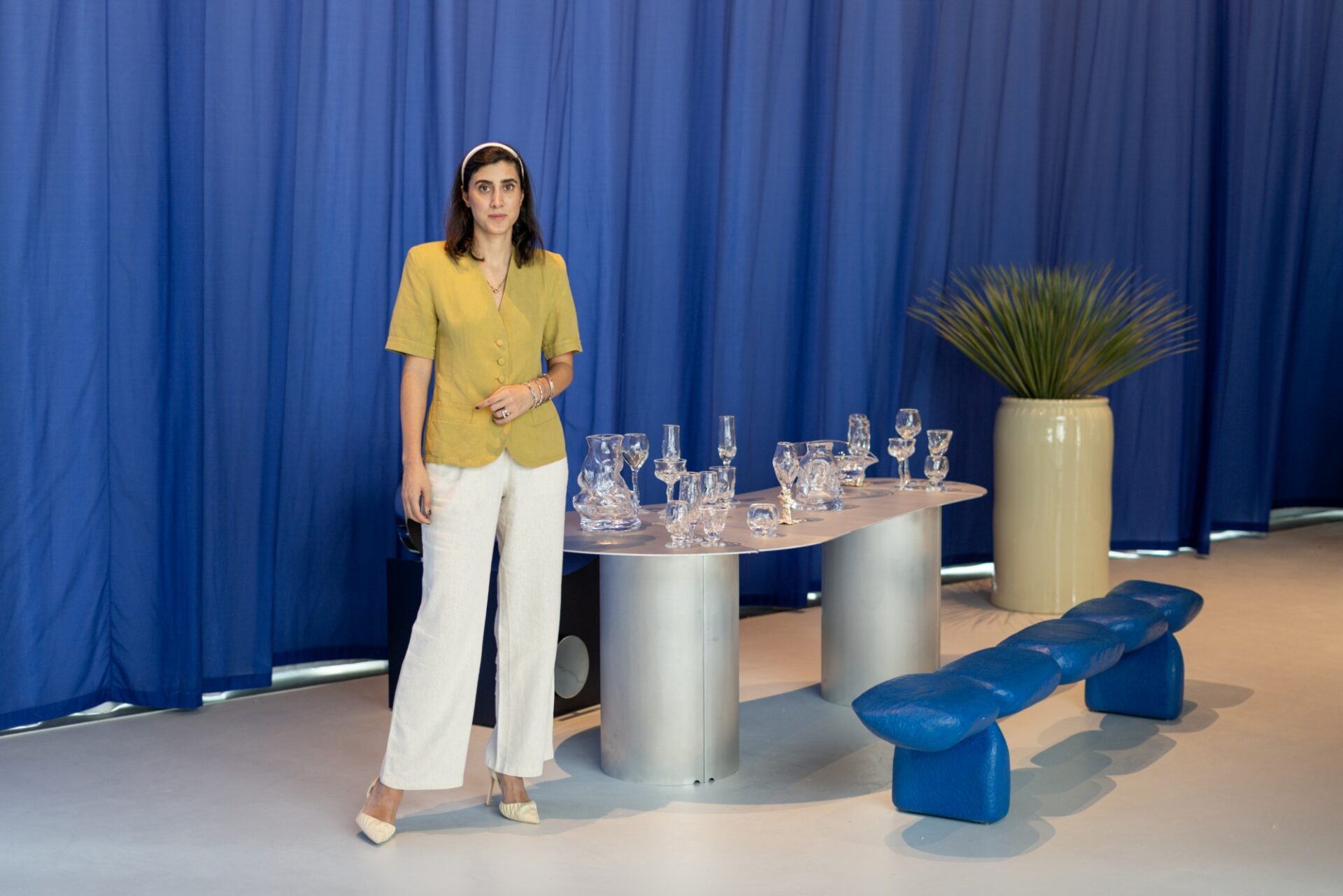
Elif-Resitoglu, Co-founder and creative director of Isola Design Group, ©Anwyn Howarth.jpg
For its 10th edition, ISOLA returns to its physical and conceptual roots. The reopening of Fabbrica Sassetti, a 1930s industrial building, as the festival’s main venue is both symbolic and strategic.
As Elif Resitoglu notes, “We started without any real ambition for recognition, just a group of young people trying to make the most of an opportunity like Milan Design Week and find our place within it.”
“At ten, ISOLA is no longer just a district, it is a way of thinking about design,” says Gabriele, “One that remains open, evolving, and deeply rooted in community.”
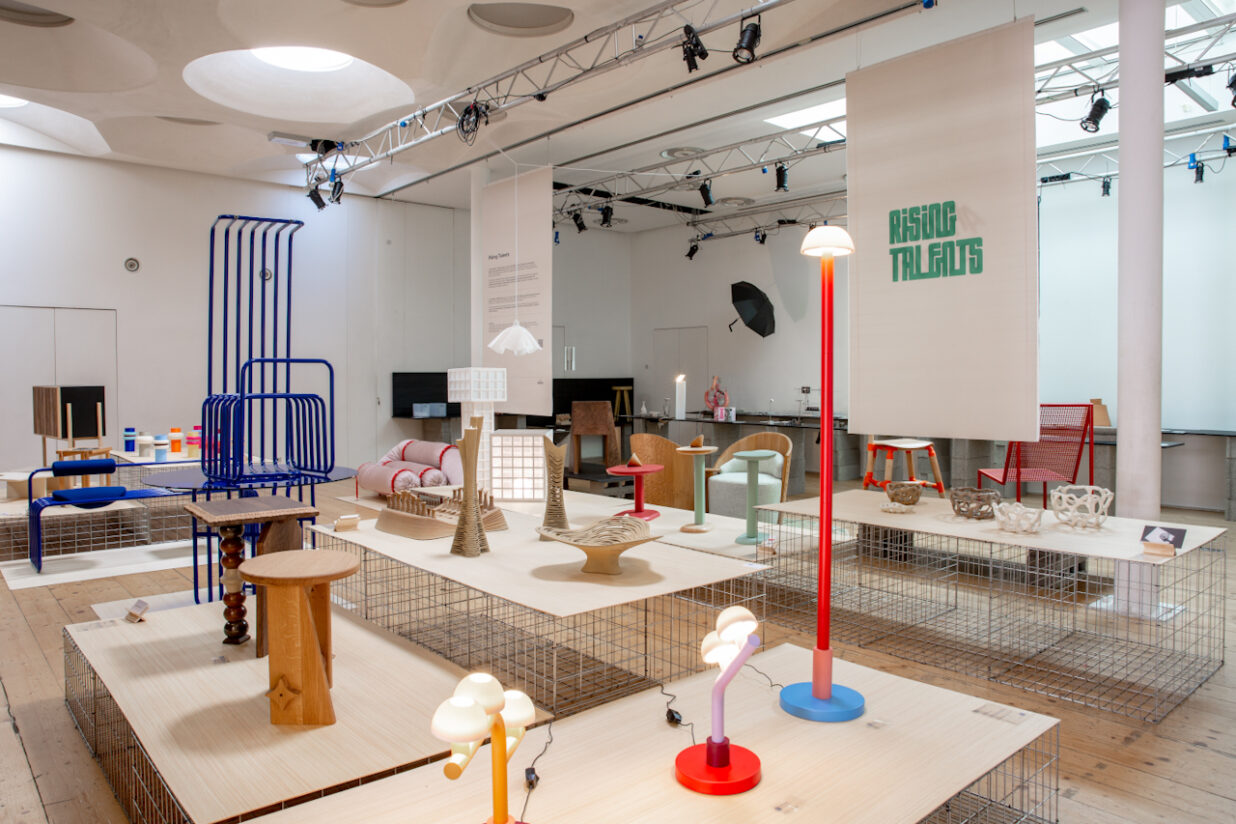
Isola Design Festival 2026, Isola Design Gallery ©Anwyn Howarth
That sense of informality, community and experimentation still underpins the platform, even as it has scaled and grown to multiple locations and countries.
That founding spirit has remained unchanged. What began as a district-driven initiative has grown into an international design network, expanding first across Europe, and more recently to the Gulf region and Dubai, where Isola Space opened the doors in November, while continuing to place people, stories, and local contexts at the centre of its curatorial vision. This 10th edition marks both a return and a continuation: a celebration of where Isola started, and of how far a community-led approach to design can travel.
Theme: “The Evolving Now”
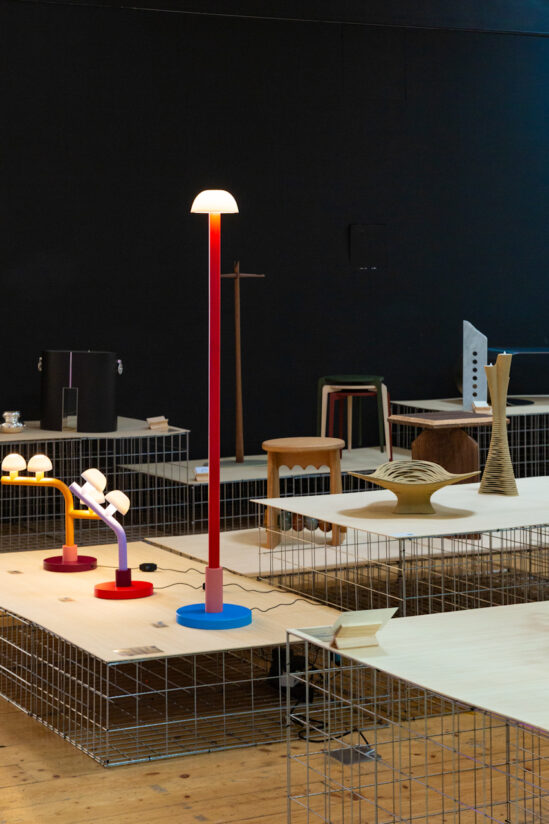
Isola Design Festival 2026, Isola Design Gallery ©Anwyn Howarth
This year, the theme for ISOLA is “Now”, which is not a static moment, according to its founders.
“Being Isola’s 10 years, we wanted something that celebrates our past, sees our present, and looks towards the future, and I think “Evolving Now” represents exactly that. To me, “now” is about the dialogue that we as Isola and the design community can have with the present as we project our future.
“TEN: The Evolving Now” reflects this fluidity, bringing together designers at different stages of their journeys, with past participants returning as established voices and new ones entering the fold.
Curation Beyond Visibility
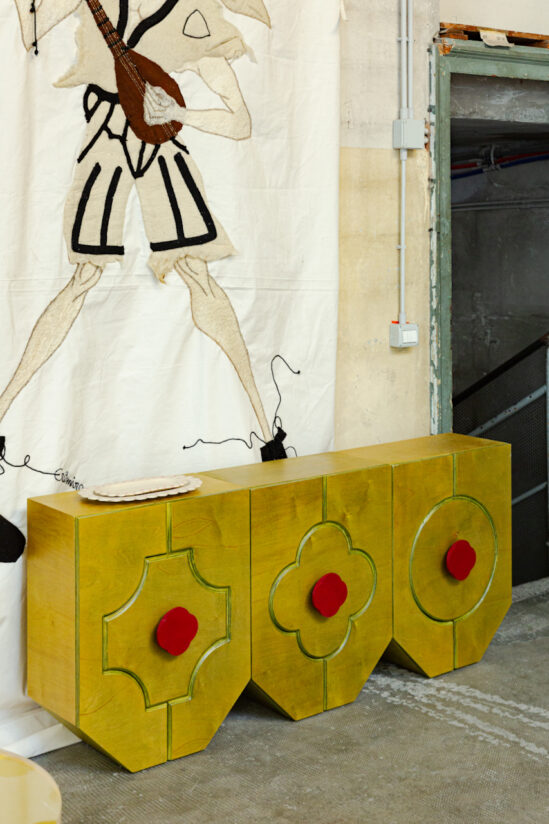
Isola Design Festival 2026, Isola Design Gallery ©Anwyn Howarth
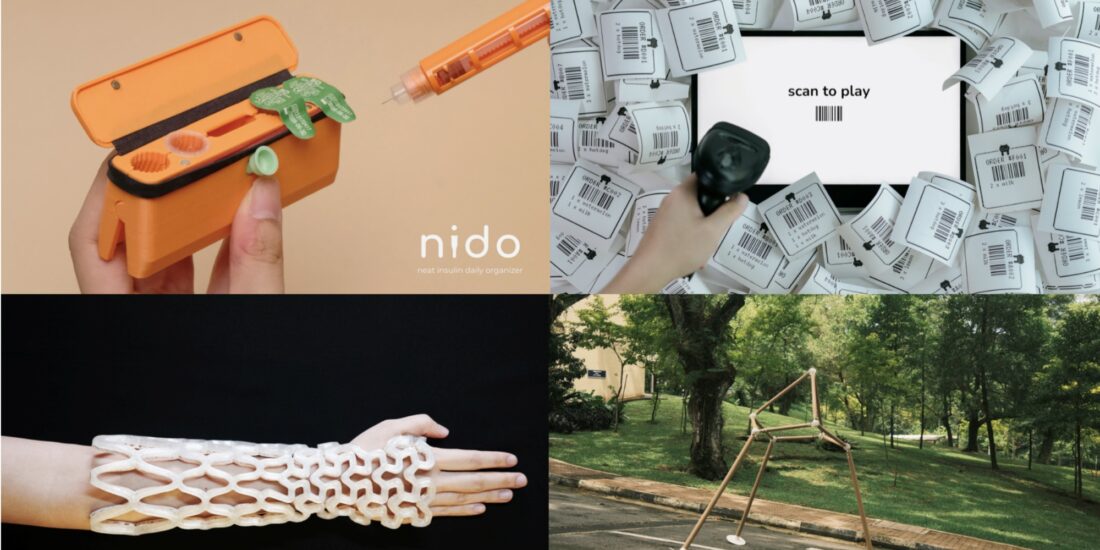
At a time when design platforms often prioritise scale and spectacle, ISOLA’s approach remains grounded in curation. Hundreds of applications are filtered through a process that focuses on alignment with each exhibition’s theme and identity.
Beyond selection, the focus is on how work is experienced. As Elif explains, “Visibility requires more than inclusion; it’s about creating the right conditions for attention and dialogue.”
For ISOLA, positioning also matters. “It involves positioning emerging or independent voices in ways that don’t frame them as secondary to bigger brands. Giving them context, space, and narrative helps shift perception from ‘background presence’ to meaningful contribution,” says Elif.
This means slowing down the way audiences engage with design, shifting from quick consumption to deeper understanding.
Emerging designers remain a priority for ISOLA, though what the word means now is entirely different from what it was.
“Emerging used to be tied mostly to age or early career stages. Now it feels more fluid. Designers can emerge at different moments, sometimes after changing disciplines, geographies, or approaches. With digital platforms, visibility can come faster, but that doesn’t always translate to sustained practice. So today, an “emerging designer” is less about when you start and more about being in a phase of exploration, experimentation, and building a distinct voice,” explains Elif.
Material, Craft, And What Comes Next
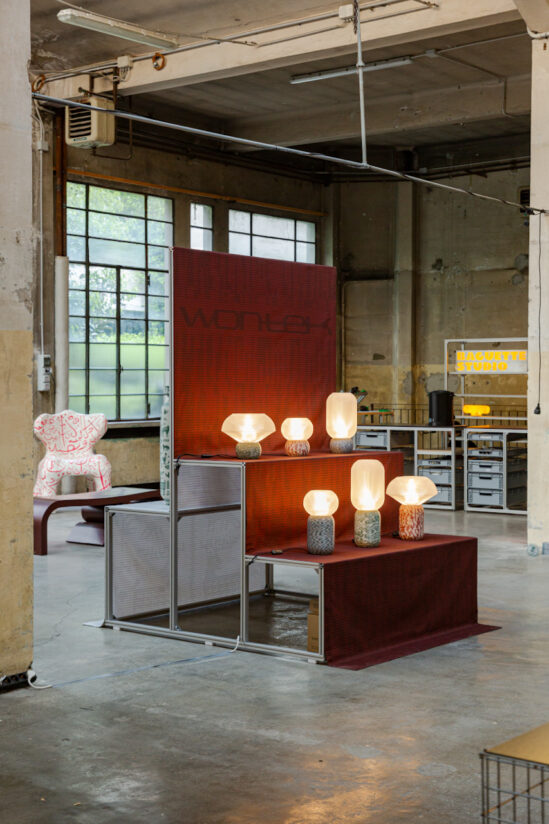
Isola Design Festival 2026, Isola Design Gallery ©Anwyn Howarth
Material experimentation, craft, and sustainability remain central to ISOLA’s programming. Exhibitions like No Space for Waste and The New State of Materials explore circular processes, reuse, and new material systems.
Yet, as Elif points out, the challenge lies in moving beyond aesthetics: “More than individual exhibitions, what we are interested in now is the next step, how this language can evolve into a real ecosystem.”
From Milan to A Global Network
From its beginnings in Milan, ISOLA has expanded into a global platform, with activations across Europe and the Middle East, including its presence in Dubai.
Still, its growth is measured against a consistent internal question: how to scale without losing independence. As Elif reflects, the platform continues to “question formats and stay independent in its thinking,” even when working with larger institutions.
Programmes That Define this Edition
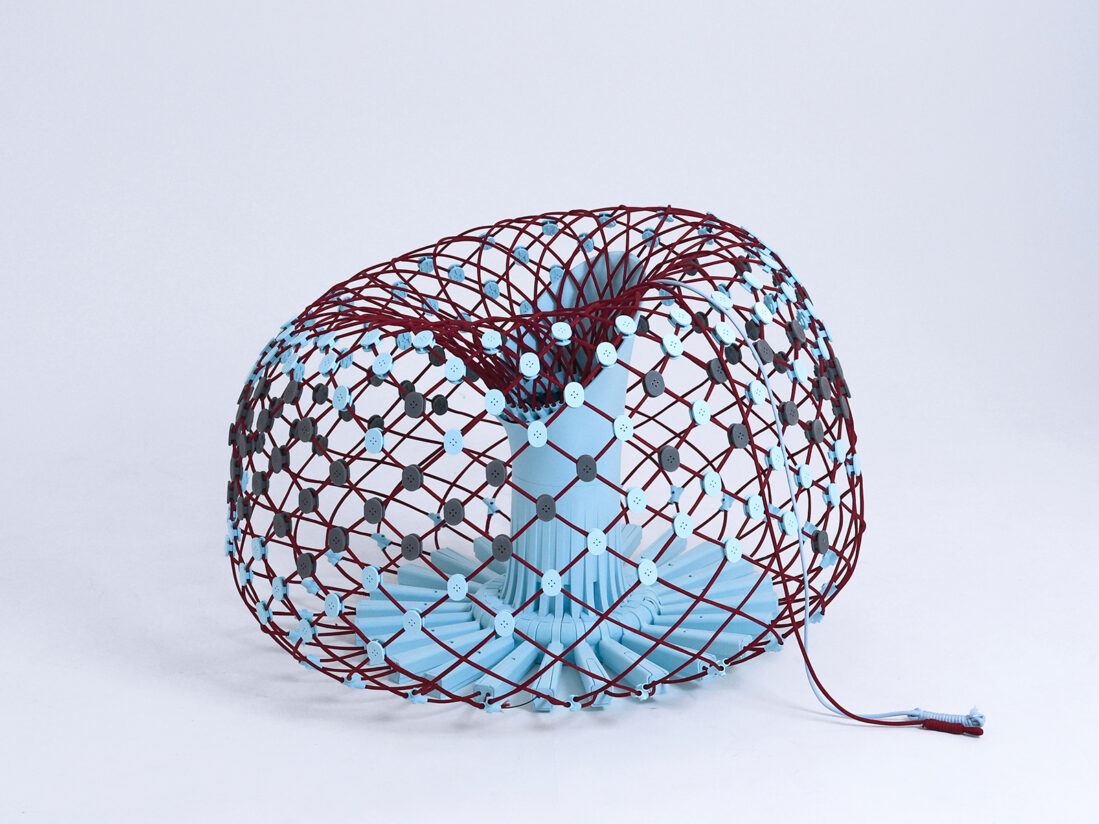
Isola-Design-Festival 2026, No Space for Waste, Reflat pack sofa by Jisu Yoon, ©JisuYoon.jpeg
The 2026 programme revisits and expands key formats:
Isola Design Gallery
Rising Talents
No Space for Waste
Rasa: The Indian Collective
Archivi Futuri
Ithra Showcase
Together, these exhibitions reflect ISOLA’s layered approach, where craft, research, and cultural narratives intersect.
Looking ahead, the question is about sustainability and what to take forward.
For Elif, the answer lies in continuity and change, “As we grow, we want to remain with the same soul, but engage with larger structures, to shape what comes next.”
We guide you to 10 design firms that caught our attention this year.
Strata
Isola Design Gallery
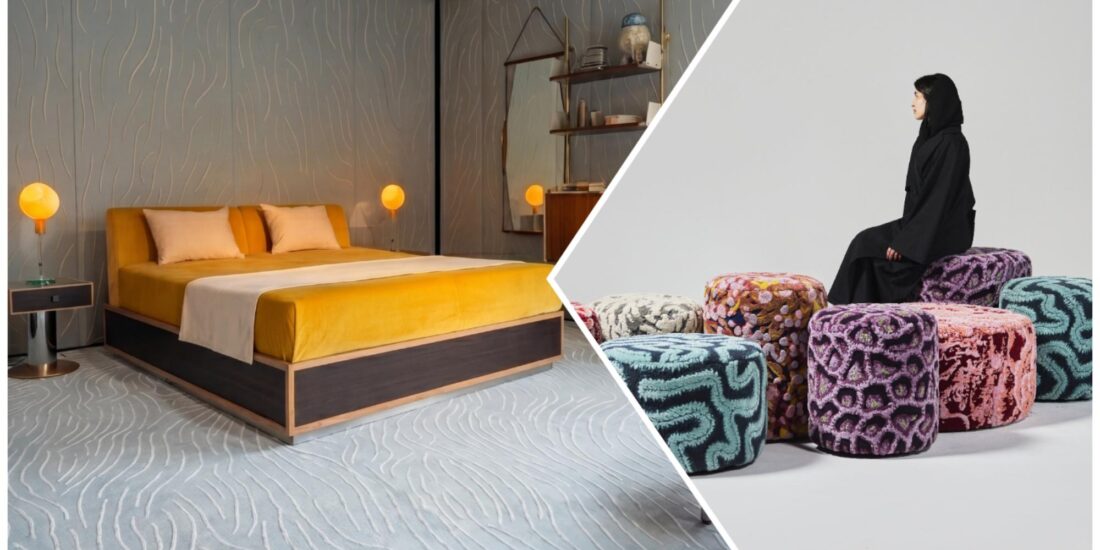
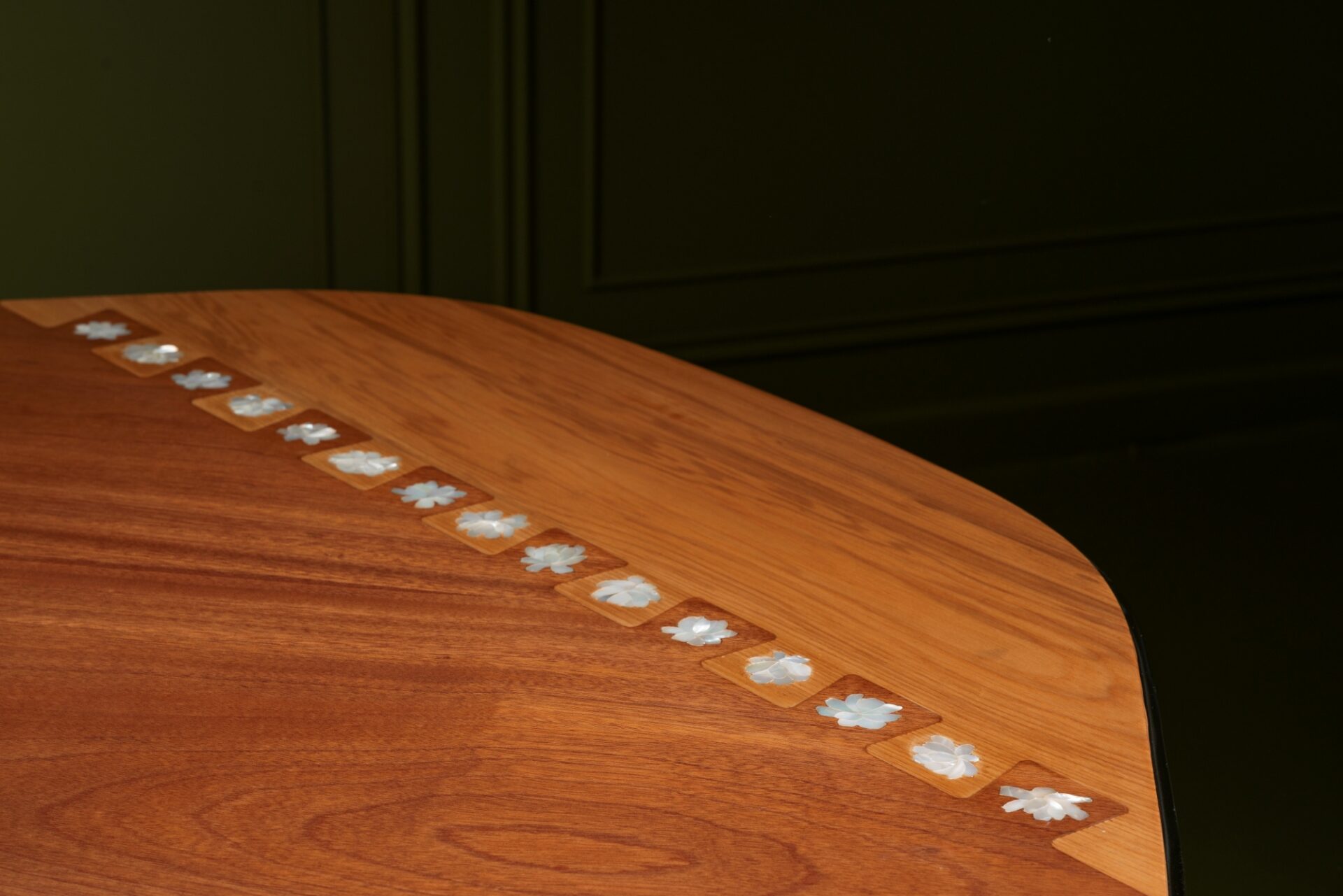 STRATA is a mother-son design studio with 25 years of crafting bespoke interiors and artisanal furniture.
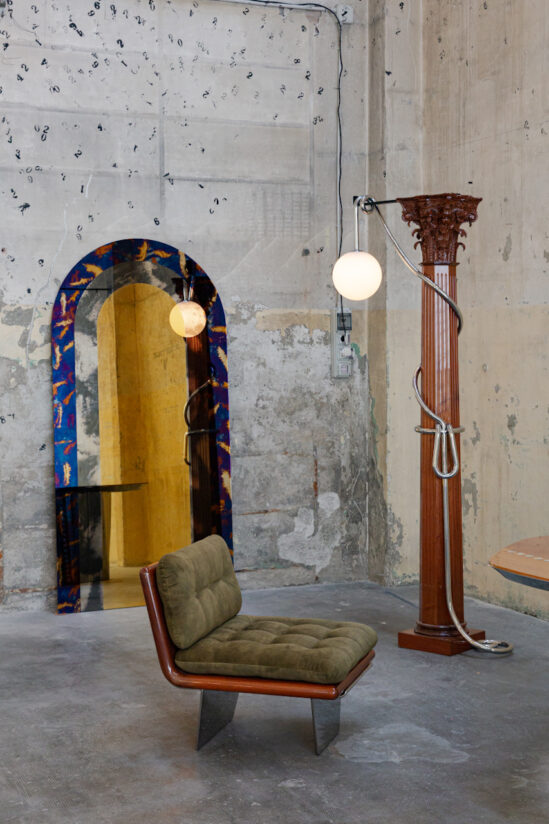
Isola Design Festival 2026, Isola Design Gallery @Anwyn-Howarth
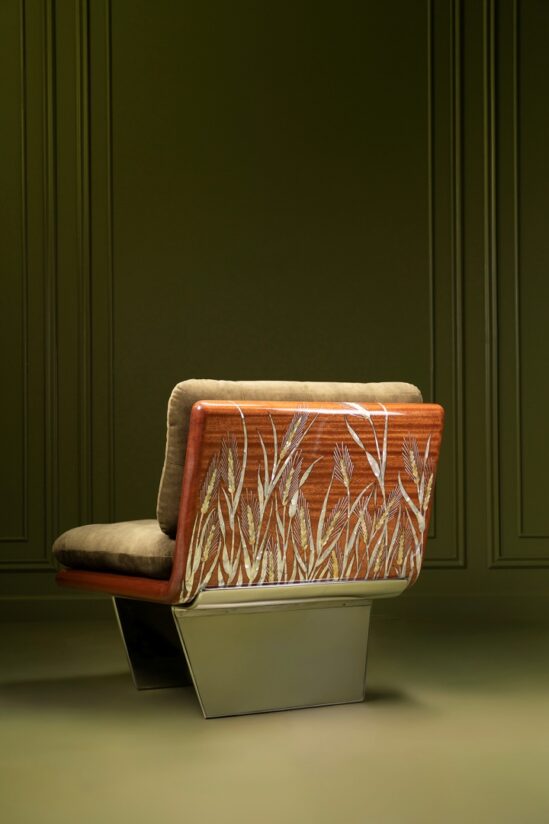
Strata works with generational craftsmen, preserving centuries-old techniques while blending styles and periods seamlessly.
Ashni
Rasa Collection
 Priti Mehta founded Ashni with a simple belief that women artisans deserved opportunity. The firm’s artisans work with sustainable materials, where every light is handcrafted. Their vision is to build a brand where craftsmanship and sustainability grow together.
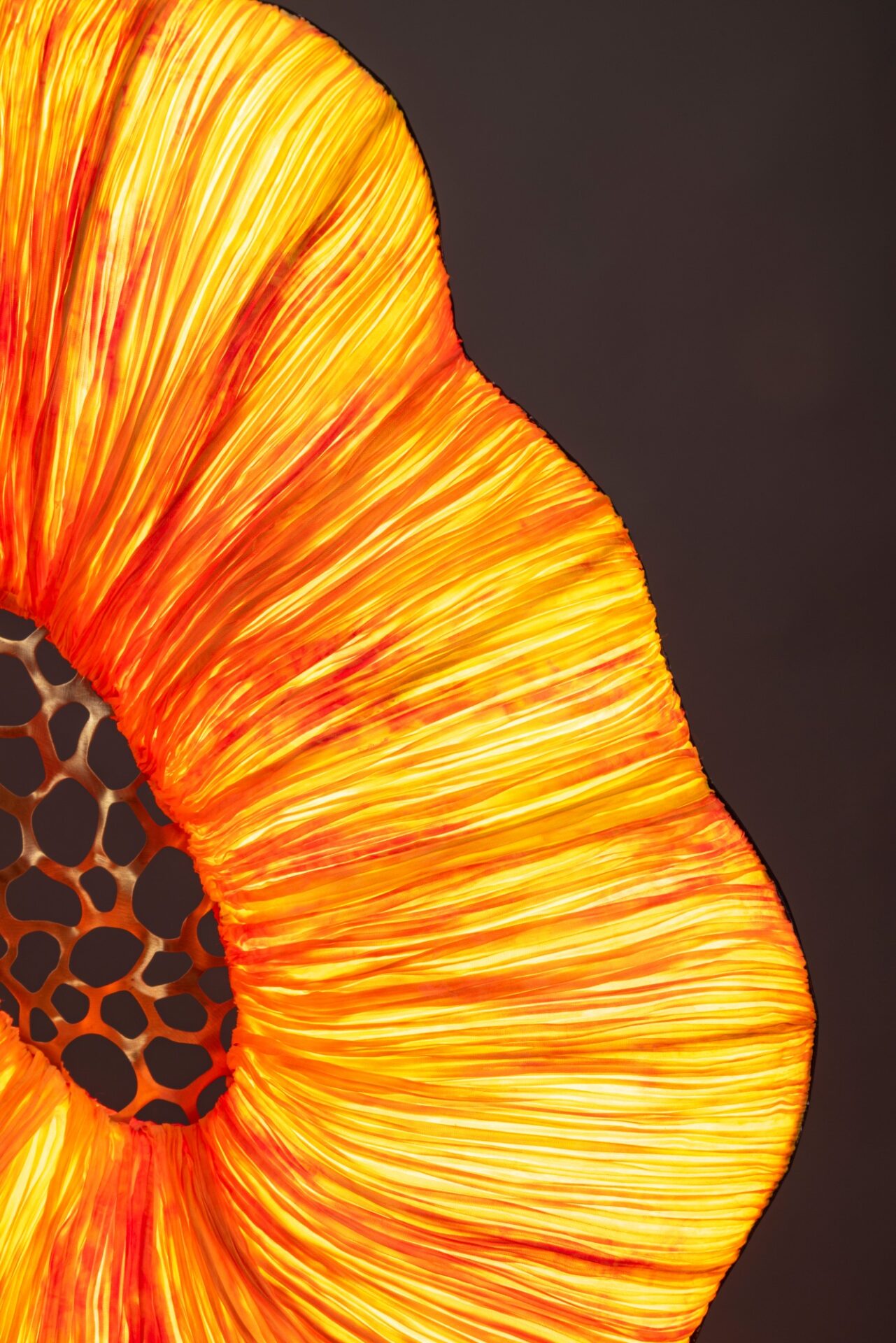
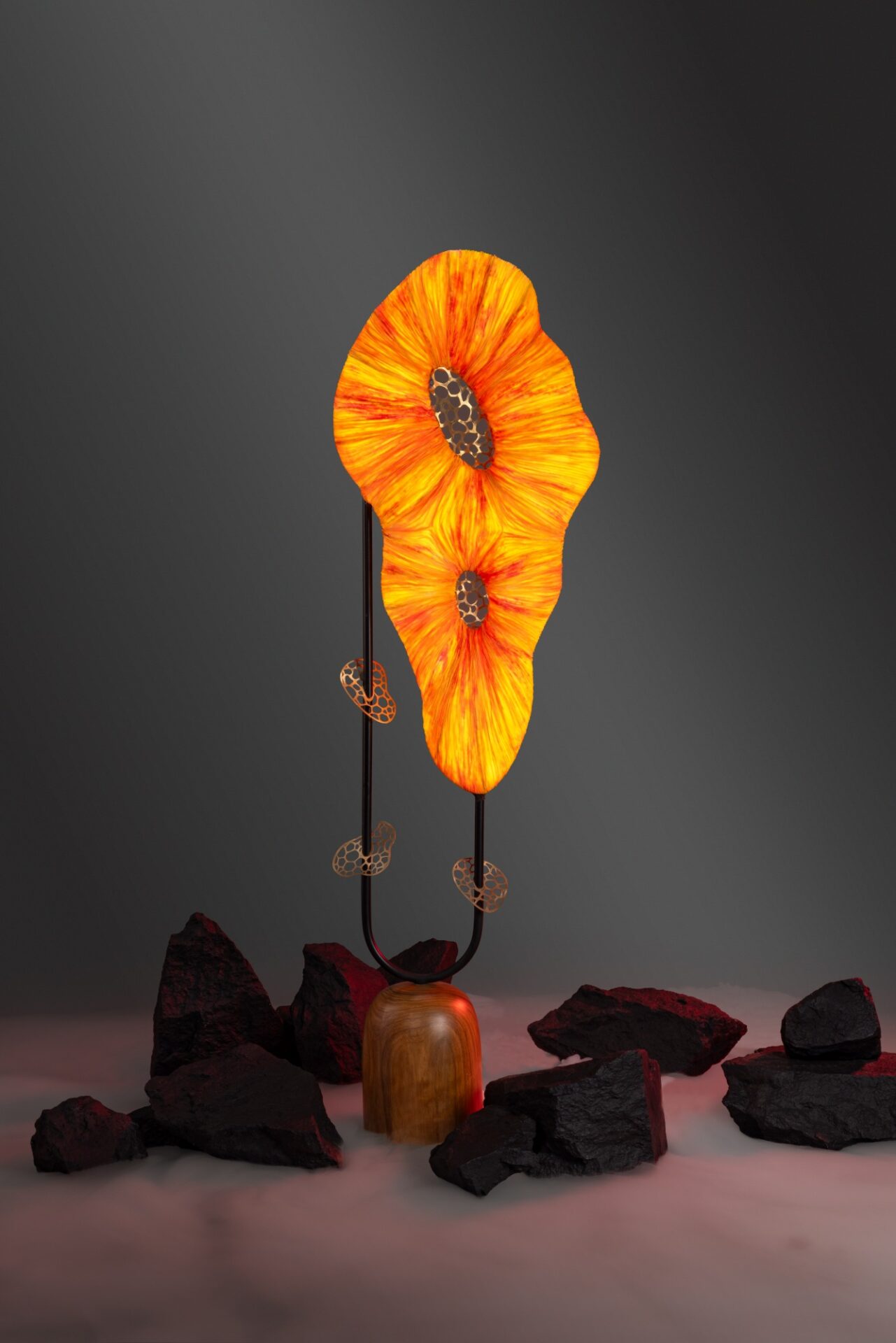 Ignis, created by Ashni, is a luminaire shaped by transformation, drawing from the raw energy of molten magma as it flows, cools, and takes form. Sculpted in soft, organic contours and finished in hand-dyed Bandhani fabric, each piece carries the unpredictability of nature and the intimacy of craft. The result is a light that feels both elemental and human, where tradition and material come together in a quiet, glowing presence.
Padaipu
Rasa Collection
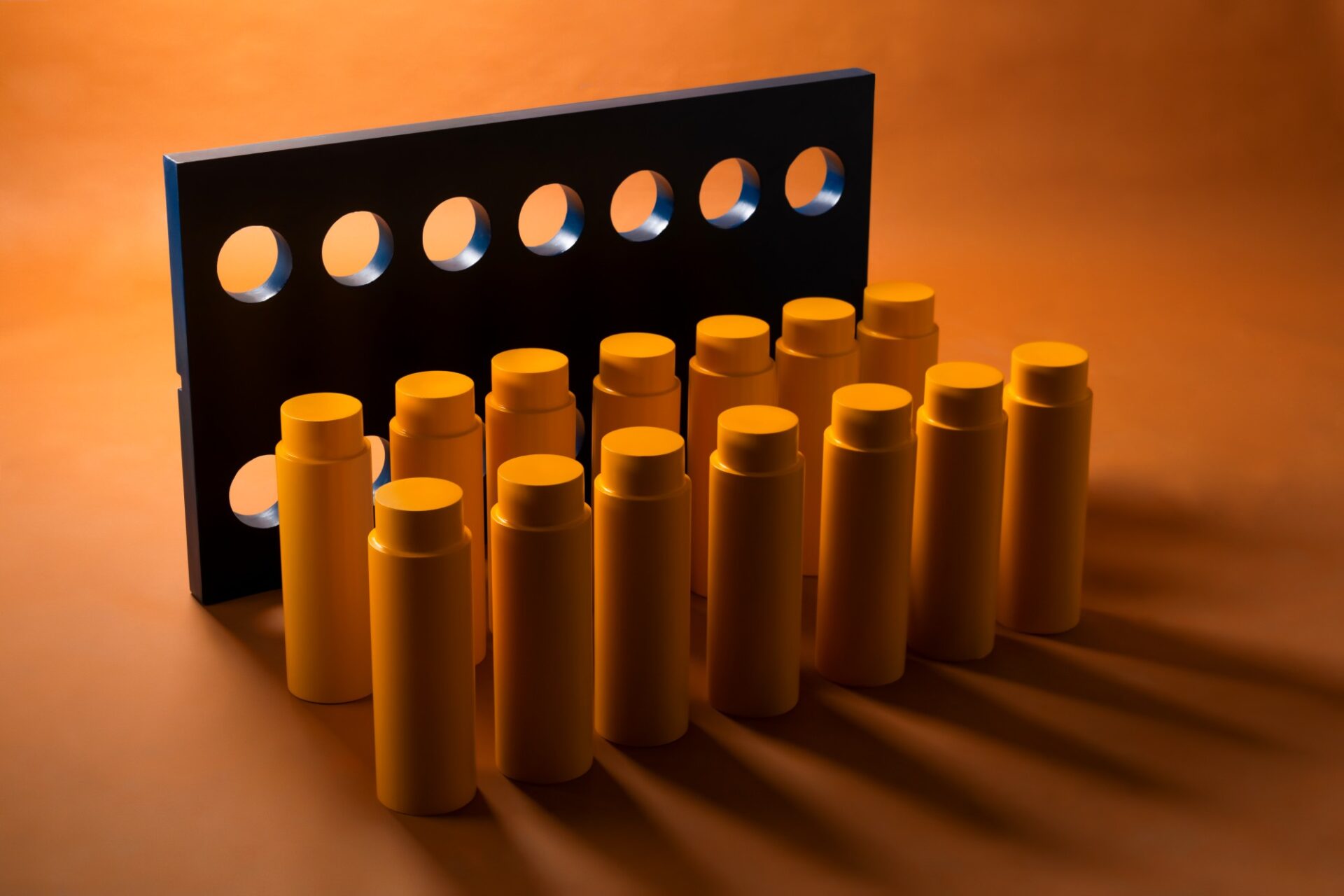 Inspired by the traditional Tamil game pallankuzhi, Kuzhi is a coffee table that brings memory into a contemporary setting. Designed by Padaipu, an architecture and design practice, the piece reinterprets the game’s familiar circular rhythm through carved impressions and measured geometry.
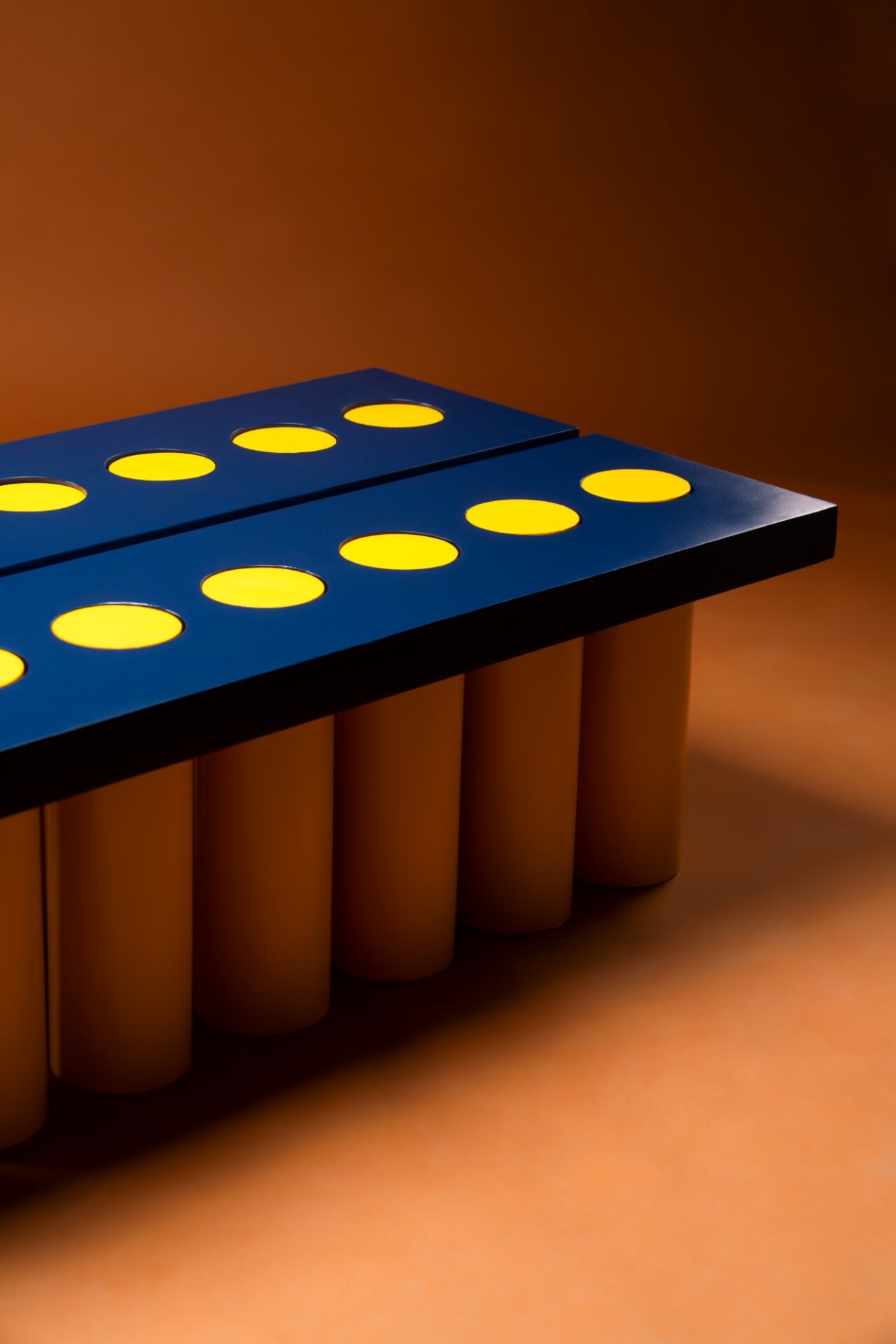 The circles create order across the surface, guiding how objects rest and catch the light. Rather than treating tradition as ornament, Kuzhi carries its logic forward through touch, repetition, pause, and placement.
Grounded in a modern material language, the table becomes both a functional object and a cultural trace. It holds everyday objects, but also holds memory, allowing a familiar rhythm to continue within contemporary life.
Archeomaterico + chroma
No Space for Waste
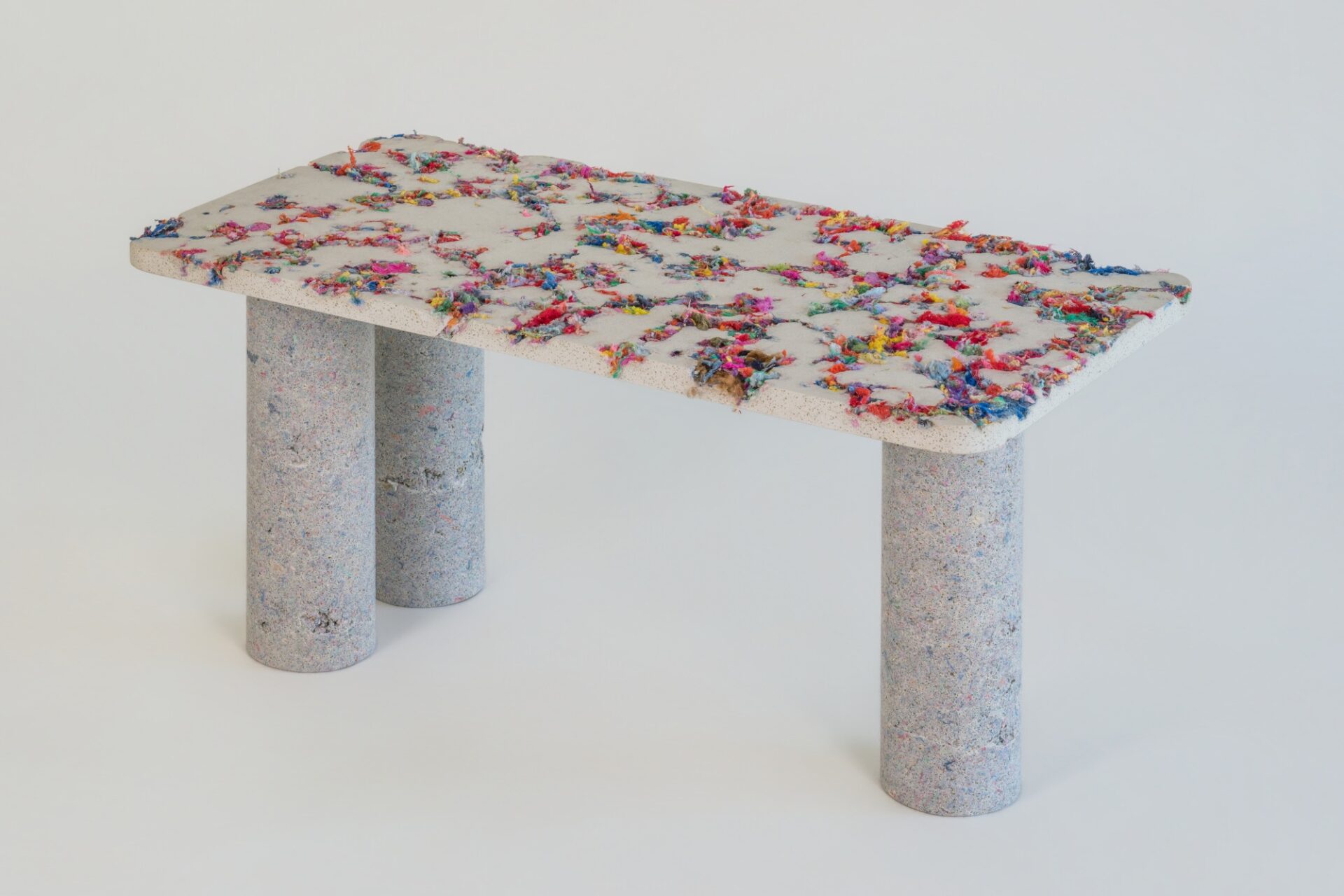 Gli Straccivendoli, created by Chromaterico, is a collection shaped through material reinvention, emerging from a collaboration between
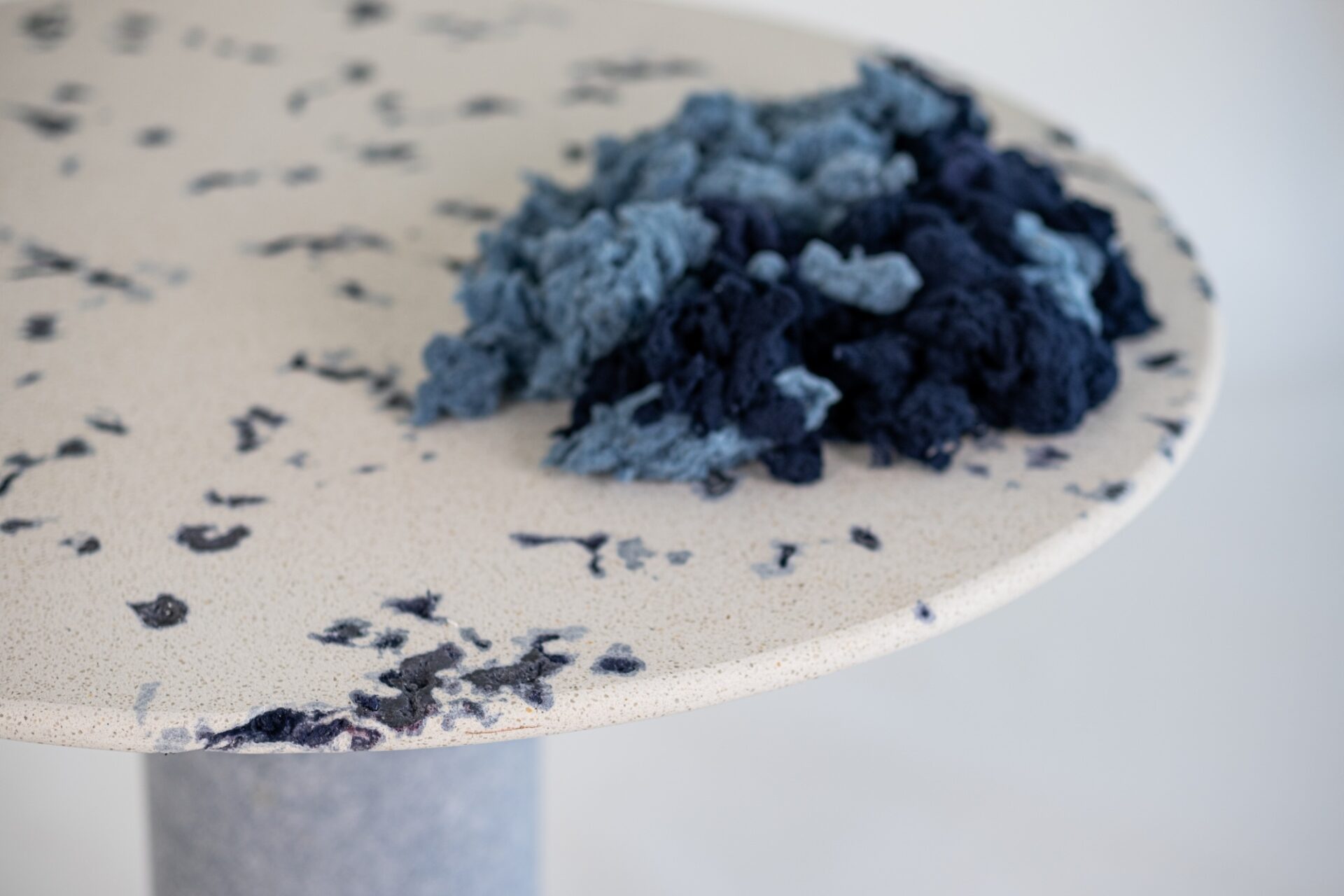 Archeomaterico and Chroma Composites. Rooted in the reuse of textile waste, the project transforms discarded fibres into a new composite material, combining Archeomaterico’s recycling process with CHROMA’s proprietary Mersus technology. The result is Textilite, a textile stone that redefines waste as a resource, offering a tangible shift in how materials can move through the fashion and design supply chain.
Mr John’s Goods
Rising Talents
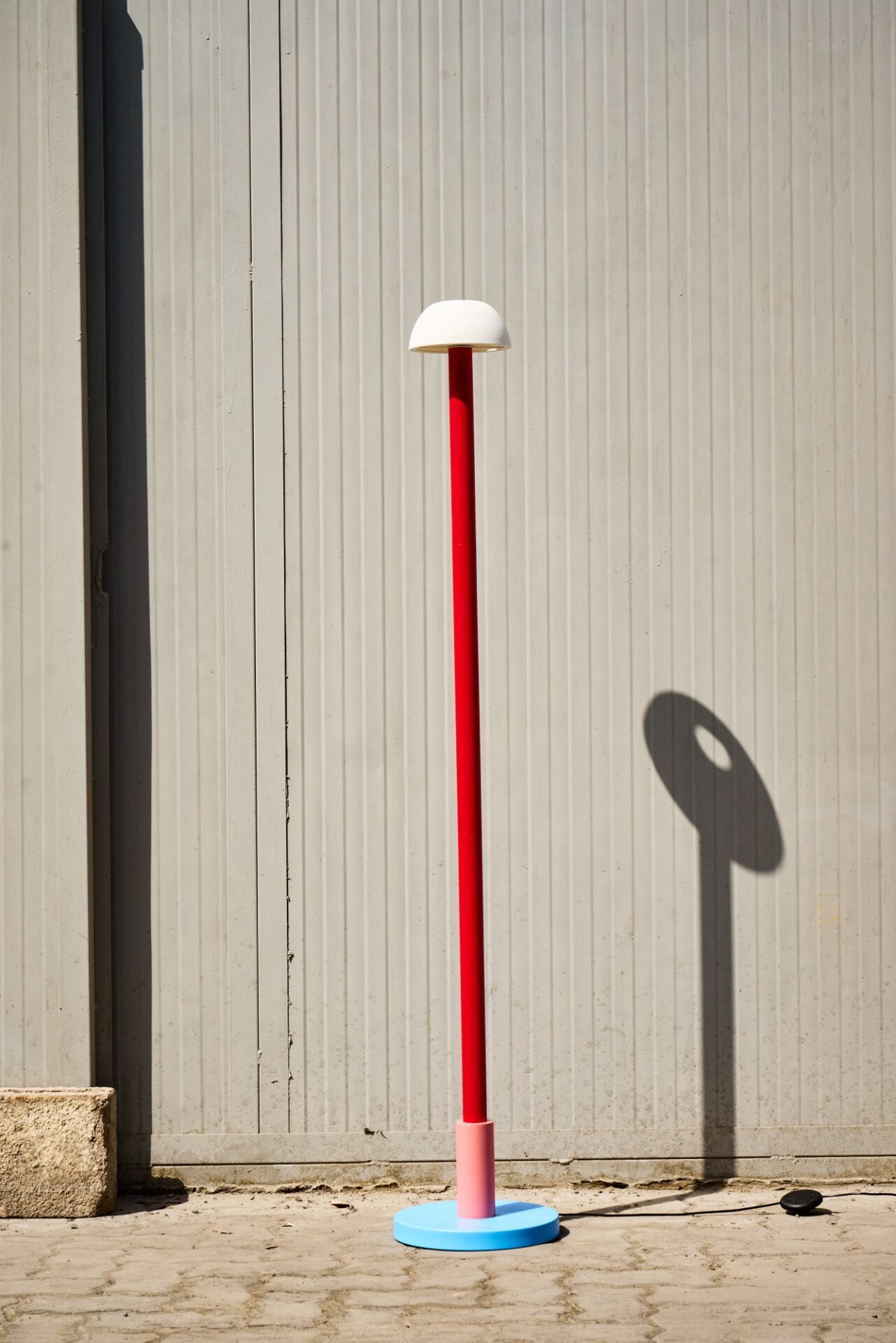 Woaw, created by Mr John’s Goods, is a playful lighting collection that reimagines the classic candelabra through the lens of everyday objects and childhood nostalgia. Crafted in steel with ceramic shades, the lamps explore bold colour blocking and varied arrangements, balancing simplicity with a sense of fun.
 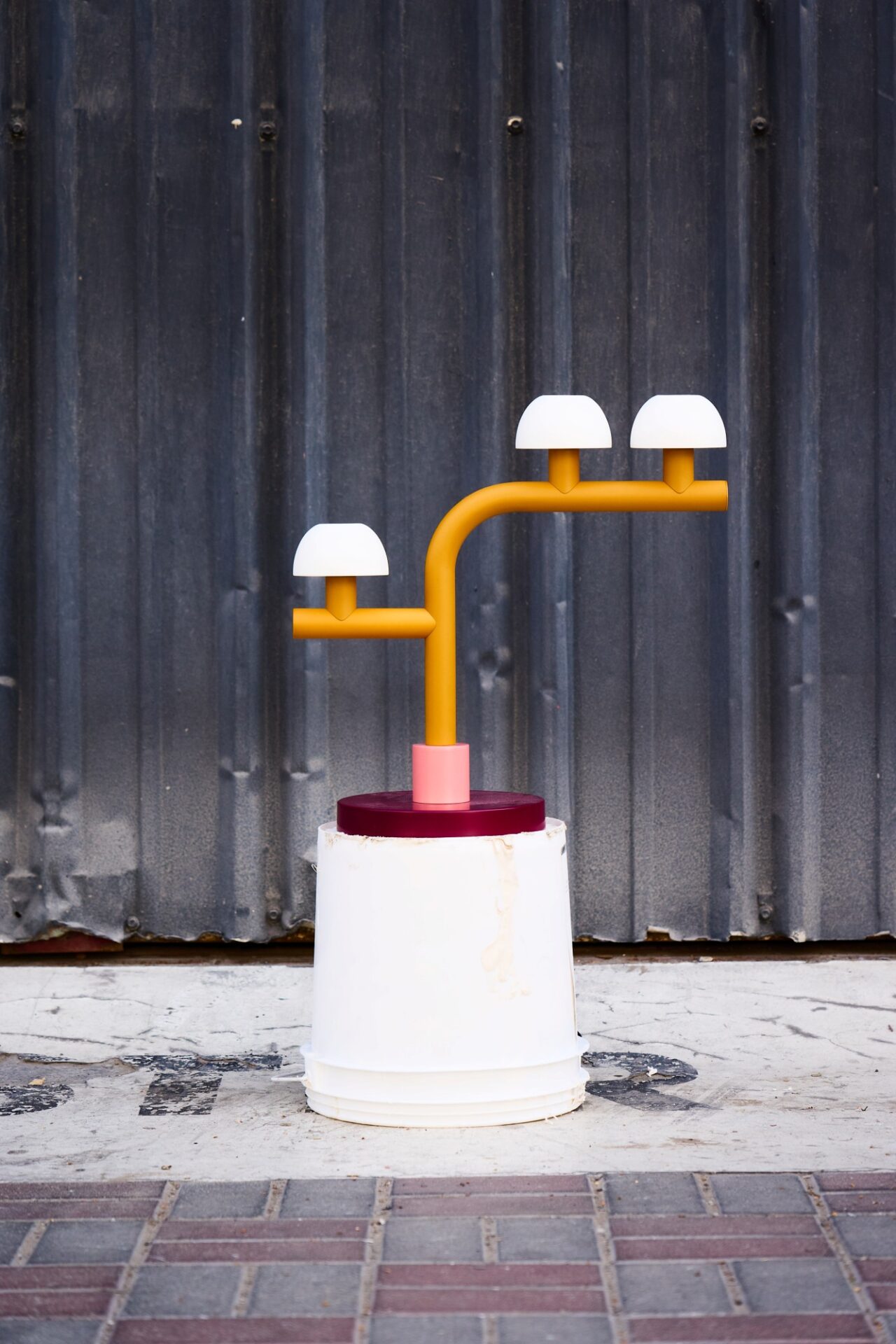 Designed for accessibility, the collection is affordably made and comes with universal plug compatibility across the US, EU, and the UK markets, along with CE and ETL certifications, bringing character and ease into everyday living.
Pablo Sinan
Archivi Futuri
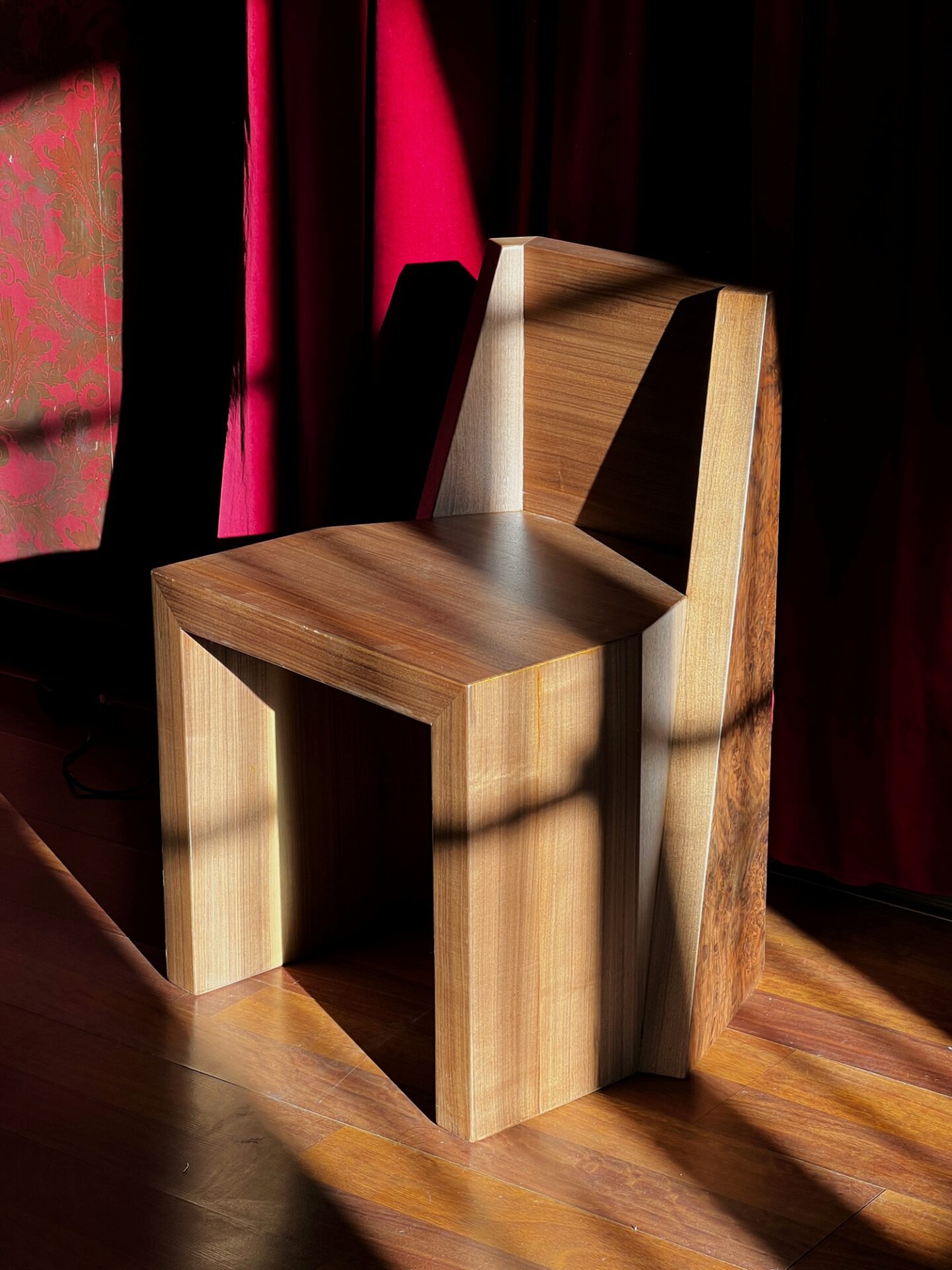 This furniture collection by Pablo Sinan is shaped by a close reading of material, each piece drawing out its inherent qualities while quietly opening conversations around community, belonging, and culture.
Koza, meaning cocoon, translates ideas of protection into a bold, almost brutalist chair. Veneered in two distinct cuts from the same walnut tree, solid walnut and burl, it carries both contrast and continuity within a single form.
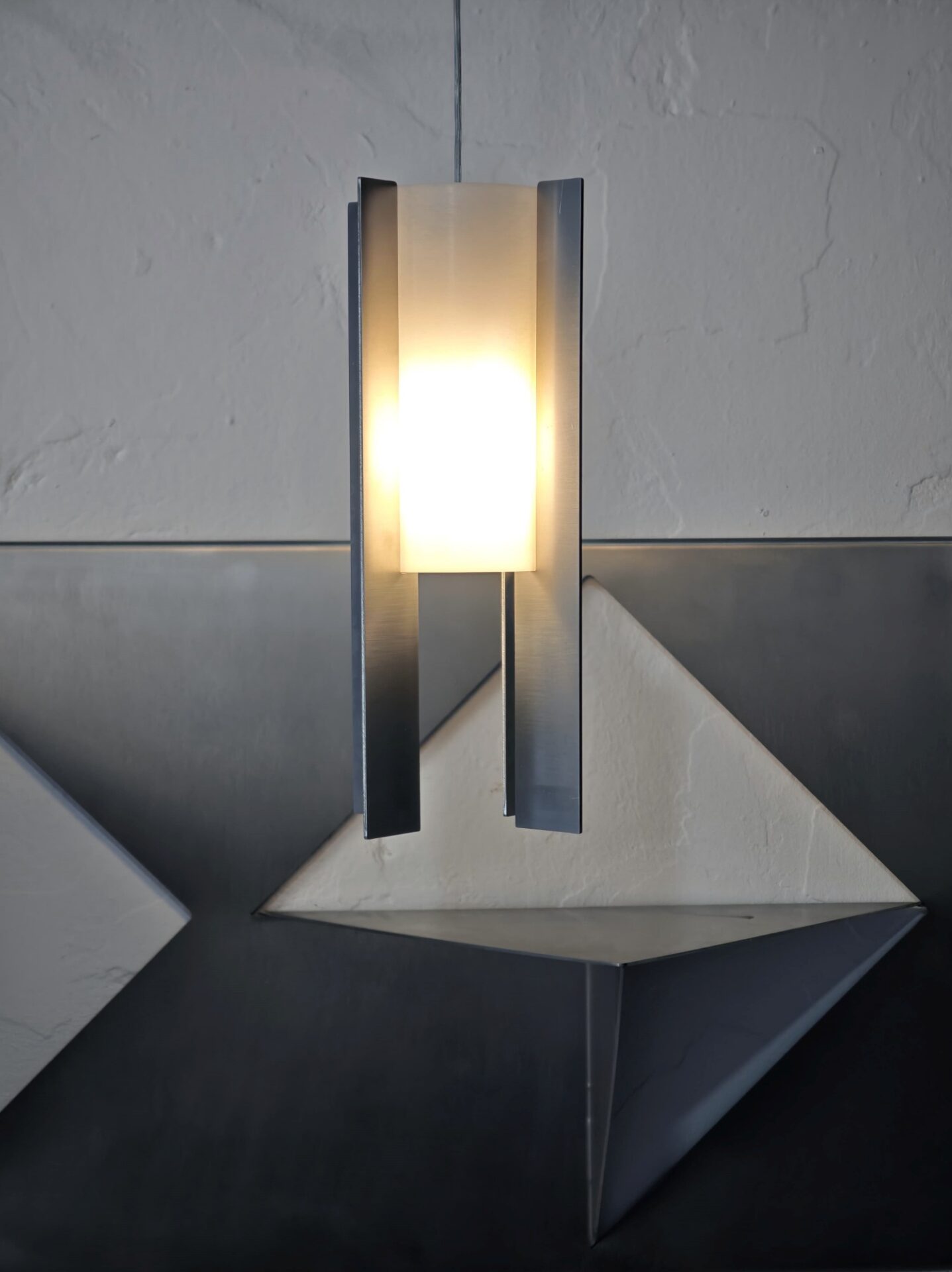 Lumix Pendant continues this clarity, constructed from two thin stainless-steel sheets, precisely formed into a clean, understated silhouette.
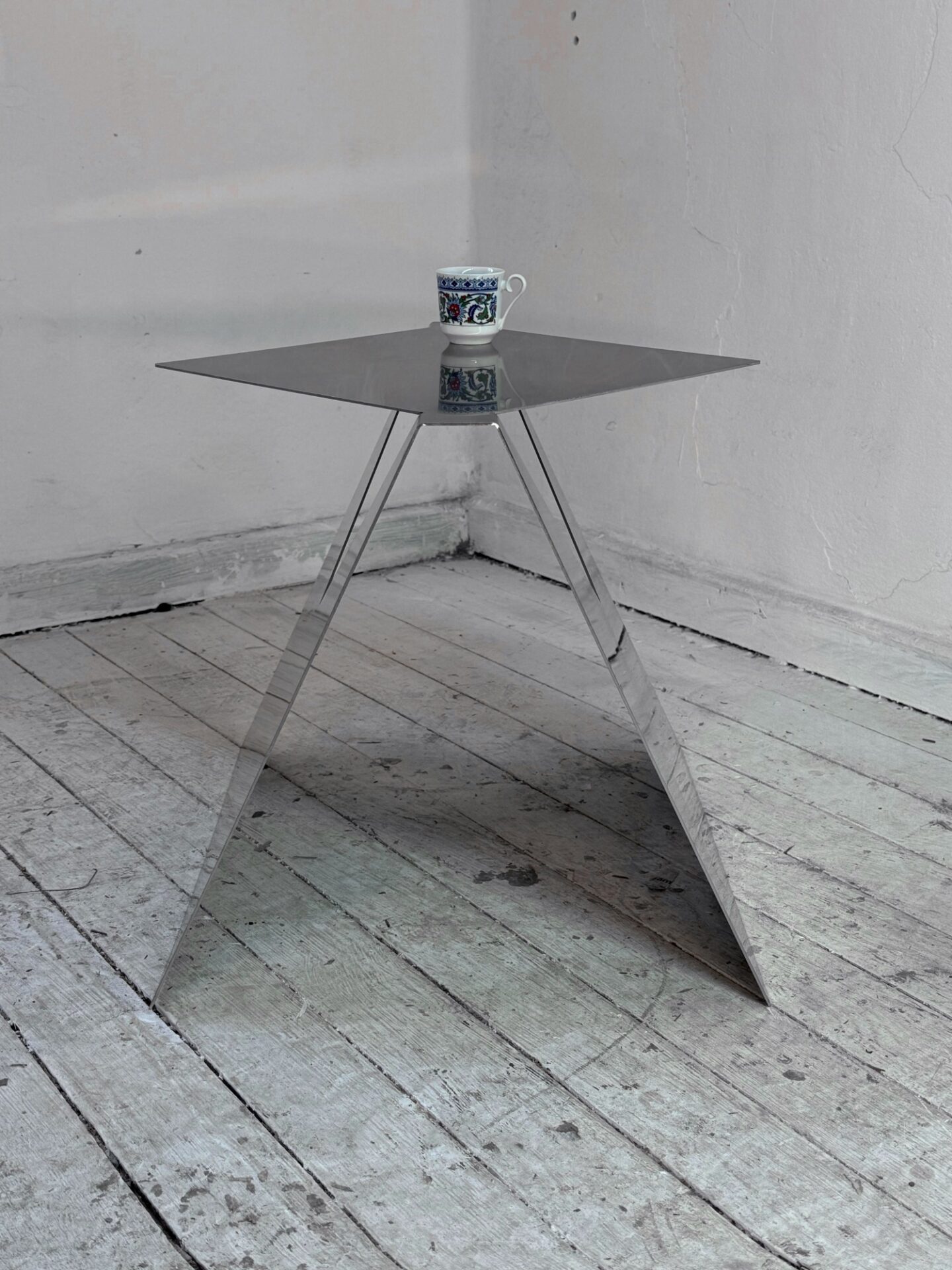 Tuzluk Side Table, made from a single laser-cut sheet of stainless steel, is shaped entirely through cutting and folding, with no added elements, standing as a quiet study in material efficiency and restraint.
Arredatore Design Studio
Rasa Collection
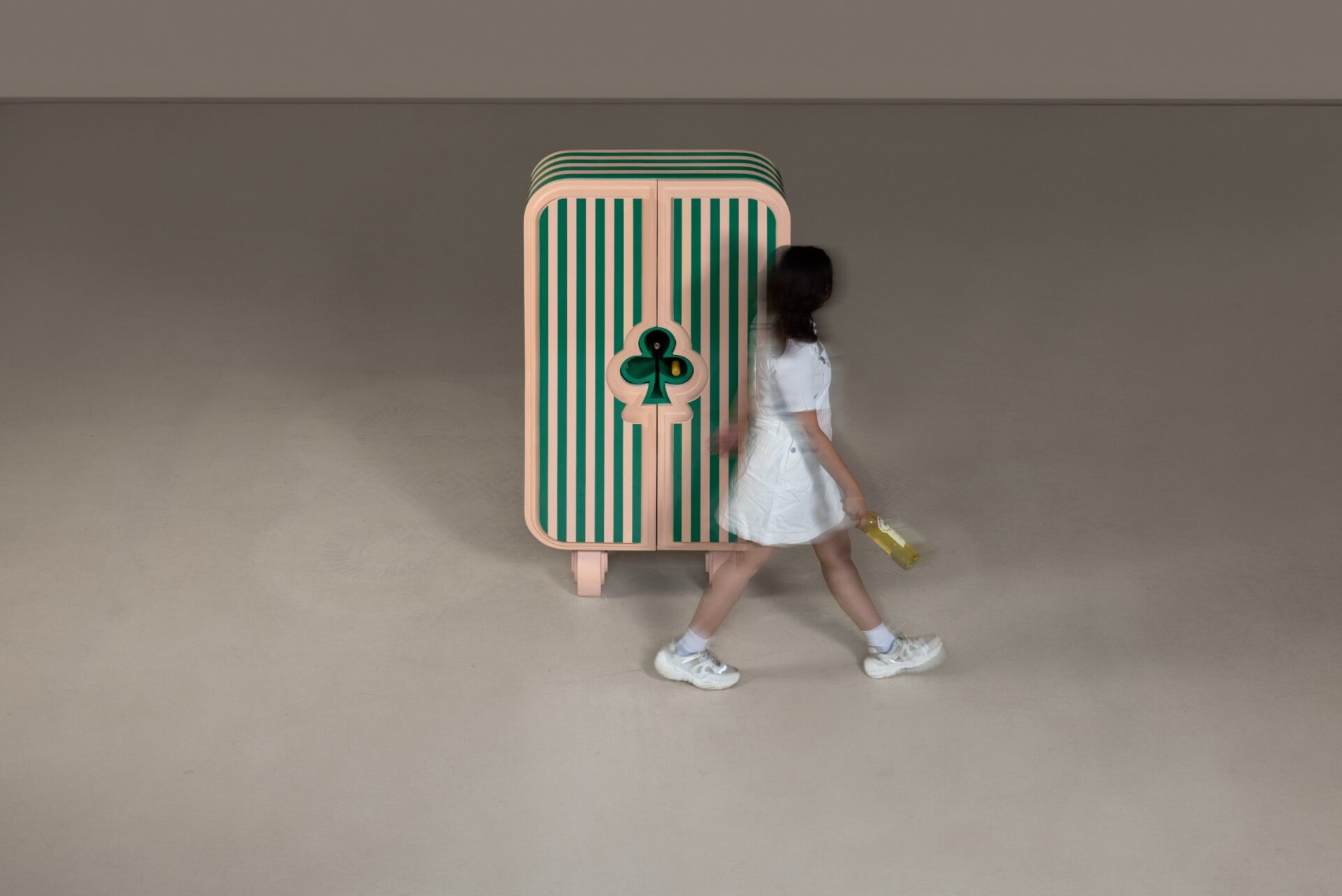 Canasta, created by Arunika Sarkar of Arredatore Design Studio, is a bar cabinet that leans into the expressive energy of postmodernism. Moving away from minimal restraint, it embraces bold colour, sculptural form, and a sense of nostalgia, balancing flair with functionality.
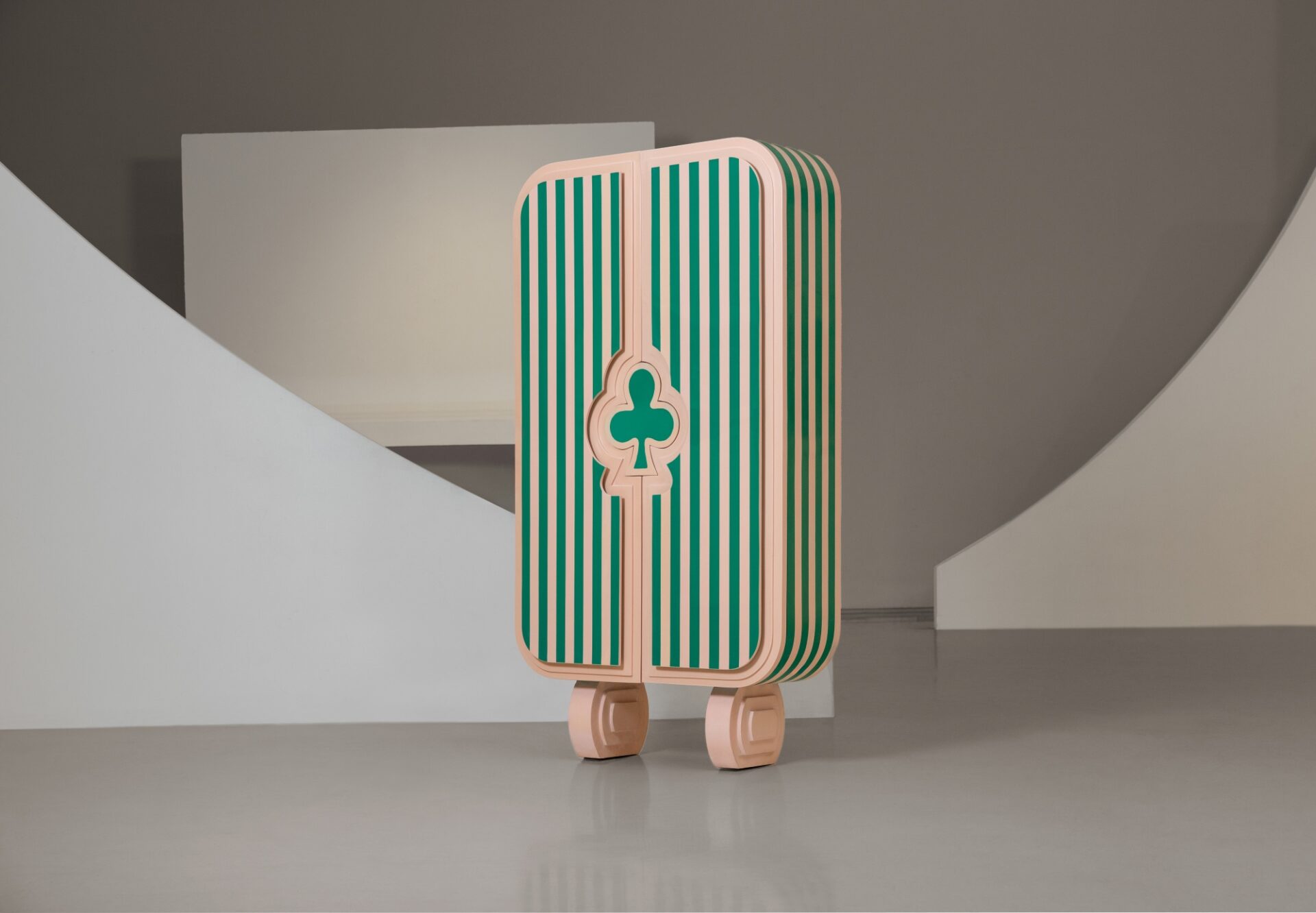 Designed as a statement piece, Canasta blurs the line between art and utility, bringing character and playfulness into the spaces it inhabits while nodding to the experimental spirit of the late 1970s and early 1980s.
Nermin Habib
Default Is Not Universal (Ithra)
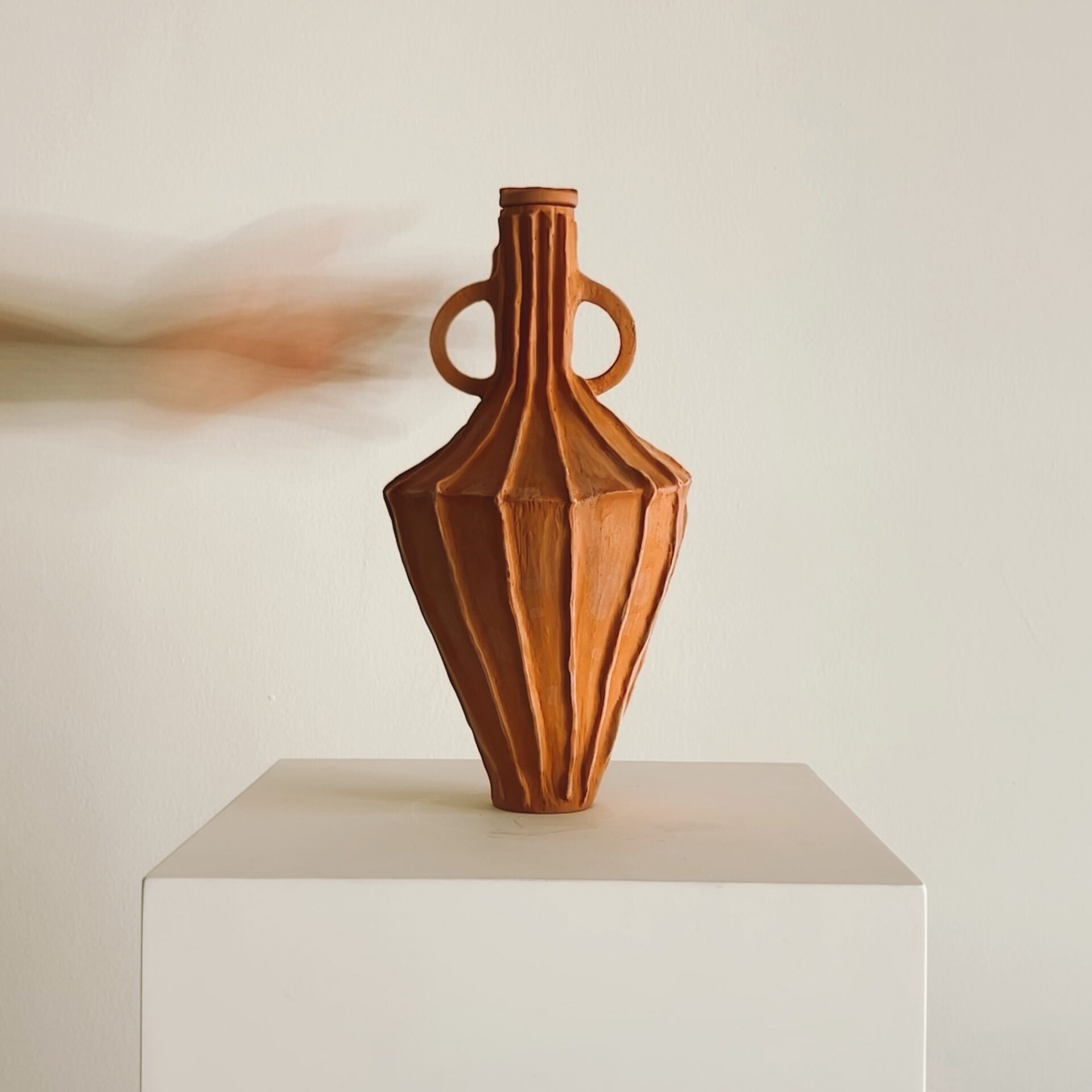
Ceramic artist Nermin Habib approaches clay as a living system rather than a static material. With Olla Forms, she revisits the ancient Egyptian olla, a porous earthen vessel designed to cool water through evaporation, and repositions it within a contemporary design language.
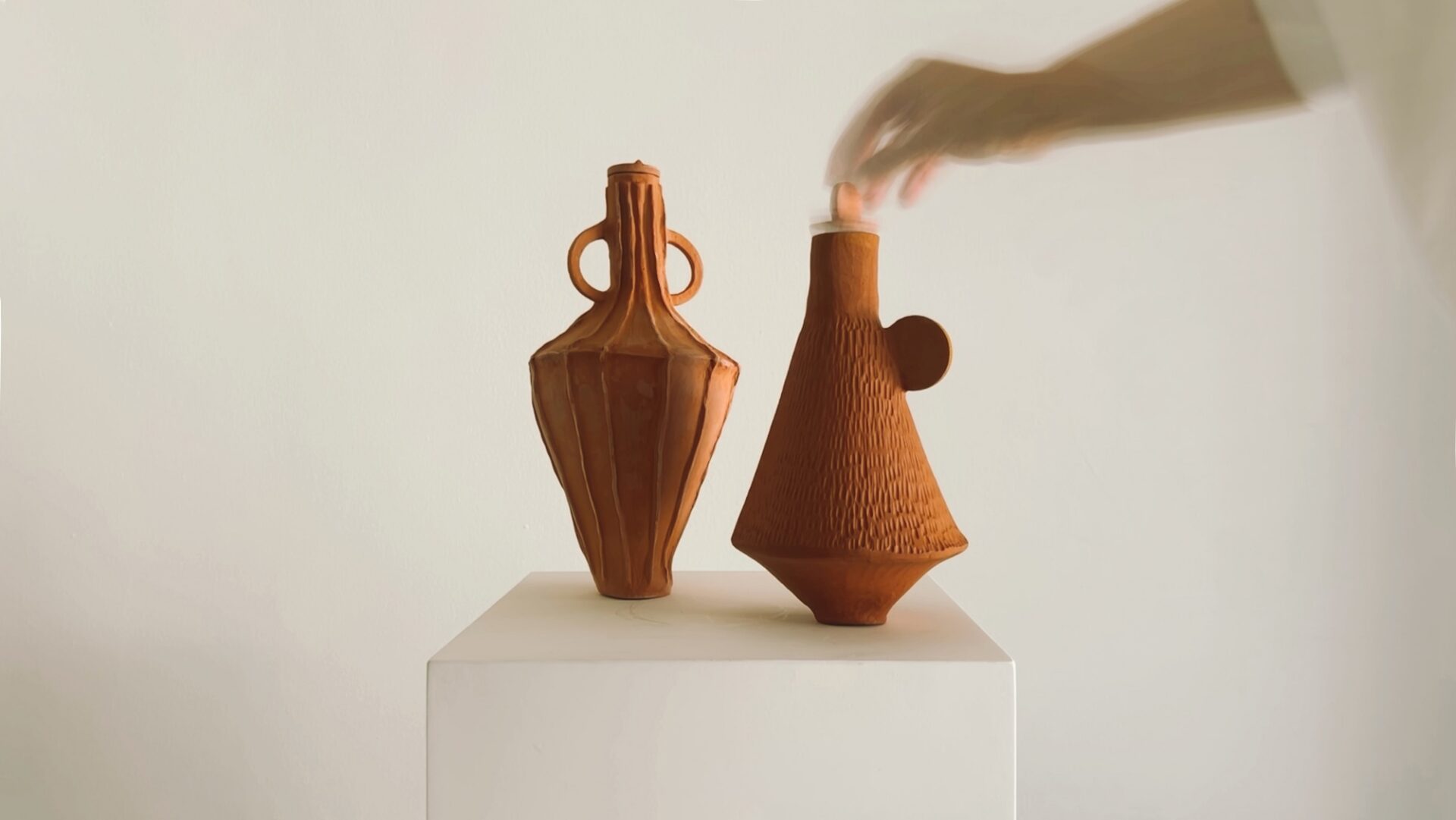
Rooted in climate-responsive thinking, the series draws from a long lineage of similar vessels across cultures, where clay functions as a passive cooling technology. Habib’s interpretation retains this intelligence: water moves through the porous terracotta body, evaporates at the surface, and naturally reduces temperature without the need for energy or mechanics.
Each piece is slab-built, with visible joins, subtle asymmetries, and textured surfaces that enhance performance. The exterior remains largely unglazed to preserve porosity, while select refinements ensure usability. These are not symbolic objects; they are functional vessels designed to hold and cool water.
Stephen Amoyo
Default Is Not Universal
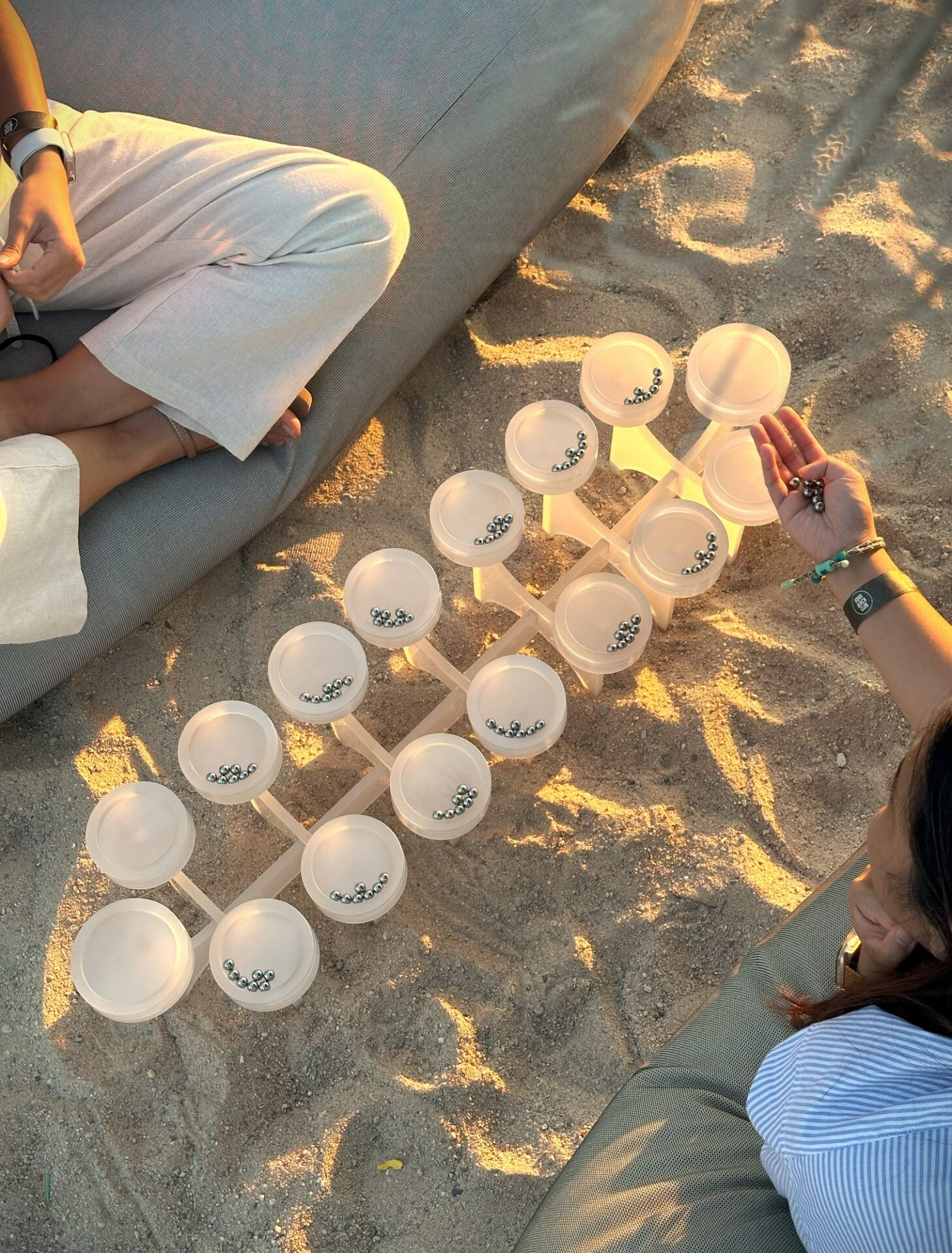 Architect and designer Stephen Amoyo from Doha reimagines a familiar childhood object through the lens of migration, memory, and place. SUNGKA! Architecture and Play draws from the traditional Filipino game, part of the wider Mancala family with roots across Africa and the Middle East, and reframes it within a contemporary context shaped by life in Qatar.
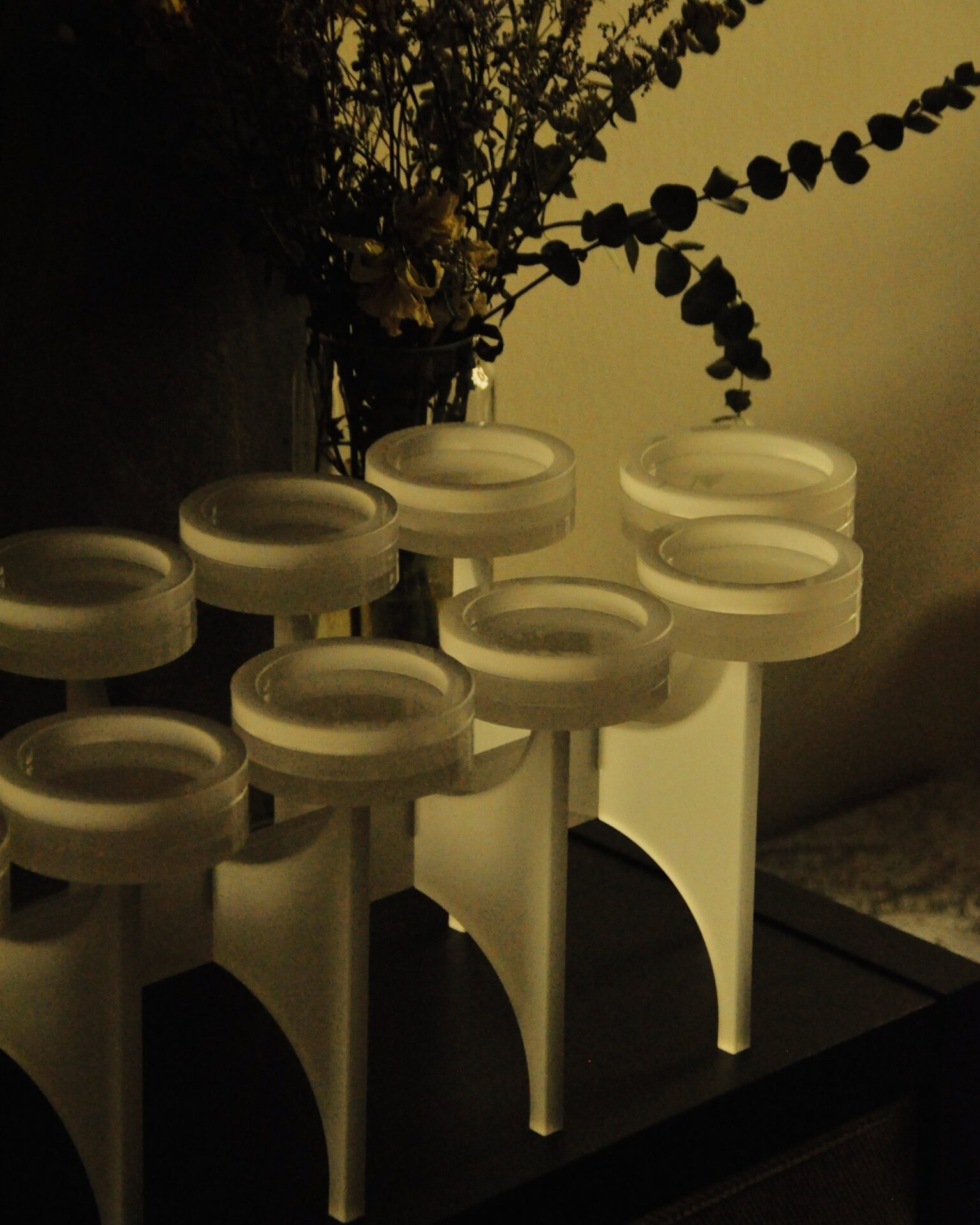
The project bridges geographies. Its form references both the raised lightness of the bahay kubo and the arches of regional architecture, creating a hybrid language that speaks of shared histories. Designed as a modular object, the board can be collapsed and transported, reflecting the transient realities of diaspora life while echoing the movement of early trade routes that first carried the game across regions.
Constructed from laser-cut opaque acrylic, the piece balances minimal materiality with cultural nuance. The translucency subtly recalls the Barong Tagalog. When not in play, the object shifts function, becoming a sculptural storage piece for everyday items.
Veronica Olariu
No Space for Waste
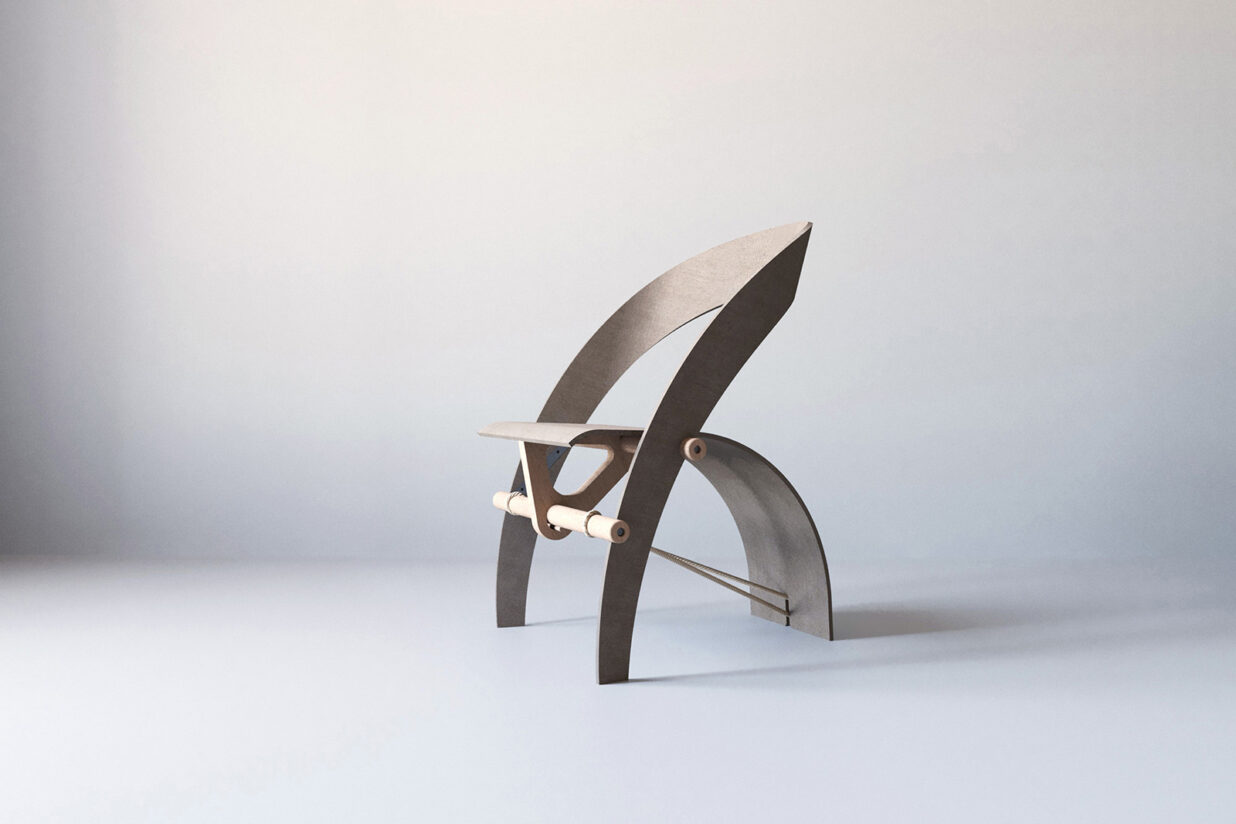
Isola Design Gallery, No Space for Waste, Hemp Chair by Veronica Olariu
A chair for more than sitting, the Hemp Chair by Veronica Olariu is grown from plant fibre, gravity, and time.
Created by the Thailand-based multidisciplinary artist and architect, the piece is built on a simple belief: strength does not need to come from mass. It can emerge through counterbalance and through the body’s relationship with it.
The chair supports two states: upright and elongated. Rather than allowing the body to collapse into rest, it proposes lift. When reclined, its structure encourages spinal extension and opens the front body.
The system remains deliberately legible: two hemp-fabric composite shells, solid wood rods, and a tensioned rope work together in equilibrium. Stability is achieved not through weight, but through balance.
Working across material research, craft, photography, and installation, Olariu brings an architectural clarity to the object. Hemp Chair becomes both furniture and study, an exploration of lightness, support, and the quiet intelligence of natural materials.