Jaipur Rugs x Kengo Kuma: Weaving Architecture into Rugs
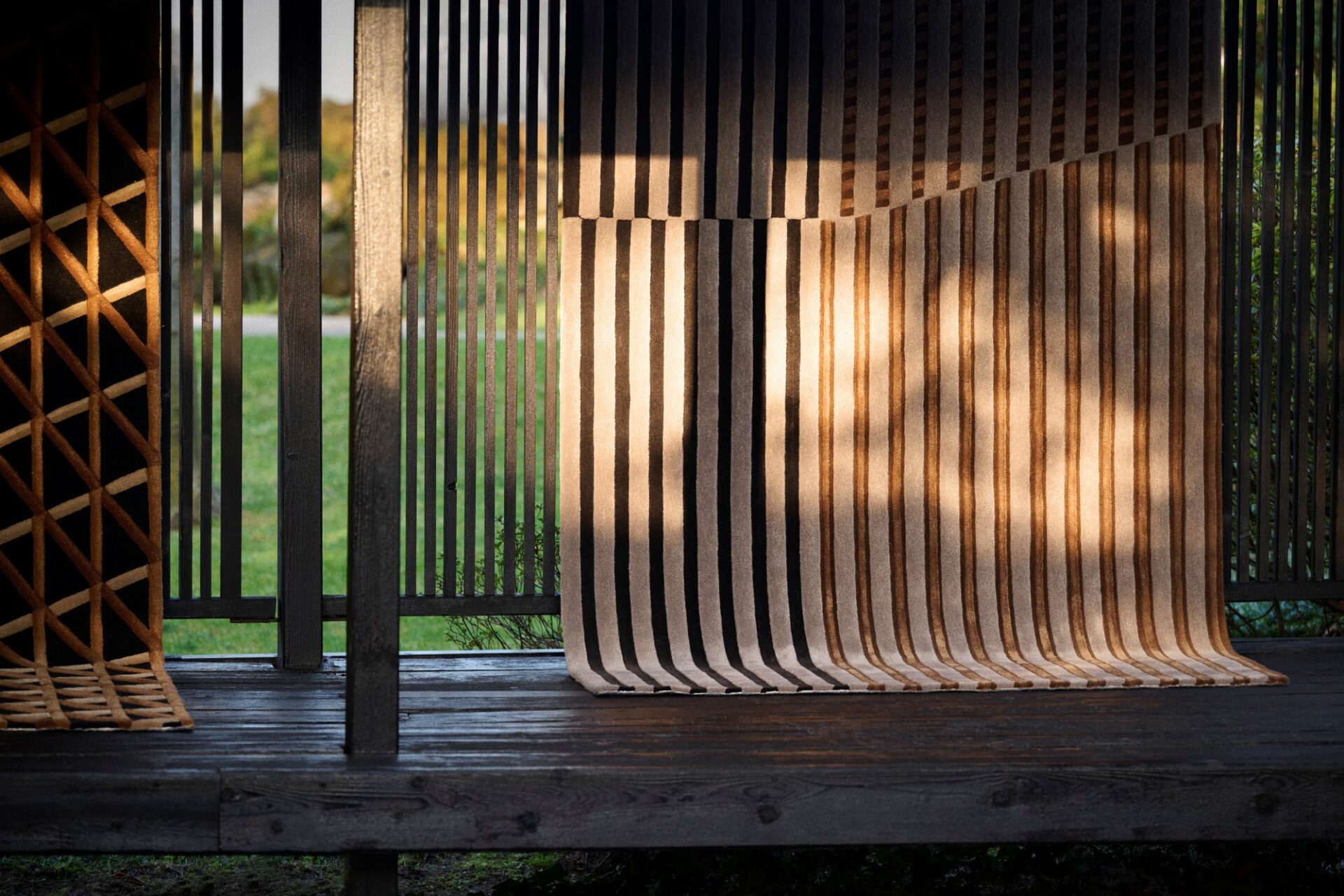
At Salone 2026, Jaipur Rugs presented FACES, a collection that moves quietly between architecture and textile. Developed in collaboration with Kengo Kuma, the series does not attempt to reproduce buildings, but instead works with what is harder to define: light, intervals, gradation, and the subtle shifts that shape spatial experience.
 For Kengo Kuma, this is not a decorative exercise. It is a translation of sensibility. Kengo Kuma’s long-standing interest in dissolving boundaries between inside and outside, object and environment, found a different medium here, one that is tactile, grounded, and crafted with human hands.
Jaipur Rugs’ vast artisan network becomes the medium through which these ideas are tested, stretched, and reinterpreted.
 The collection draws from key architectural concepts embedded in Kuma’s work.
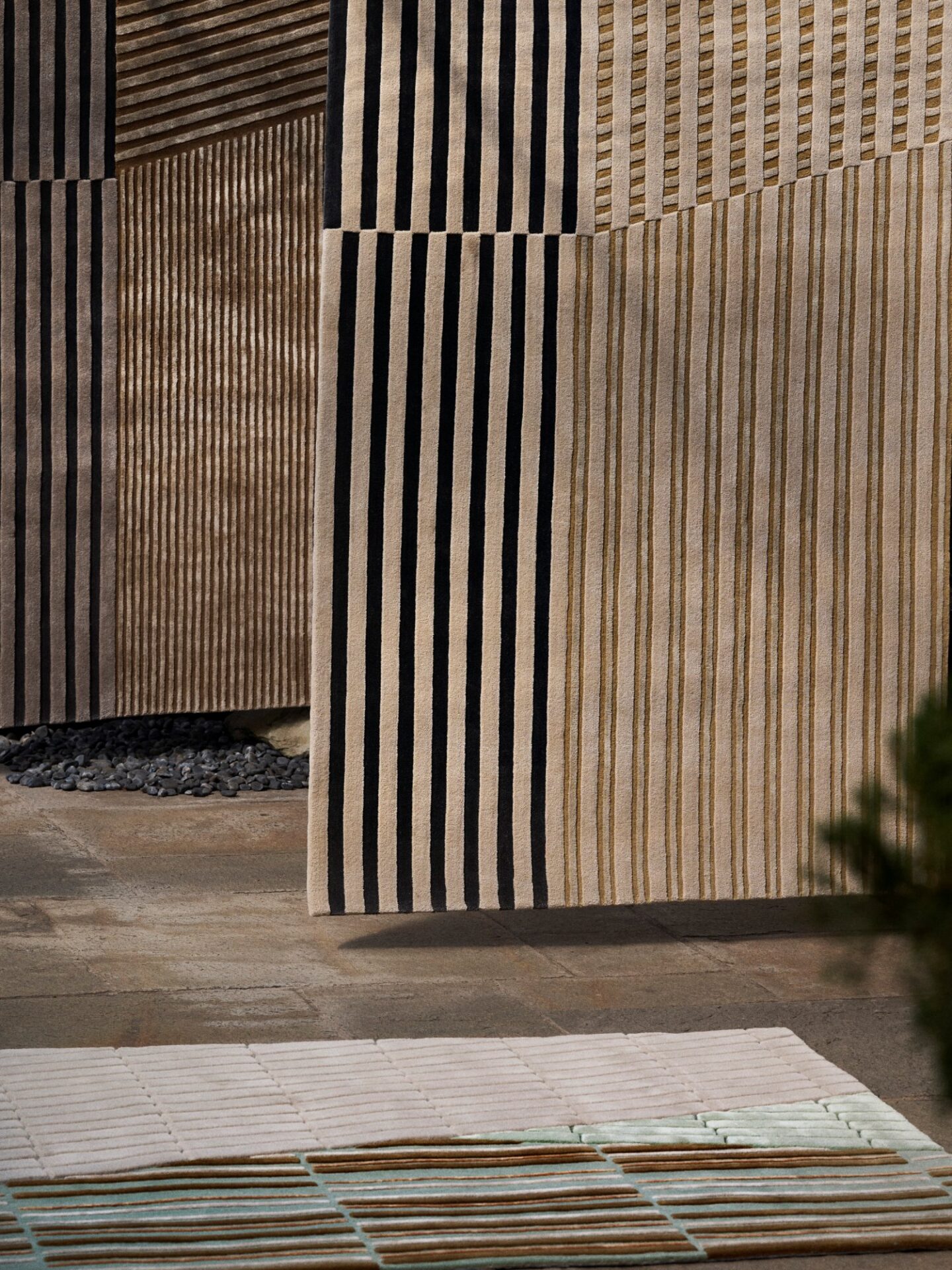
The SUKIMA-6 rug draws on the Japanese idea of “Sukima,” embracing intervals of light and space through a composition inspired by the Suntory Museum of Art and its Musō-gōshi lattice, creating a soft interplay of light and shadow.
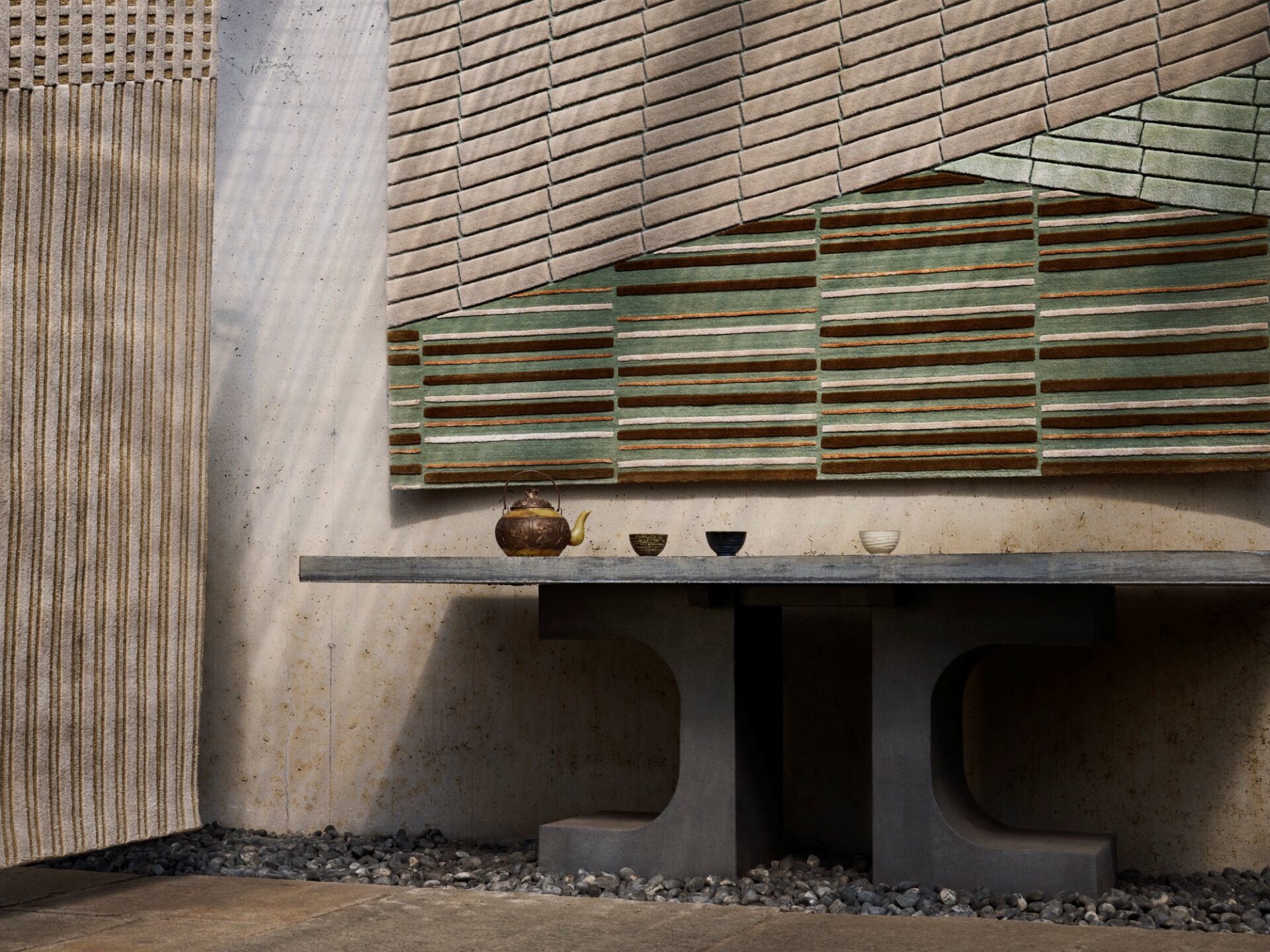
Similarly influenced by the museum’s layered light, the BOKASHI-1 rug reflects the traditional “Bokashi” technique, blending tones seamlessly to evoke gentle transitions of colour and texture.
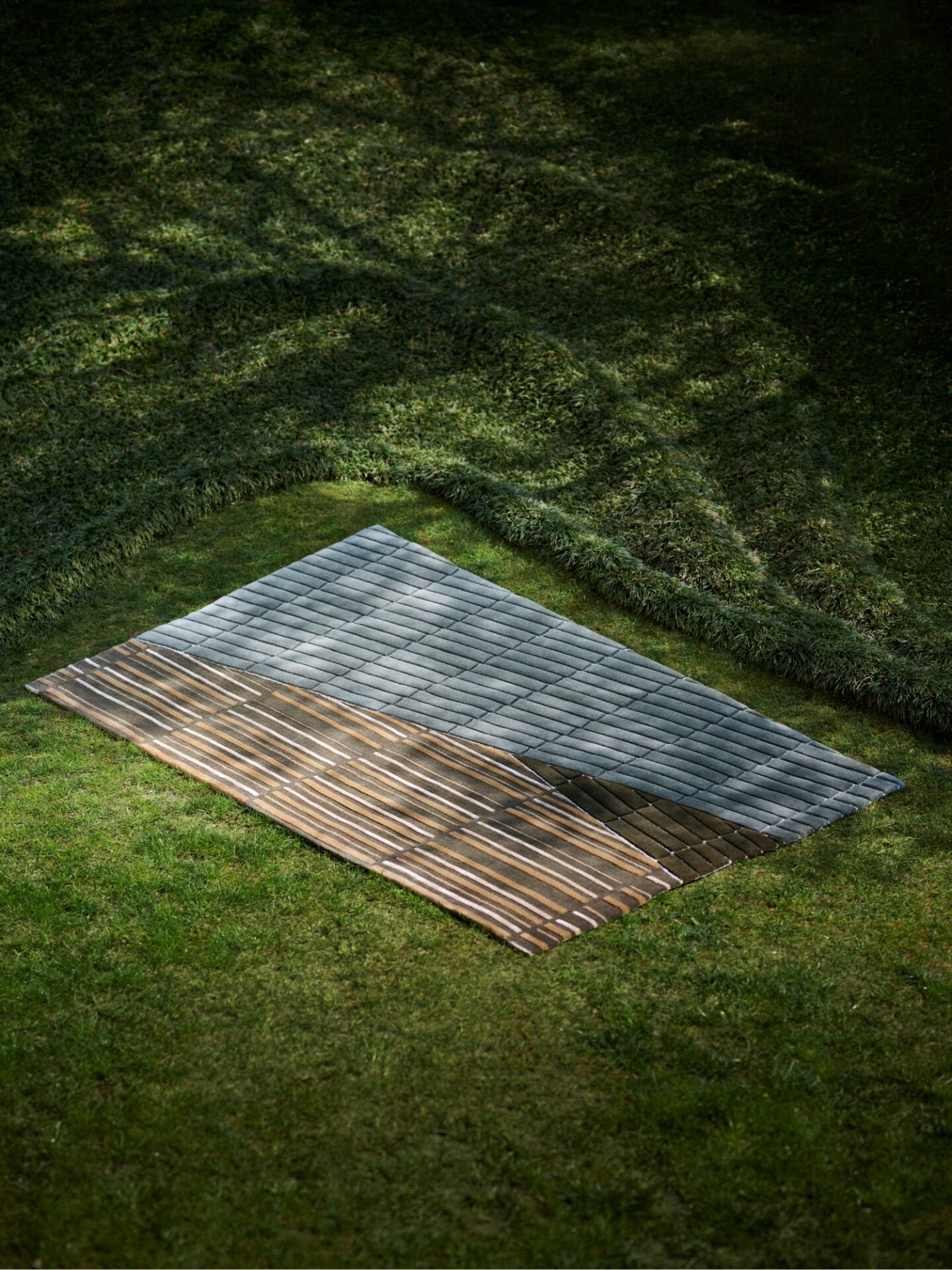
The CHIRASHI-1 rug, inspired by the Museum of Kanayama Castle Ruin and Kanayama Community Centre, interprets the scattering of elements into a rhythmic, fluid surface that reimagines the solidity of stone through handcraft.
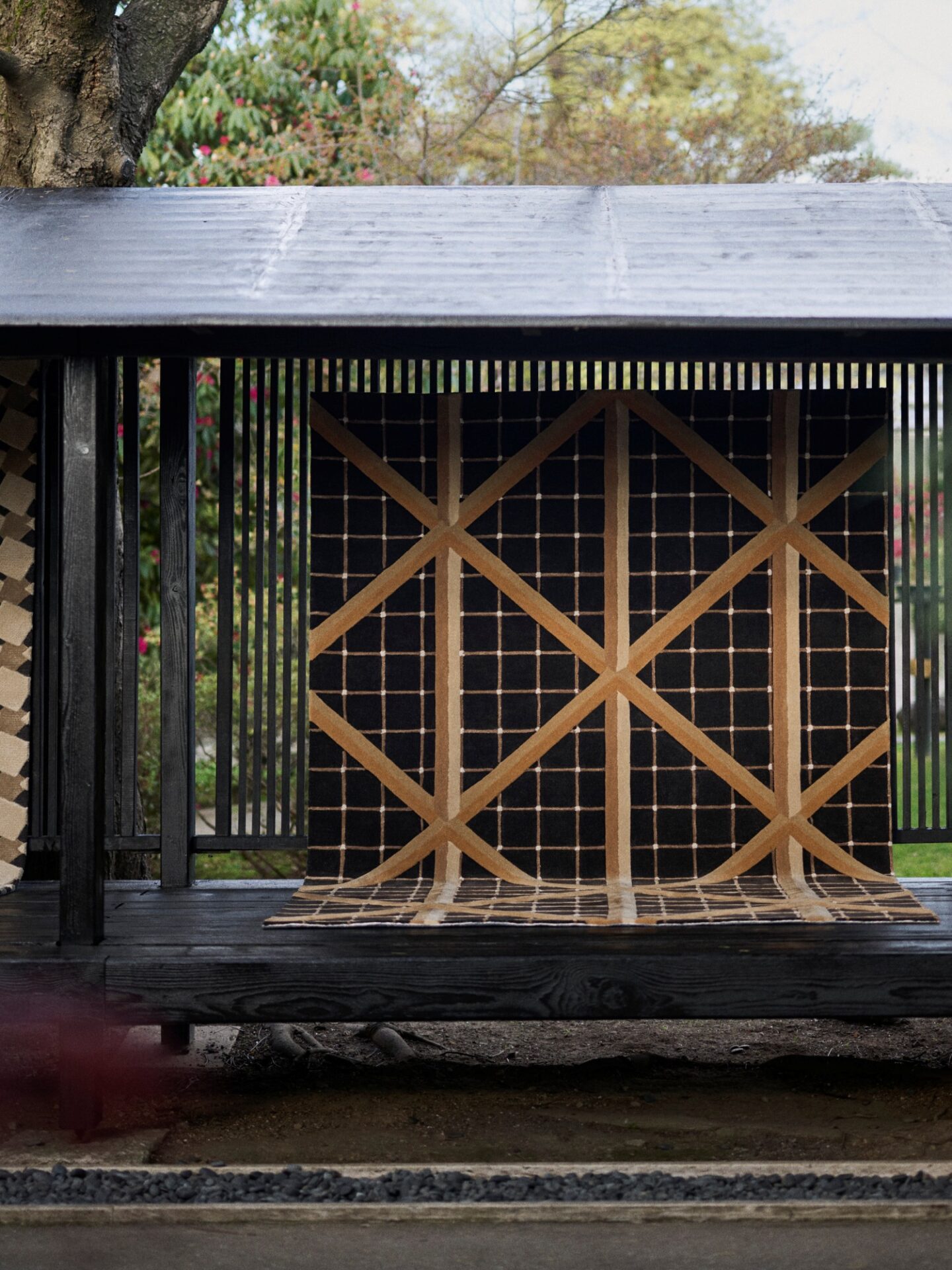
KIGUMI-5 takes cues from traditional Japanese joinery and the GC Prostho Museum Research Centre, translating the dynamic Chidori wooden grid into intricate weaving that shifts in depth and perspective.
Finally, the KASANE-3 rug explores layering and subtle tonal variation, influenced by the Albert Kahn Museum, to create a quiet sense of continuity between interior space and nature.
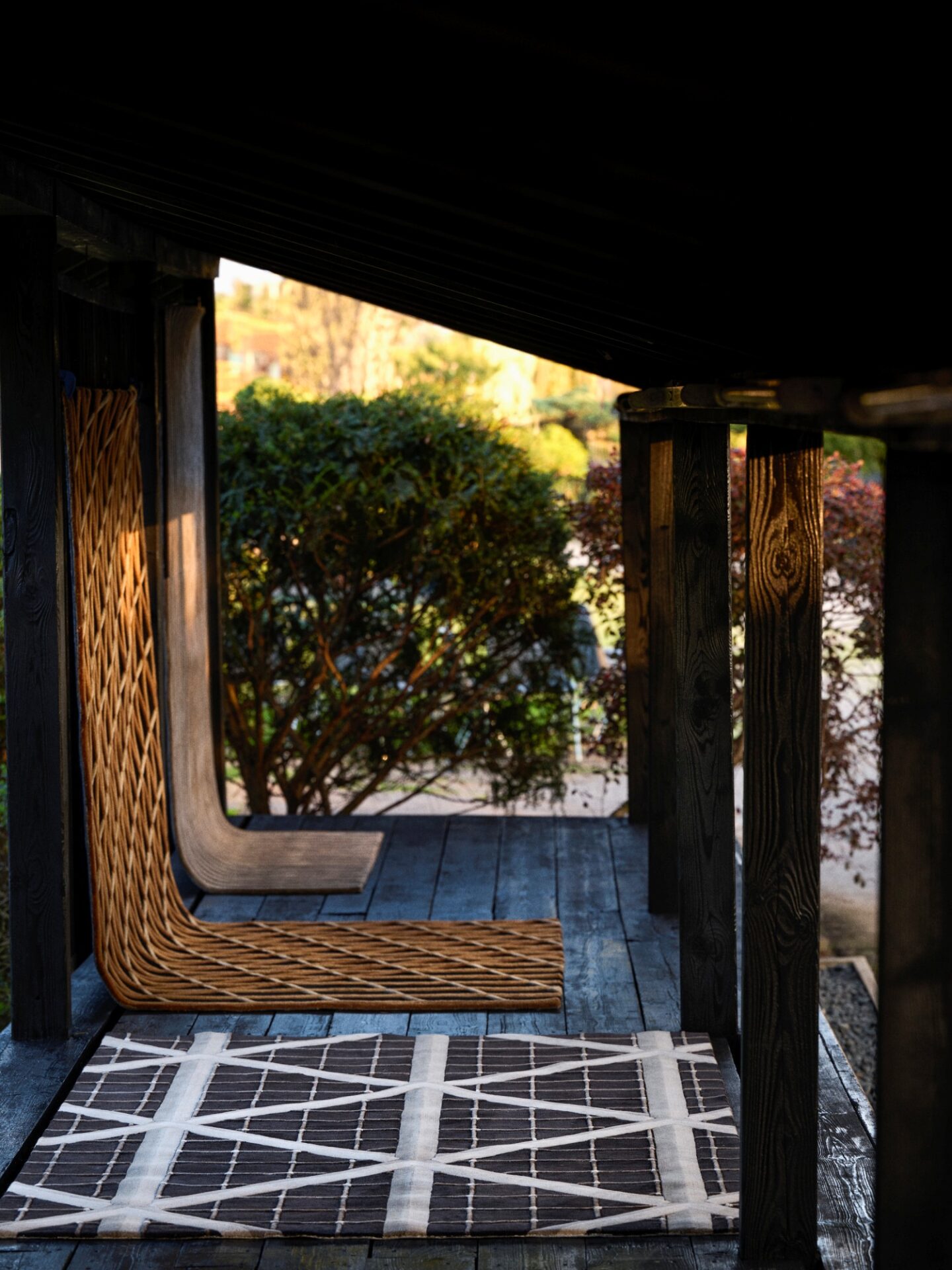 Together, these rugs resist the idea of the object as fixed. They behave more like ideas and atmospheres floating around. With FACES, Jaipur Rugs shifts the conversation around what a rug can be. It is not just a surface or a product; it becomes a spatial device, one that holds memory, material intelligence, and the imprint of many hands.
In a design week like MDW, often driven by spectacle and attention, this collection sits differently. In Conversation with Kengo Kuma.
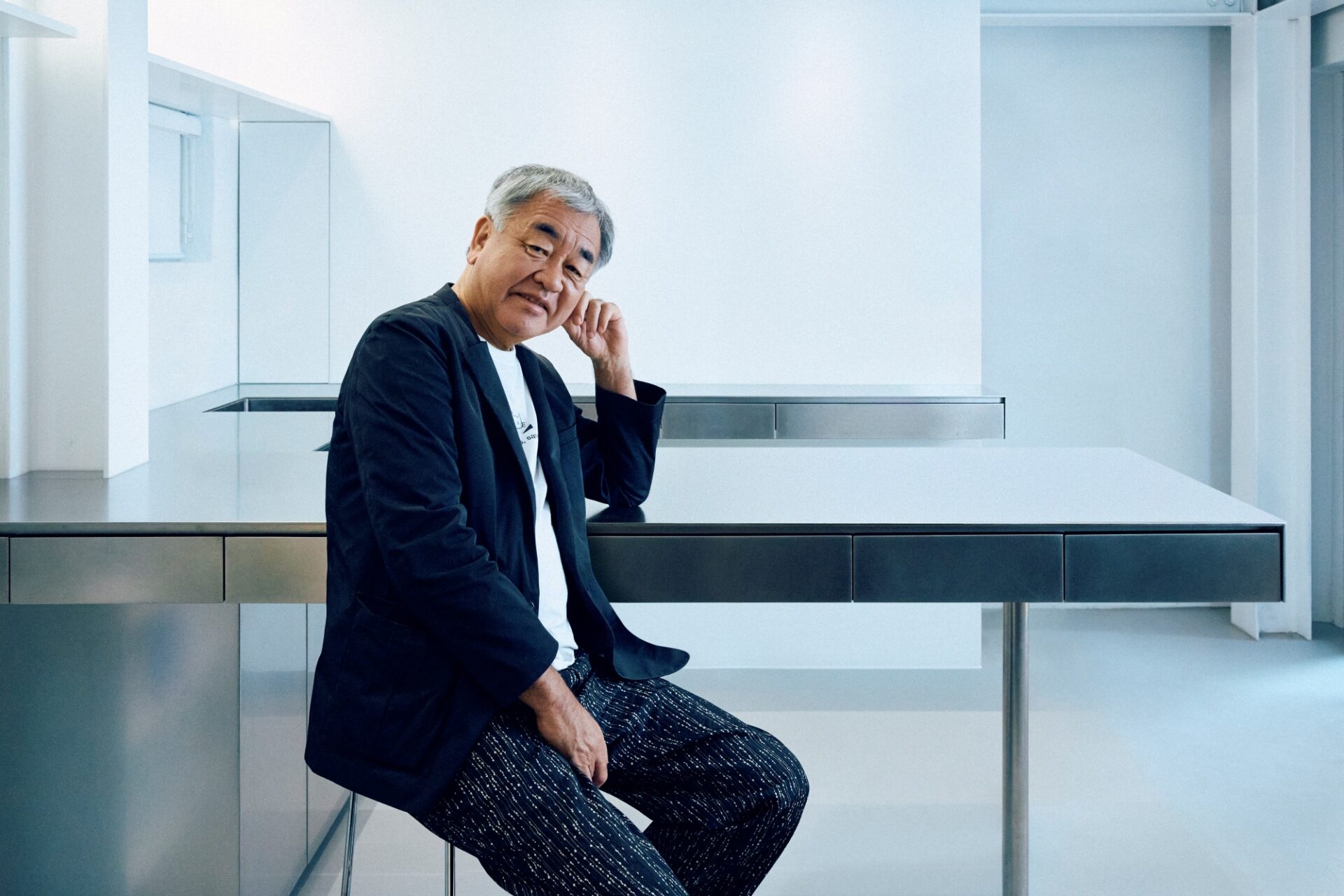 SCALE: You’ve worked with carpets before. What made this collaboration with Jaipur Rugs feel different at this point in your practice?
Kengo Kuma: While I have worked with carpets before, this collaboration felt different because of the way the process developed through continuous exchange with the artisans. It was not a fixed or linear process, but something that evolved through many iterations.
Through these conversations, we were able to explore very subtle differences in tone and texture. Rather than controlling the outcome from the beginning, it became a process of discovering what was possible together. In this sense, it felt closer to an ongoing dialogue than to product development.
 Your architecture often dissolves boundaries between inside and outside. How did you approach that idea in a medium that is inherently grounded and static?
Kengo Kuma: Although a rug is physically grounded, we approached it as an extension of space rather than an object placed within it. By working with soft gradations, blurred edges, and natural tones, we tried to dissolve its boundaries so that it does not feel contained. Instead of defining space, the rug gently interacts with it.
 Concepts like Sukima or Bokashi are deeply tied to Japanese spatial culture. What happens when they are interpreted through a different craft tradition?
Kengo Kuma: When these concepts move into a different craft tradition, they inevitably transform. Rather than attempting a direct translation, we allowed them to be reinterpreted through the language of handweaving. The essence remains—the sensitivity to boundaries, light, and transition, but it is expressed differently through texture, material, and the rhythm of the weave.
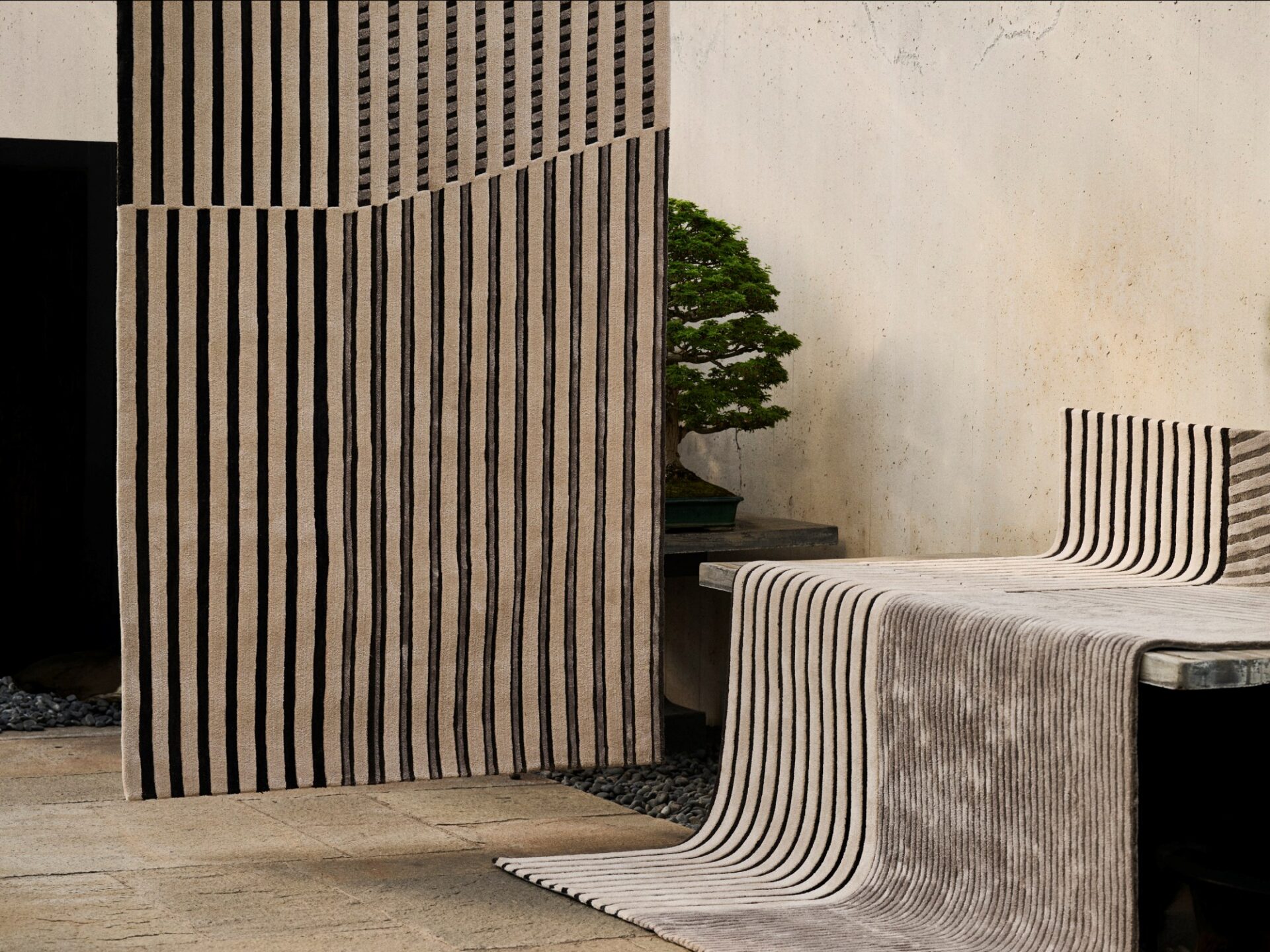
SCALE: Did working with handweaving change your understanding of precision?
Kengo Kuma: Yes, it reinforced the idea that precision does not always mean uniformity. In handweaving, slight variations are inevitable, but they also bring depth and life to the material. Rather than seeing them as imperfections, I began to see them as part of a more human form of precision.
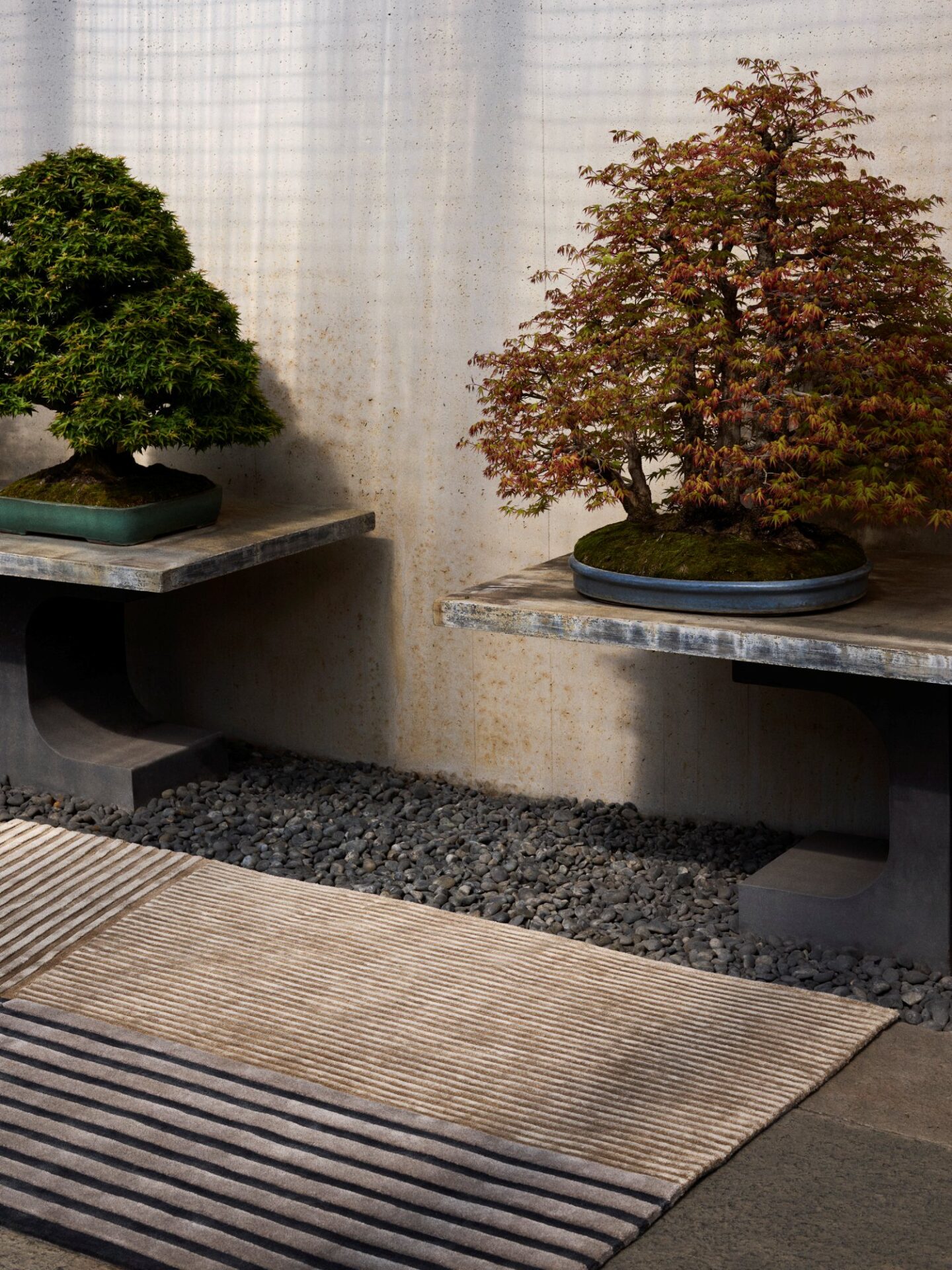 In architecture, experience unfolds through movement. With rugs, the experience is more immediate. How do you translate temporality into something encountered all at once?
Kengo Kuma: Even though a rug is experienced immediately, its qualities are not understood all at once. Through subtle variations in tone and texture, the perception can change over time as one moves across it or spends time with it. What may seem quiet at first can become more complex through continued interaction.
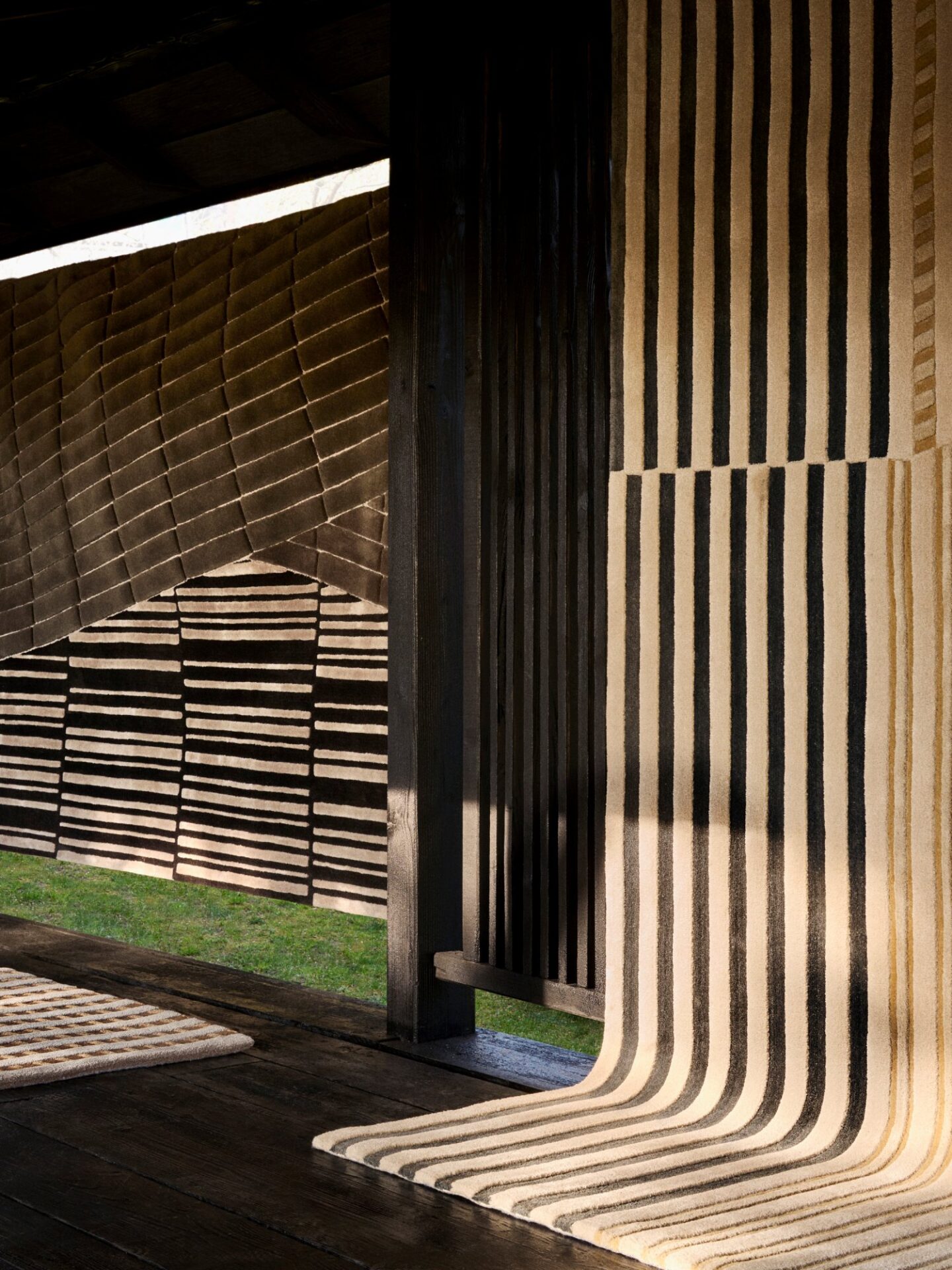 This project connects your work with one of the largest artisan networks in the world. What were the challenges?
Kengo Kuma: The experience has been deeply enriching, but also demanding. Achieving the subtlety we were aiming for required many iterations, especially in controlling tone and texture through hand processes. The challenge was maintaining clarity of intention while allowing room for interpretation.