Jesús Rafael Soto: Space is in Control At Serpentine
The first UK outdoor work by Jesús Rafael Soto turns Kensington Gardens into a 4,000-strand instrument you walk through.
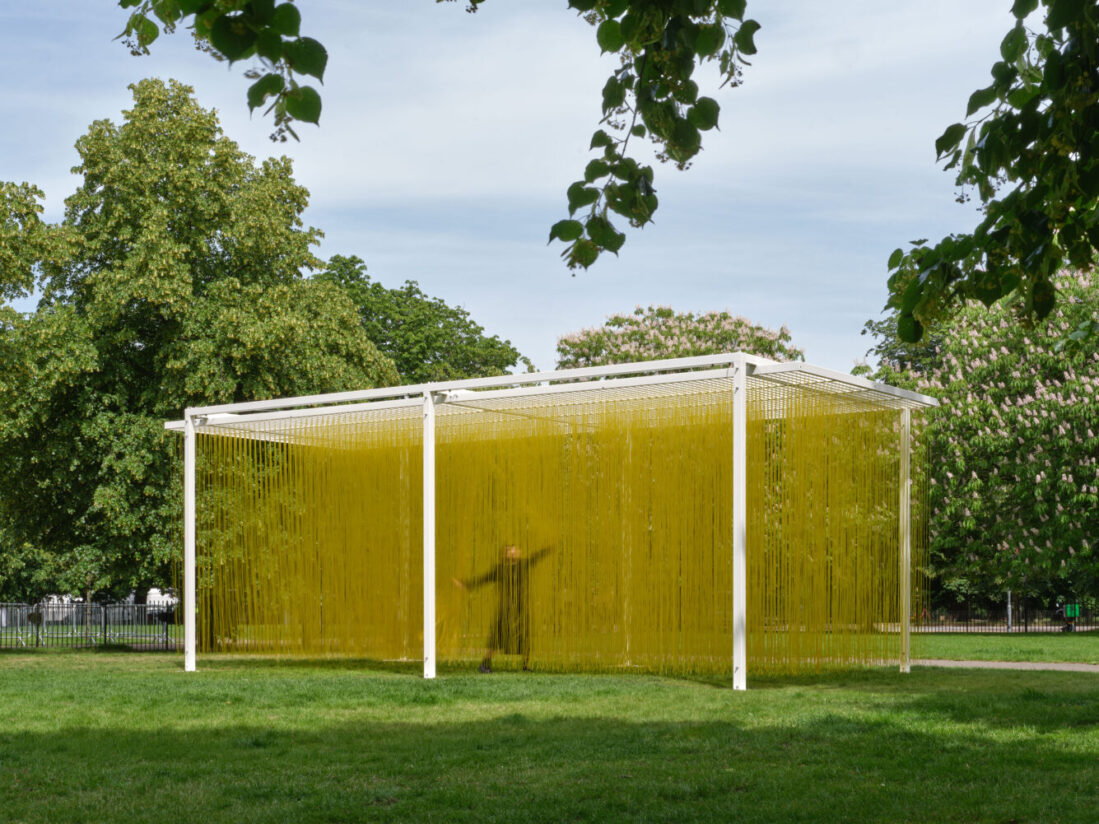
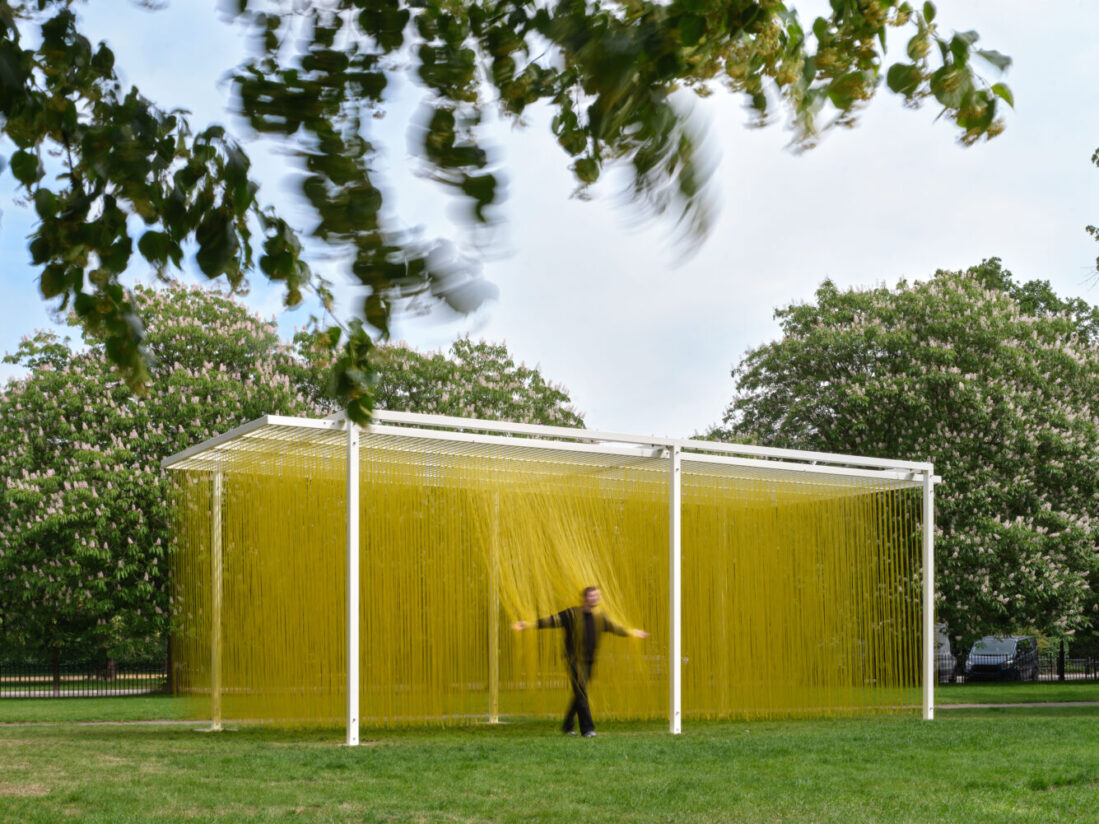
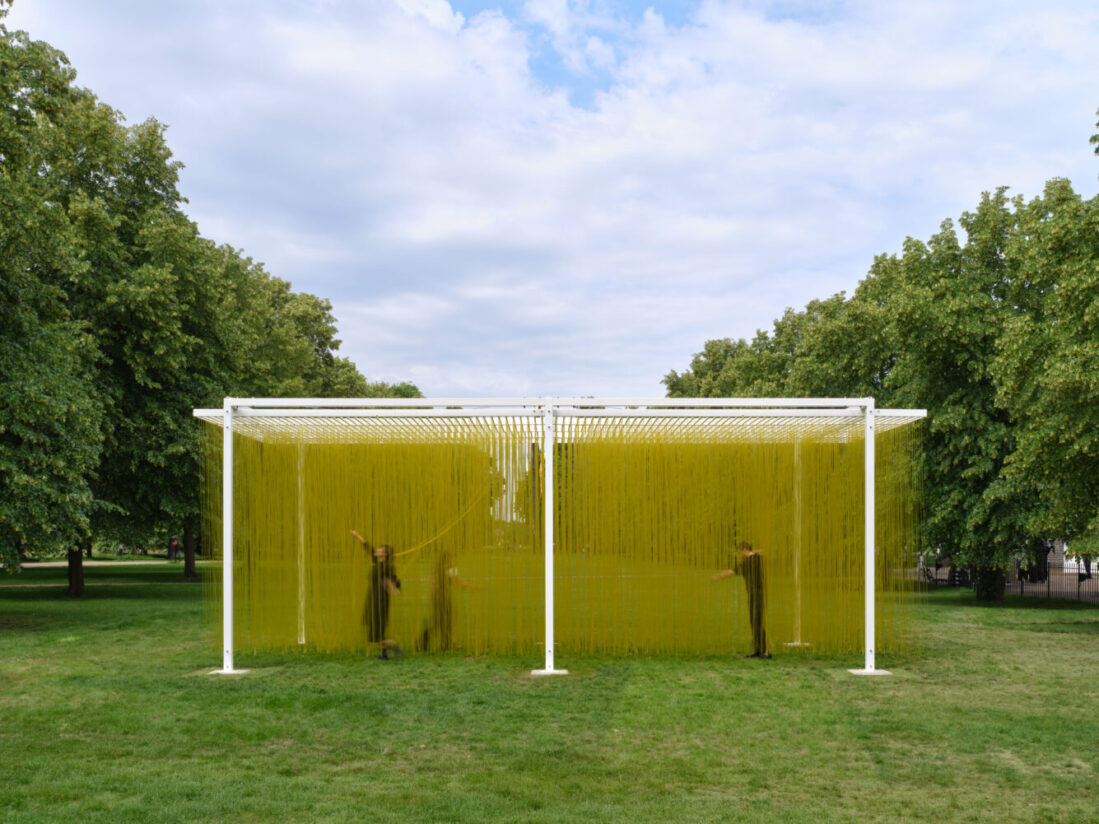
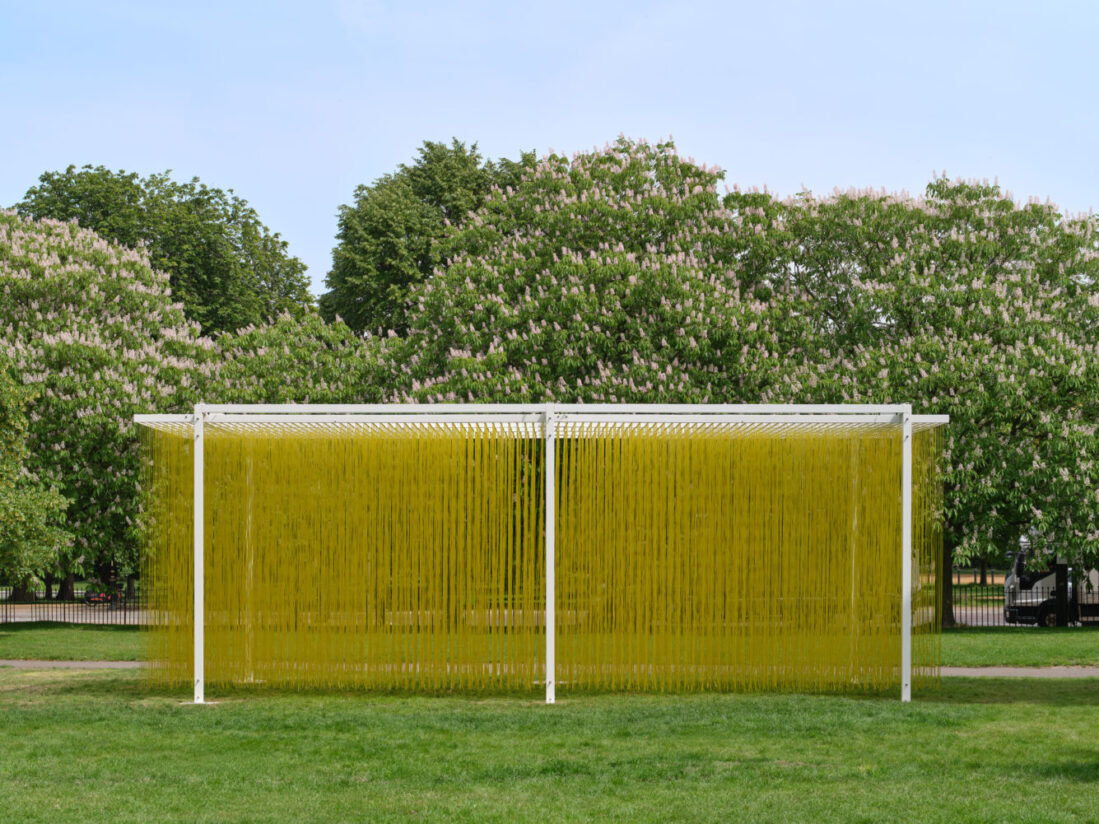
Ten metres of yellow PVC, hung strand by strand off a steel frame, doing absolutely nothing — until someone walks into it. Then the whole field of colour ripples, blurs, and snaps back into focus as they pass. This is Pénétrable BBL Jaune, and from 16 June it’s standing in the open air at Serpentine South, the first time a work by Venezuelan kinetic artist Jesús Rafael Soto has been shown outdoors in the UK.
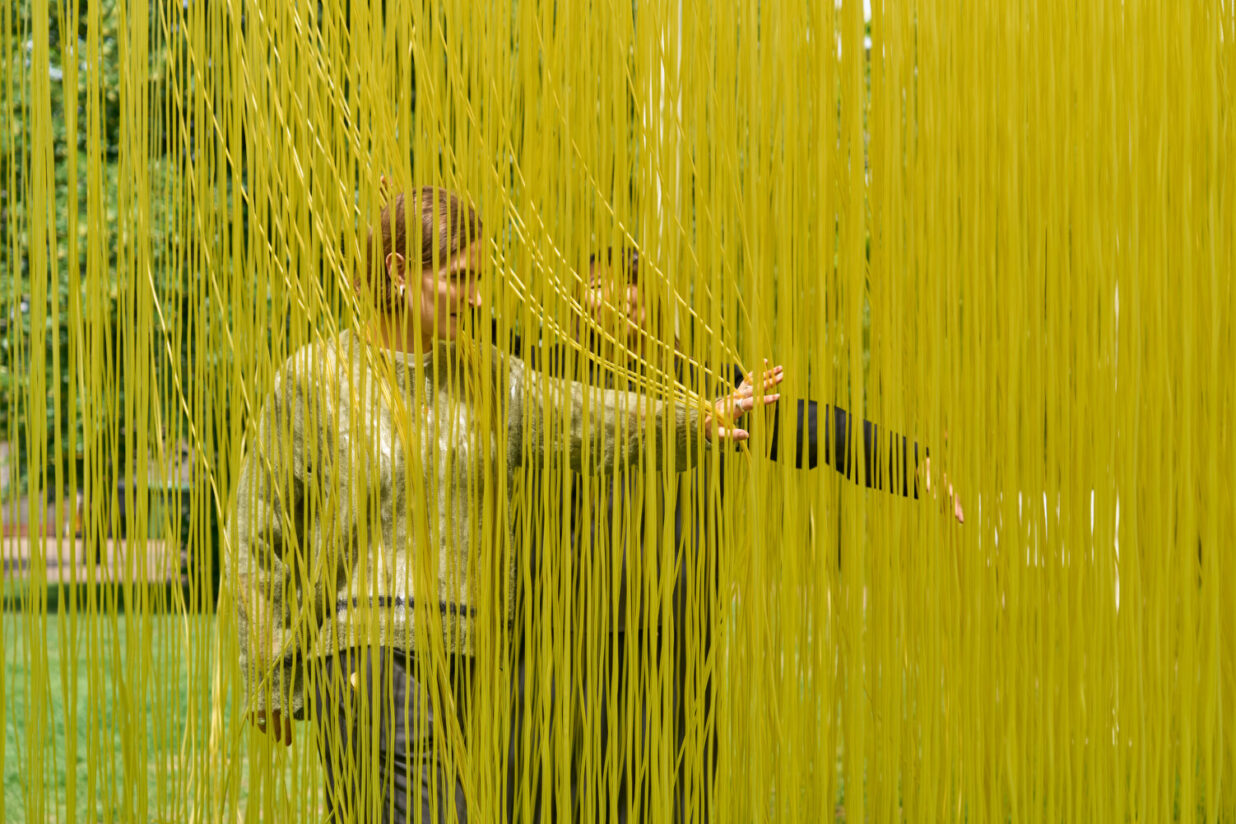
Jesús Rafael Soto built more than 70 of these “Pénétrables” over his career, sculptures designed to interact with rather than just be observed. This one, originally made in 1999 and re-editioned in 2023 by the artist’s estate to mark his centenary, is 4,000 identical strands suspended with deliberate, even gaps. Looked at straight on, the gaps generate a moiré effect: the lines seem to shiver even when nobody’s touching them. Walk in, push through, and the optical trick gives way to something more physical. You’re not just looking at the piece. You’re editing it.
 That distinction is the whole point of Jesús Rafael Soto’s practice. It’s worth sitting with the line he gave Hans Ulrich Obrist in a 2004 conversation in Paris, where the artist argued that space isn’t a void waiting to be filled with objects; it’s the other way round, with objects sitting inside a space that sets its own terms.
“It is space that is in control; it defines and sets its own conditions,” says the artist.
It’s a strange thing for a sculptor to say, since most sculpture asks you to respect the boundary between the work and yourself. Jesús Rafael Soto didn’t. The Pénétrables, starting with the first one in 1967, were built explicitly to collapse that boundary, to make the viewer’s body part of the material.
A Retinal Artist Who Distrusted the Retina
 Jesús Rafael Soto left Venezuela for Paris in 1950, landing in a city full of artists trying to figure out what came after geometric abstraction. By 1955, he was showing at Galerie Denise René in Le Mouvement, the exhibition usually credited with putting kinetic art on the map, alongside Alexander Calder, Marcel Duchamp, and Victor Vasarely.
Where a lot of that generation chased movement through mechanics, motors, mobiles, actual moving parts, Jesús Rafael Soto got there through optics and architecture instead, building works out of nylon, Perspex, steel, and industrial paint that moved because the viewer did so.
The result sits in an odd, useful space between Op Art’s retinal games and Minimalism’s interest in the room itself. Pénétrable BBL Jaune isn’t asking to be decoded the way a lot of 1960s optical art does. It’s asking to be walked into.
His work has gone on to live in the Tate, the Pompidou, MoMA, and Museum Ludwig, and got major shows from the Guggenheim in New York to Guggenheim Bilbao in 2019, but a Pénétrable installed in a London park, free, with strangers pushing through yellow strands on their lunch break, is a different proposition than one in a gallery vitrine. It puts the work back into the conditions for which it was built.
Park as Gallery
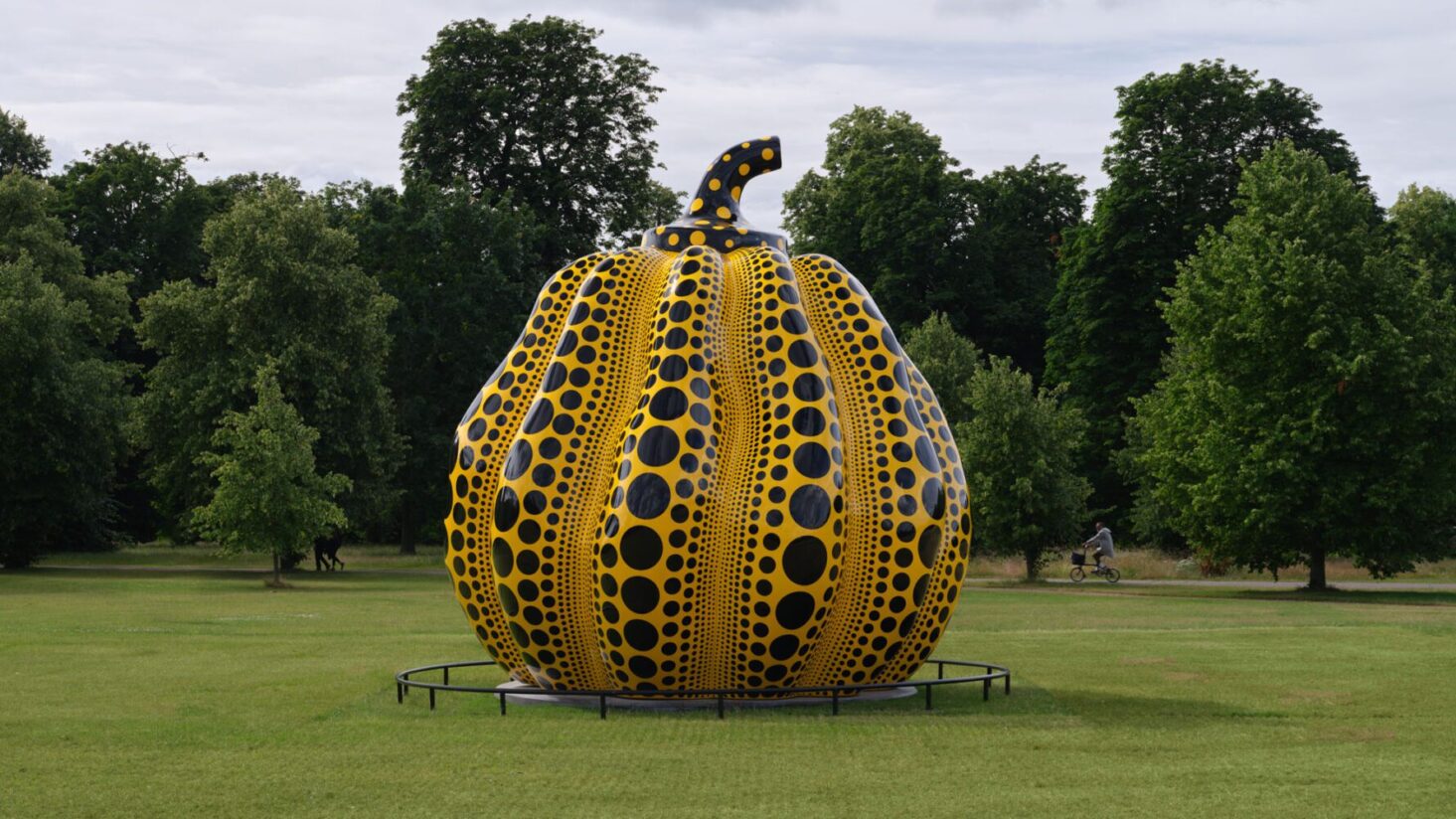
Yayoi Kusama Pumpkin, 2024 © YAYOI KUSAMA
Putting sculpture into Kensington Gardens rather than behind gallery walls has been a Serpentine habit since it opened in 1970, and the Soto piece lands inside a fairly dense run of recent outdoor commissions, Giuseppe Penone’s Albero folgorato still standing on the South plinth, Yayoi Kusama’s pumpkin by the Round Pond last year, Esther Mahlangu’s mural, Gerhard Richter’s STRIP-TOWER. The through line across all of them is the same thought: that contemporary art gets a different kind of audience, and a different kind of attention, when it’s free, outdoors, and unticketed.
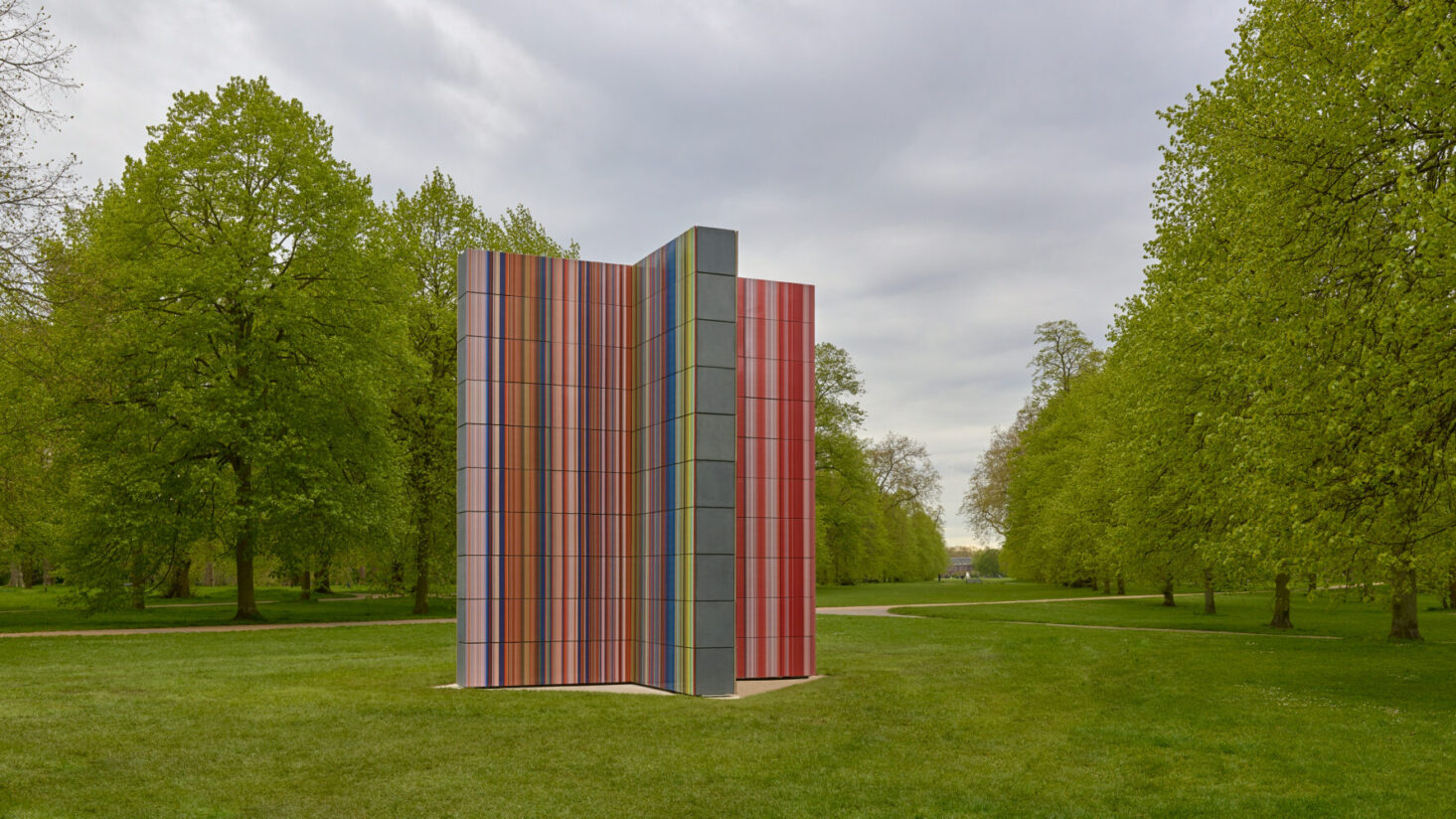
STRIP-TOWER (2023) by Gerhard Richter © 2024,
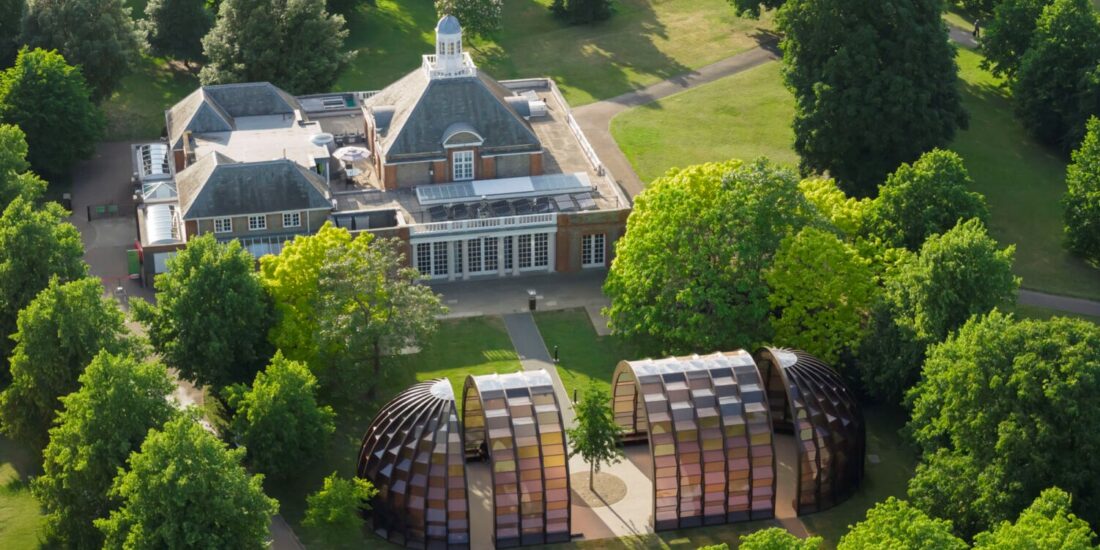
This year, that bet comes wrapped in a wider season. LANZA atelier’s A Serpentine, designed by Mexico City–based Isabel Abascal and Alessandro Arienzo, opened on the South lawn on 6 June as the 25th Serpentine Pavilion, a milestone the gallery is marking with a partnership with the Zaha Hadid Foundation.

“A Serpentine”, designed by LANZA atelier
The Strands, in Practice
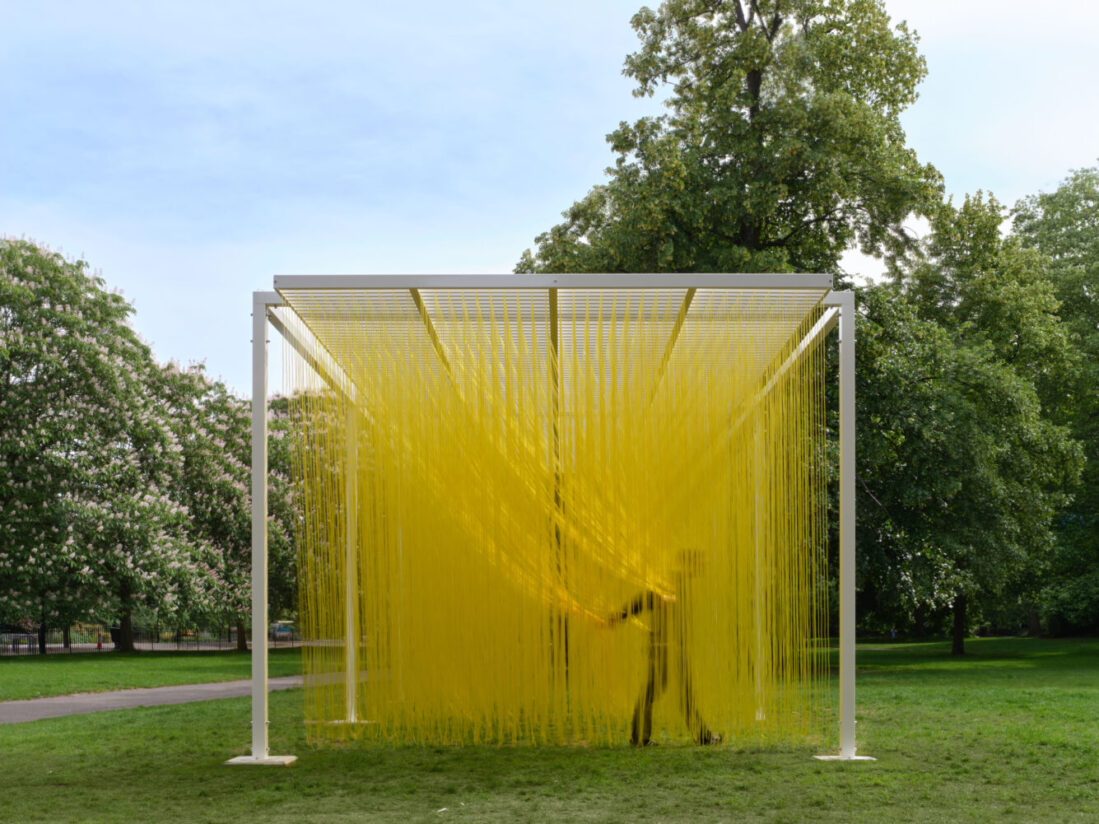
What makes Pénétrable BBL Jaune worth the trip isn’t really the backstory; it’s that almost nobody encounters art this way anymore. Most public sculpture in a London park asks for a respectful distance. This one is built to fail without contact. A child running through it changes the piece for everyone standing nearby. A breeze does too. The work has no fixed, final state; it only exists fully when someone’s inside it, disturbing it.
Jesús Rafael Soto died in 2005, having spent seven decades arguing, in steel and nylon and PVC, that sculpture didn’t need to stay still to be serious. Sixty years after his first Pénétrable, London finally gets to test that argument outdoors.
ON VIEW
Jesús Rafael Soto, Pénétrable BBL Jaune (1999; 2023 Édition)
Serpentine South, Kensington Gardens, London
16 June – 25 October 2026 · Free entry