
Makkala Hubba Reimagines Childhood as a Shared Public Act
Makkala Hubba, hosted at Freedom Park, Bengaluru, was a multi-day event that transformed a historic public ground into a landscape of discovery that functioned as a children’s experience centre, one that invited children and adults to occupy space together without agendas, outcomes, or hierarchies. By Aishwarya Kulkarni
Growing up, playing was never separate from learning. Games taught us about the environment, taking turns, counting, negotiating, losing, and trying again. Much of what we absorbed, be it social etiquette, ecological awareness, or even early mathematics, came not from classrooms but from the ground beneath our feet, our friends, and the spaces around us.
 As I grew older, watching children today so often tethered to screens, I often found myself feeling a quiet grief for what feels lost, something that can now only be discussed with my adult peers as a nostalgic tale. But every once in a while, we come across a leader, a community, being the change they, we, want to see in the world. And when I learnt about Makkala Hubba, it felt like a quiet reassurance that what we miss has not disappeared; it is simply waiting to be made possible again.
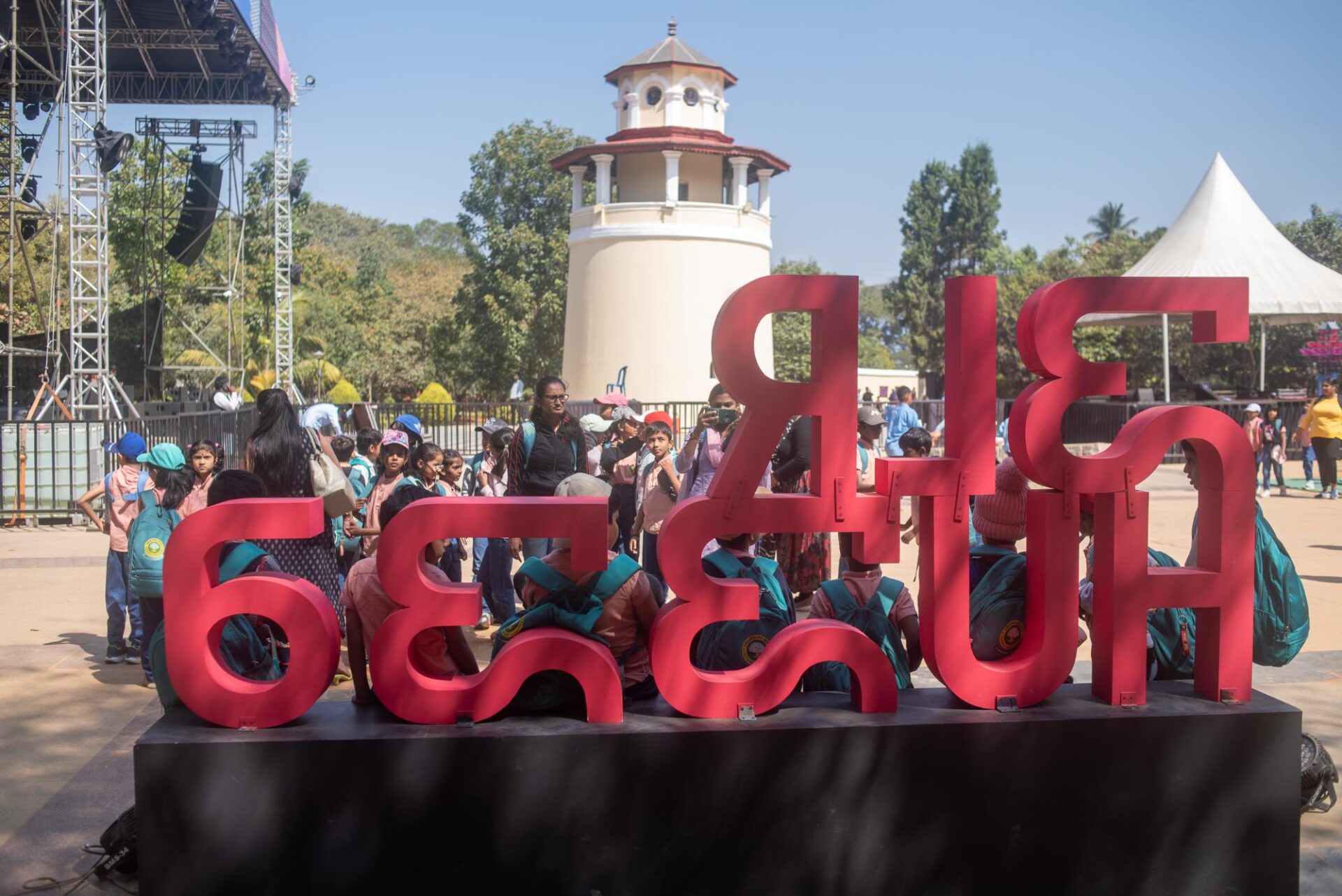
Hosted at Freedom Park, Bengaluru, Makkala Hubba was a multi-day event that transformed a historically charged public ground into a landscape of shared discovery. Neither festival nor exhibition in the conventional sense, Makkala Hubba functioned as a children’s experience centre, one that invited children and adults to occupy space together without agendas, outcomes, or hierarchies.
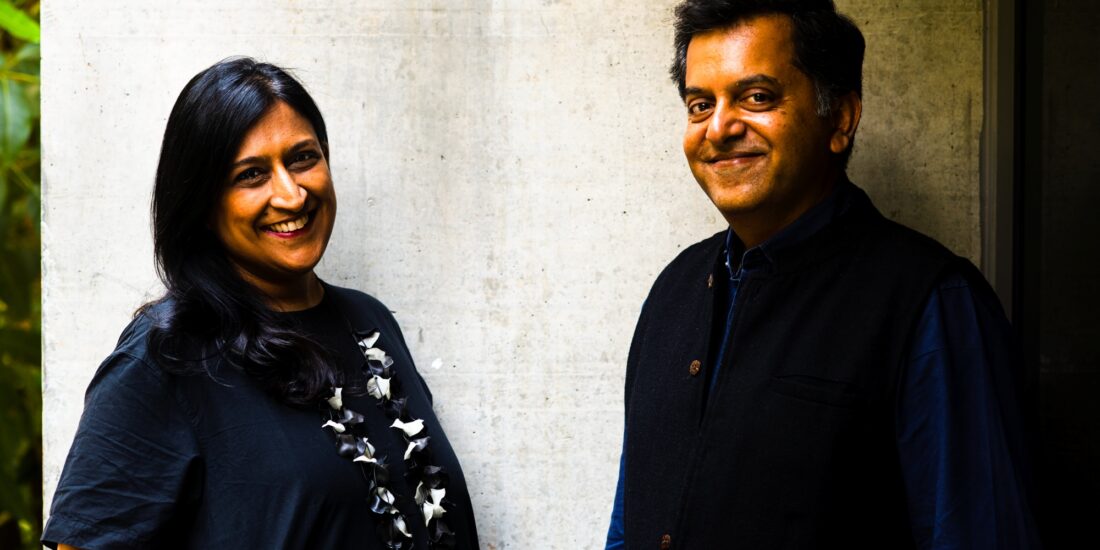
Curated by Bhawna Jaimini, with Puja Das as Assistant Curator, Pranav Kadambi as Production Coordinator, and Khushboo Tejwani leading space design, the event was one of the sub-festivals of BLR Hubba, an annual Bengaluru-wide celebration of arts and culture. Makkala Hubba was supported by Bachpan Manao, an EkStep Foundation initiative to bring attention to the joy and abundance of childhood. Together, these collaborators shaped an event that treated childhood not as preparation for the future, but as a complete and meaningful state of being in the present.
 “The name itself sets the tone,” Bhawna explains. “Makkala means children, and Hubba means festival. It is literally a celebration of childhood, of children being seen, heard, and trusted in public space, not as future adults, but as complete individuals in the present.”
Bhawna explains what Makkala Hubba is all about. “Makkala Hubba is a city-scale invitation to rethink how children inhabit public space. Spread across installations, workshops, performances, reading zones, and moments of rest, the event offered children the freedom to explore without instruction, and adults the chance to witness childhood without intervention,” she says.
Rather than centring entertainment or education alone, the hubba brought together artists, architects, designers, educators, storytellers, and ecologists to create environments that respond to how children naturally learn, through movement, play, and imagination.
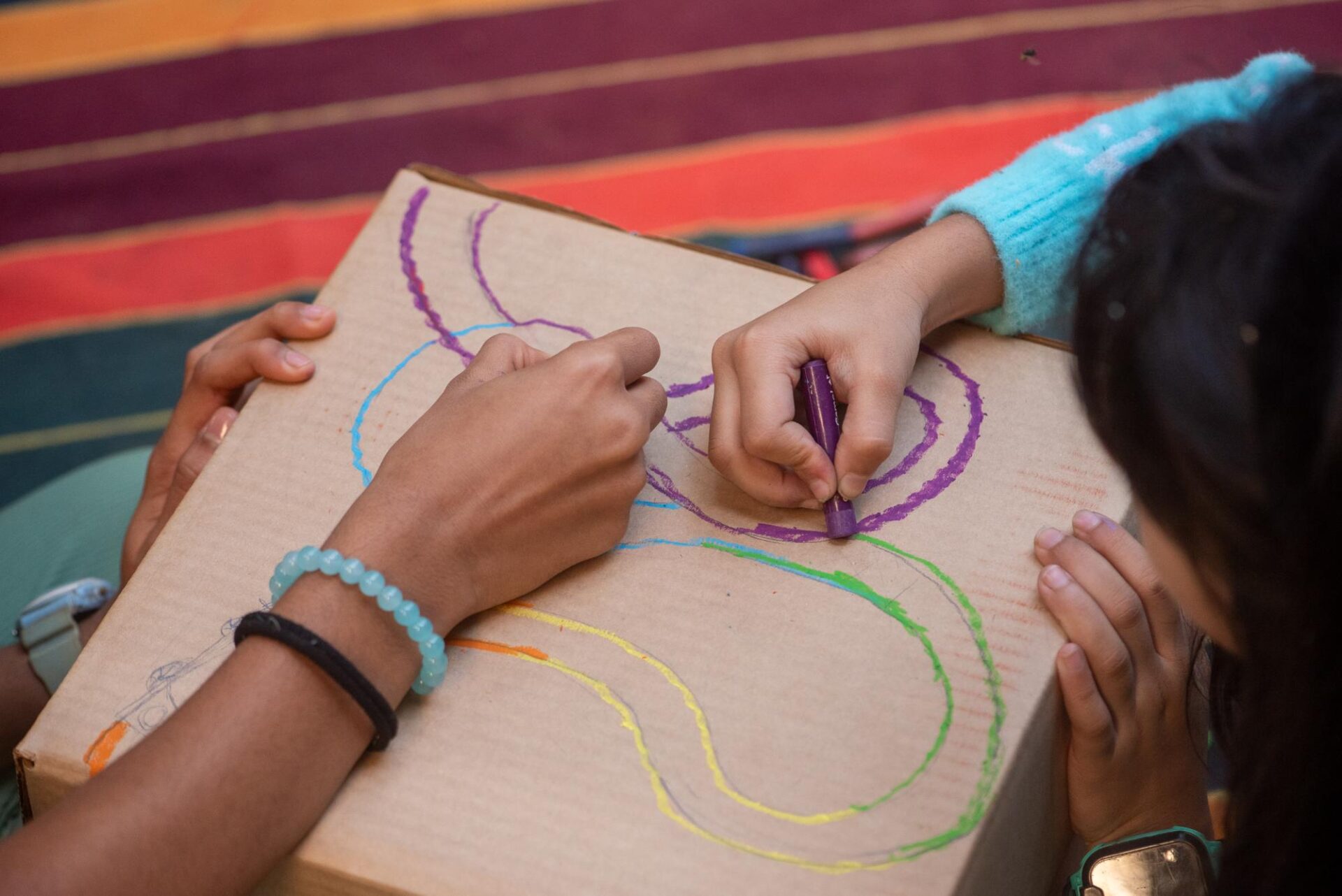 Since children today are growing up in environments that are increasingly enclosed, not just physically, but emotionally and intellectually as well, Bhawna feels spaces and events like Makkala Hubba are vital. She elaborates, “Even play is often monitored, timed, or made goal-oriented. What we are losing is not just free play, but the basic trust in children’s ability to lead their own experiences, to sit with boredom, and to discover joy without instruction.”
“Spaces like Makkala Hubba are necessary because they interrupt that pattern. They create environments where children are not being prepared for something else, but are allowed to fully inhabit the present. And importantly, they do this in public spaces like parks, streets, and shared grounds.
“There is also a need for adults to unlearn. Many parents and caregivers arrive with expectations, and leave having observed their children differently, quieter, more focused, and more imaginative than expected. That shift in perception is just as important as what children experience.”
 Bhawna hopes that people who visit the festival leave with a softened urgency. “We live with the constant feeling that we need to do more for the younger generation, enrol more, expose more, optimise more. I hope Makkala Hubba reminds adults that children do not need to be constantly directed to grow, and often, they need less interference, not more.”
“For children, I hope the memory lingers as a feeling rather than a lesson. The feeling of being trusted, of moving freely, of discovering something on their own terms, and that is the kind of memory that stays in the body, and can build confidence in ways that structured learning often cannot.
“And finally, I hope all the visitors leave with a sense of responsibility that goes beyond nostalgia, but also holds accountability,” she says.
Childhood is not something we should only miss or talk about fondly; it is something we must actively protect, design for, and make visible in our cities. Makkala Hubba is just one step, but it shows what becomes possible when we take childhood seriously as a public, cultural act.
Installations/workshops of the festival
Phytoplankton World
 An immersive, glow-in-the-dark environment, Phytoplankton World invited children into the microscopic universe that sustains life on Earth. Conceived by Children’s Art Studio (CAS) and led by Sharada Kerkar, Co-founder of CAS and Director of the Museum of Goa, alongside artists Tincy Paulose and P. S. Soorya, the installation mediated the scientific knowledge into sensory wonder.
 Rather than explaining marine ecosystems in the conventional didactical way, the space relied on scale, light, and movement to awaken curiosity. Children encountered glowing forms that responded to darkness, discovering, almost intuitively, the invisible labour of phytoplankton in producing oxygen and supporting marine life.
Atada Angala
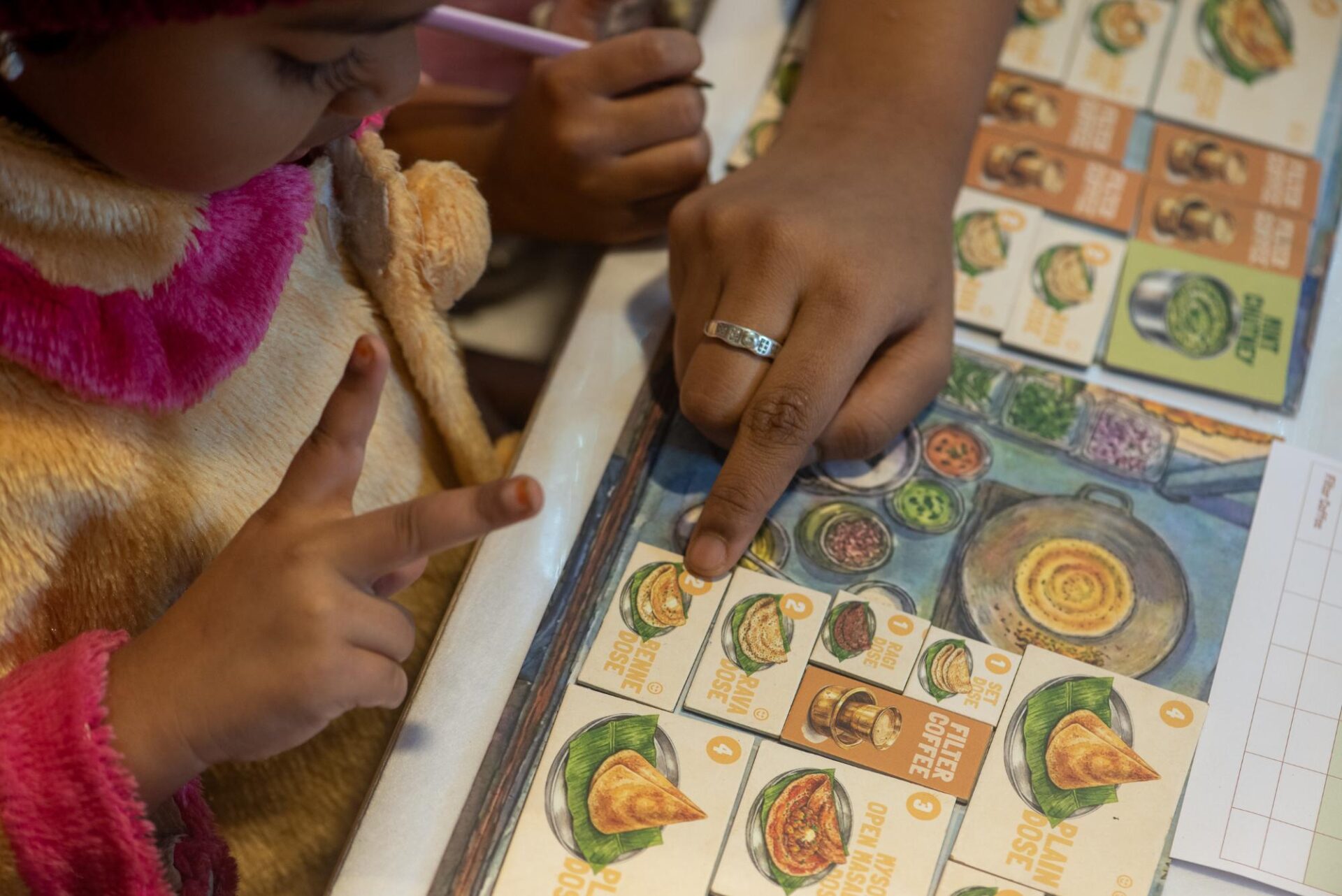 With Atada Angala, learning happened through friendly competition and shared strategy. Designed by Games for Ed, the installation featured five thoughtfully crafted board games that explored Bengaluru and Karnataka, its metro systems, literary cultures, food traditions, and sustainability challenges.
Each game encouraged collaboration, allowing children to navigate familiar geographies in ways they had never before. The act of play became a tool for civic literacy, grounding abstract ideas in everyday experiences.
Where the Wild Things Are
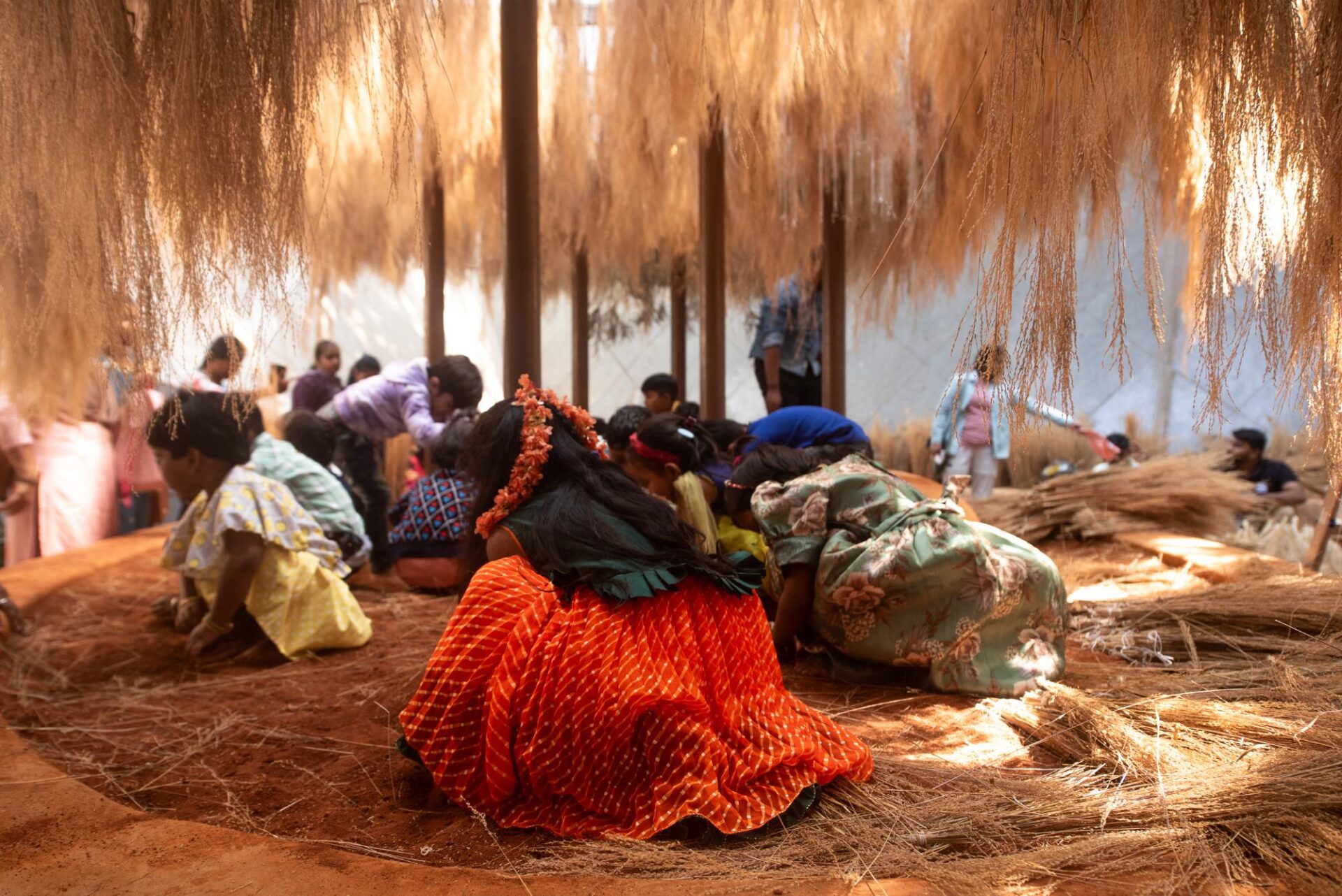 Where the Wild Things Are, designed in red earth and suspended foliage, was less an installation and more a temporary forest. Created by Made in Earth Collective, the space used locally sourced materials like Chowchi kaddi, Casuarina, Thagate gida, to form a tactile, breathable environment.
 Inspired by Maurice Sendak’s iconic book, the installation translated the vibe through messiness and imagination. Children sat on the ground, touched dried leaves, listened to the sounds of the park, and invented stories. The project acknowledged contributions from Ohana School, Sparkling Mindz Global School, Belavala Foundation, and farmers from Byadgi, reinforcing its deeply collective nature.
Elli, Ekke, Ennu
 Part puzzle, part city map, Elli, Ekke, Ennu asked children to assemble Bengaluru on the ground – piece by piece. Designed by Anchita Kaul, Akshata Avarsekar, and A. Shree Tej, the life-sized game used clues rooted in food, birds, lakes, and everyday memories.
 What emerged was an interesting, unfixed, and fluid image of the city, built from conscious and subconscious recognition rather than instruction. The installation celebrated what children already know, allowing the city to be reassembled through lived experience.
Build-a-Story
Under the shade of a mango tree, Build-a-Story blurred the boundary between structure and narrative. Designed by BBLOX Design, the installation combined steel frames with replaceable cardboard cubes, while Leewardists created a mural backdrop that anchored the space visually. Children were invited to draw, write, and rearrange the cubes during workshops, turning the installation into an evolving comic strip.
Aata Ooru: Play City
Aata Ooru was conceptualised as neither a playground nor a sculpture, and was placed to exist somewhere in between. Designed by Roshni Gera and Bharat Raj Thukral, the installation drew inspiration from minimal surfaces such as the gyroid, resulting in a looping, porous structure. Children climbed, rested, and gathered instinctively, using the form in ways that resisted prescription. The installation reflected the fluidity of urban life, where movement, pause, and encounter are celebrated together.
Follow the Butterflies: Design Beku
Follow the Butterflies unfolded as a soft forest of murals, games, and sculptural elements, as a gentle exploration of migration and ecology. Created by Padmini Ray Murray of Design Beku, with artists Sanika Dhakephalkar and Majid Abidi, the installation traced butterfly migration patterns across Bengaluru. Along with this, illustrations by Rohan Chakravarty added layers of humour and accessibility, while workshops encouraged children to observe their immediate environments more closely.
Kere Party
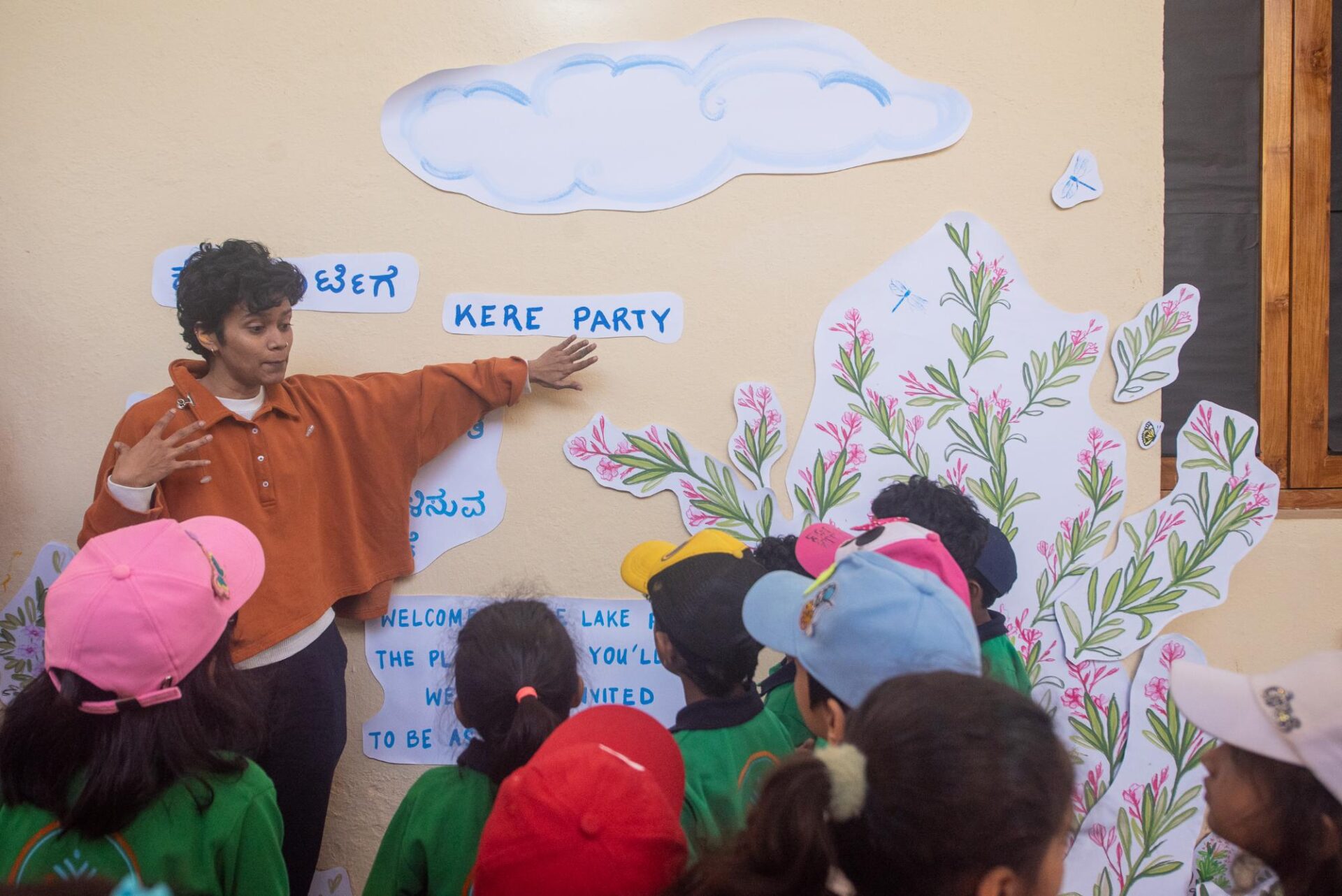
 In Kere Party, artist Deepa Juliana turned Bengaluru’s lakes into poetic protagonists. Through storybook-like trails and playful visuals, children encountered the flora and fauna that inhabit these fragile ecosystems.
 Cook & Keep
 In Cook & Keep, a life-sized board game by Shruti Taneja and Aaryama Somayaji, the intention was to use food to become anchors of memory and culture.
 Featuring ingredients like Byadgi chillies, Coorg coffee, and jackfruit, the game positioned children as custodians of culinary heritage. As the children played, each move got back stories about kitchens, grandparents, markets, and linking them back to their identity.
Odu-Nali
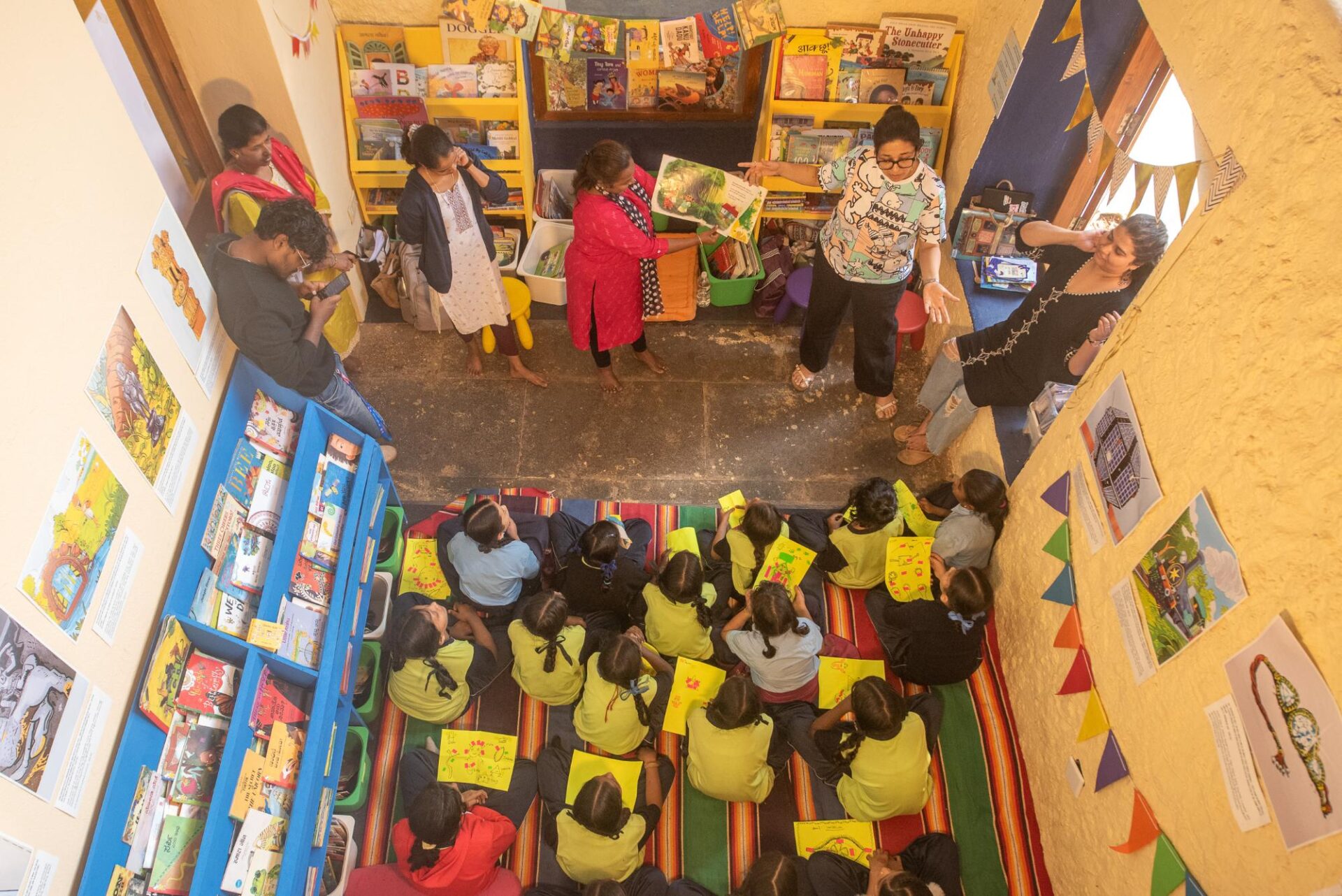 Odu-Nali was a pop-up library experience curated by Kahaani Box and Bee’s Bookspace. The experience of reading here was social, tactile, and joyful, amalgamating drawing and conversation.
Memory Keepers of the Future
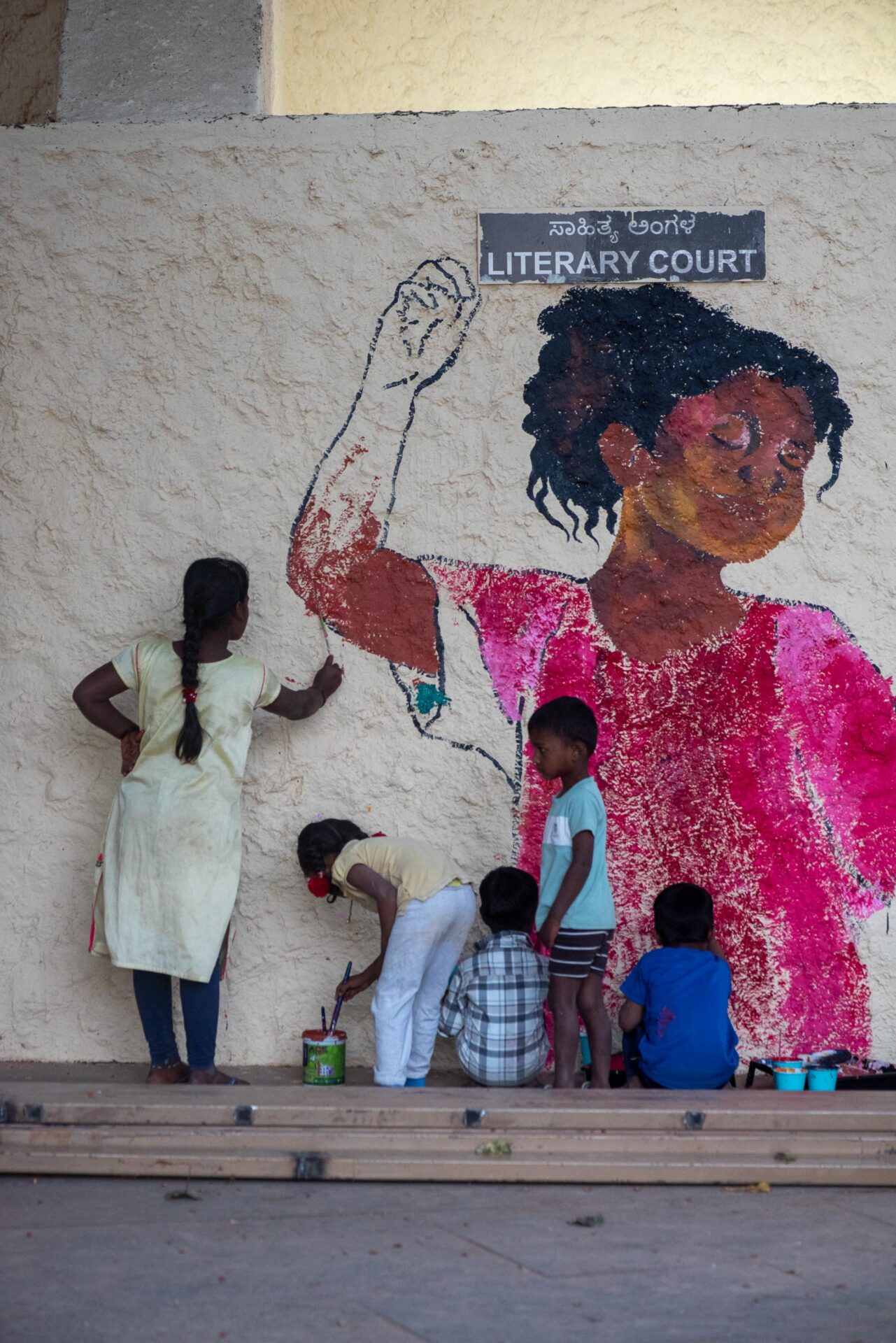
 Artist Nandini Moitra worked with children to transform Freedom Park’s colonial remnants into symbols of growth. Bars became branches, walls opened into imagined landscapes, and memory was reshaped collectively.
Hush Hour: Songs of Sleep
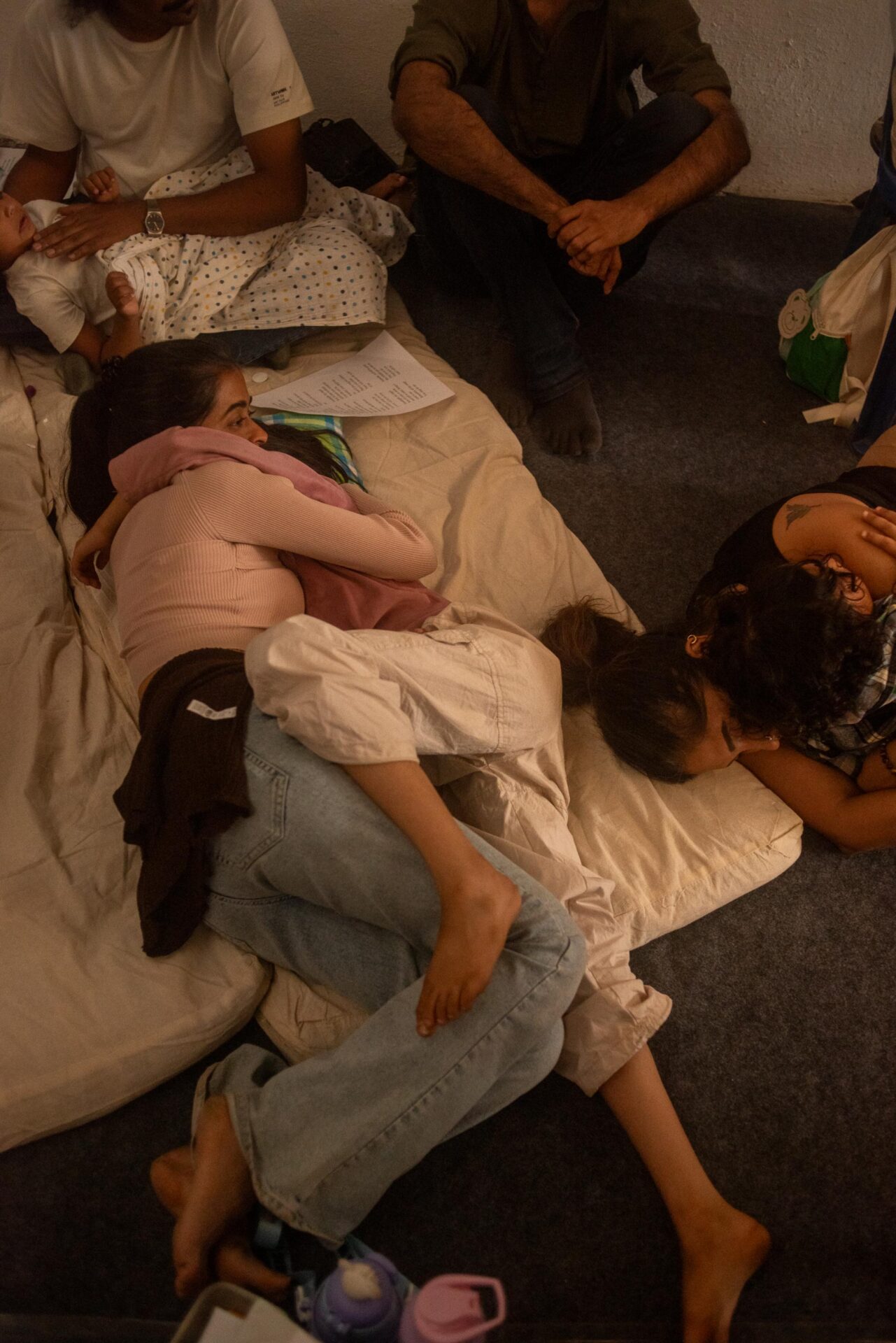 As evenings fell, Hush Hour brought the day to a close with lullabies sung in multiple languages by Akash Narendran and Deepthi Bhaskar. The moment reminded visitors that rest, too, is part of learning.
Bana Trails
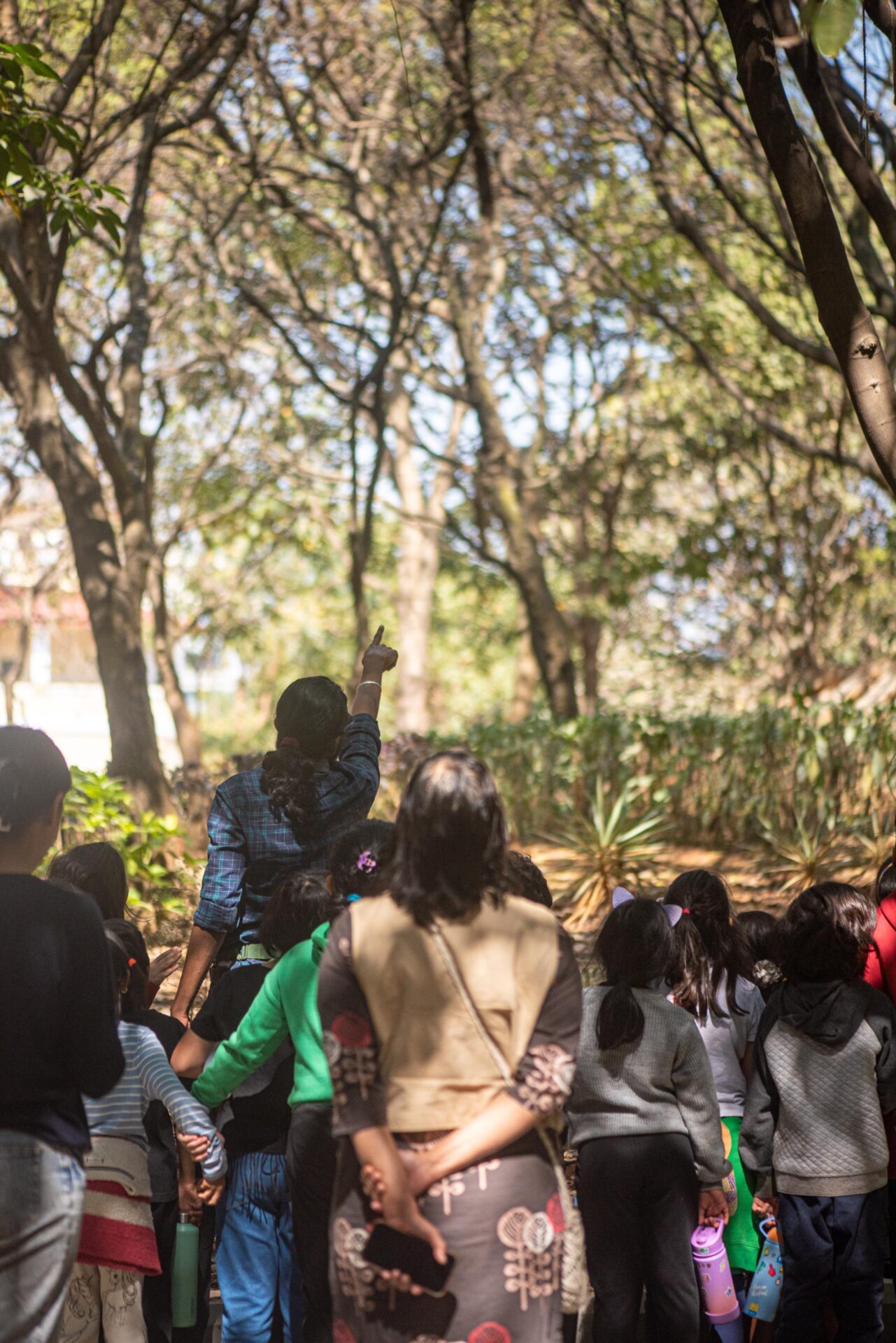 Bana Trails opened a reorientation of how children encounter nature within the city. Adapted from Thicket Tales’ Backyard Study Retreat and led by Saidevi Sanjeeviraja, Founder and CEO of Thicket Tales, the experience transformed everyday green pockets into open classrooms. Through guided trails, sensory observation, mapping exercises, and storytelling, children learned to notice biodiversity, seasonal change, and spatial relationships within their own neighbourhoods.
I Dream in Blue
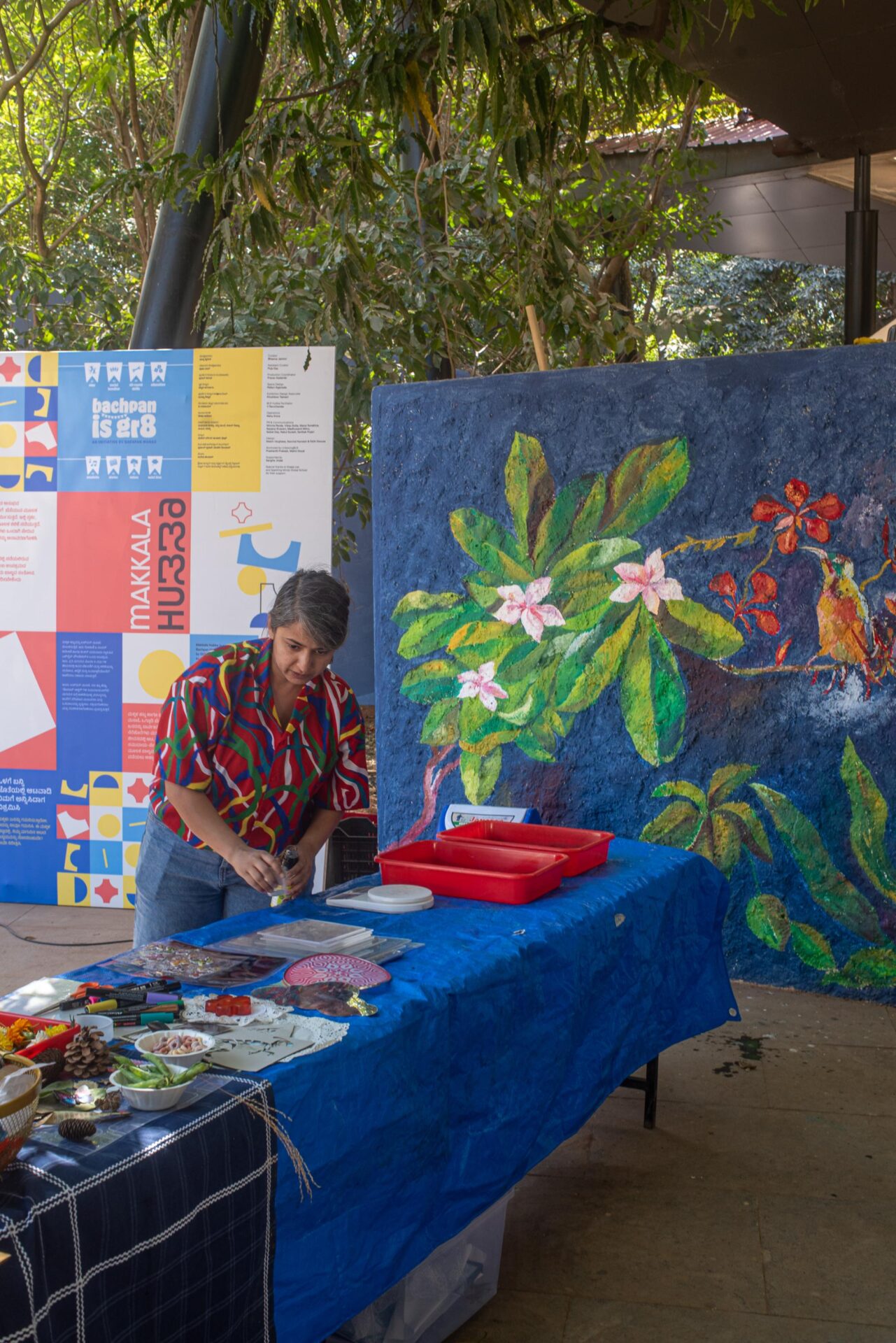 In I Dream in Blue, Rohini Kejriwal created a contemplative pause within the bustle of the hubba. Using an alchemical sun-printing process, she transformed objects like toys, fallen flowers, scraps of lace, and everyday remnants into blue-toned pieces.
All Photo Credits: Ishaan Raghunandan