
Sharjah Architecture Triennial on ‘Another City Is Possible’
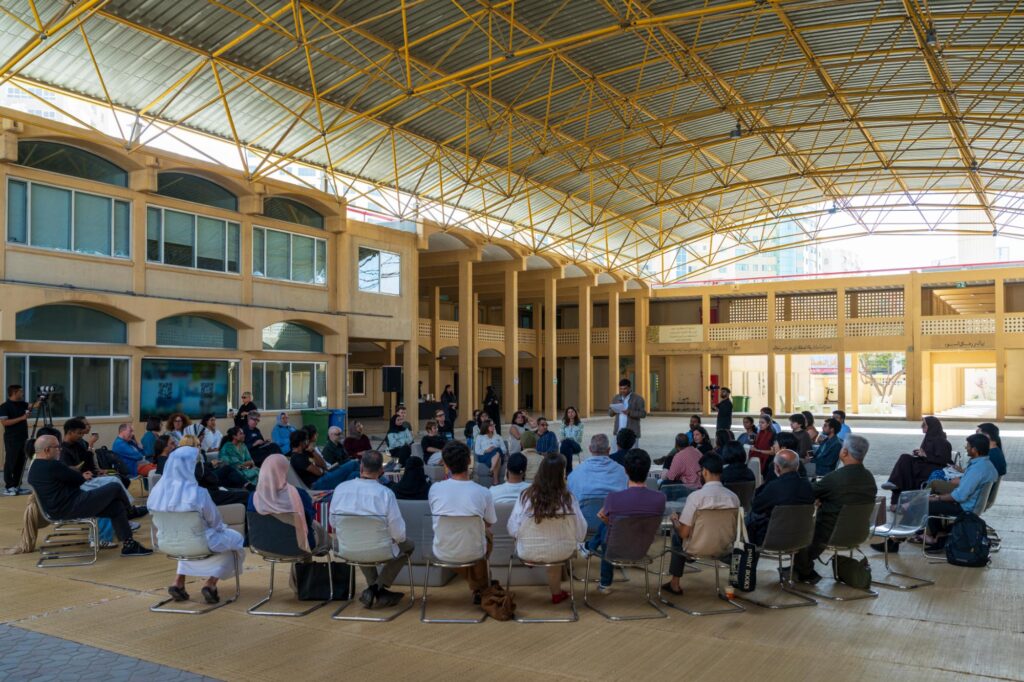
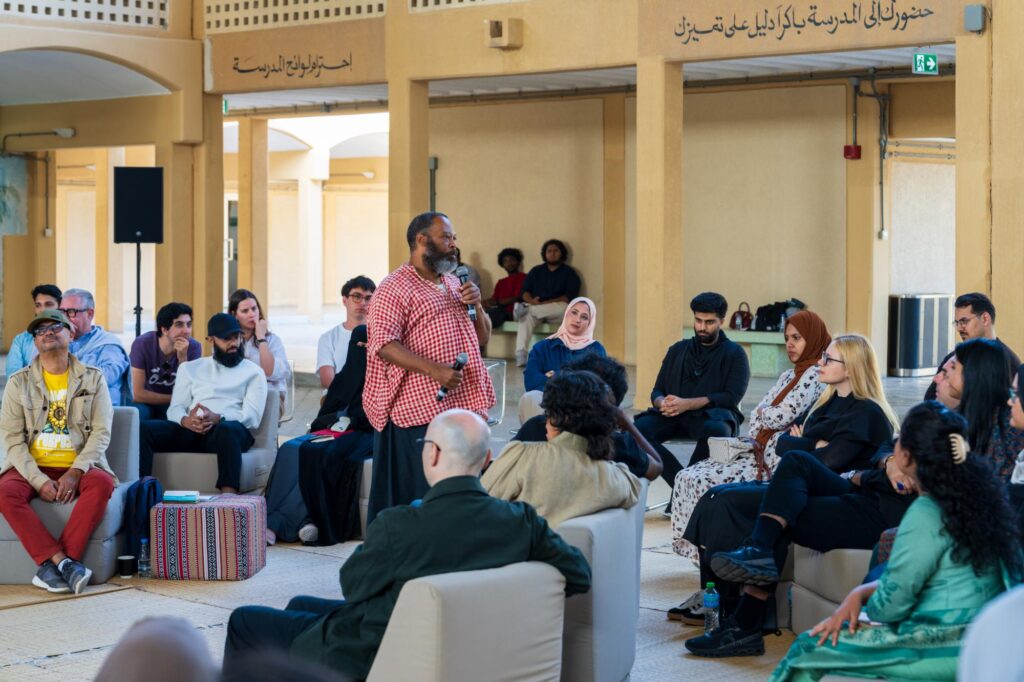
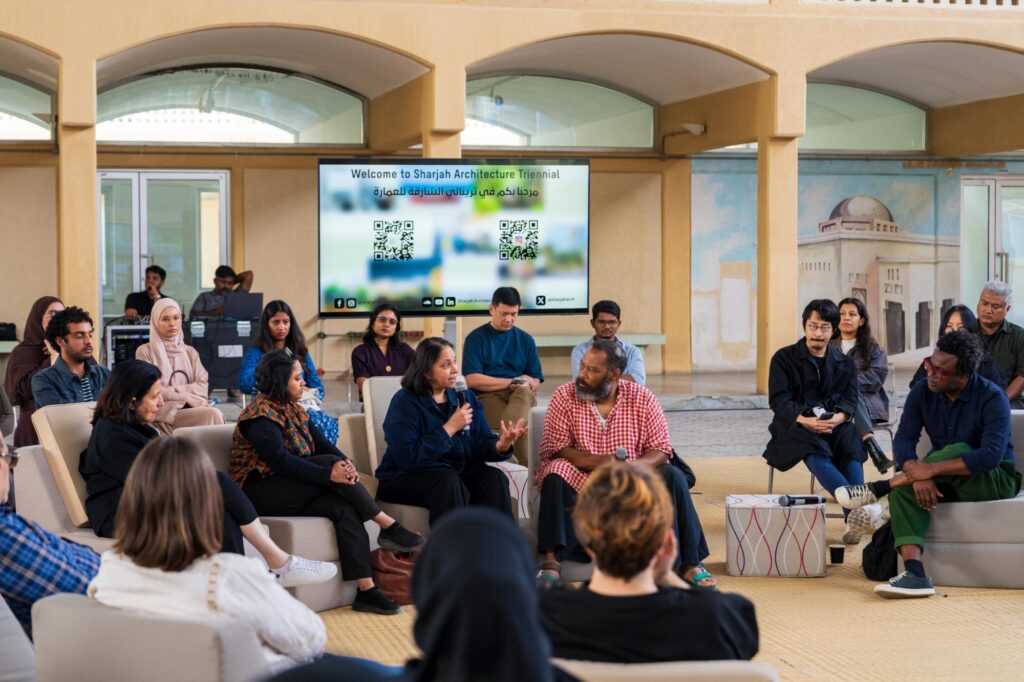
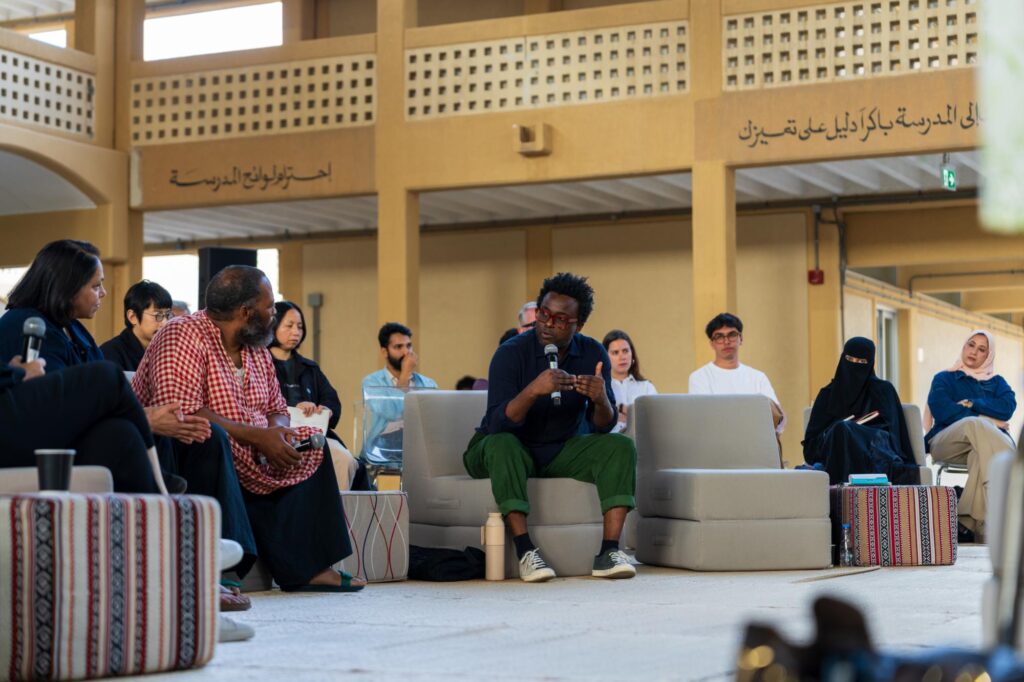
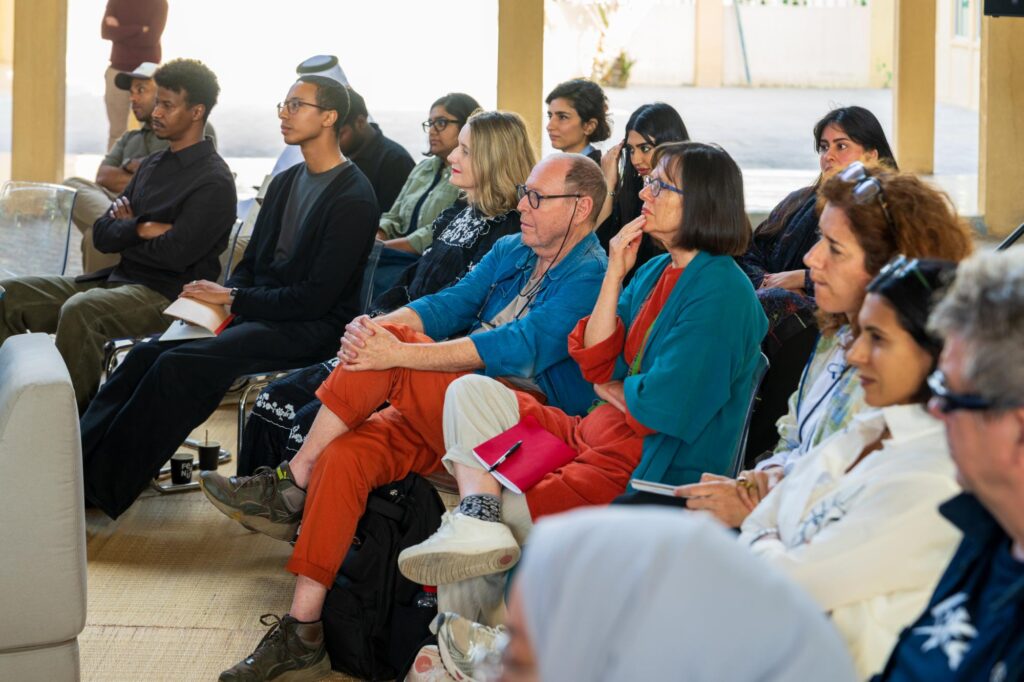
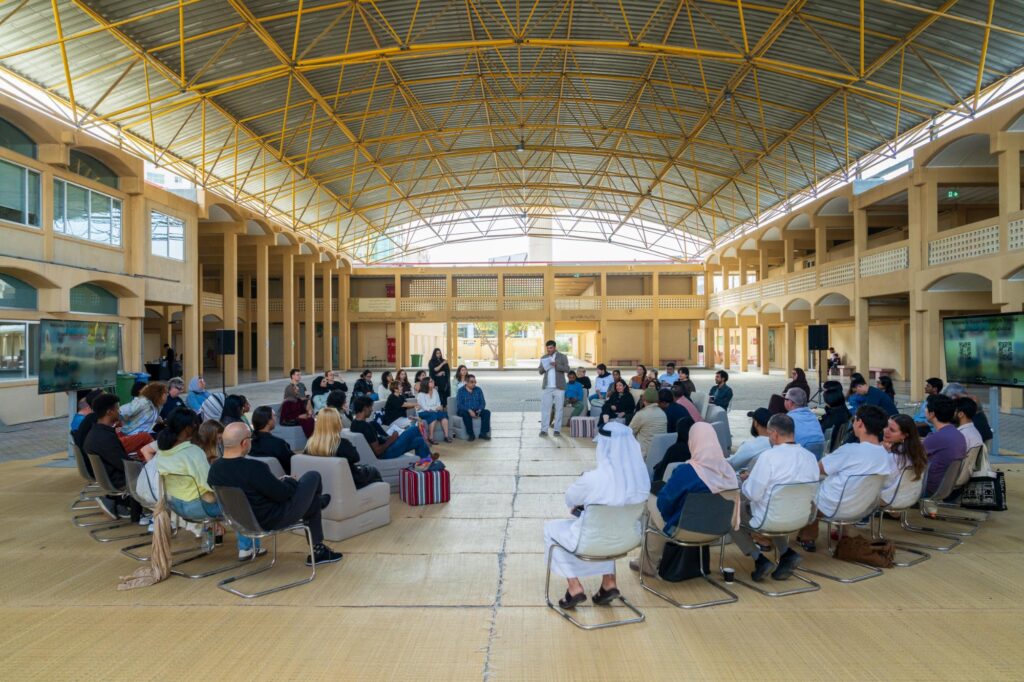
For the upcoming third edition of the Sharjah Architecture Triennial, scheduled to open on 14 November 2026, a public conversation, named ‘Another City Is Possible’, brought together architects, designers, academicians, and residents, where the curator of the Triennial Vyjayanthi Rao proposed a framework that deliberately unsettles architecture’s conventional boundaries. By Aishwarya Kulkarni
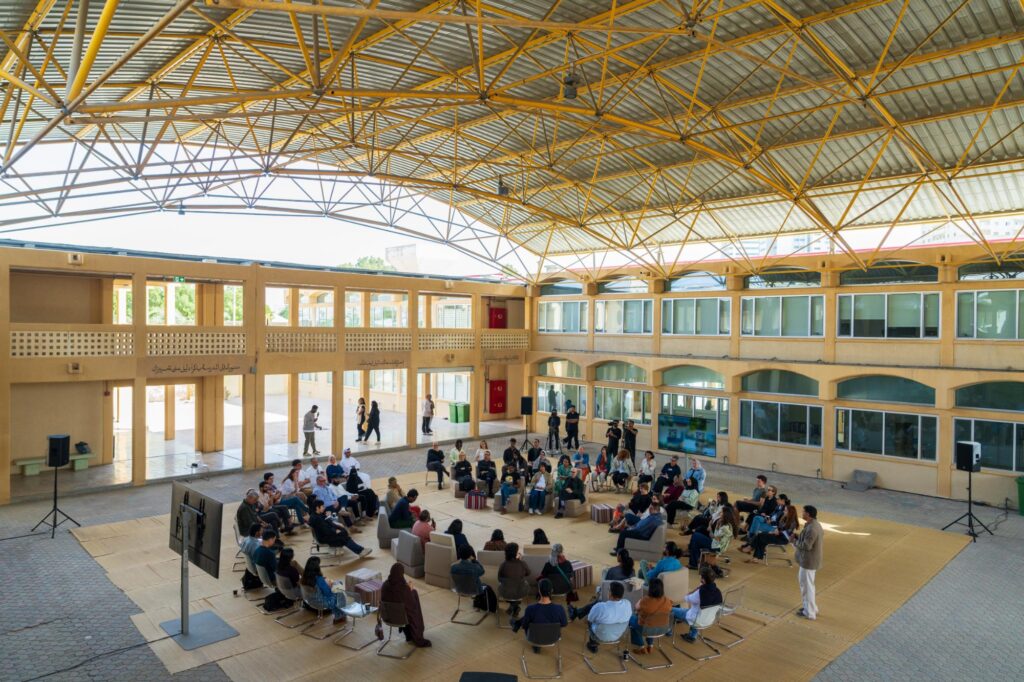 The theme of the third edition of Sharjah Architecture Triennial is ‘Architecture Otherwise’, and it asks what architectural practice might become when it shifts focus from objects to relations, keeping sensitive and contextual design at the core. As cities across the world undergo unprecedented transformation, architecture is increasingly being asked to do more than build. It must mediate differences, absorb cultural memory, and create conditions for collective life under pressure, says
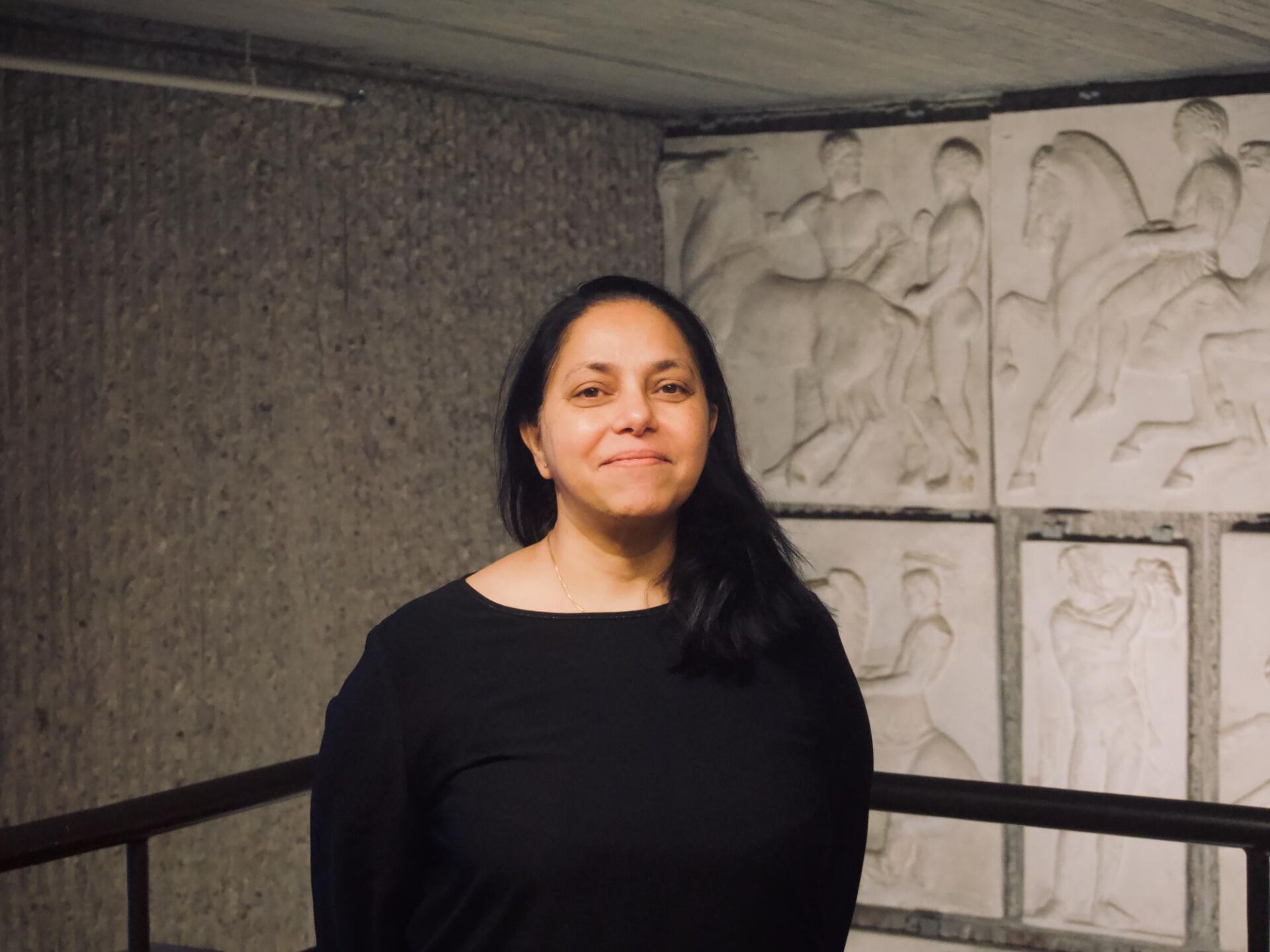
Vyjayanthi Rao is an anthropologist, writer, and curator whose work spans displacement, memory, ruination, and speculative futures. With a background rooted in socio-cultural anthropology and a teaching practice within schools of architecture, she brings a perspective shaped as much by lived urban realities as by disciplinary critique.
Architecture Otherwise, as articulated through her lens, reframes architecture as an ethical and social practice, one capable of imagining futures grounded not in dominance or control, but in shared life. In doing so, it reminds us that the city is never finished, and that another city is always possible. In a conversation with Aishwarya Kulkarni, she elaborates more on it.
 SCALE: The theme ‘Architecture Otherwise’ suggests a resistance to architecture as we usually understand it, and a sense of hope for better. What is the idea behind it?
Vyjayanthi: My own training is in anthropology, and over time I became increasingly interested in urbanisation as a social process. Urban anthropology itself is a relatively recent field, emerging from the recognition that most of the world’s population now lives in cities or urban-like formations. From an anthropological perspective, the key question is not only how cities function technically, but how they shape social life.
Modern urbanisation comes with certain shared metrics, transportation systems, density management, livelihoods, but cities are also deeply shaped by culturally specific histories and practices. The Gulf region is particularly interesting because of its long-standing connections with Africa and South Asia through trade, followed by the rapid transformations of the mid-20th century onward. These shifts have produced physical environments that are radically different from those many residents come from, including for local Emirati communities whose own lifeways have undergone significant change.
Architecture Otherwise emerges from recognising that architecture today is no longer fully in control of the building process. It has become highly professionalised and standardised, shaped by engineers, developers, financial systems. So the question becomes, how do people actually live within these environments? How can architecture be understood not only as building, but as the spatial basis for cultural practices, coexistence, and everyday life?
 SCALE: You’re suggesting that architecture extends beyond form into social relations, narratives, and cultural practices. Are there examples of this in the UAE?
Vyjayanthi: What I’ve observed particularly in Sharjah, in UAE, is a strong commitment to heritage, even if that heritage may appear recent to outsiders. Institutions like the Sharjah Art Foundation, and more recently the Sharjah Architecture Triennial, have been able to work with what already exists, existing buildings, neighbourhoods, and cultural practices, and reanimate them.
These practices set tangible examples. In a world governed by vast, anonymous global forces, physical and cultural models allow people to imagine alternatives. When you can walk through a space and experience a different way of inhabiting it, it becomes possible to believe that other ways of living are achievable.
 SCALE: What do you think we need to unlearn to imagine cities differently?
Vyjayanthi: Much of my academic life was centred on critique of making visible the forces that shape our lives. While that remains important, critique alone is not enough. We also need to pay attention to alternative models that already exist.
Urban life is defined by constant change. As modern subjects, we are always navigating uncertainty. Architecture, as a design practice operating at a large scale, has an ethical capacity to speculate, and to imagine futures grounded in material and social realities.
The COVID-19 pandemic offered a striking example. On one hand, digital life became ubiquitous, allowing people to remain connected. On the other, there was a rise in mutual aid and care networks that brought people into closer contact with their immediate surroundings and neighbours. These two tendencies pulled in different directions, but together they revealed new possibilities for social organisation and spatial interaction.
 SCALE: What can the upcoming Triennial tell us about these possibilities?
Vyjayanthi: Without revealing too much, one of our hopes is that the exhibition will function less as a spectacle and more as a set of invitations. The practices involved have emerged through interaction, either documenting social processes or actively inviting participation.
We’ve structured the Triennial through multiple gatherings of participants over time, allowing relationships and shared questions to form across geographies. What connects these practices is an attentiveness to users of the built environment rather than to formal novelty.
Sharjah, and the UAE more broadly, is profoundly cosmopolitan. People from hundreds of linguistic and cultural backgrounds coexist here, often intersecting only through work. We see the exhibition as a civic space where these communities might encounter one another differently, not through language alone, but through shared spatial experiences. Openness, hospitality, and inclusion are the architectural values we want to model.
 SCALE: With so many stakeholders shaping cities, what principles should guide collective decision-making?
Vyjayanthi: Public space is never neutral. It is public precisely because rules and constraints are imposed. Conflict, whether visible or subtle, is always present. The question is how societies culturally manage that conflict.
Rather than striving for artificial harmony, we should focus on being attuned and listening, interpreting, and working together despite differences. This applies across governments, NGOs, designers, and communities. I’m also interested in expanding how we think about infrastructure. Not just physical systems, but social and care infrastructures. As technologies potentially take over forms of hard labour, we have an opportunity to rethink how humans relate to one another and to other forms of life like plants, animals, ecosystems.
 SCALE: Finally, as a curator and educator, what principle guides your own work?
Vyjayanthi: For me, collaboration is fundamental. This exhibition is not the product of a single vision, but of ongoing dialogue with my co-curator Tao Tavegwa and the Sharjah Architecture Triennial team. Decisions cannot be made in isolation.
My own journey has been from seeing myself as an individual producer to recognising myself as a co-producer. Whether it’s knowledge, research, or exhibitions, outcomes are always collectively made. That humility, of recognising oneself as a guest in other people’s worlds, is essential, not only for anthropology, but for architecture and civic life as well.


