Rotterdam ROCKS! MVRDV Rethinks Sustainability
Rather than designing another landmark, MVRDV has proposed an ecosystem.
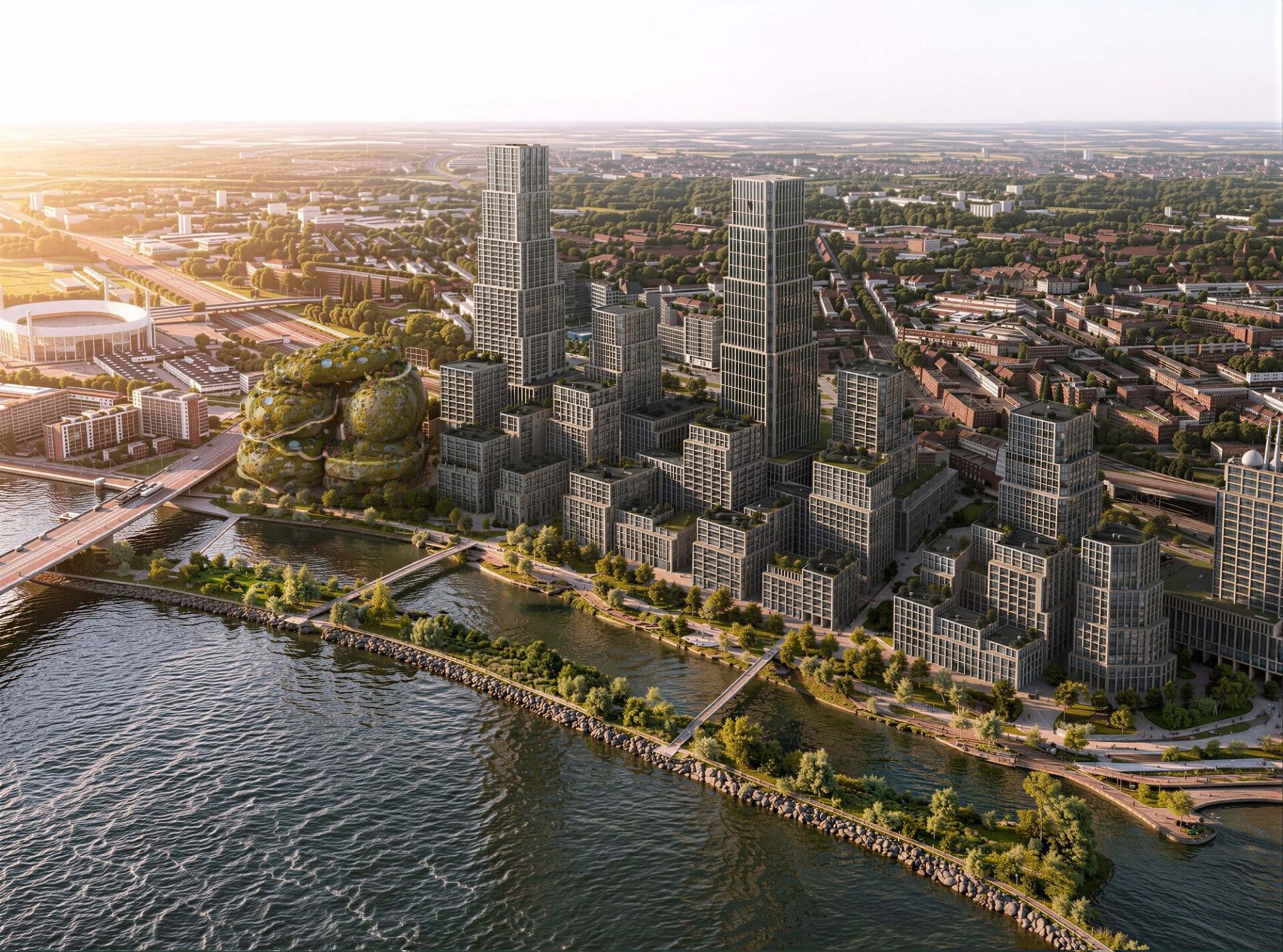 Architecture has long sought to reduce its environmental footprint. MVRDV’s winning proposal for Rotterdam’s new Shift Embassy asks a more ambitious question: can architecture actively inspire people to live differently? Conceived as a landscape and a building, the project combines immersive experiences, biodiversity and public space into a cultural destination that hopes to make sustainability not just visible, but lived.
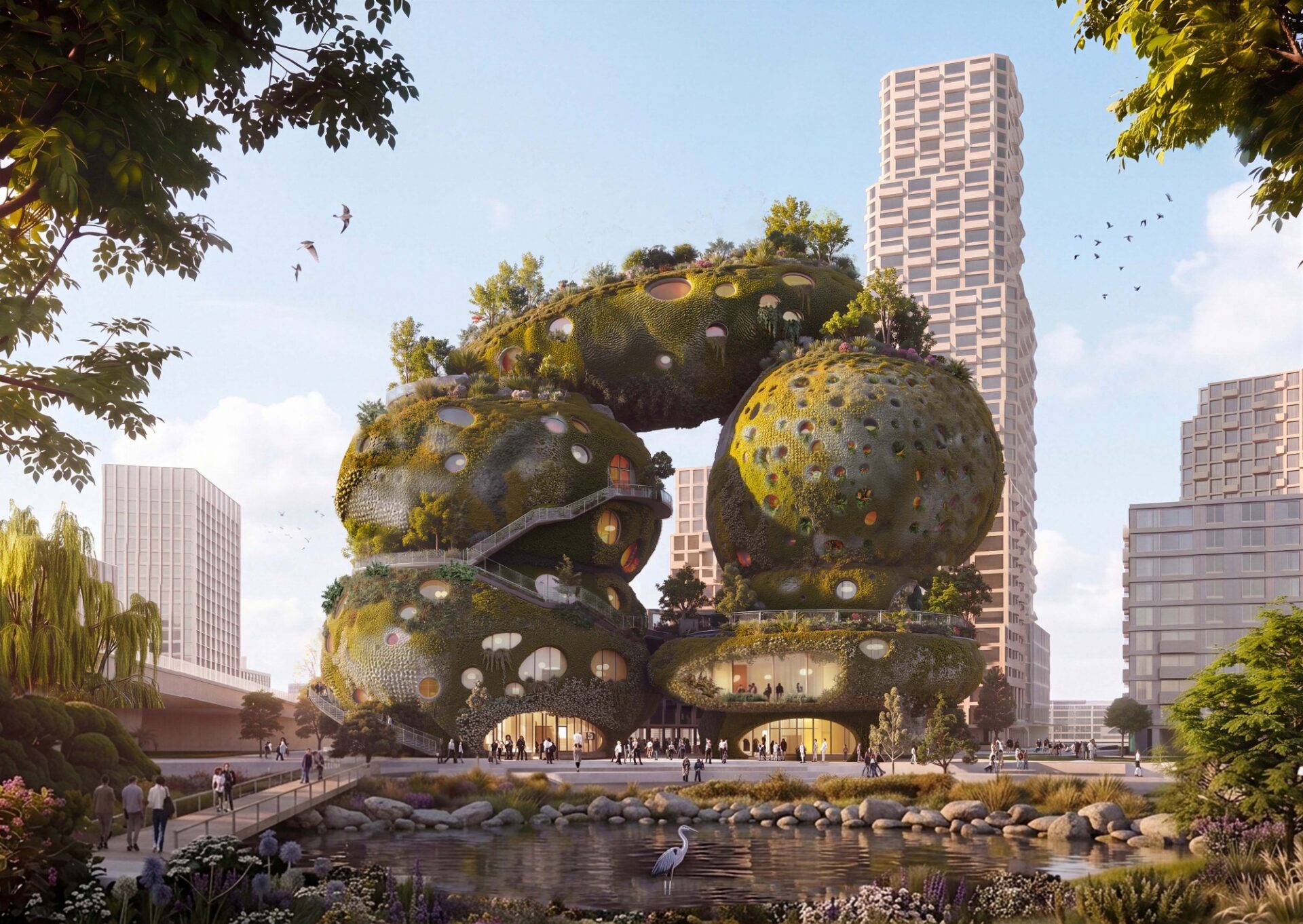
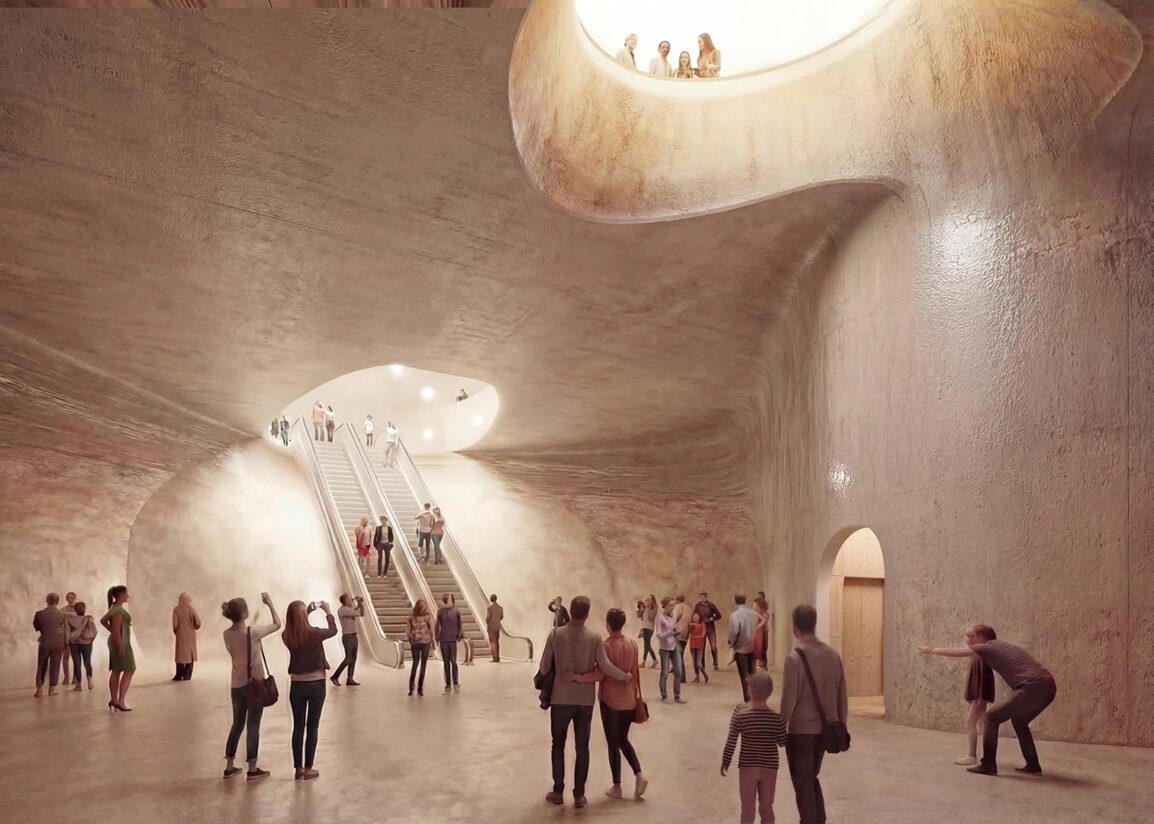
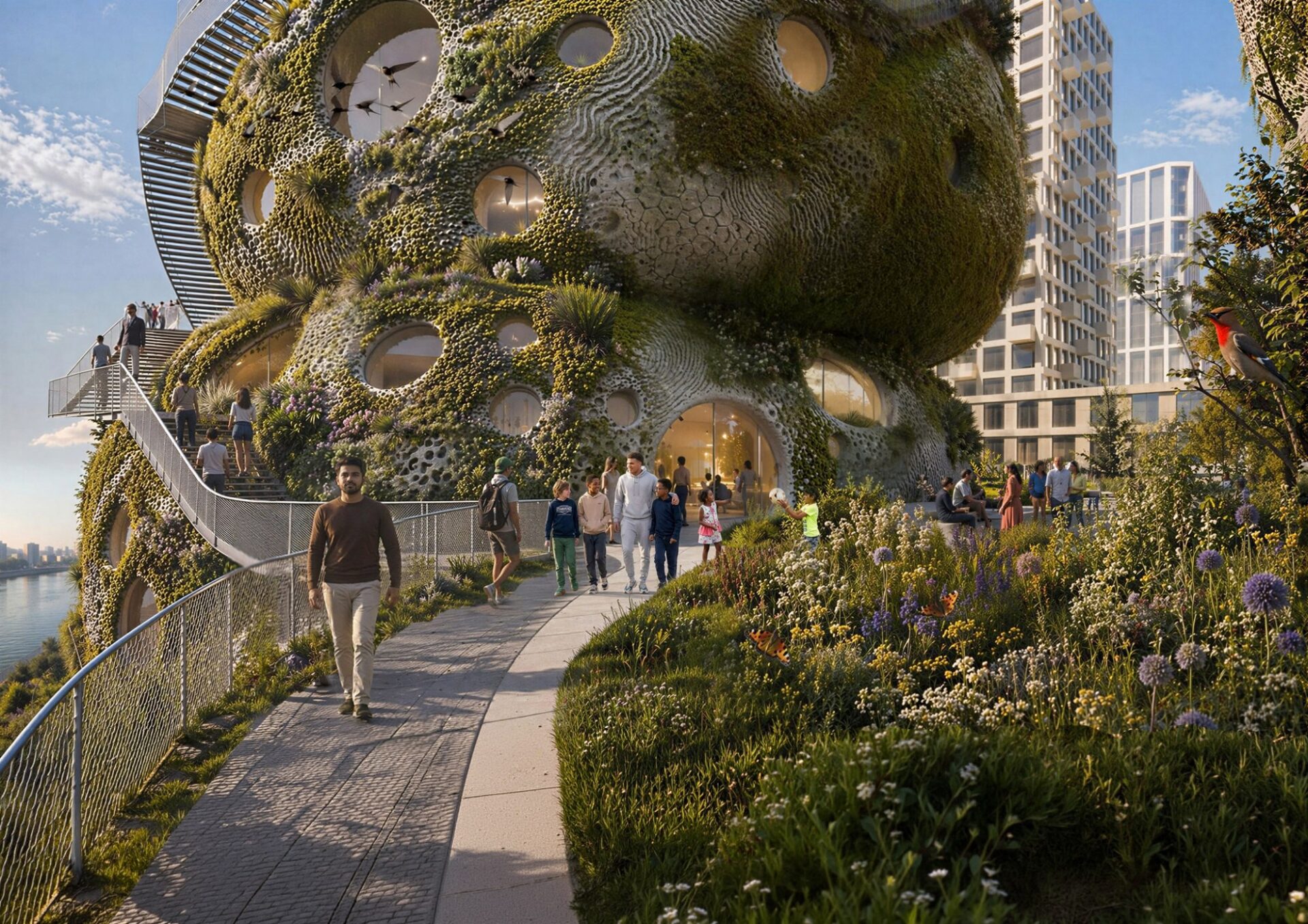 Named Rotterdam ROCKS!, the winning competition entry for the Shift Embassy transforms the idea of architecture into a sequence of inhabitable landscapes, where visitors climb through terraces, gardens, exhibition spaces, water features and viewpoints before reaching panoramic public spaces overlooking Rotterdam.
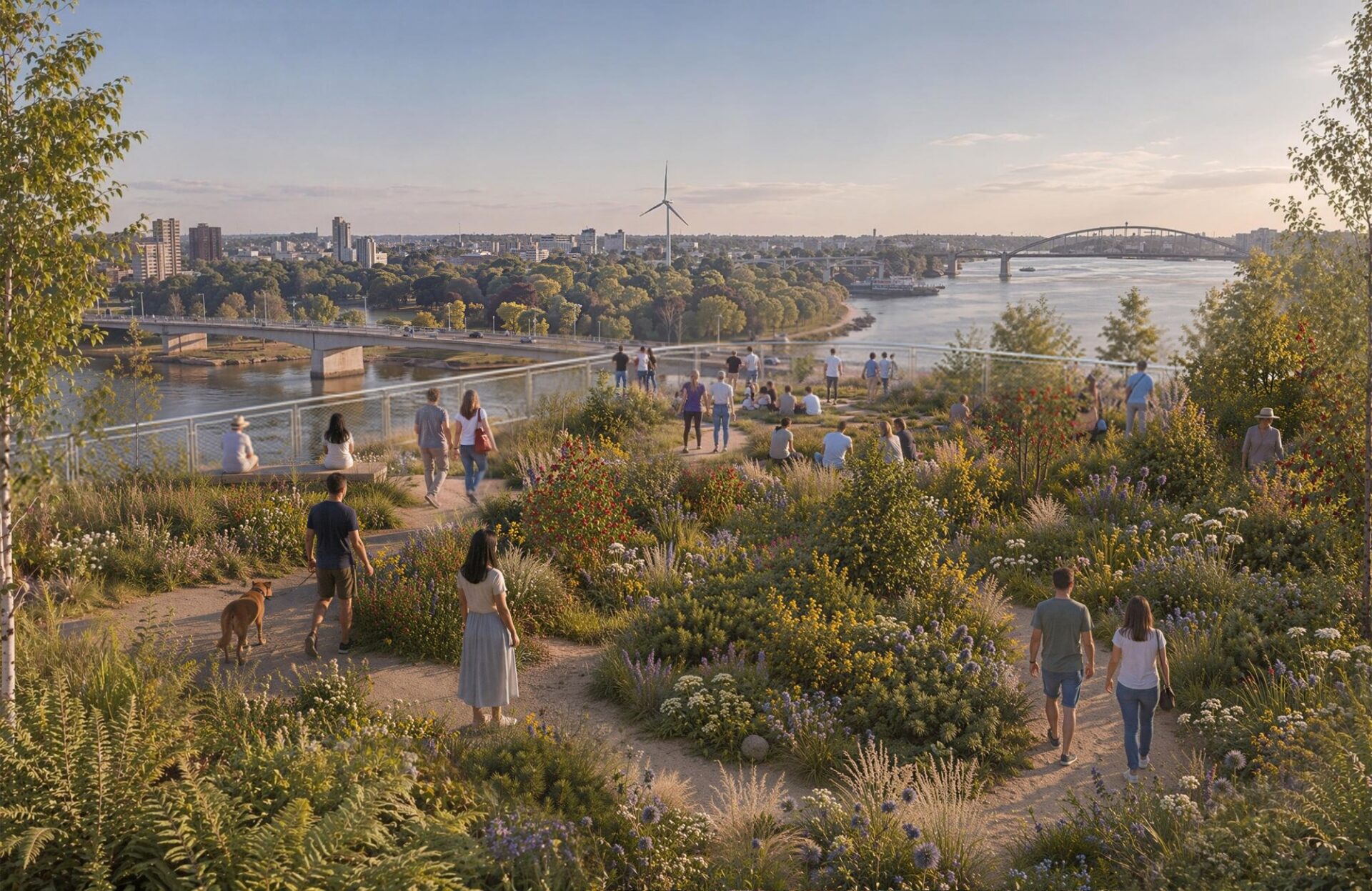 The project by MVRDV won an international competition organised by social enterprise Shift, whose ambition is to create a destination dedicated to accelerating ecological and societal change.
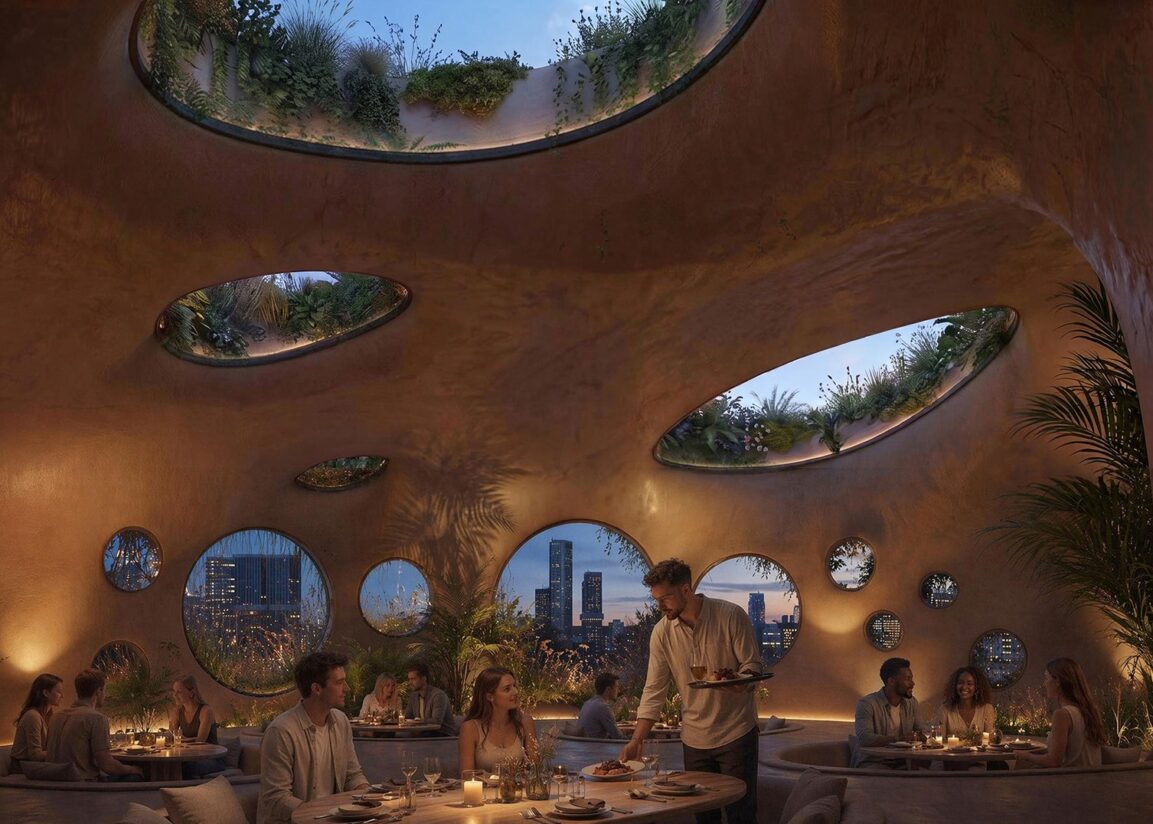
Unlike many sustainability-focused buildings that communicate through statistics or technology, the Shift Embassy intends to engage visitors emotionally. At its heart is The Elysium, a 5,000-square-metre immersive experience that replaces lectures with storytelling, art and interactive environments designed to encourage behavioural change. A hotel, food court, restaurant, educational spaces, community facilities and an observation deck complete the mixed-use programme, ensuring the building remains active throughout the day.
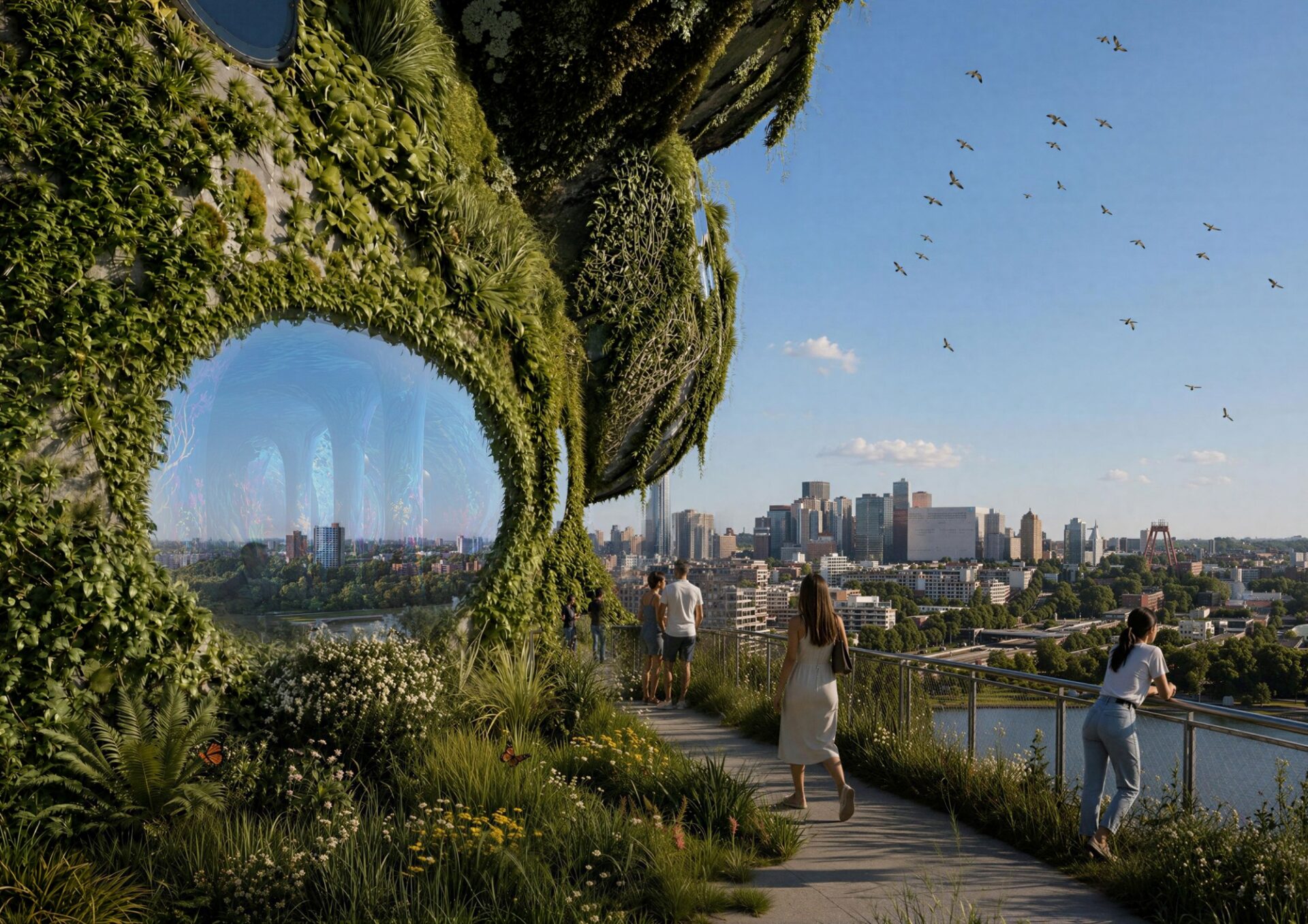 The jury described the proposal as “bold and unconventional”, praising its ability to move sustainability away from traditional messaging towards an architecture built around joy, curiosity and discovery. Instead of presenting climate responsibility as sacrifice, the project frames it as an engaging public experience.
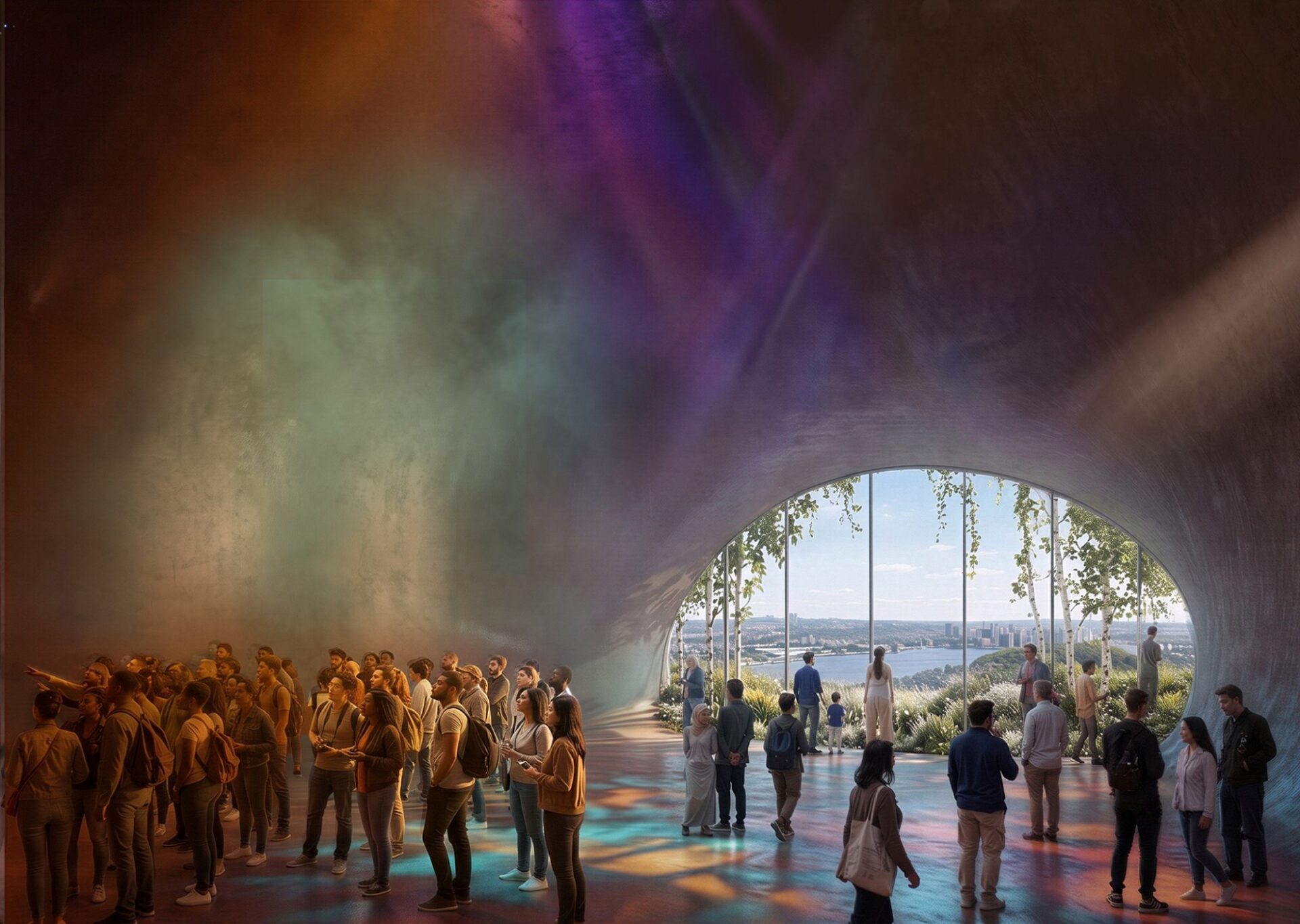 Physically, the building is imagined as seven stacked rock formations organised around a network of routes.
Rather than designing another landmark, MVRDV has proposed an ecosystem.
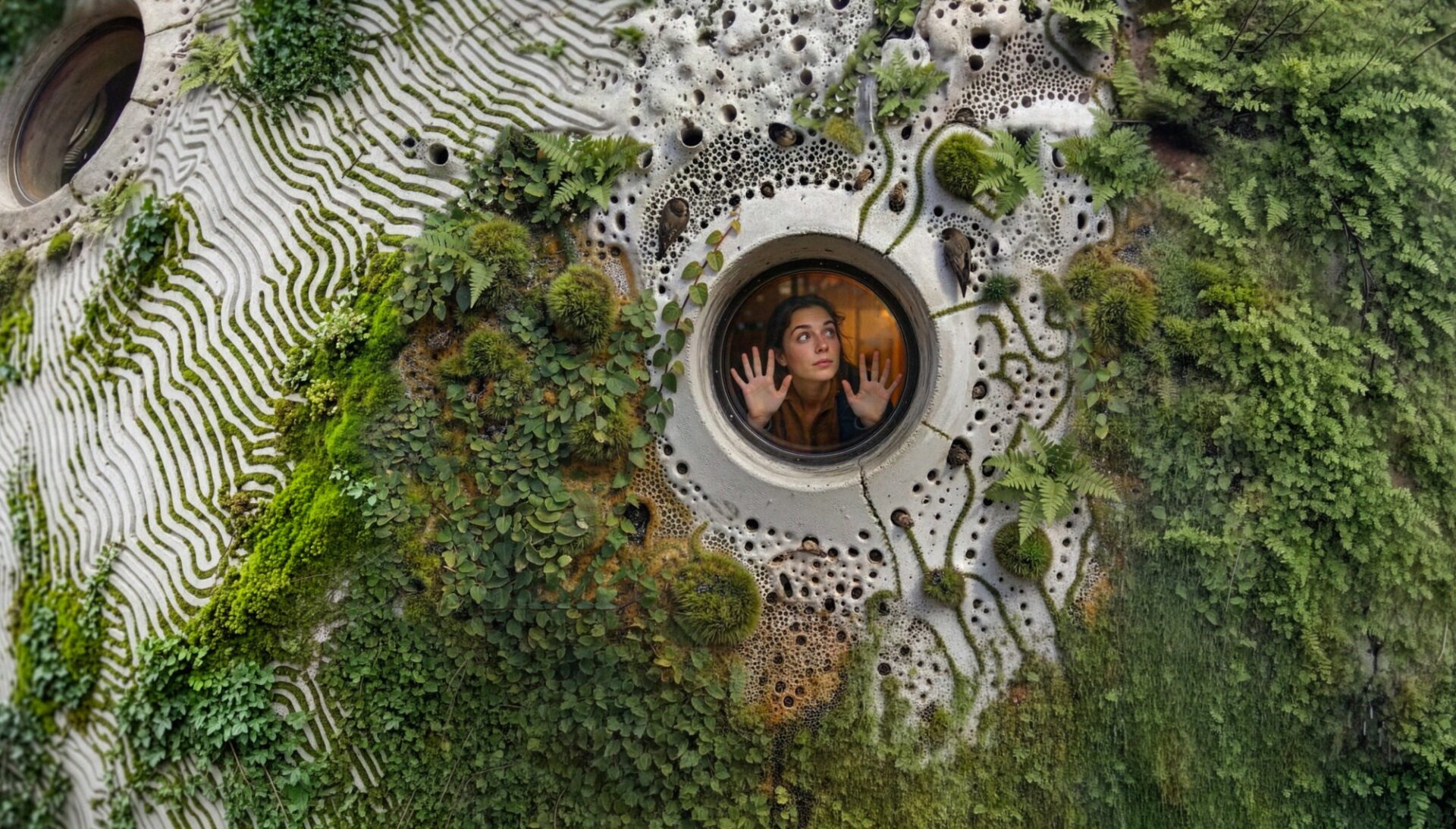 Two interior paths guide visitors through exhibitions and hospitality spaces, while a third exterior trail spirals around the structure, connecting terraces planted with vegetation and ending at a publicly accessible viewing platform. The textured façade is designed with pockets and niches capable of supporting soil, water, vegetation and wildlife, effectively extending Rotterdam’s riverside ecology vertically across the building.
Beyond Entertainment
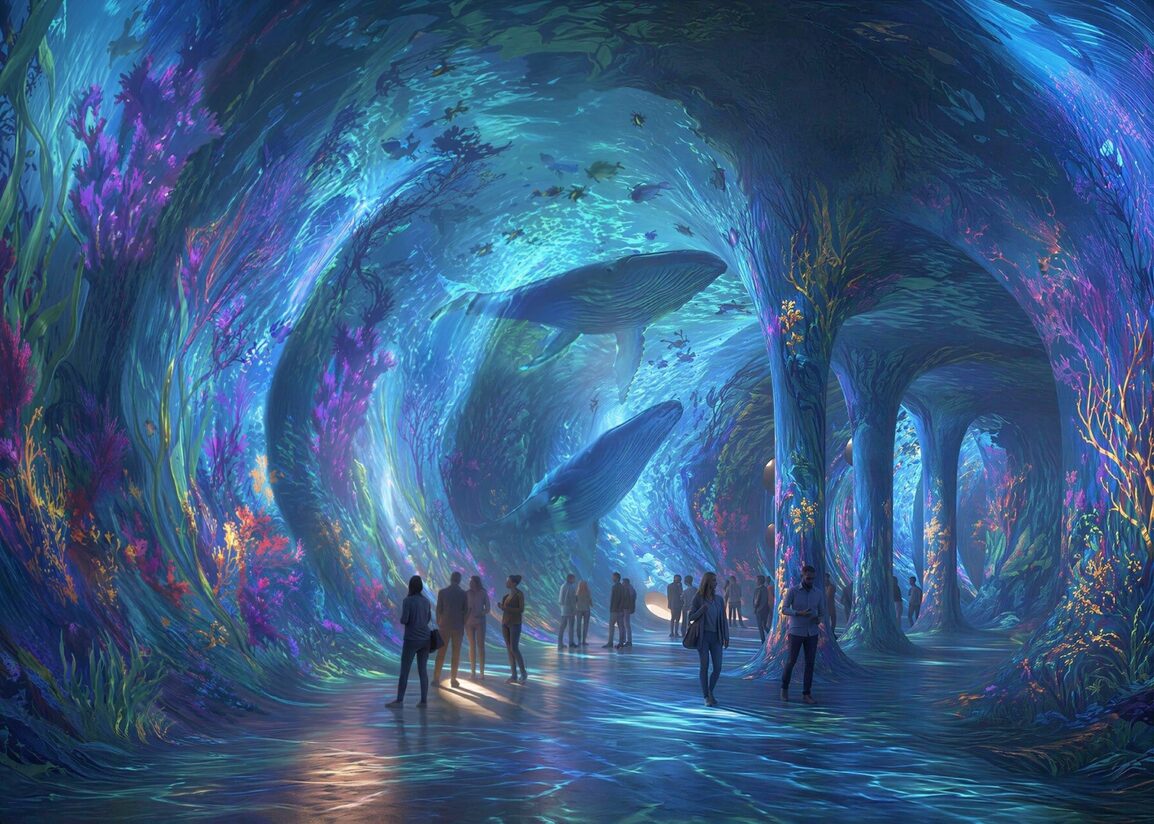 For founding partner of MVRDV, Winy Maas, the project began by expanding the competition brief itself. Rather than simply reducing emissions, he argues that architecture must simultaneously create space for people, plants, water and wildlife, integrating built form with new landscapes rather than treating them as separate systems.
“Our first step in approaching this design was to expand the brief – we need to reduce carbon dioxide emissions and to create inclusive spaces for people, trees, plants, for water, air, and for animal habitats, balancing the need for new built space with new landscapes to compensate our ecological impact. Our design integrates these human and natural spaces, playing with porosity to keep the project compact while maximising its ecological value,” says Winy Maas, founding partner, MVRDV.
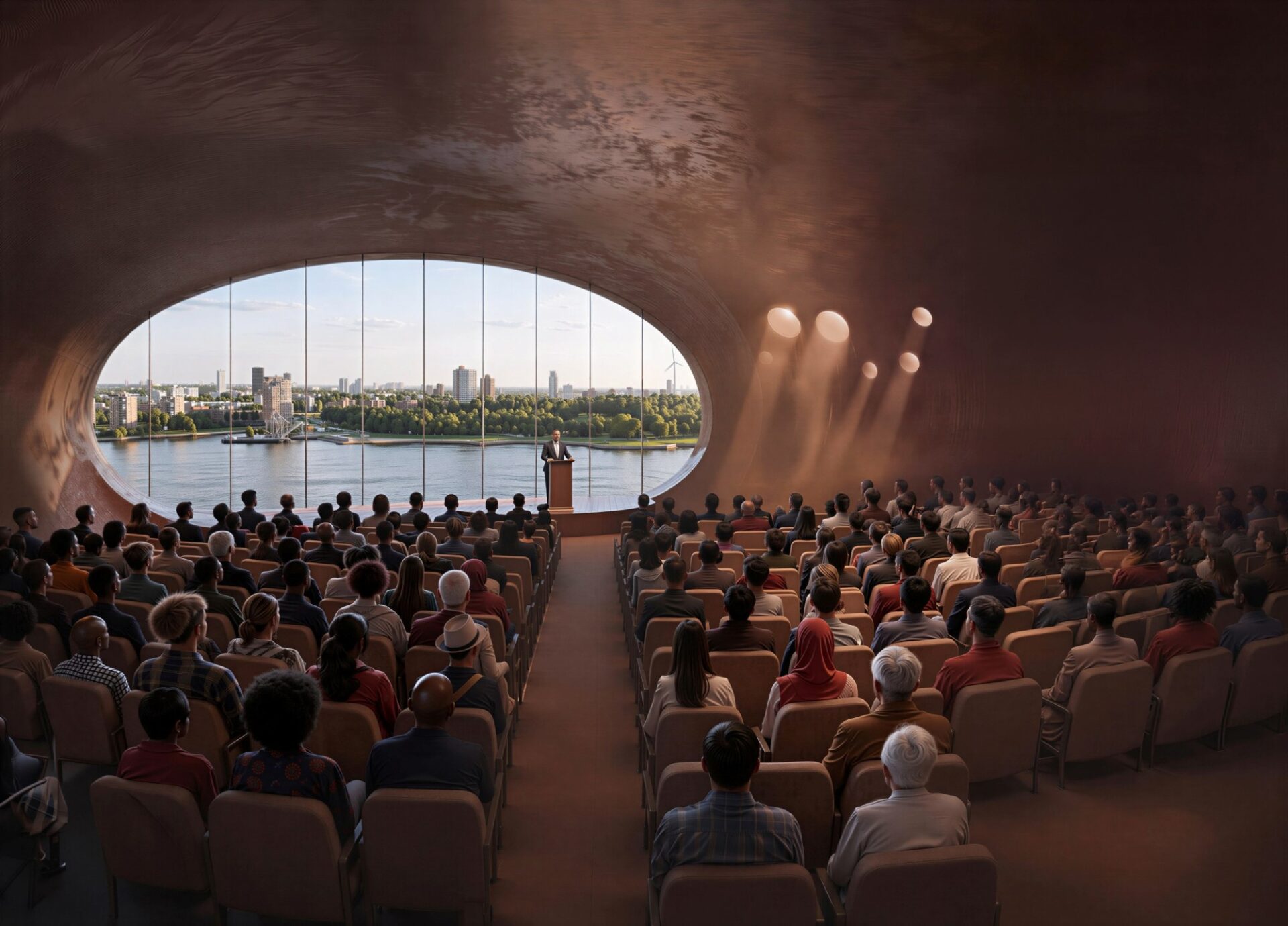 The sustainability agenda also extends to construction. Shift Embassy is intended to function as a public laboratory for low-carbon building techniques, openly documenting which construction strategies successfully minimise ecological impact. In doing so, the project hopes to contribute knowledge to the wider building industry rather than limiting innovation to a single development.
The proposal will become part of Waterkant, Rotterdam’s new riverside district planned around 3,750 homes, cultural venues, schools, offices and a tidal park. Positioned within this expanding neighbourhood, the Shift Embassy aims to become both a cultural landmark and a catalyst for conversations around climate resilience and collective responsibility.
 Perhaps the greatest contribution of MVRDV lies in how it reframes sustainability itself.
 Rather than presenting environmental responsibility as a technical problem solved by engineering alone, Rotterdam ROCKS! positions architecture as an active participant in changing everyday behaviour. It suggests that buildings can do more than consume less; they can invite curiosity, encourage participation and help shape new ways of living together.