Tadao Ando Designs Uzbekistan’s National Museum
Uzbekistan is expanding its cultural horizon with the upcoming National Museum in Tashkent, designed by Japanese architect Tadao Ando. The museum serves as a bridge between the country’s rich historical legacy and its evolving contemporary identity, offering a space for research, education, and international engagement. Its conception reflects a broader vision of culture as a central pillar in Uzbekistan’s national development, and is scheduled to open to the public in March 2028.
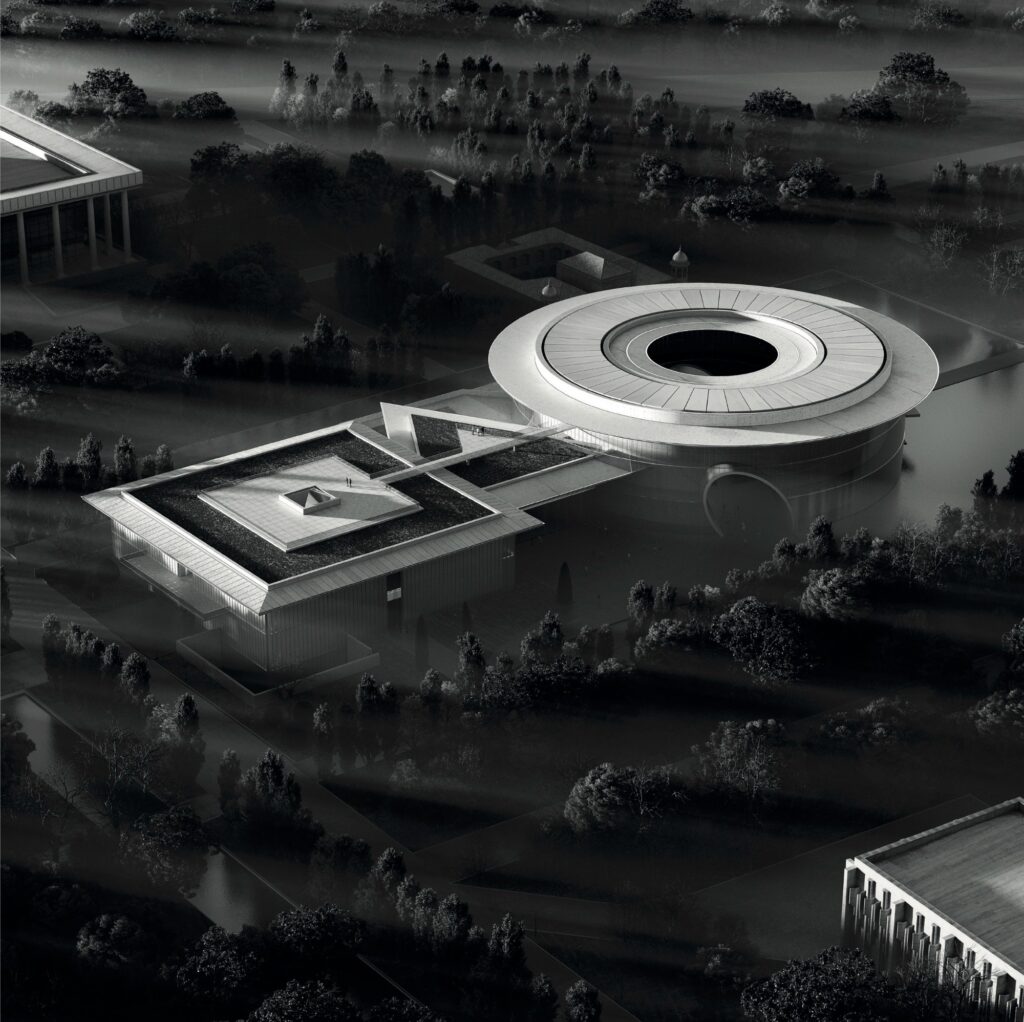
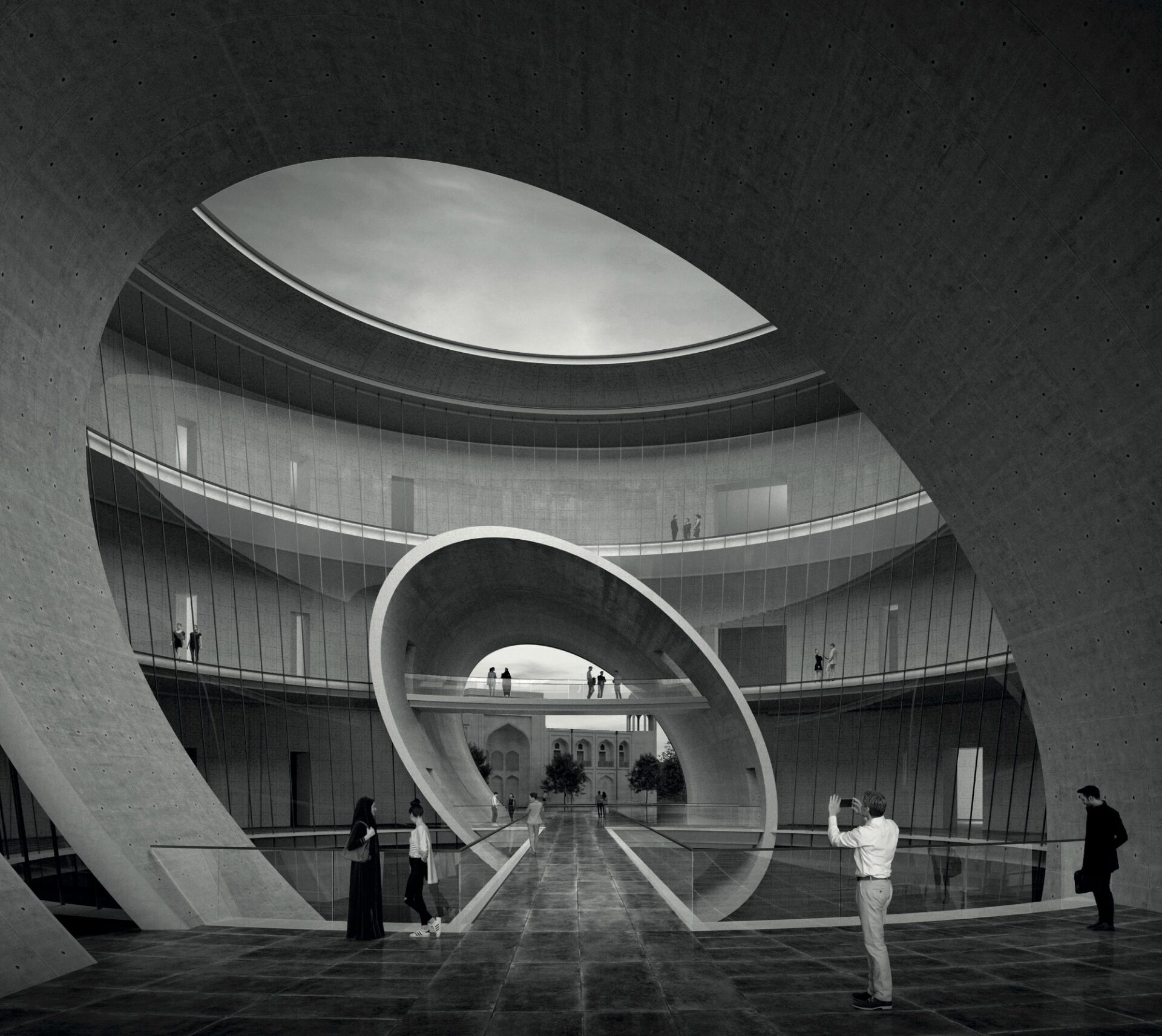
Render of National Museum of Uzbekistan, by Tadao Ando Architect & Associates, Courtesy of Uzbekistan Art and Culture Development Foundation
At the heart of this initiative is the Uzbekistan Art and Culture Development Foundation (ACDF) asked with preserving and nurturing the nation’s artistic and cultural heritage, ACDF has played a pivotal role in positioning Uzbekistan on the global cultural map. Its portfolio includes high-profile projects such as the World Conference on Creative Economy (2024), the Aral Culture Summit (2025), and Uzbekistan’s participation in Expo 2025 Osaka. Domestically, initiatives like the restoration of the Palace of the Grand Duke Romanov and the “Tashkent Modernism XX/XXI” research program reflect ACDF’s commitment to fostering opportunities for artists and practitioners at every scale, from local to international.
President of the Republic of Uzbekistan Shavkat Mirziyoyev notes: “The National Museum of Uzbekistan reflects our country’s revitalized cultural potential and serves as a vivid expression of our noble aspirations to create creative spaces that inspire, unite, and set an example for future generations. It will stand as a majestic symbol of the New Uzbekistan, representing its rich heritage and openness to the world.”
A Museum Beyond Collections

Library. Render by Atelier Brückner, Courtesy of Uzbekistan Art and Culture Development Foundation
The National Museum is envisioned as more than a conventional repository. Its design is intended to harmonise tradition and modernity, housing Uzbekistan’s national collections while providing spaces for public programs, research, and cultural dialogue. Visitors will experience a museum that not only showcases history but also actively engages with contemporary artistic practice, creating a dynamic environment where the past and present converge.
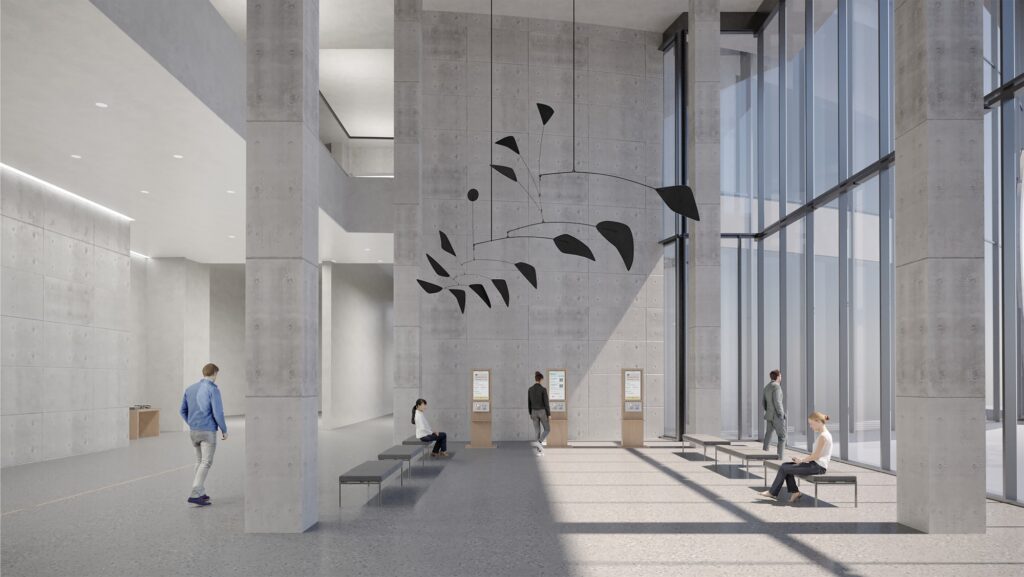
Foyer. Render by Atelier Brückner, Courtesy of Uzbekistan Art and Culture Development Foundation
“The National Museum of Uzbekistan will serve as a unique bridge between our past and our future,” says Gayane Umerova, Head of the Department for Creative Economy and Tourism of the Presidential Administration and Chairperson of the ACDF. “It reflects our national identity and confidence in Uzbekistan’s cultural capacity to shape a new society.”
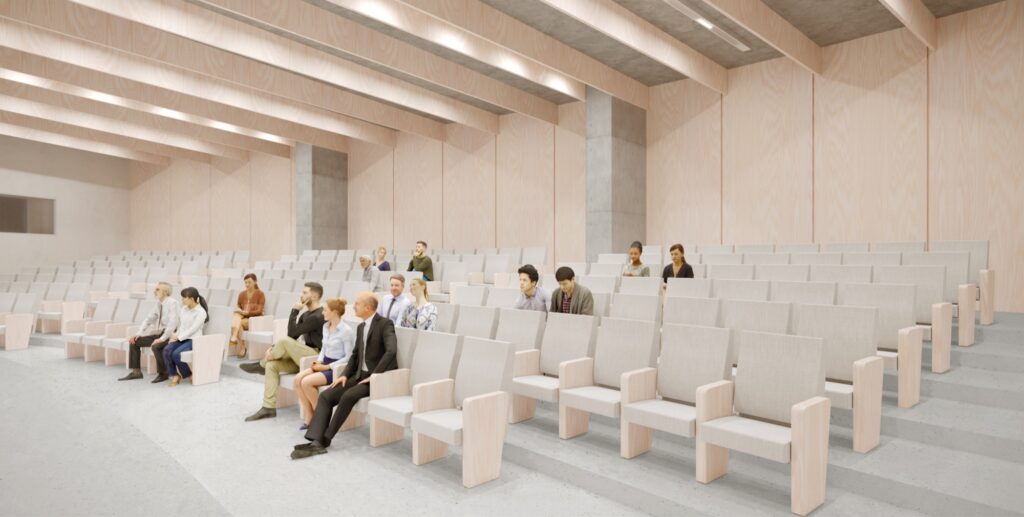
Auditorium. Render by Atelier Brückner, Courtesy of Uzbekistan Art and Culture Development Foundation
Architectural Vision by Tadao Ando
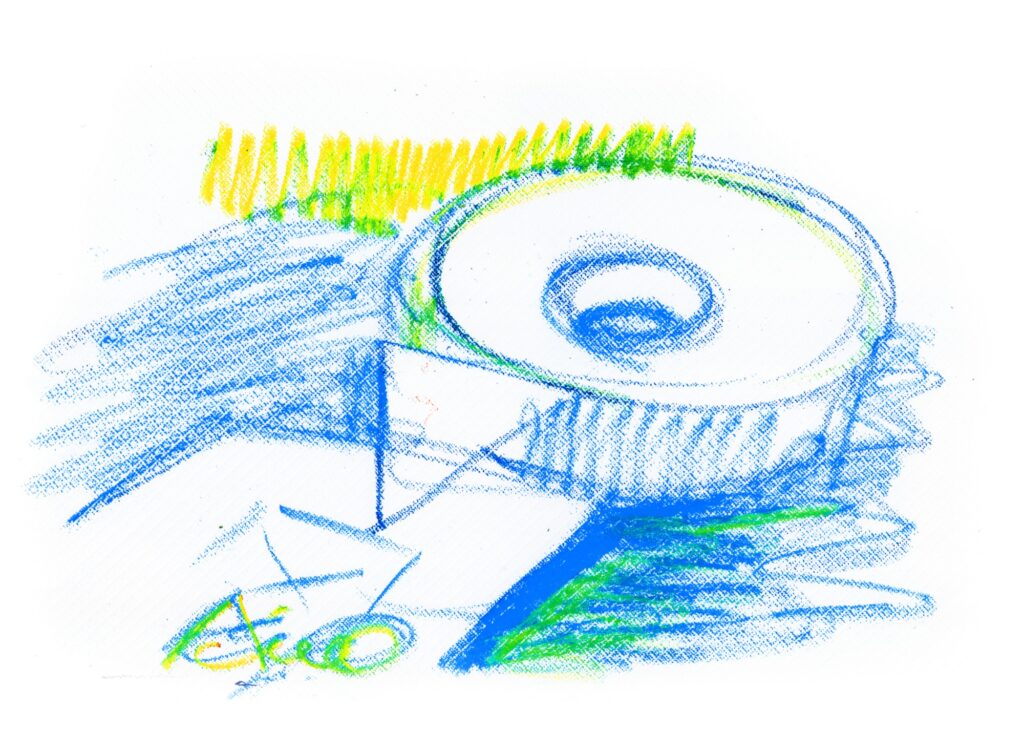
National Museum of Uzbekistan’s sketch by Tadao Ando Architect & Associates. Courtesy of Uzbekistan Art and Culture Development Foundation
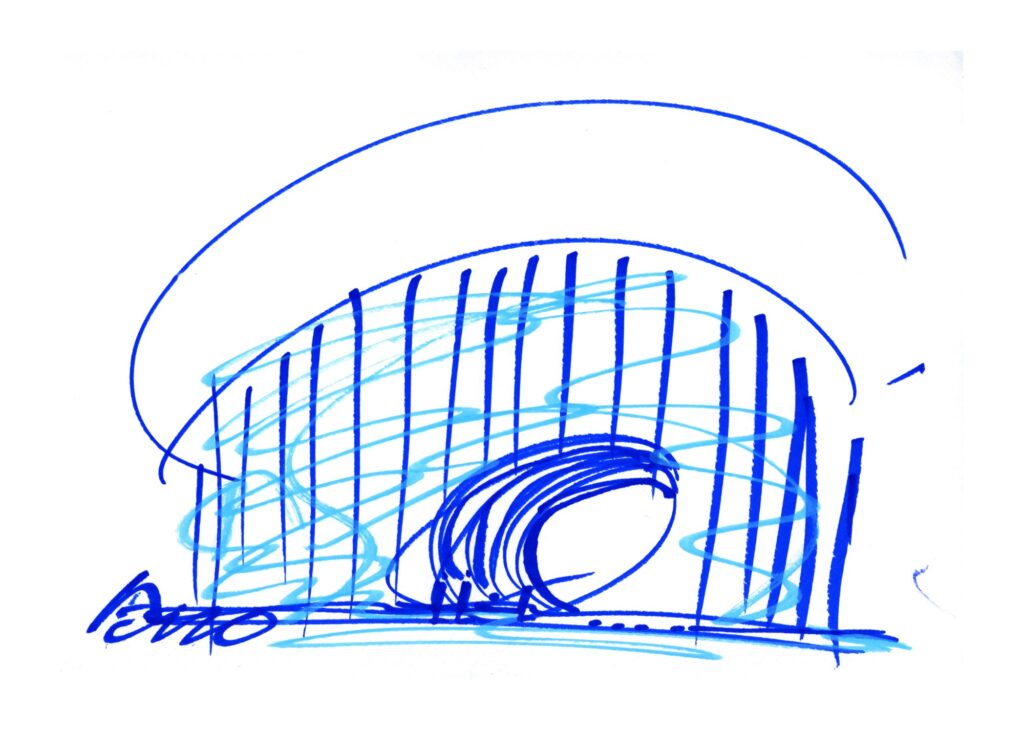
National Museum of Uzbekistan’s sketch by Tadao Ando Architect & Associates. Courtesy of Uzbekistan Art and Culture Development Foundation
Tadao Ando is renowned for his minimalist language, precise use of natural light, and sculptural concrete forms. His works, including the Church of the Light in Osaka and the Pulitzer Arts Foundation in St. Louis, create spaces that encourage contemplation and dialogue between architecture and visitor. While specific design details for the Tashkent museum are not yet released, Ando’s signature sensibilities suggest a building that balances quiet elegance with cultural symbolism. The museum is likely to offer a careful orchestration of volumes, light, and materiality, spaces that guide visitors through history while evoking a sense of reflection and discovery.
National Museum of Uzbekistan’s sketch by Tadao Ando Architect & Associates. Courtesy of Uzbekistan Art and Culture Development Foundation
Composed of circles and squares connected by triangles, the building will house both the museum and a library, with a public plaza connecting the two. “By building with these pure forms, I wanted to return to the origins of thought and create a space from which powerful ideas could be sent out into the world,” says Tadao Ando. “I hope that the Museum will serve as a new center of creative expression directed towards the world.”
Integration with Broader Cultural Infrastructure
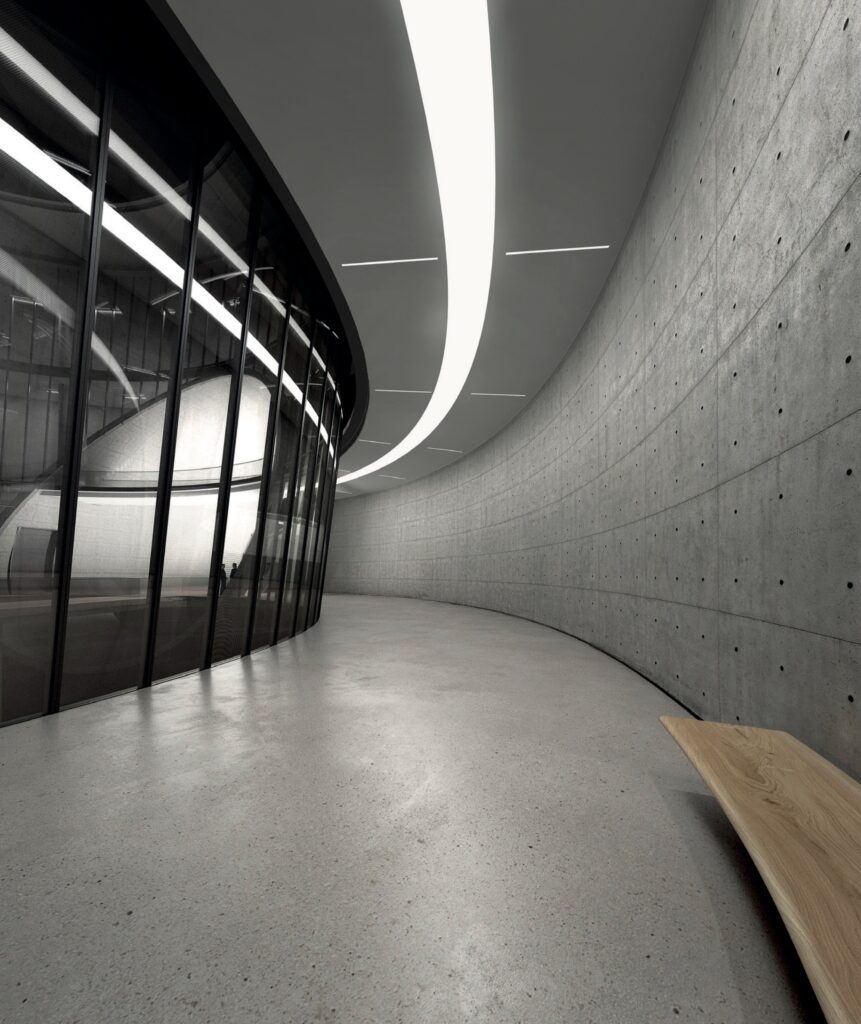
Render by Tadao Ando Architect & Associates, Courtesy of Uzbekistan Art and Culture Development Foundation
The museum forms part of a wider cultural strategy in Uzbekistan, alongside the revitalisation of the Centre for Contemporary Arts in Tashkent and the restoration of heritage landmarks. These initiatives collectively signal a strategic approach in which cultural infrastructure serves as both a repository of memory and a vibrant forum for creative exchange. The museum will contribute to a network of institutions that support research, contemporary practice, and public engagement.
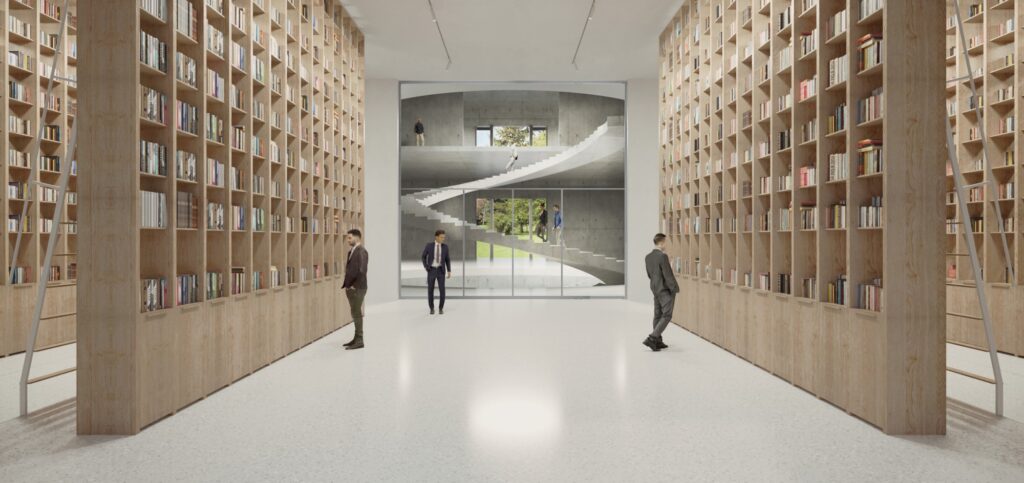
Library. Render by Atelier Brückner, Courtesy of Uzbekistan Art and Culture Development Foundation
Beyond architecture and collections, the museum is designed as a hub for international cultural collaboration. It is expected to host exhibitions, academic programs, and public initiatives that foster exchange and dialogue, positioning Uzbekistan as a participant in global cultural conversations. The project exemplifies how contemporary museums can serve as platforms for diplomacy as well as artistic engagement.
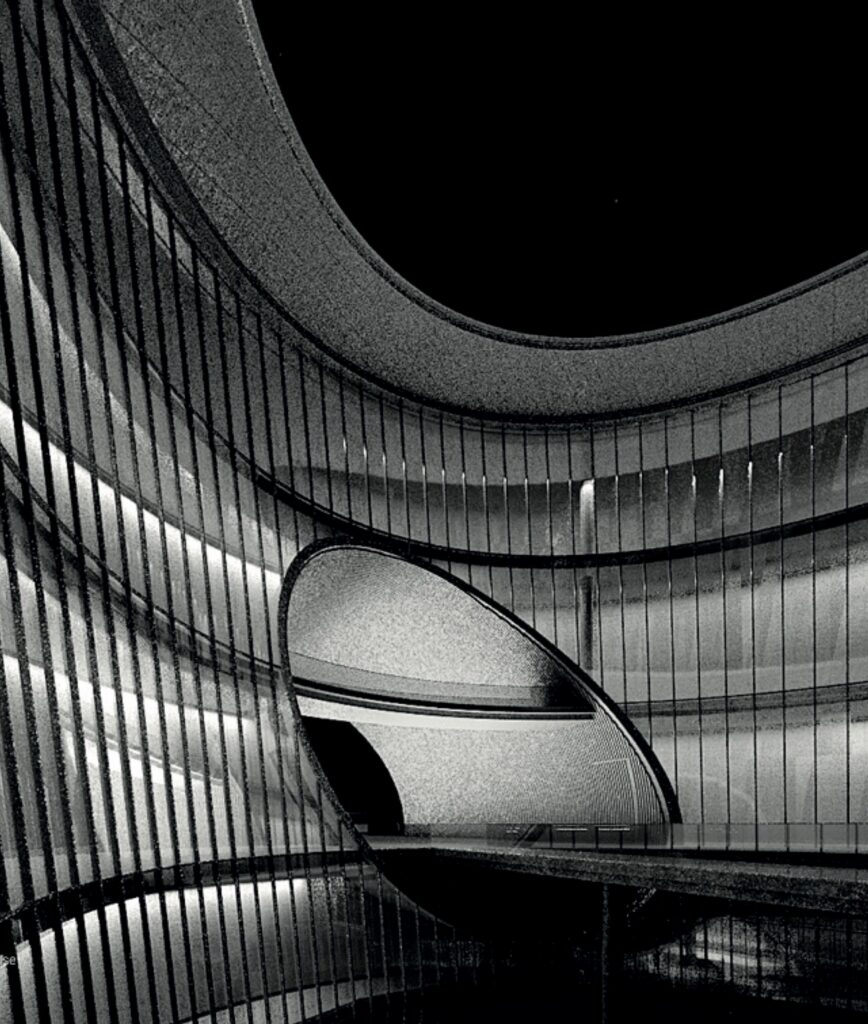
Render by Tadao Ando Architect & Associates, Courtesy of Uzbekistan Art and Culture Development Foundation
This museum complements ACDF’s broader initiatives, including hosting the first Bukhara Biennial in September 2025 and the 43rd session of the UNESCO General Conference in Samarkand.
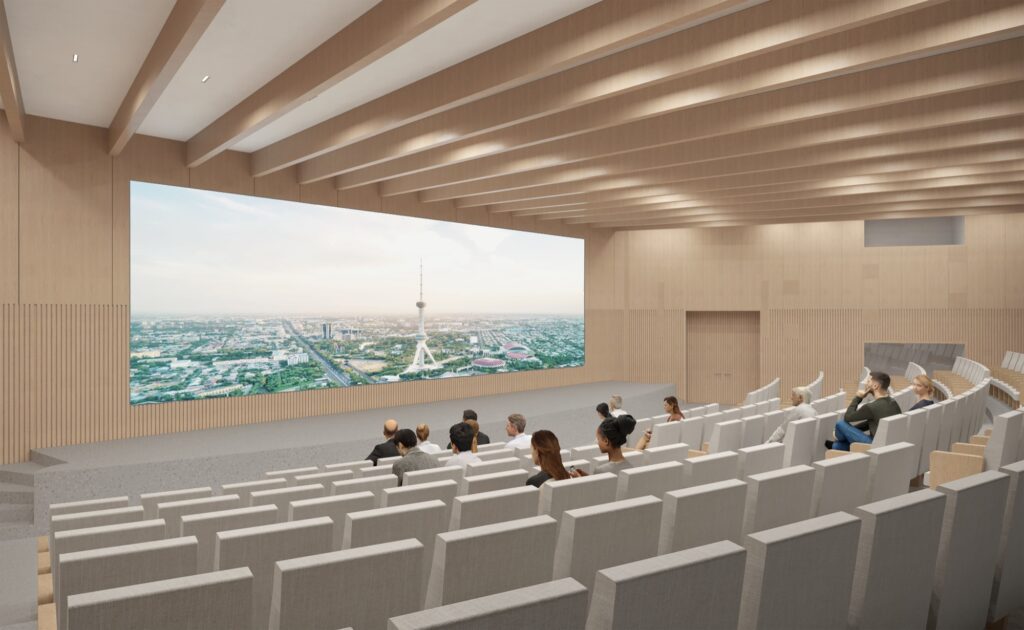
Auditorium. Render by Atelier Brückner, Courtesy of Uzbekistan Art and Culture Development Foundation
With exhibitions already reaching over 3.5 million visitors across 17 countries and partnerships with more than 40 leading cultural institutions, ACDF continues to establish a sustained and visible cultural presence for Uzbekistan.
A Vision for the Future
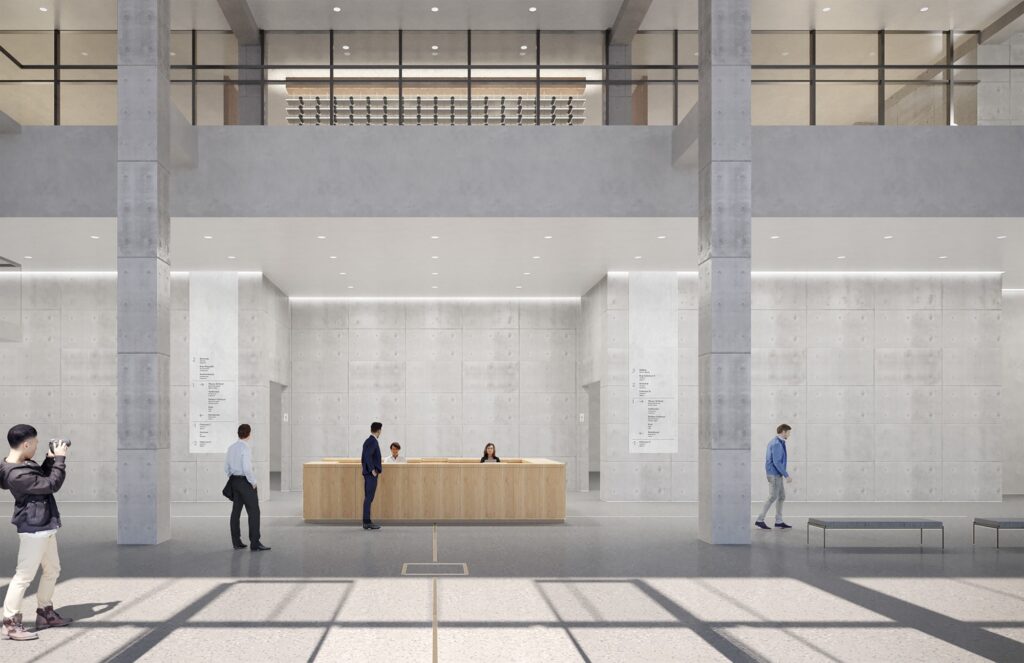
Render by Tadao Ando Architect & Associates, Courtesy of Uzbekistan Art and Culture Development Foundation
The foundation stone for the museum was laid in Tashkent on 27 August 2025, in a ceremony attended by the President of the Republic of Uzbekistan, Shavkat Mirziyoyev, together with representatives from Atelier Brückner, the renowned German design studio.
Atelier Brückner, one of Europe’s leading narrative architecture and scenography practices, is developing the museum’s exhibition design in close collaboration with Tadao Ando. Their approach will create an immersive visitor journey, weaving narrative and sensory experiences to spark imagination. From its opening displays to future commissions, residencies, and educational programmes, the museum aims to become a dynamic cultural platform. A special emphasis will be placed on widening cultural access for young people, nurturing creative potential and fostering stronger connections to Uzbekistan’s heritage.
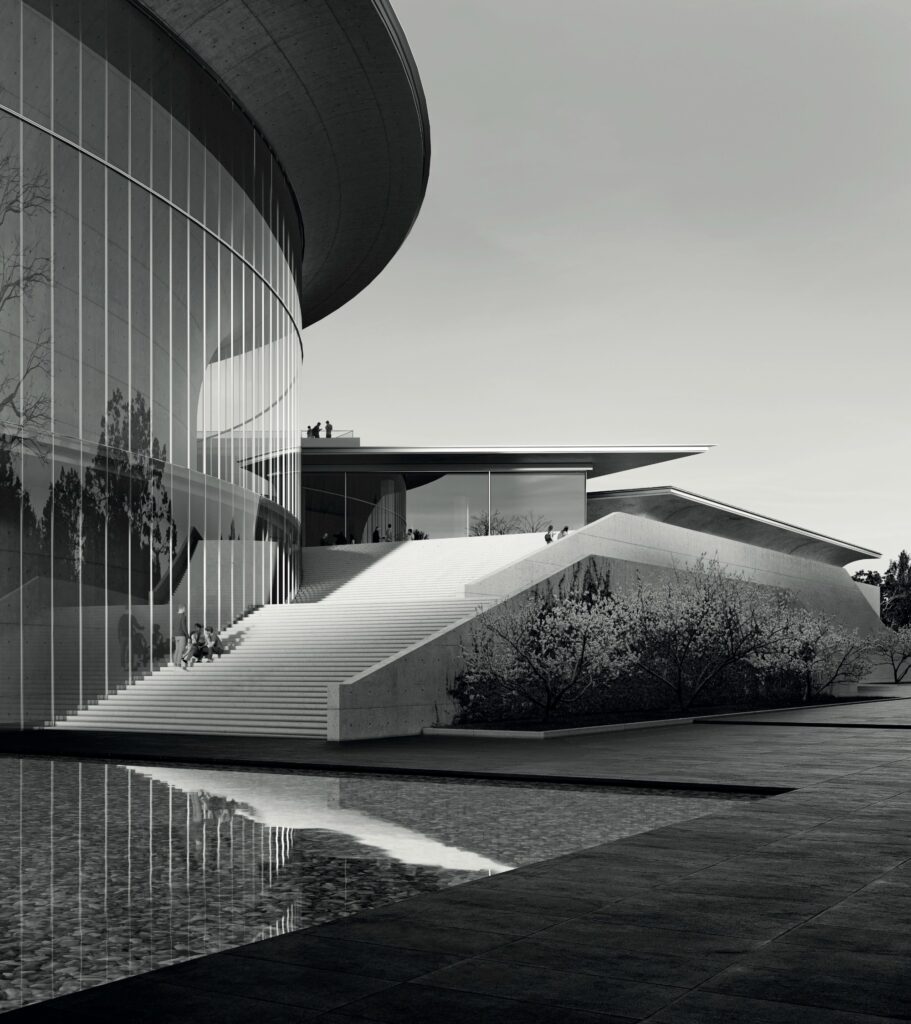
Render by Tadao Ando Architect & Associates, Courtesy of Uzbekistan Art and Culture Development Foundation
The permanent collection will bring together masterpieces from Uzbekistan’s national holdings with new acquisitions that reflect the country’s evolving identity and global outlook. An ambitious acquisitions programme is already underway, designed to build a collection that balances historical depth with contemporary relevance.
As construction progresses, the National Museum of Uzbekistan is positioned to become a space where architecture, heritage, and identity intersect. It promises an experience that celebrates history while encouraging dialogue and creativity in the present.