How Art Dubai Opened Against All Odds for Its 20th Edition
Ongoing in Dubai till May 17, 2026, Art Dubai returned this year with a heightened sense of reflection and urgency as the fair marks its 20th anniversary.
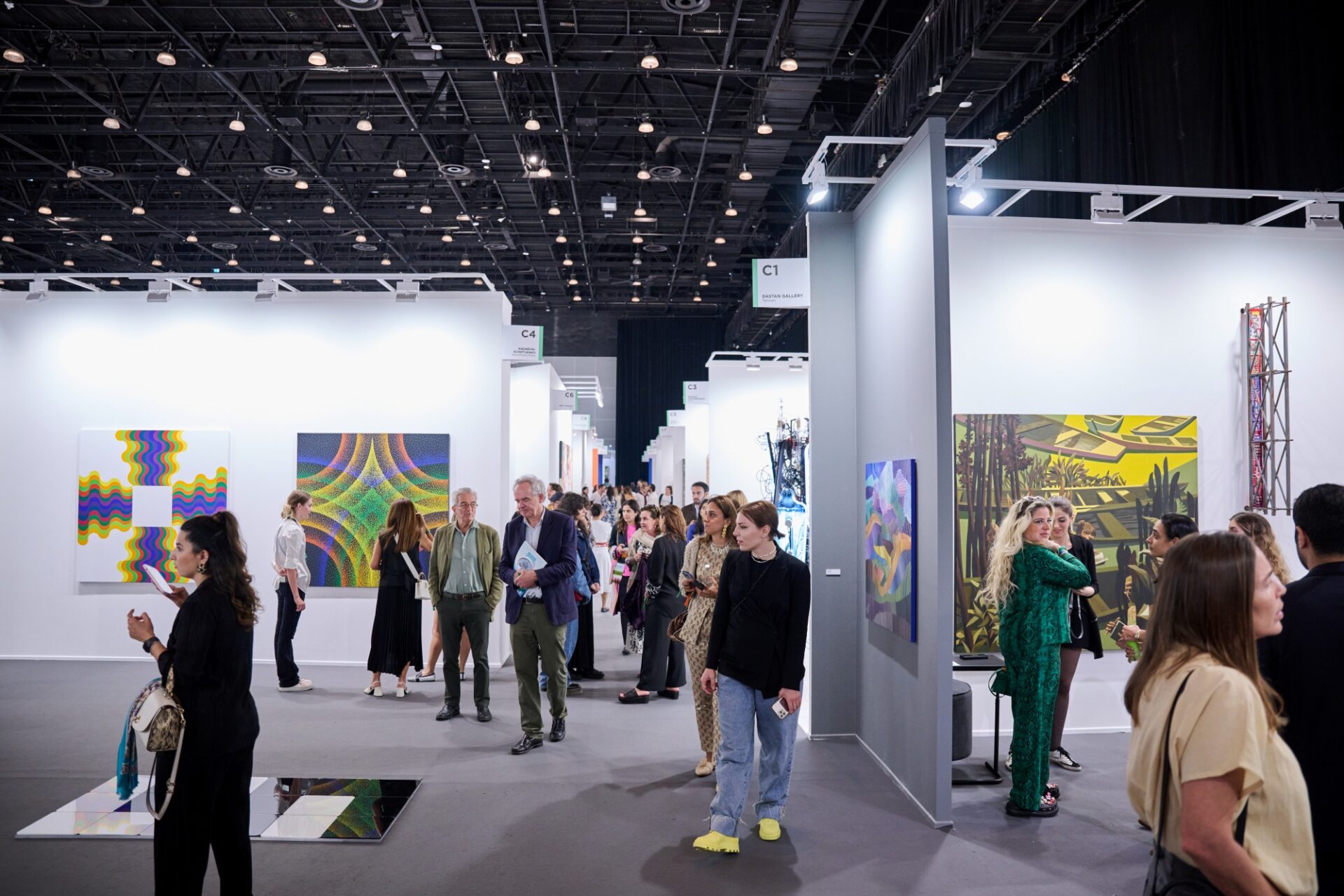
Art Dubai 2023, file Image. @Spark Media
As Art Dubai opened its 20th edition at Madinat Jumeirah in Dubai, the fair arrived under circumstances few could have anticipated at the start of the year. Originally planned as an expanded anniversary edition, Art Dubai was forced to postpone its April dates amid escalating regional tensions, with threats of missile strikes and bombing. With many exhibitors withdrawing from the Fair, the organisers were left rebuilding it within just eight weeks. Yet rather than diminishing the event, the challenges surrounding this edition have sharpened its significance, turning Art Dubai 2026 into a reflection of the resilience of Dubai’s cultural ecosystem and the enduring role of artistic exchange during moments of uncertainty, according to the organisers.
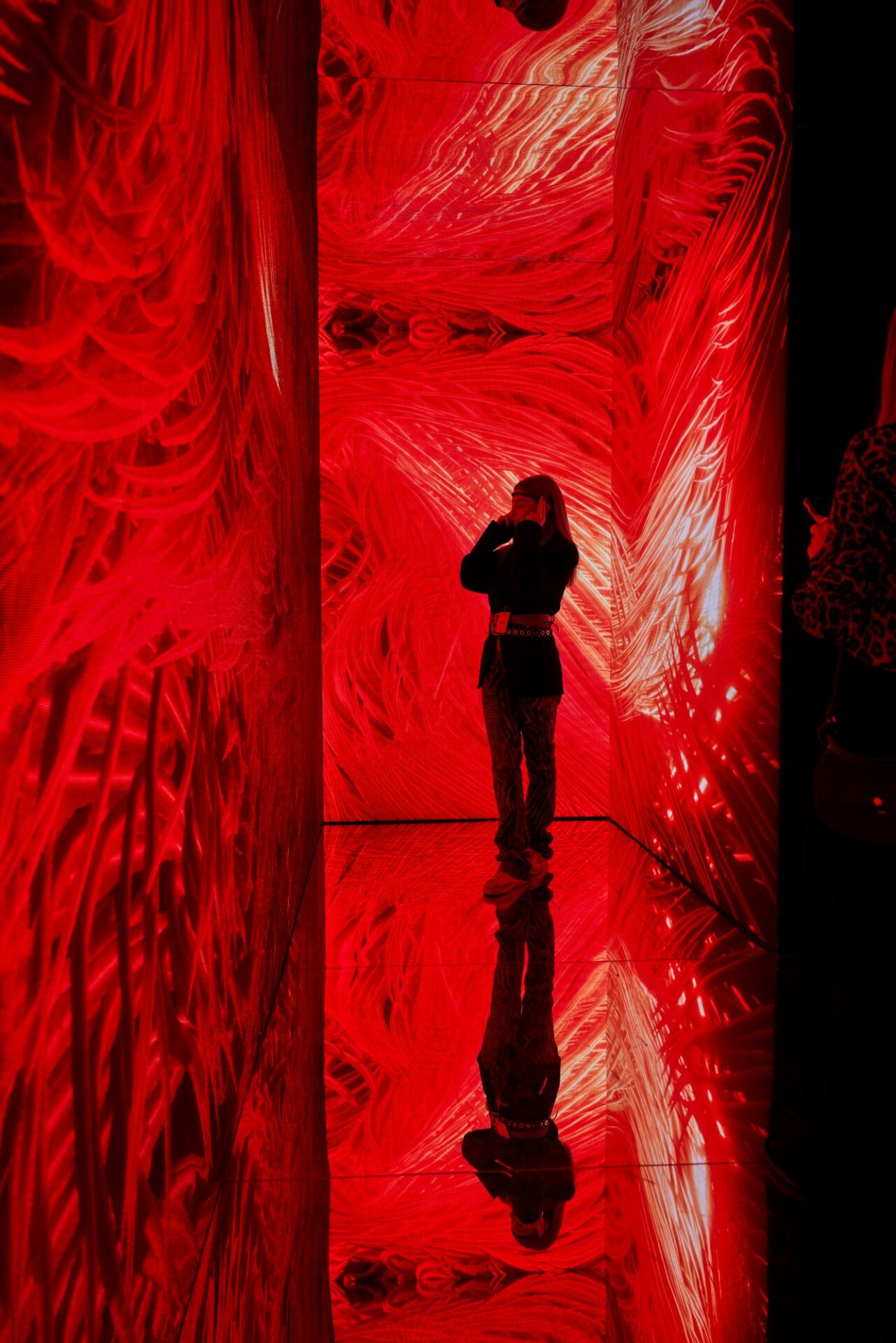
Art Dubai Digital 2025 @Photo by Cedric Ribeiro, Spark Media or Art Dubai
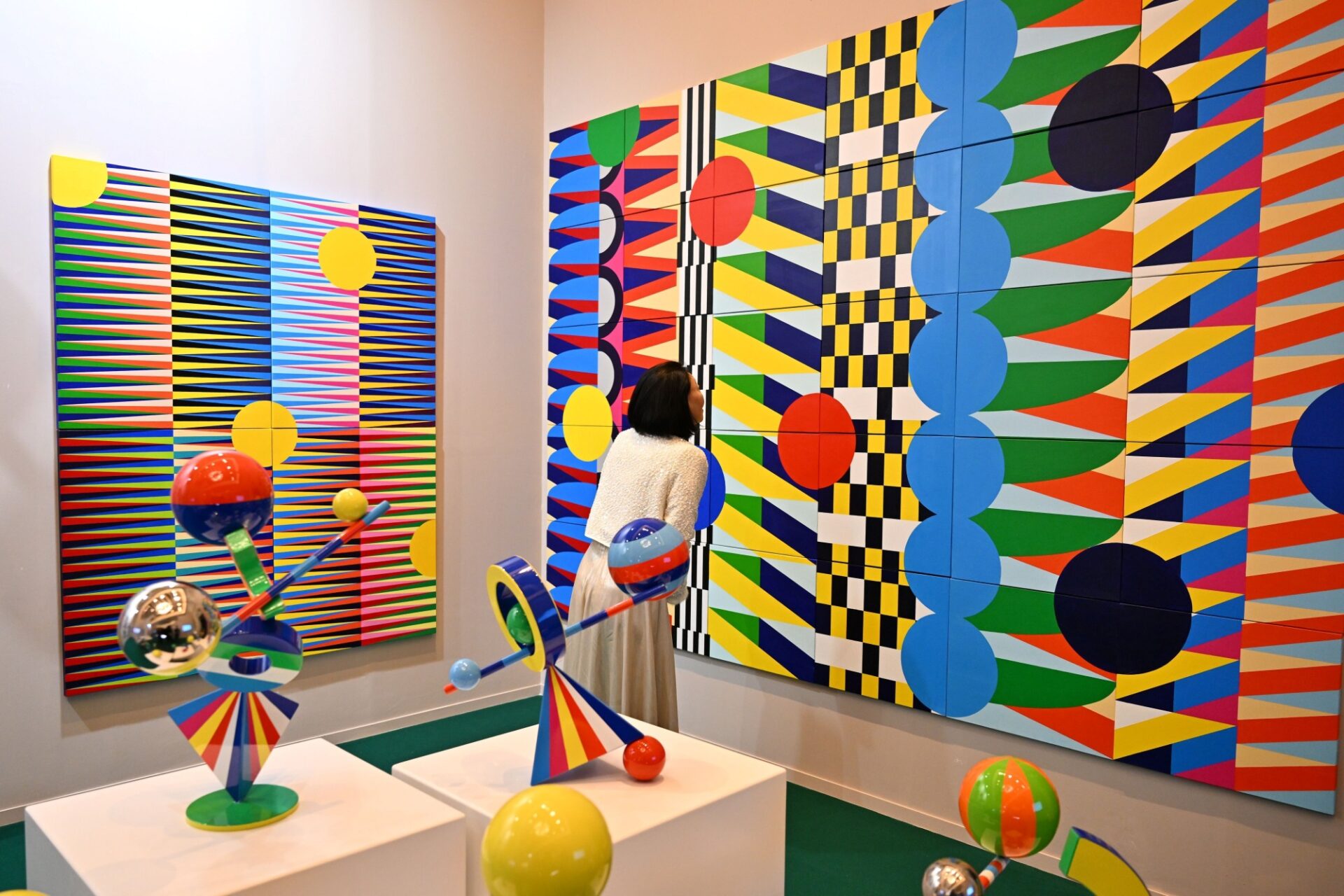
Bringing together around 75 presentations from galleries and institutions across nearly 20 countries, the ongoing edition positions Dubai once again as a major meeting point for artistic exchange across the Middle East, North Africa and South Asia, while also reflecting on the evolving role of cultural platforms during moments of global uncertainty.
What began in 2007, when Dubai had only around ten commercial galleries, has today evolved into a year-round cultural platform that extends far beyond the fair itself. Over the past two decades, Art Dubai has steadily expanded into education, public art, institutional partnerships, digital practices and collector engagement, becoming deeply embedded within the region’s cultural infrastructure.
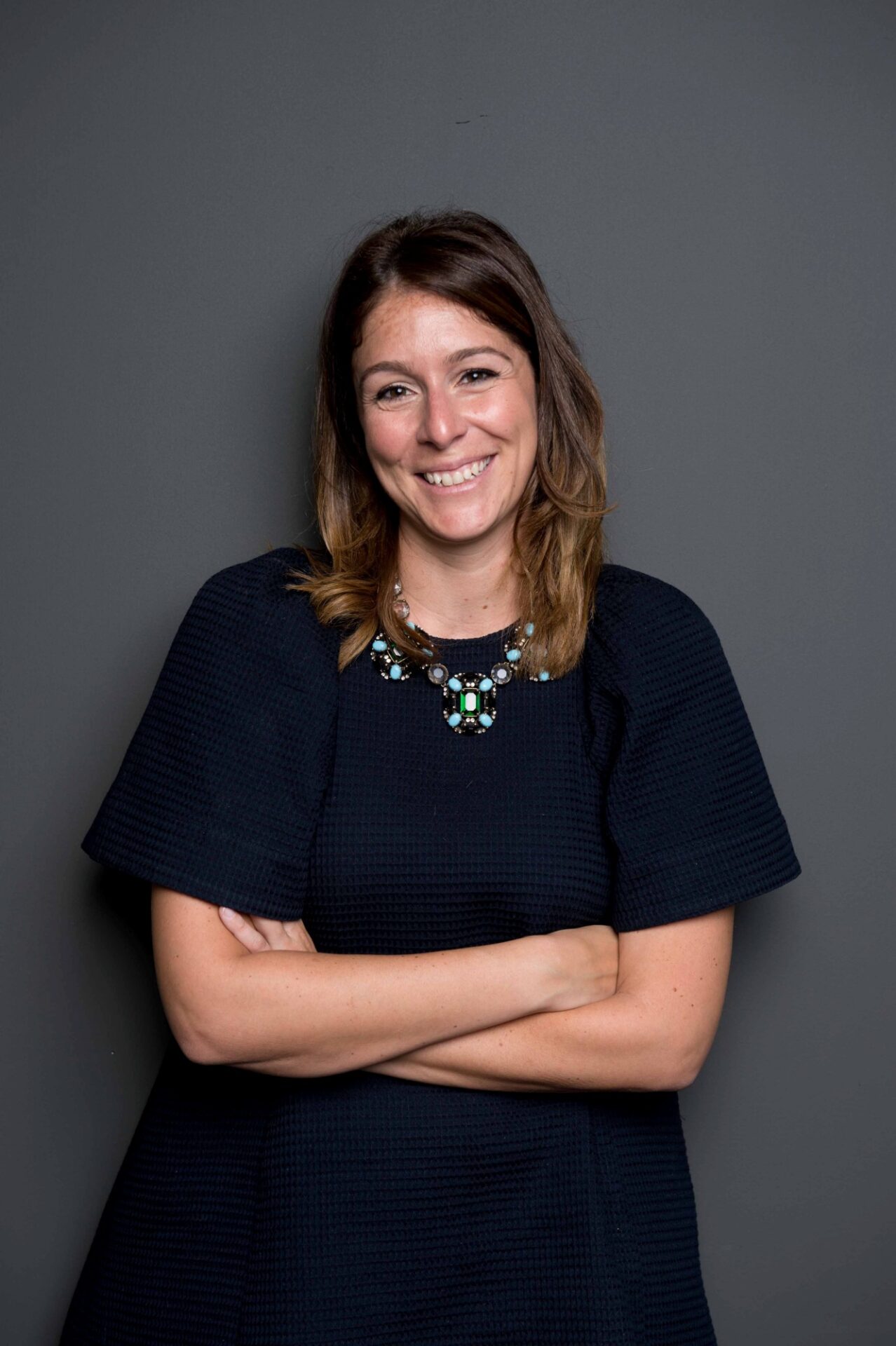
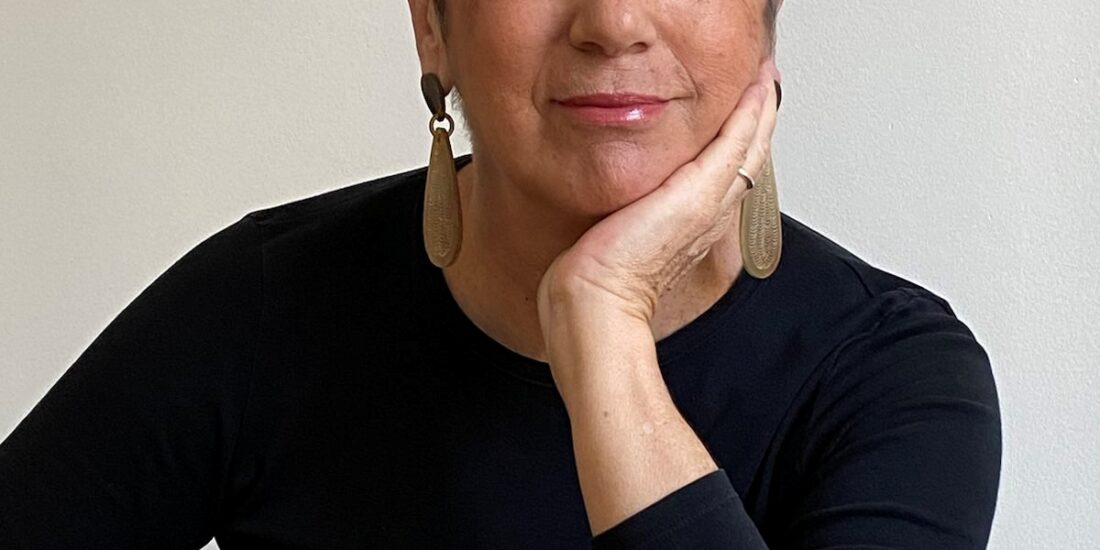
Benedetta Ghione, Executive Director, Art Dubai Group
Speaking to SCALE, Benedetta Ghione reflects on the fair’s journey, its role in shaping cultural dialogue across the region, and the importance of sustaining artistic exchange in the face of political and social complexity.
Benedetta Ghione is Executive Director at Art Dubai Group, where she oversees the strategic direction and delivery of the organisation’s year-round arts and cultural programming and initiatives. Since joining Art Dubai in 2015, she has played a central role in the evolution of the fair, leading not only the flagship event itself but also spearheading government and commercial partnerships, educational programmes and city-wide cultural projects that extend Art Dubai’s impact beyond the fairgrounds.
Two Decades of Building a Cultural Ecosystem
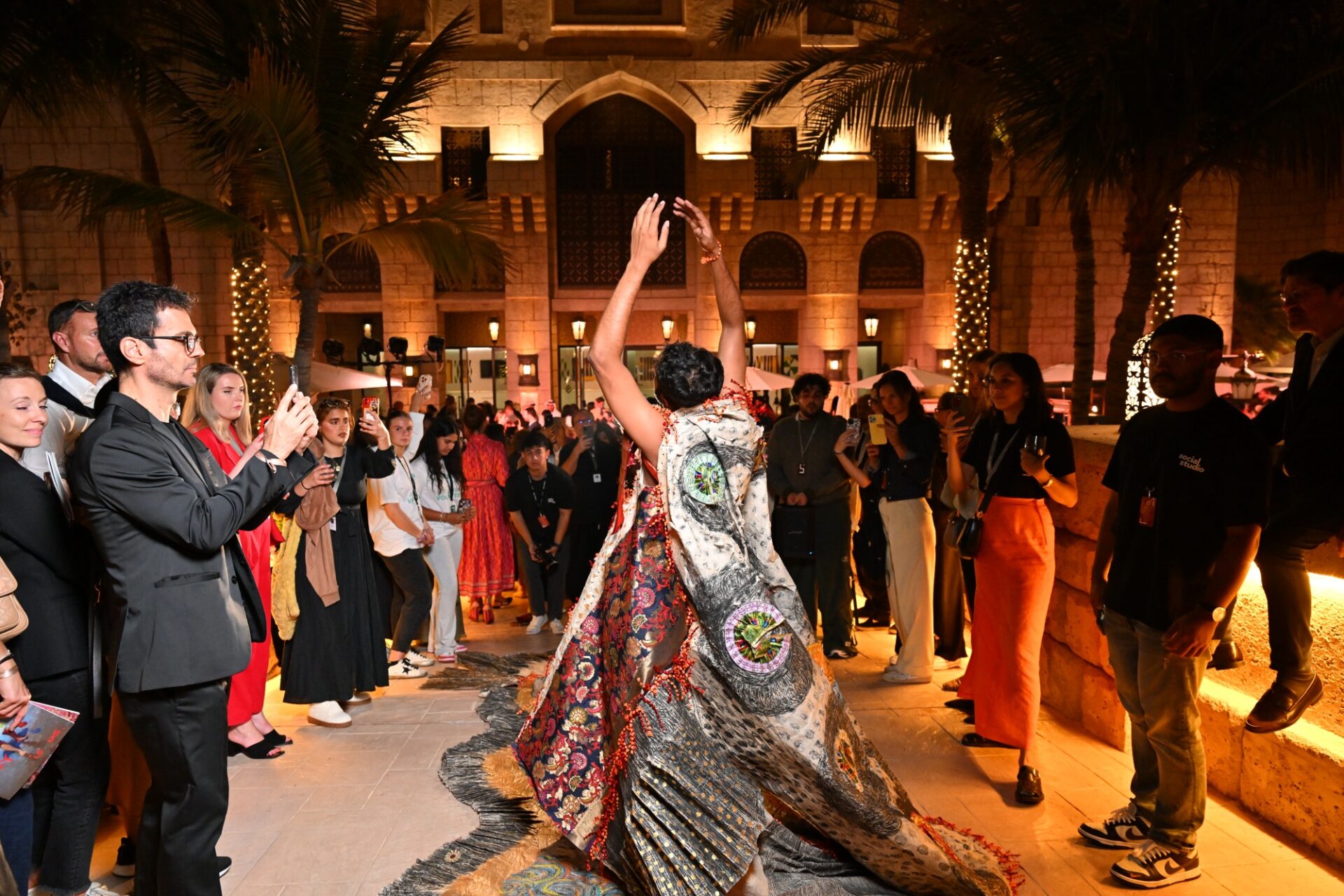
Art Dubai 2024, Debashish Paul, Art Dubai Commission 2024, @Spark Media
For Ghione, Art Dubai’s most significant achievement lies in its long-term commitment to building an ecosystem rather than operating solely as an annual commercial event.
“Over the past two decades, the fair has grown alongside the city and its wider cultural ecosystem,” she says. “What began in 2007 has developed into a year-round cultural platform.”
Today, the fair’s initiatives extend into multiple areas of cultural development. Its flagship professional development programme, Campus Art Dubai, is now in its 13th edition, while the A.R.M. Holding Children’s Programme has reached more than 30,000 students across the UAE since its launch.
Art Dubai has also continued to expand its engagement with new artistic practices. The launch of Art Dubai Digital in 2022 established one of the region’s first dedicated fair sections focused on digital art and emerging modes of collecting. Meanwhile, partnerships with organisations such as Alserkal Avenue have further widened the fair’s interdisciplinary scope through commissions and moving-image programmes.
Where Long-Term Cultural Relationships Are Formed
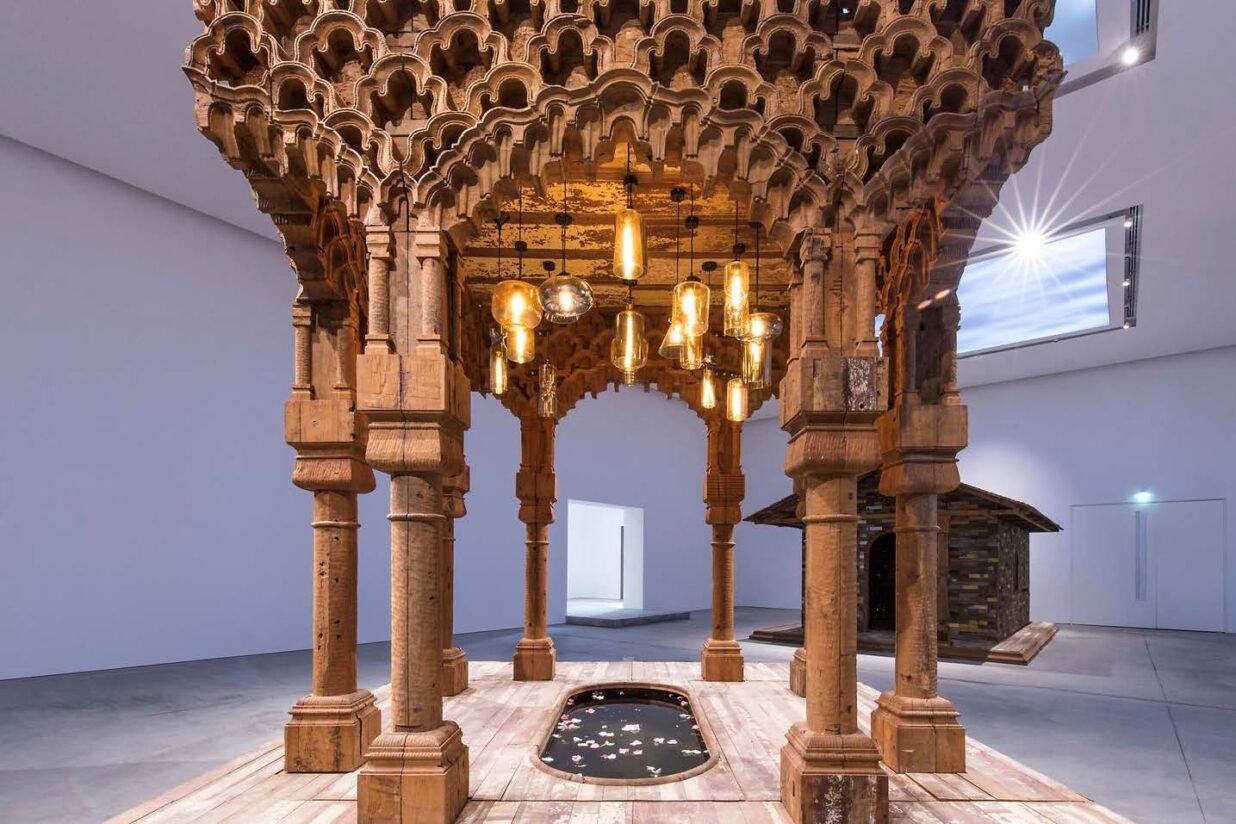
Sudarshan Shetty, A Song, A Story, Sculpture I, A Public Space 2016. Presented by Leila Heller Gallery
According to Ghione, one of Art Dubai’s defining strengths has been its ability to create continuity — allowing artists, curators, collectors and institutions to reconnect year after year in ways that generate long-term impact.
“Art Dubai Fair is a consistent, annual platform where artists, collectors, curators and institutions can make genuine connections with tangible impact,” she explains.
Over the years, several internationally recognised artists and collectives first intersected with wider global audiences through the fair. Ghione points to the GCC artist collective, founded in the Art Dubai VIP room in 2013, as well as Indonesian collective Ruangrupa, which later went on to curate Documenta 15 after first participating in Art Dubai’s Marker exhibition in 2011.
Artists such as James Clar and curator Munira Al Sayegh are among the many practitioners whose trajectories have remained closely connected to the fair’s ecosystem over the years.
Continuing Amid Regional Uncertainty
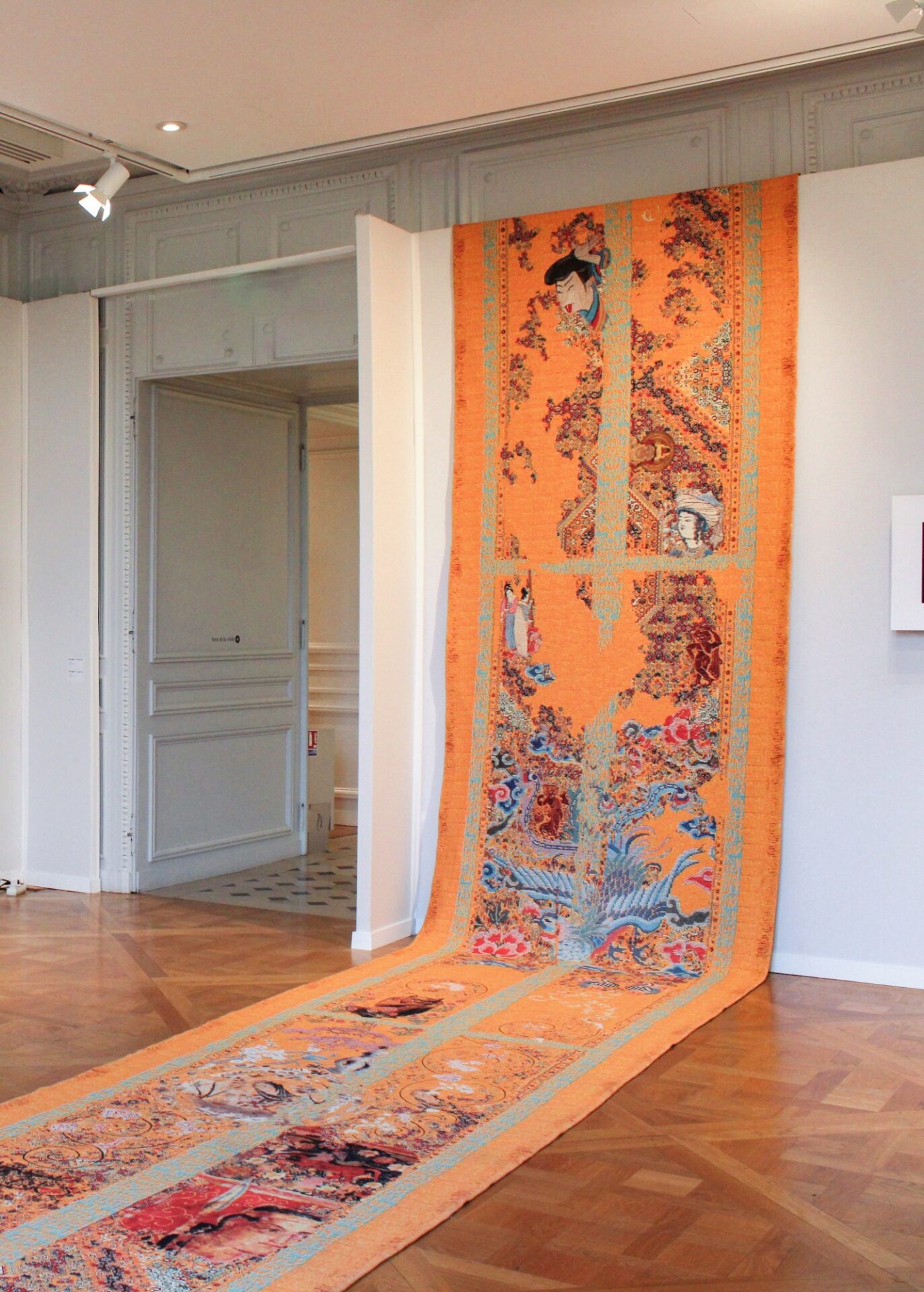
Neda Razavipour, Silk Road (2012),Silk & Wool blend. Presented by Ab-Anbar Gallery
This year’s edition unfolds at a time when parts of the Middle East continue to experience conflict and instability. Yet Ghione believes that such moments make cultural platforms like Art Dubai even more necessary.
“Art has always responded to moments of complexity, and in periods of uncertainty, that role becomes even more essential,” she says.
The decision to proceed with this special edition now followed extensive consultation with galleries and cultural stakeholders across the region.
“We have received a lot of support from galleries, and what has come through most is a shared feeling of carrying on and wanting to be present,” Ghione explains.
For the wider creative community, the fair remains an important site of visibility and economic continuity. Ghione emphasises that sustaining opportunities for artists and galleries to engage with international audiences is critical during moments of uncertainty.
“Maintaining a platform where galleries can still reach collectors, artists can find audiences, and where the ecosystem keeps moving, is as important as the conversations it enables,” she says.
A Growing Gulf Art Landscape
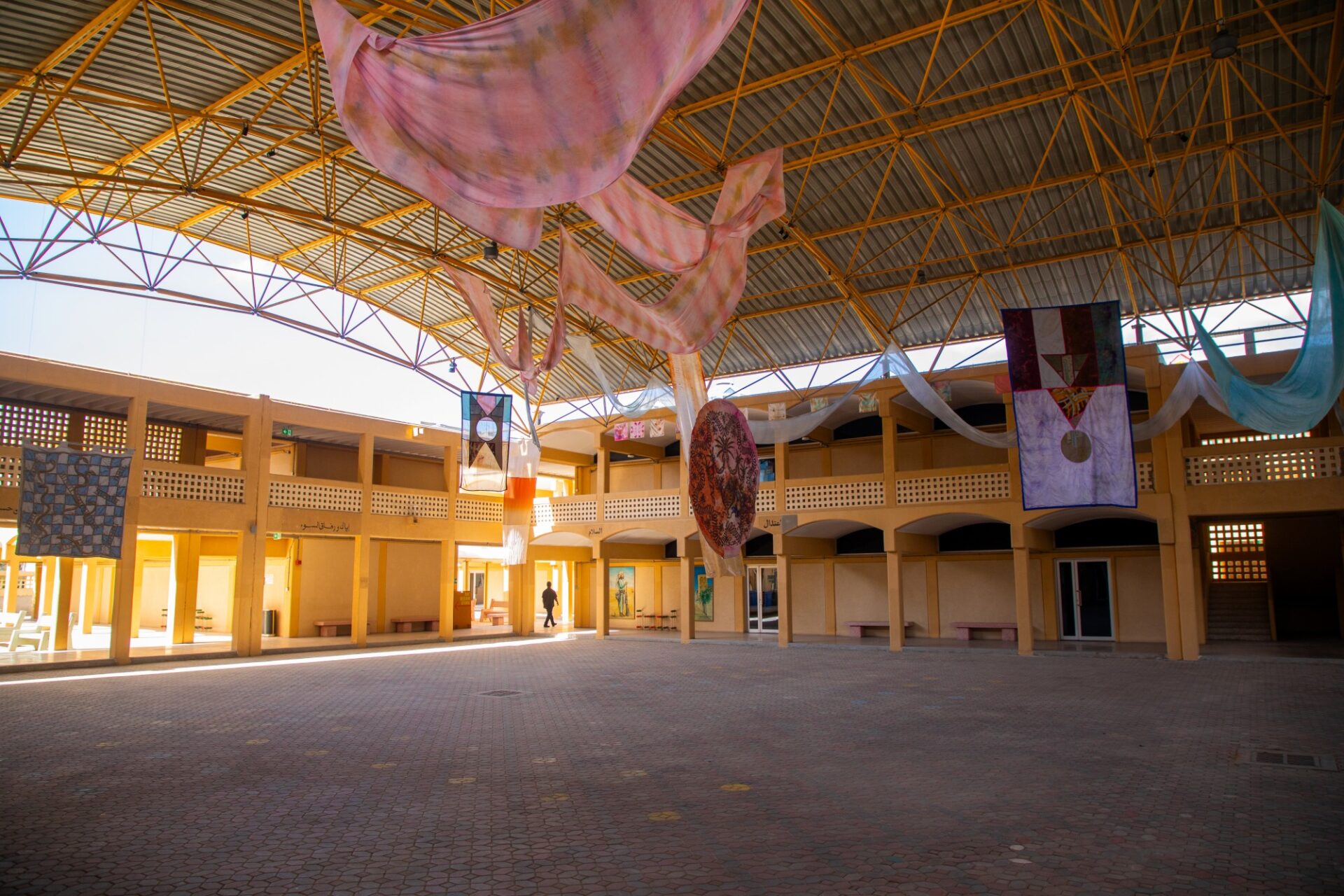
Hashel Al Lamki, Maat, presented by Tabari Artspace
As major cultural initiatives continue to emerge across the Gulf, including the recent launch of Art Basel Qatar, the region’s position within the global art world is becoming increasingly significant.
Ghione views this growth as a sign of cultural maturation rather than competition.
“There has been a long trajectory of sustained investment in the Gulf’s cultural landscape,” she says, noting that institutional and policy developments across the UAE, Qatar and Saudi Arabia have helped establish the foundations for long-term cultural growth.
Within this shifting global landscape, Dubai has emerged as a major marketplace and meeting point connecting artistic practices from the Global South with international institutions, biennials and collectors.
Beyond the Traditional Art Fair Model
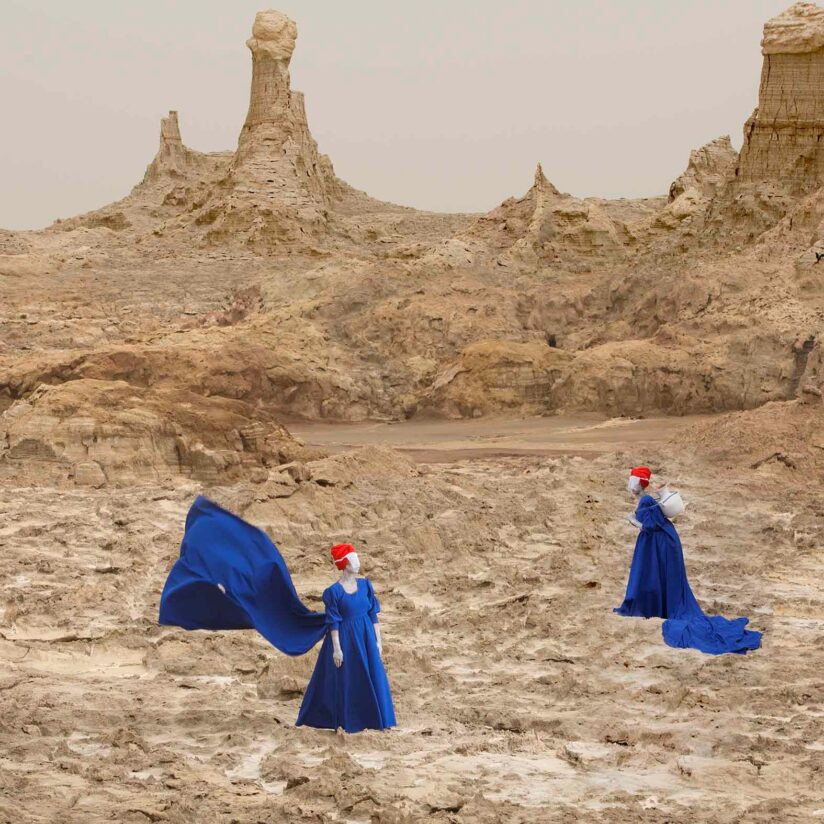
Efie Gallery, Aida Muluneh, Distant Echoes of Dreams, 2018. Courtesy of the gallery
Unlike many global fairs centred primarily around a few days of transactions and networking, Art Dubai continues to position itself as a year-round cultural platform.
“The traditional art fair model tends to centre on an event that exists primarily for those few days each year,” Ghione says. “Art Dubai, however, supports the cultural ecosystem as it unfolds through repeated encounters over time.”
This broader vision is reflected through initiatives such as Dubai Collection, the city’s first institutional collection of modern and contemporary art developed in partnership with Dubai Culture & Arts.
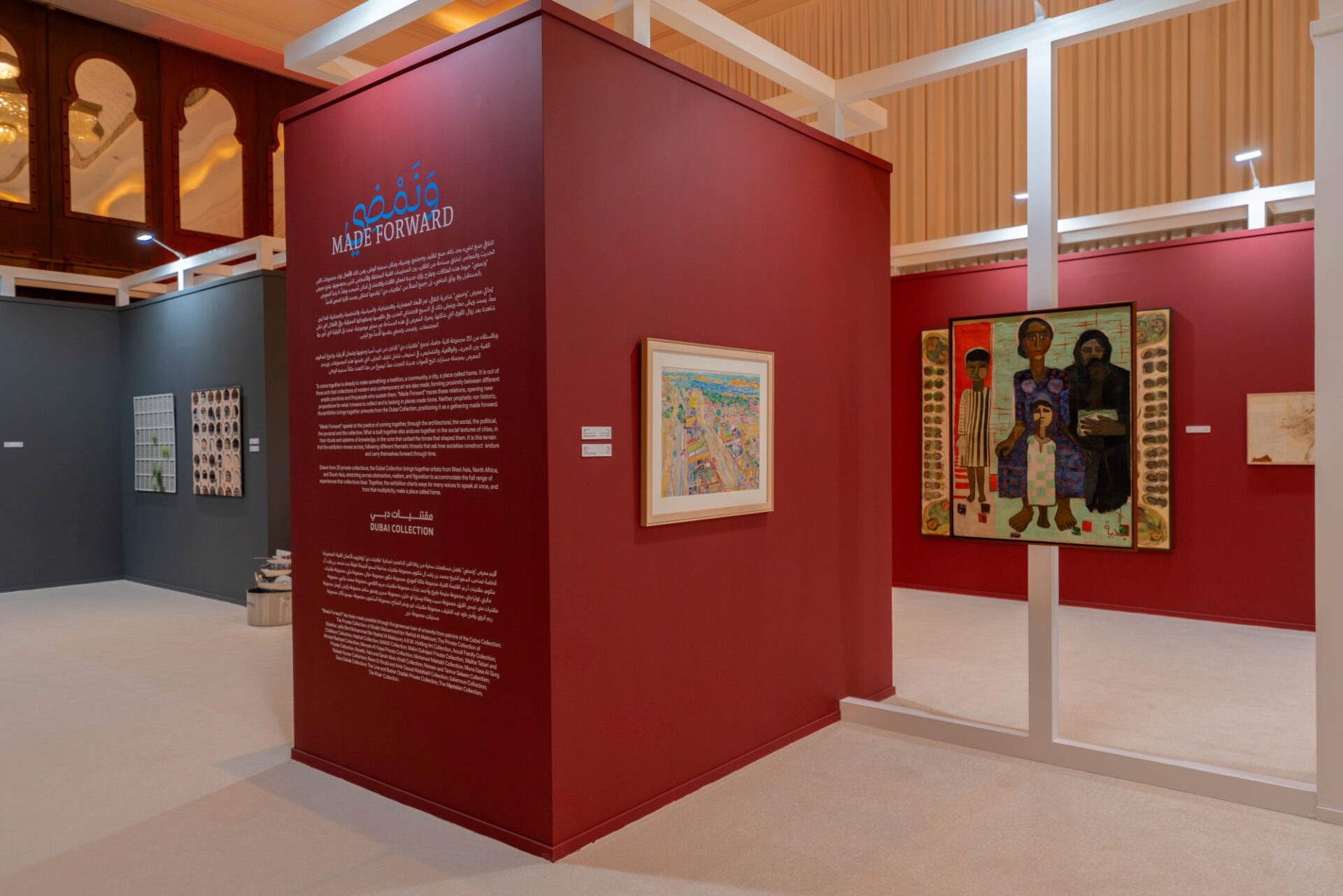
Dubai Collection
Dubai Collection brought Made Forward at Madinat Jumeirah, featuring works from over 20 private collections.
Made Forward brought together artists from West Asia, North Africa, and South Asia to explore the idea of belonging shaped over time. The exhibition speaks to the poetics of coming together, through the architectural, the social, the political, the personal and the collective, and follows different thematic threads that ask how societies construct, endure, and carry themselves forward through time.
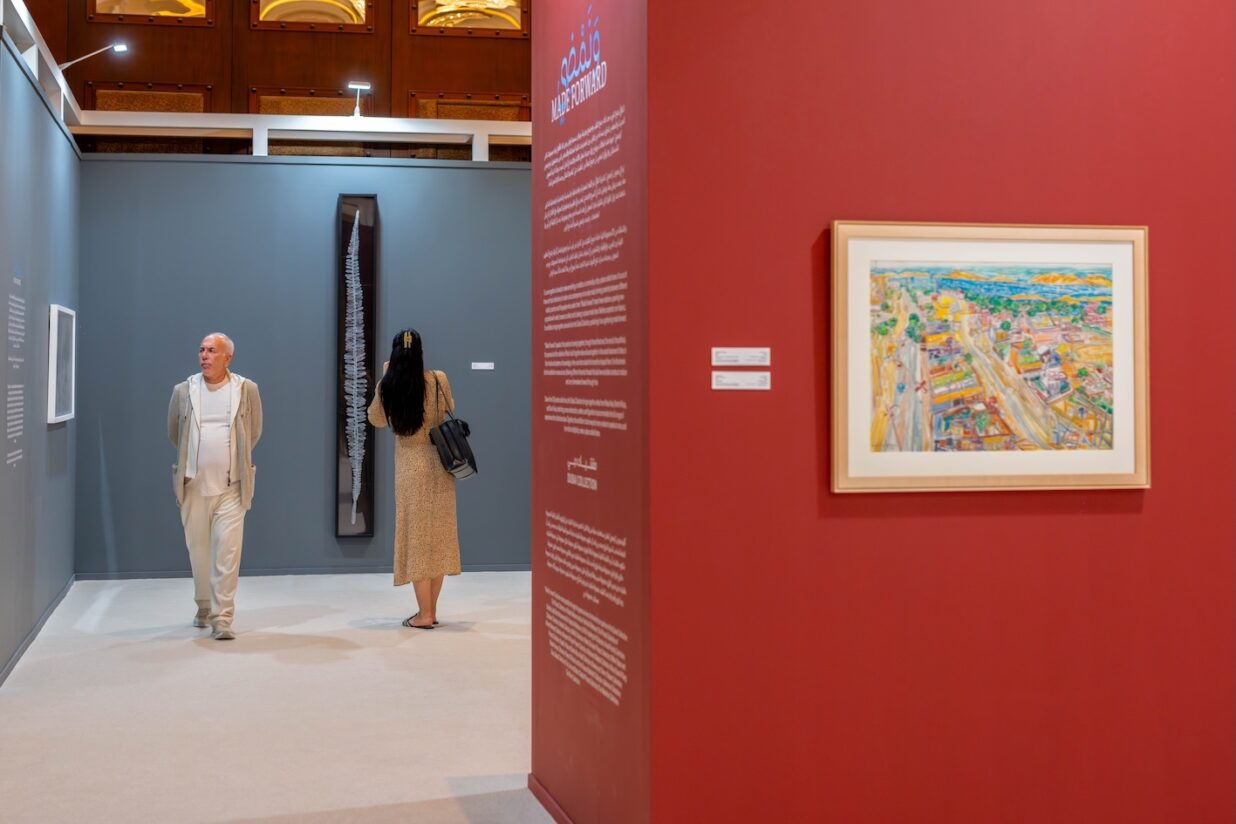
The exhibition included artworks from the private collections of His Highness Sheikh Mohammed bin Rashid Al Maktoum, Vice President and Prime Minister of the UAE and Ruler of Dubai and Her Highness Sheikha Latifa bint Mohammed bin Rashid Al Maktoum, Chairperson of Dubai Culture and Arts Authority
The exhibition included over 30 works from 20 significant private collections in the UAE, including those of His Highness Sheikh Mohammed bin Rashid Al Maktoum and Her Highness Sheikha Latifa bint Mohammed bin Rashid Al Maktoum, alongside over twenty other collections.
As Art Dubai enters its third decade, the fair appears increasingly focused on long-term sustainability, deeper institutional engagement and continued advocacy for artists and practices from the region and the Global South.
“Ultimately, the aim is to contribute to a cultural environment that is ambitious, sustainable and built to endure,” Ghione says.