Prototype Island: Singapore Design Evolves at Milan Design Week
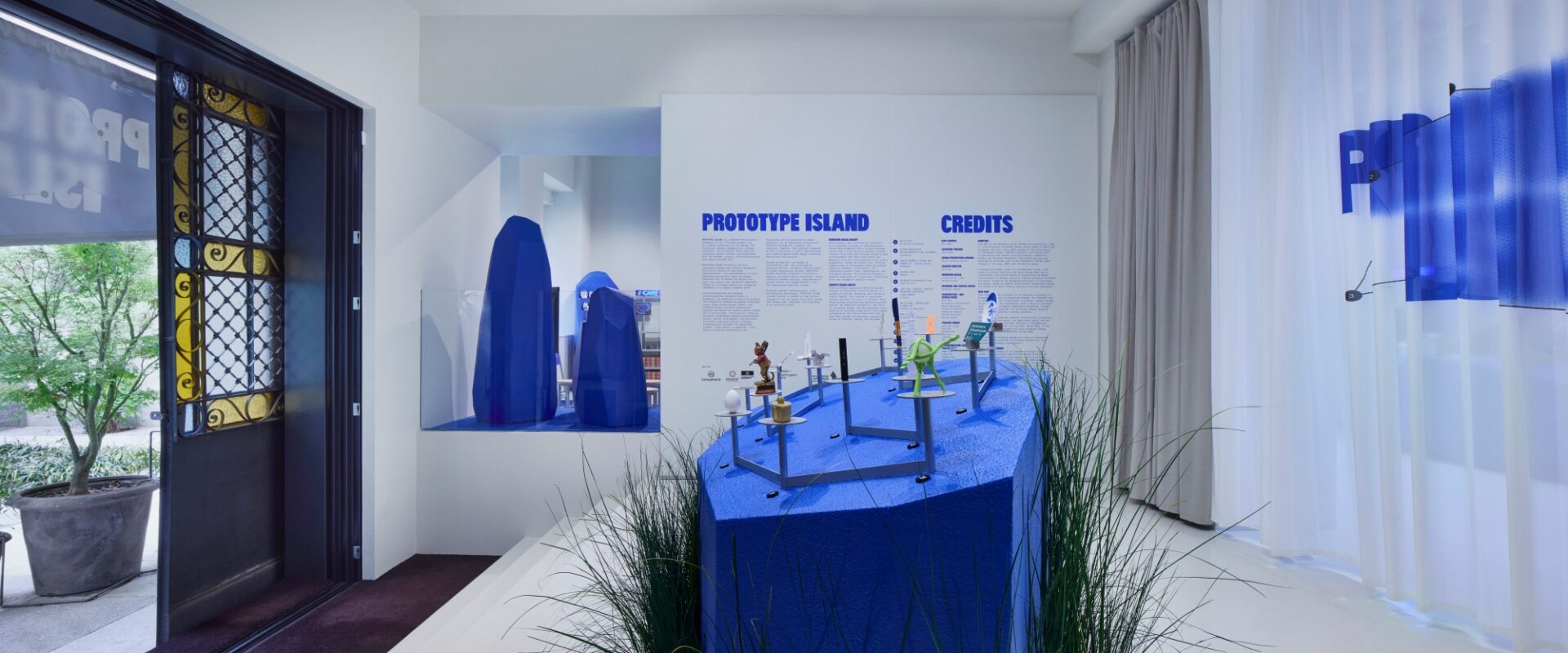
At Milan Design Week 2026, the DesignSingapore Council presented Prototype Island, an ambitious exhibition in the Brera Design District that positioned Singapore as a constantly evolving design project.
Design Singapore x Prototype Island
Bringing together 15 projects across technology, craft, healthcare, accessibility, urban systems, and material experimentation, the exhibition reflects on how design emerges from pressure, negotiation, adaptation, and care within one of the world’s most intensely planned urban environments.
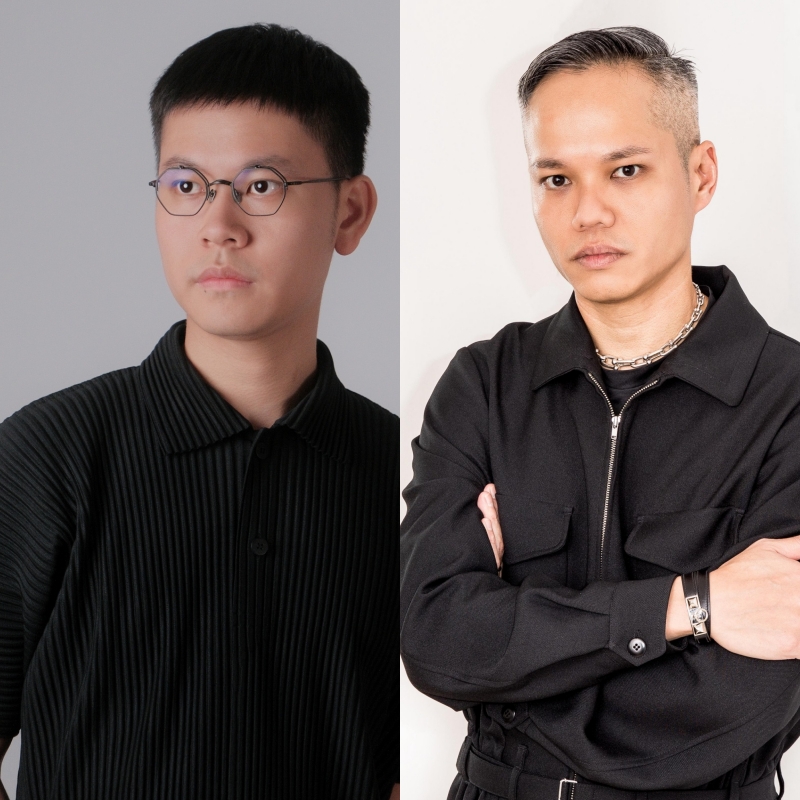
(Left) Assistant Curator Eian Siew and Curator Hunn Wai (Right)
Curated by Hunn Wai with assistant curator Eian Siew and supported by global perspectives advisor Maria Cristina Didero, Prototype Island marks a significant new direction for Singapore’s presence at Milan Design Week following the earlier “Future Impact” series. The exhibition explored infrastructure, systems, and social conditions that shape contemporary life in Singapore.
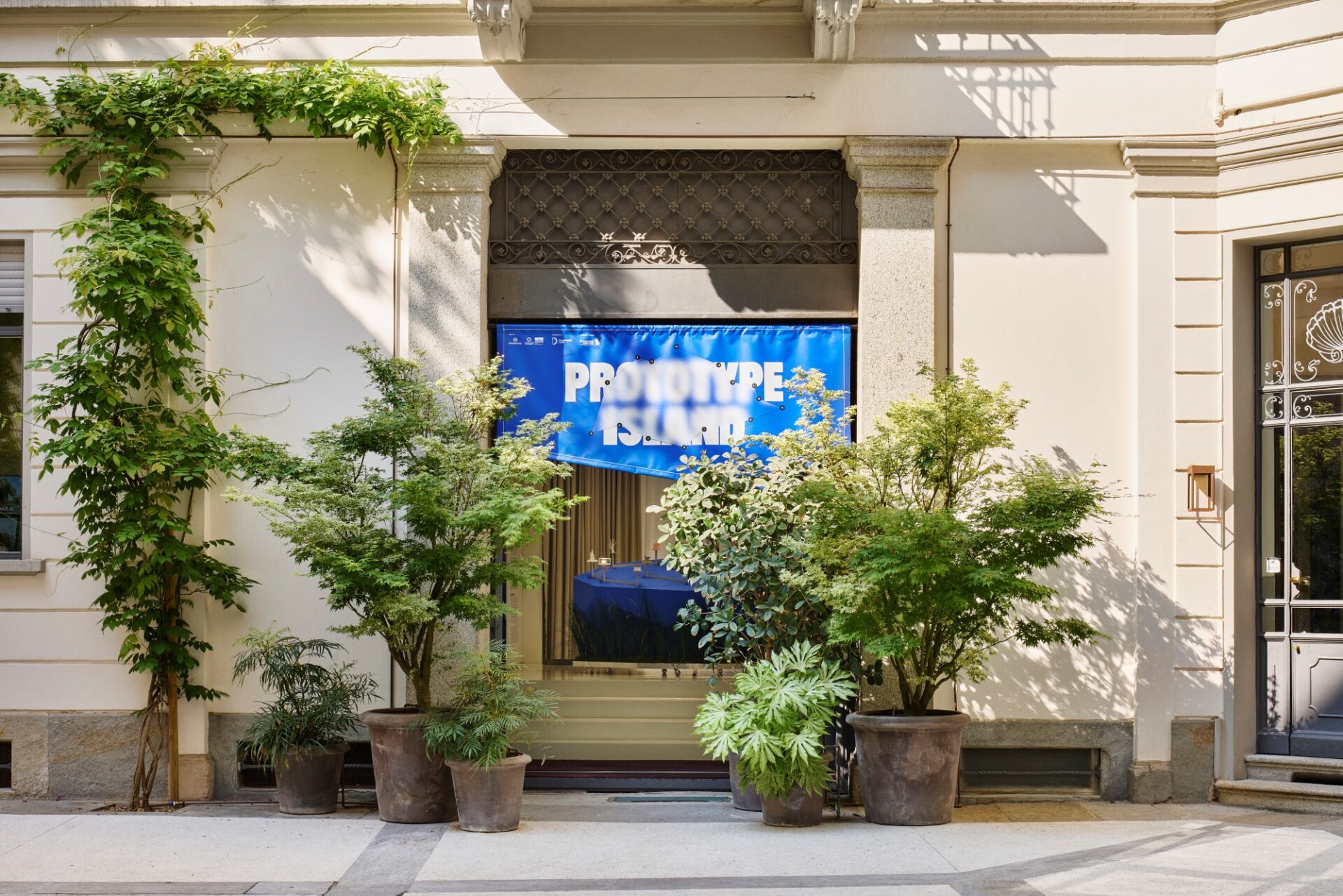
Design Singapore x Prototype Island
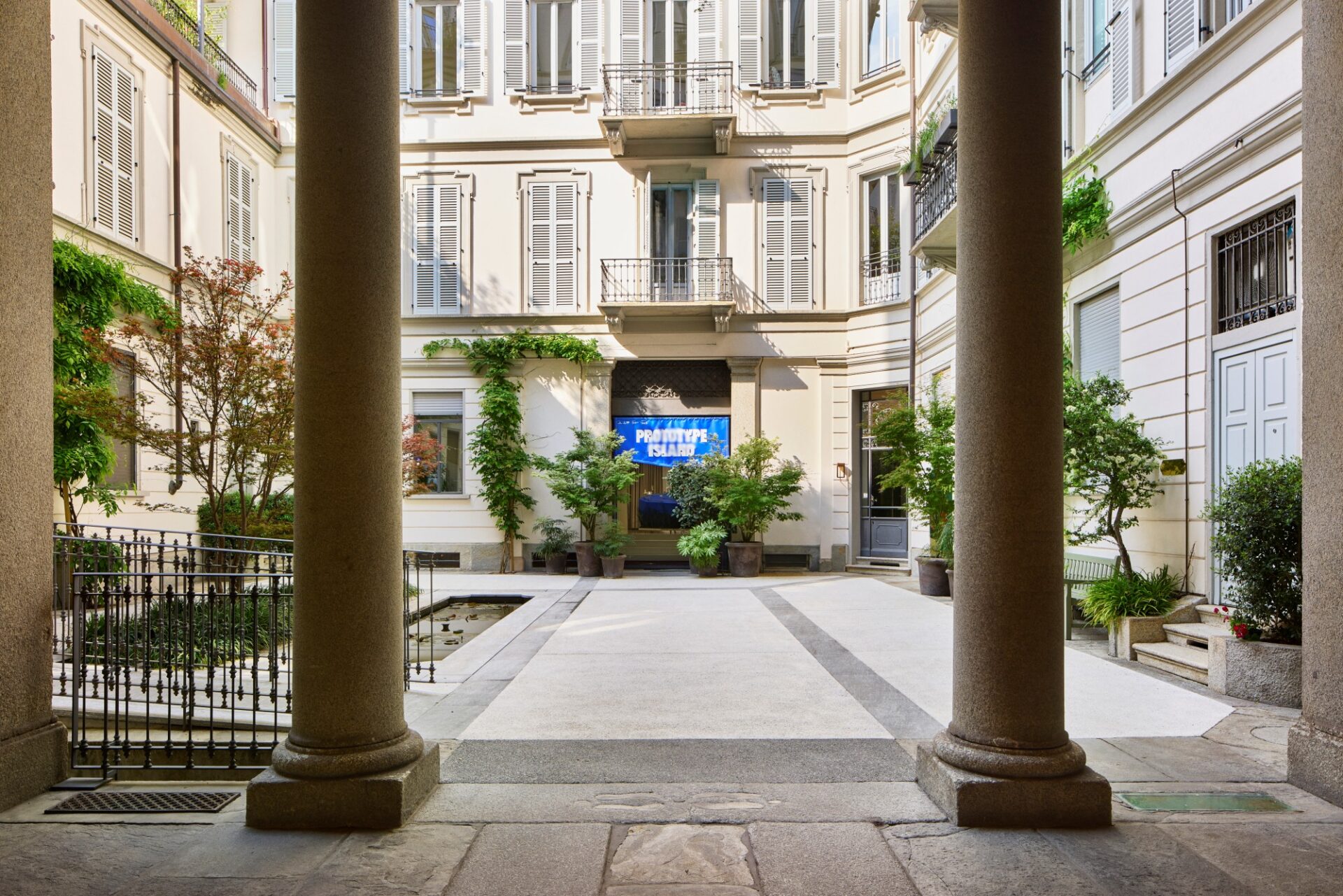
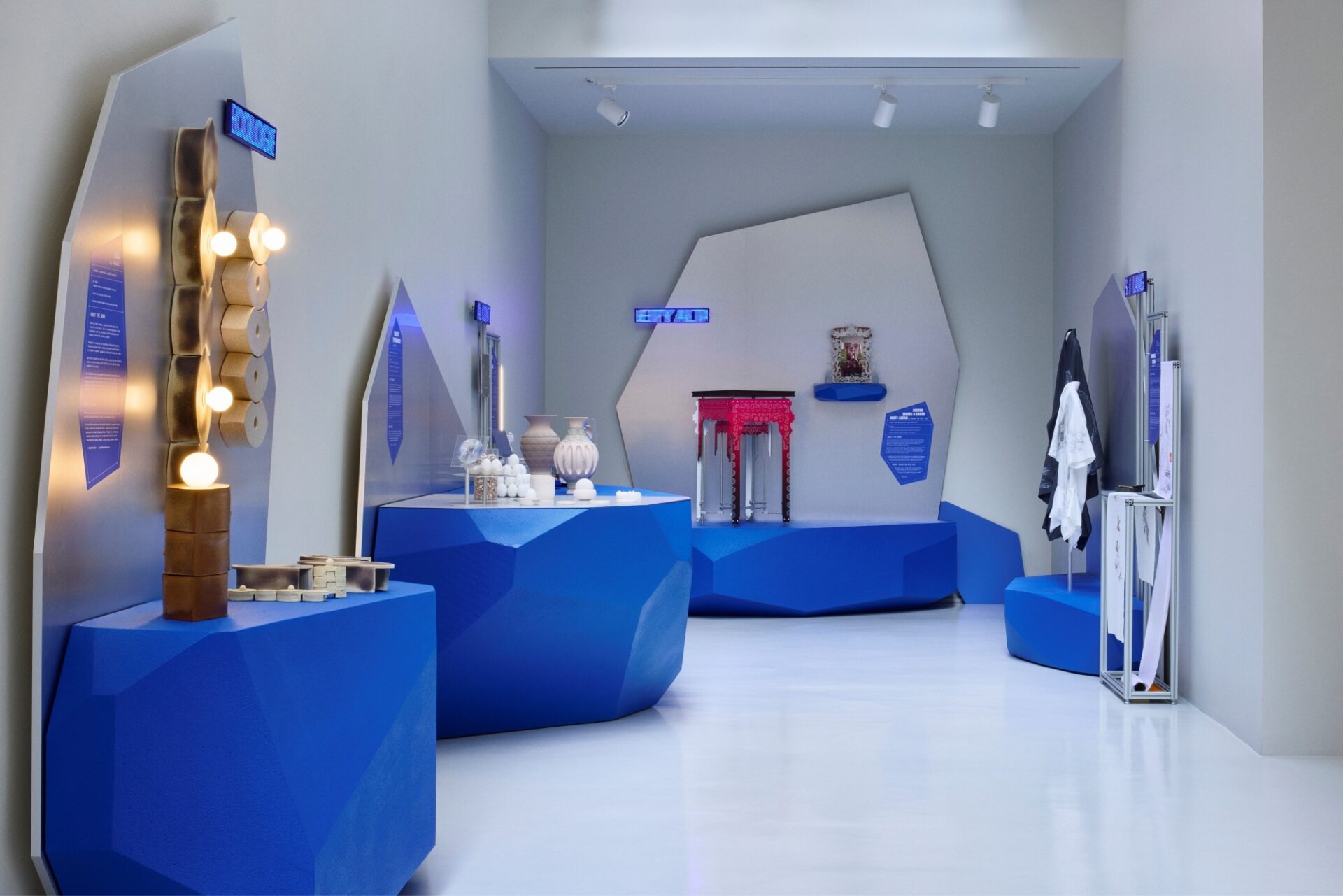
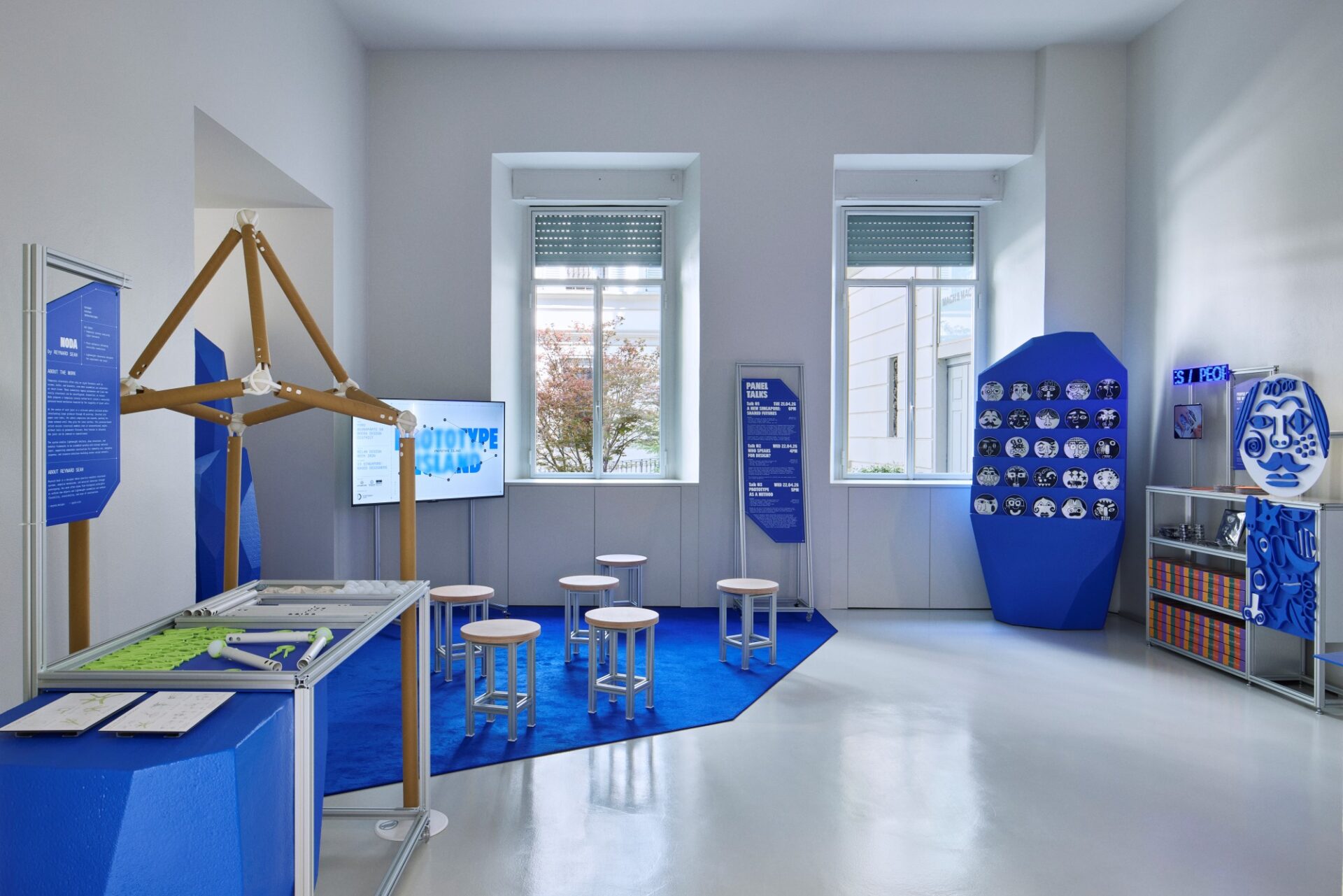
Installed at Foro Buonaparte 54, the exhibition unfolds through three thematic sections: technological and material ecologies, care infrastructures and cultural continuities, and everyday infrastructures. The scenography, designed by Lanzavecchia + Wai, uses light and flexible structures that symbolise constant evolution and adaptability.
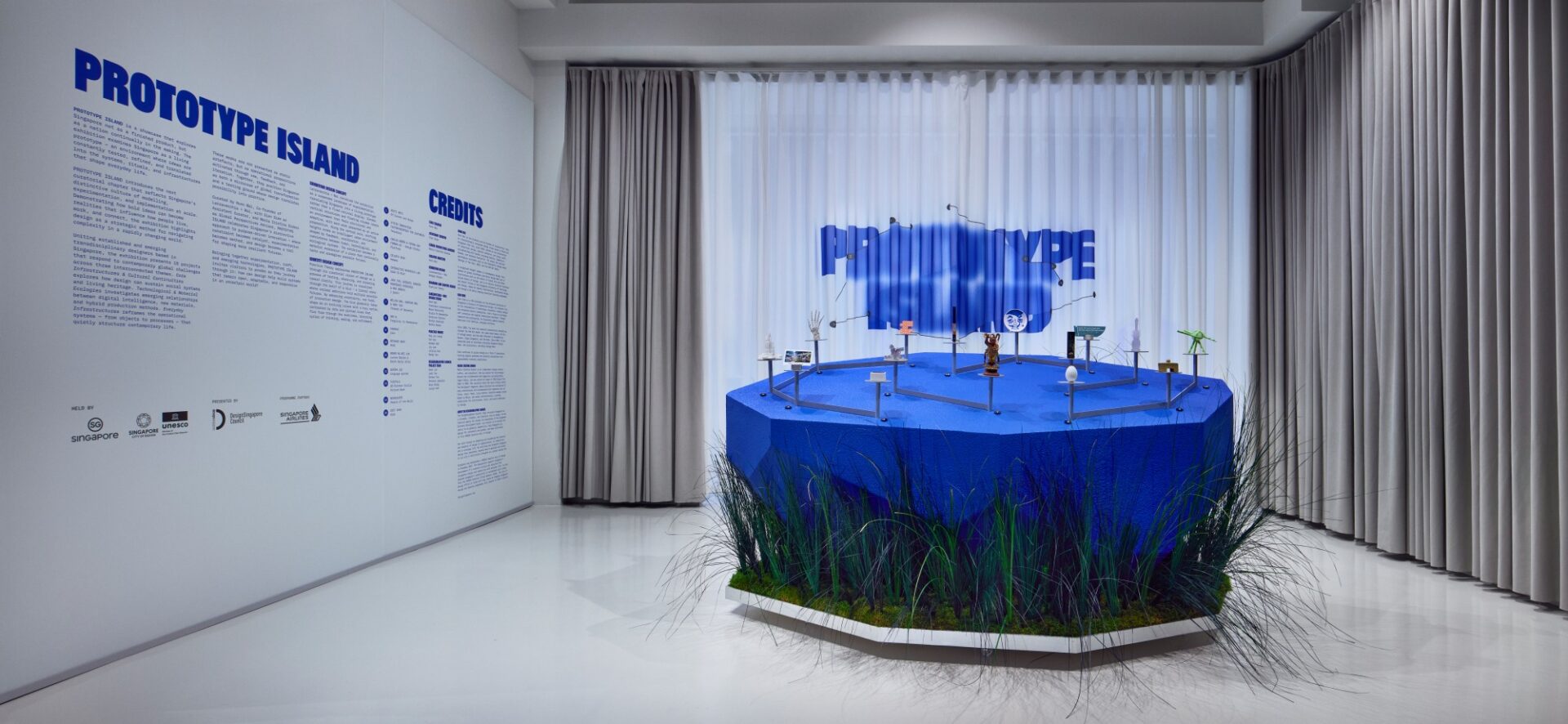
Design Singapore x Prototype Island
The featured works range from Parable’s handcrafted modular ceramic system “Iris” and ODD M.’s transformation of post-consumer waste into functional objects, to AI-driven architectural planning systems by Carlos Bañón and Yiping Goh.
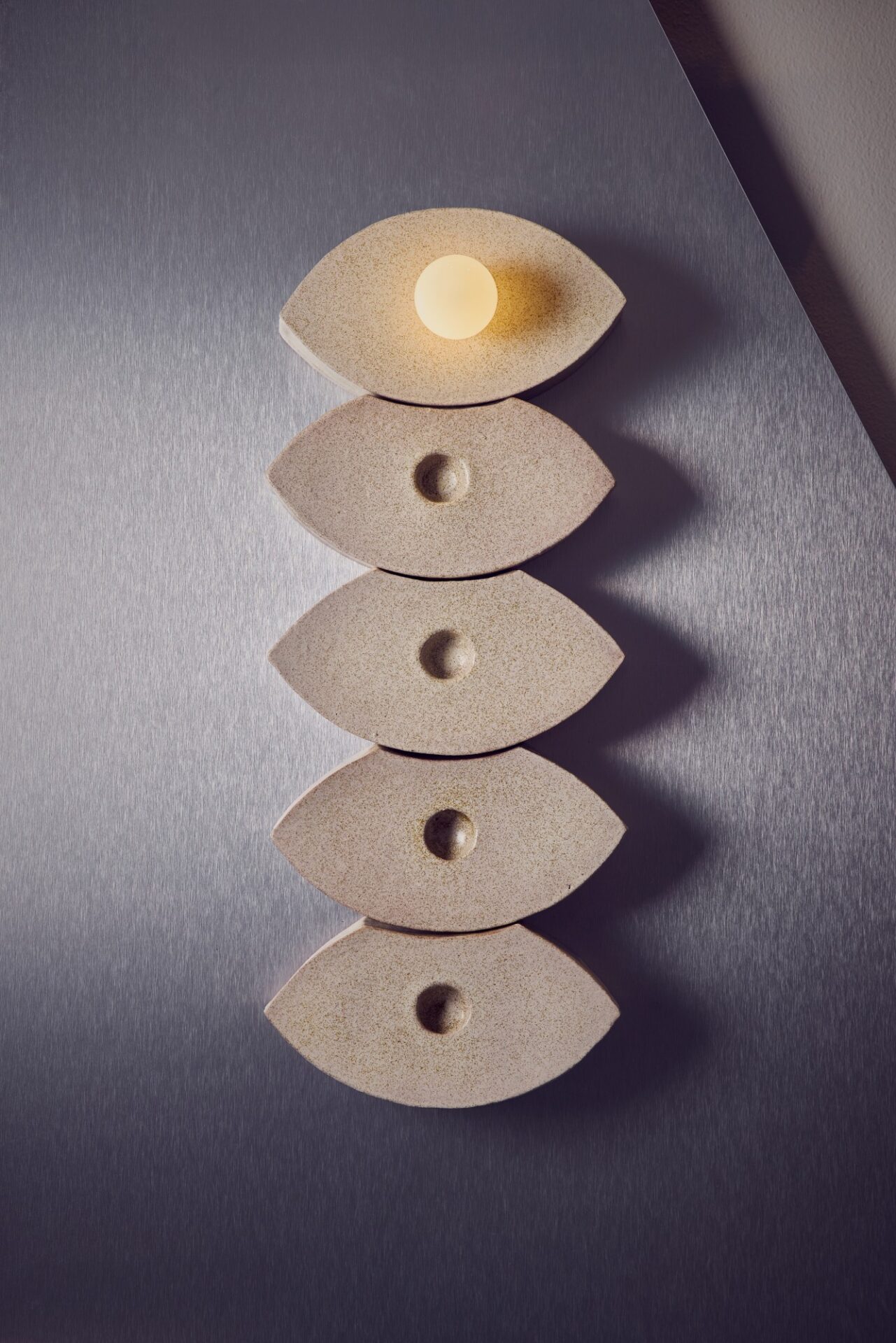
Iris by Parable; Design Singapore x Prototype Island
Tusitala’s tactile 3D-printed books create accessible reading experiences for visually impaired children through Braille and raised imagery, while Celeste Seah uses generative AI within dementia care as a tool for reminiscence therapy and memory reconstruction.
Here are a few interesting projects displayed:
Medical Innovation

Design Singapore x Prototype Island
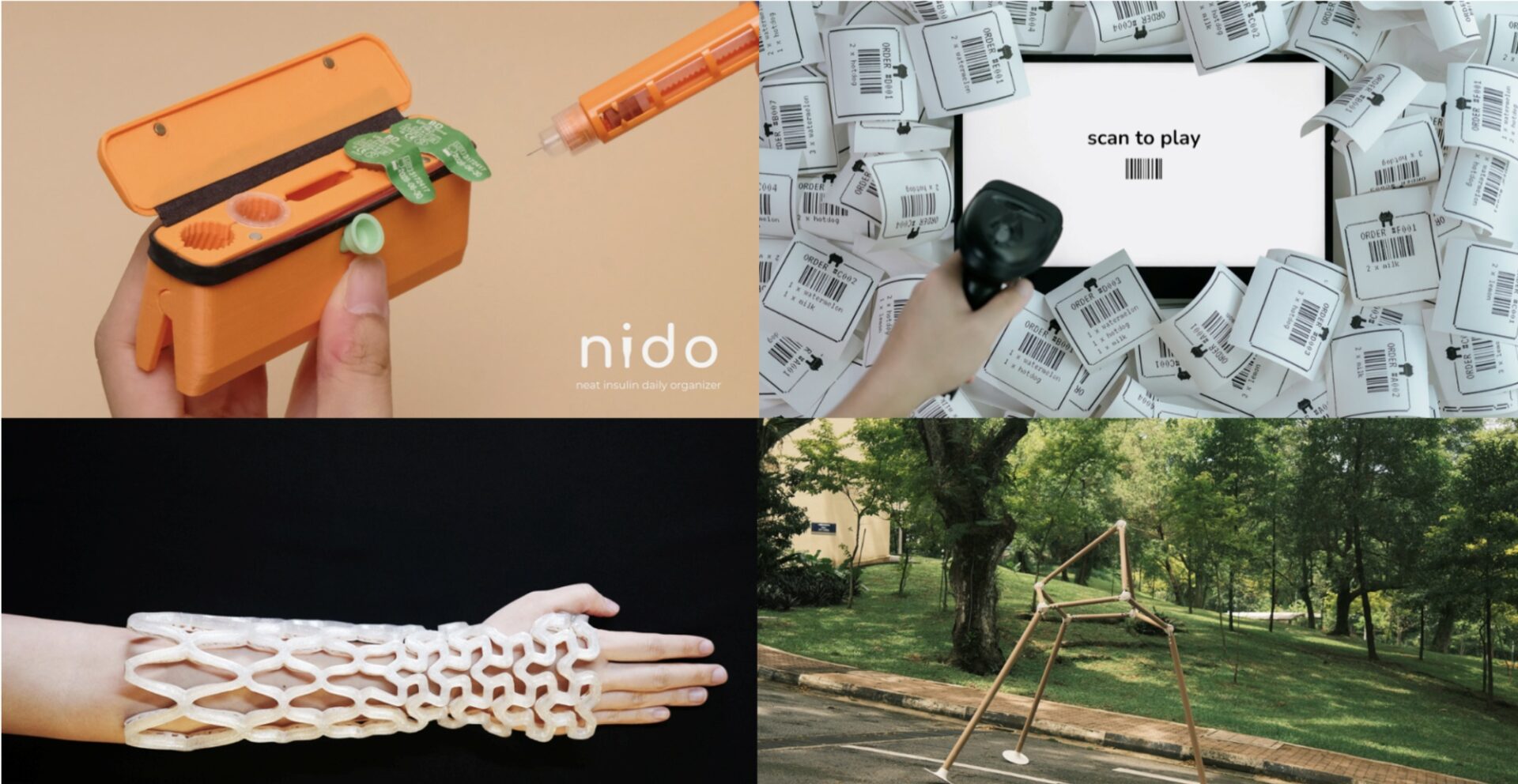
A*STAR Innovation Factory@SIMTech for Castomize created TessaCast an innovative 4D-printed orthopaedic cast system designed to replace traditional fibreglass casts with a patient-focused, customisable, and sustainable alternative. Lightweight, breathable, waterproof, and ergonomically contoured, it adapts to the wearer’s anatomy for comfort and precise support.
Connections of Ingenuity
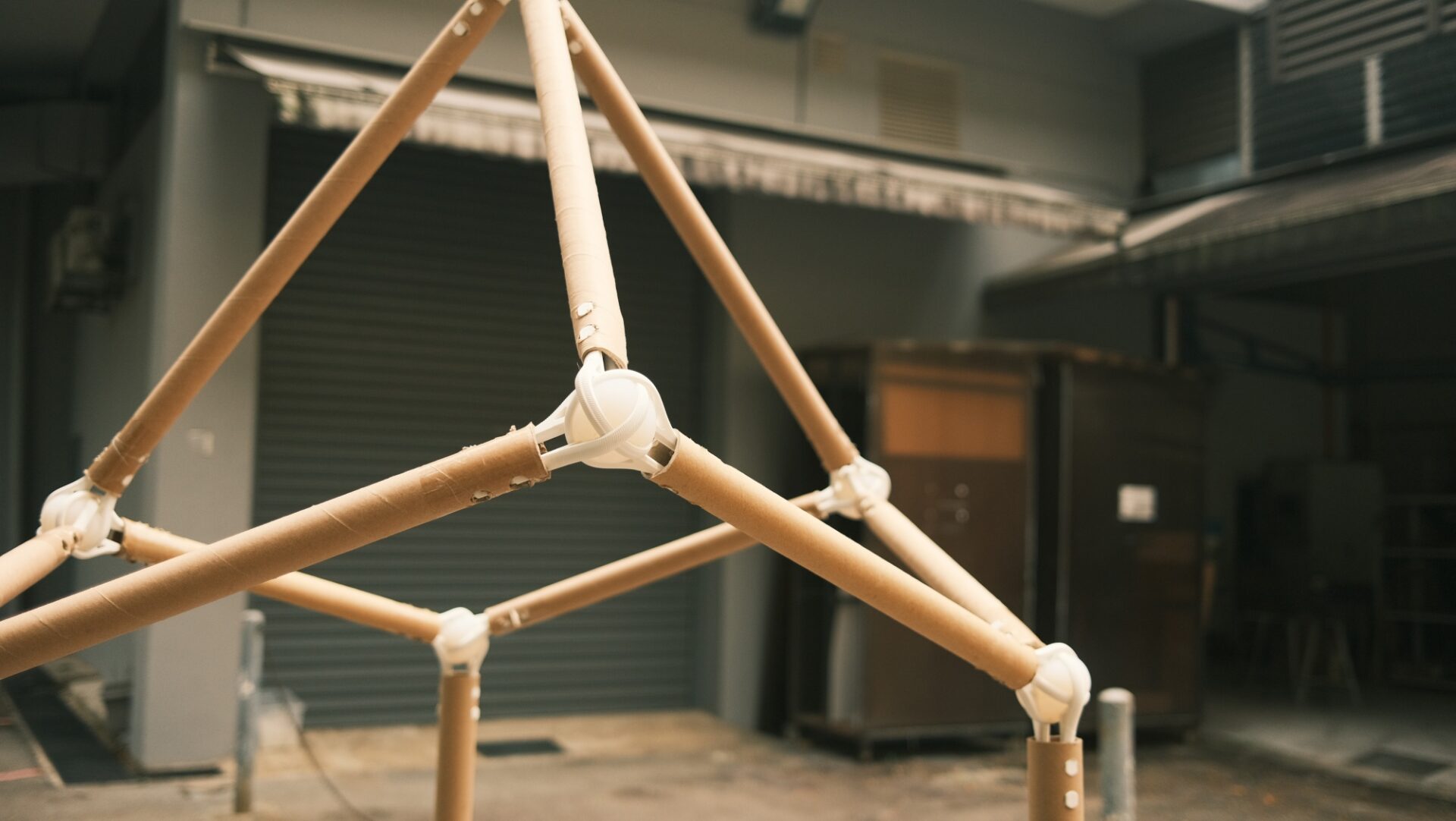
Noda by Reynard Seah
Industrial designer Reynard Seah, whose work has been recognised by international awards, including the James Dyson Award, created Noda, a joint system that enables adjustable, temporary connections through the deformation of an elastic core. It consists of a silicone spherical core wrapped in 3D-printed loops, which lock rods in place when inserted into paper core tubes, yet remain freely reorientable when removed.
Design as an Emotional Interface
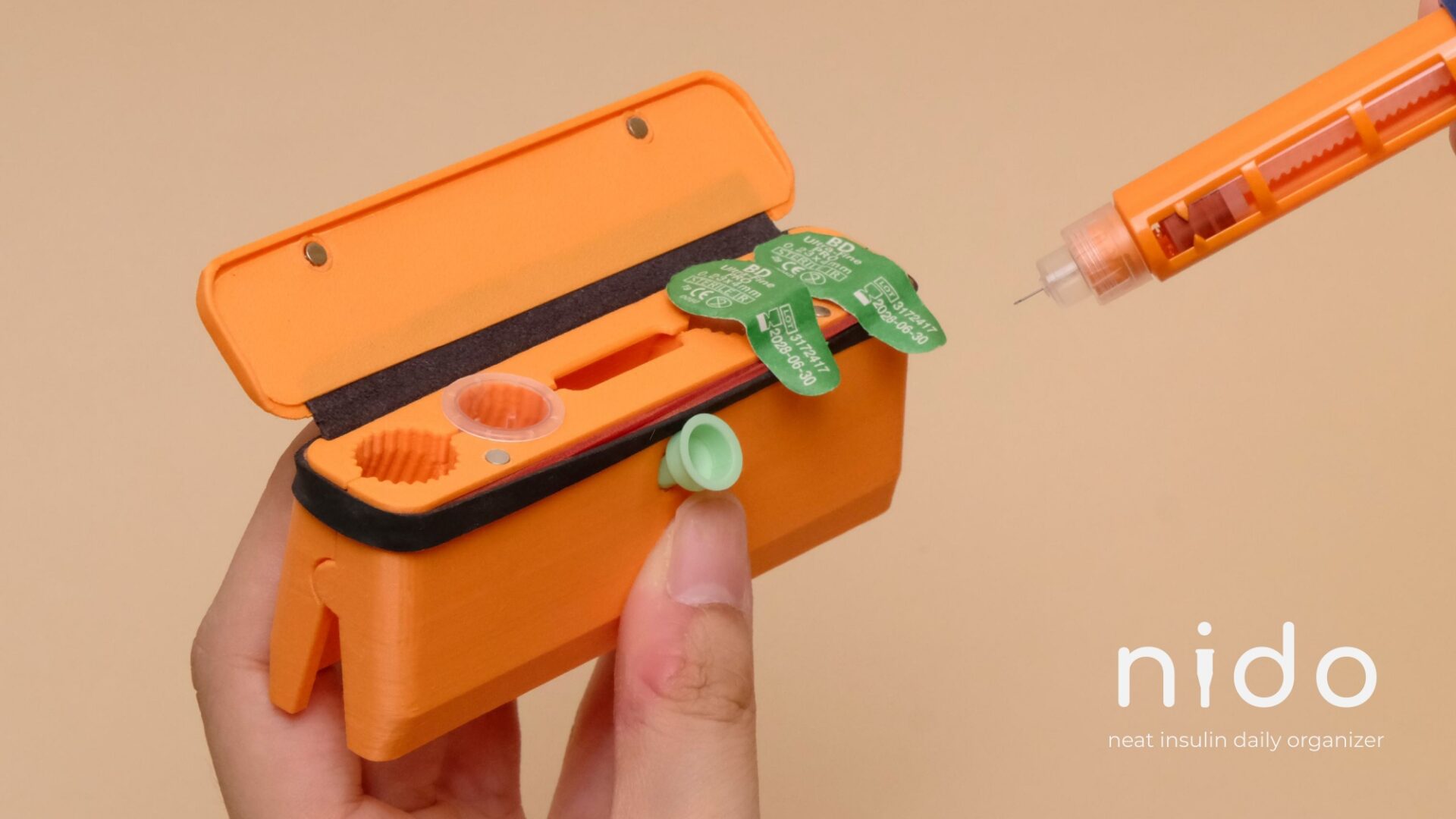
Nido by Zoey Chan
Zoey Chan is a multidisciplinary designer and a James Dyson Awards winner who is drawn to the space where seriousness meets play. She has designed Nido, a compact, modular insulin needle holder to support the everyday realities of living with Type 1 diabetes. Inspired by her own lived experience, it helps users store, eject, and organise needles safely and discreetly, addressing common challenges such as handling small components, separating new and used needles, and disposing of sharps responsibly.
Cultural Interpretation
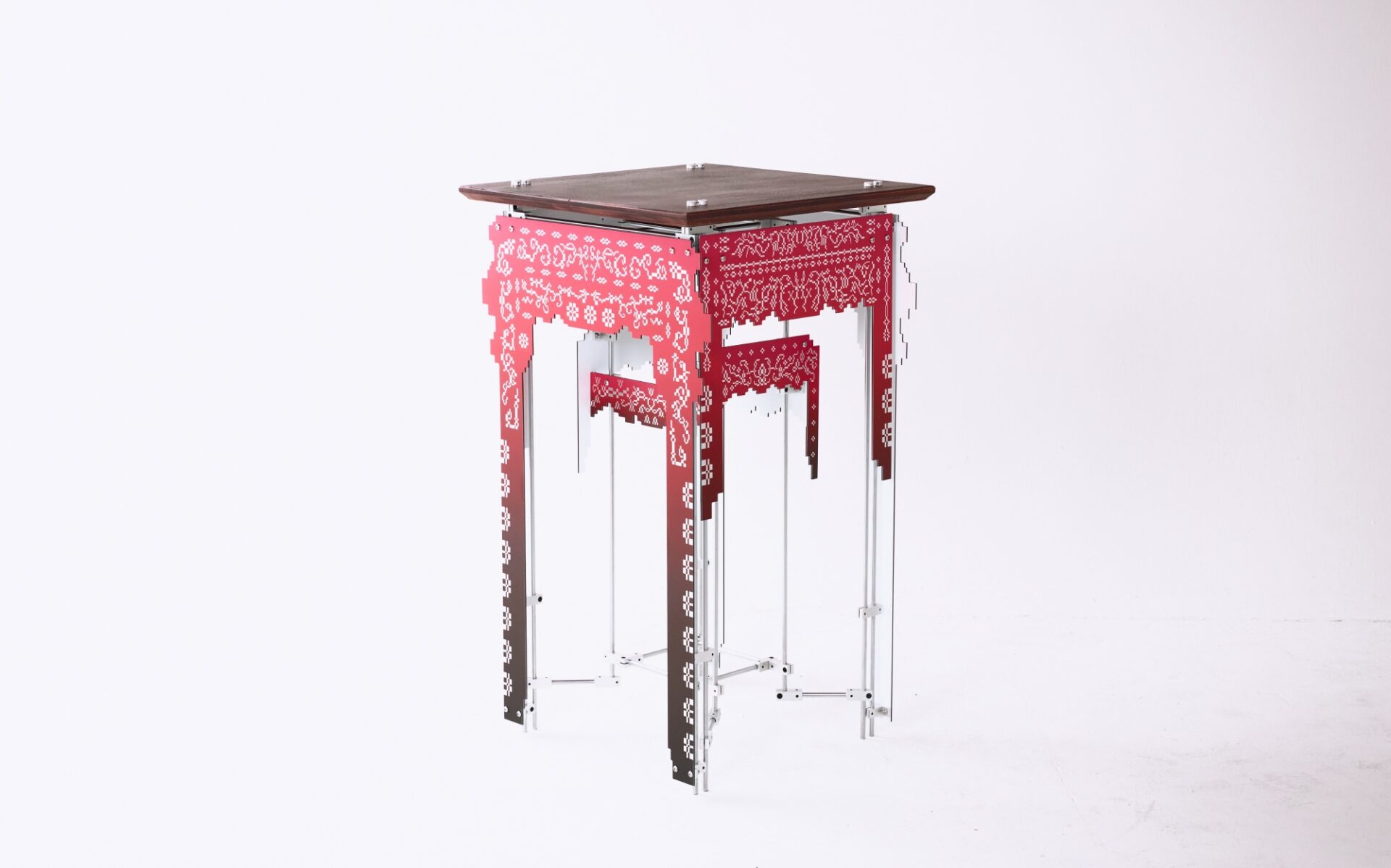
Lustre Series by Roger Ng Wei Lun
Multidisciplinary designer and technologist Roger Ng created the Lustre Series that reinterprets the traditional Peranakan tea table, historically crafted in blackwood with mother-of-pearl inlay, through contemporary materials and industrial processes. Combining wood and metal with UV-printed Dibond aluminium panels, the series balances the warmth of heritage furniture with the precision of modern production. Traditional Peranakan-Chinese motifs are translated into pixel-based patterns printed onto aluminium, allowing the raw surface to shimmer subtly while remaining distinctly industrial.
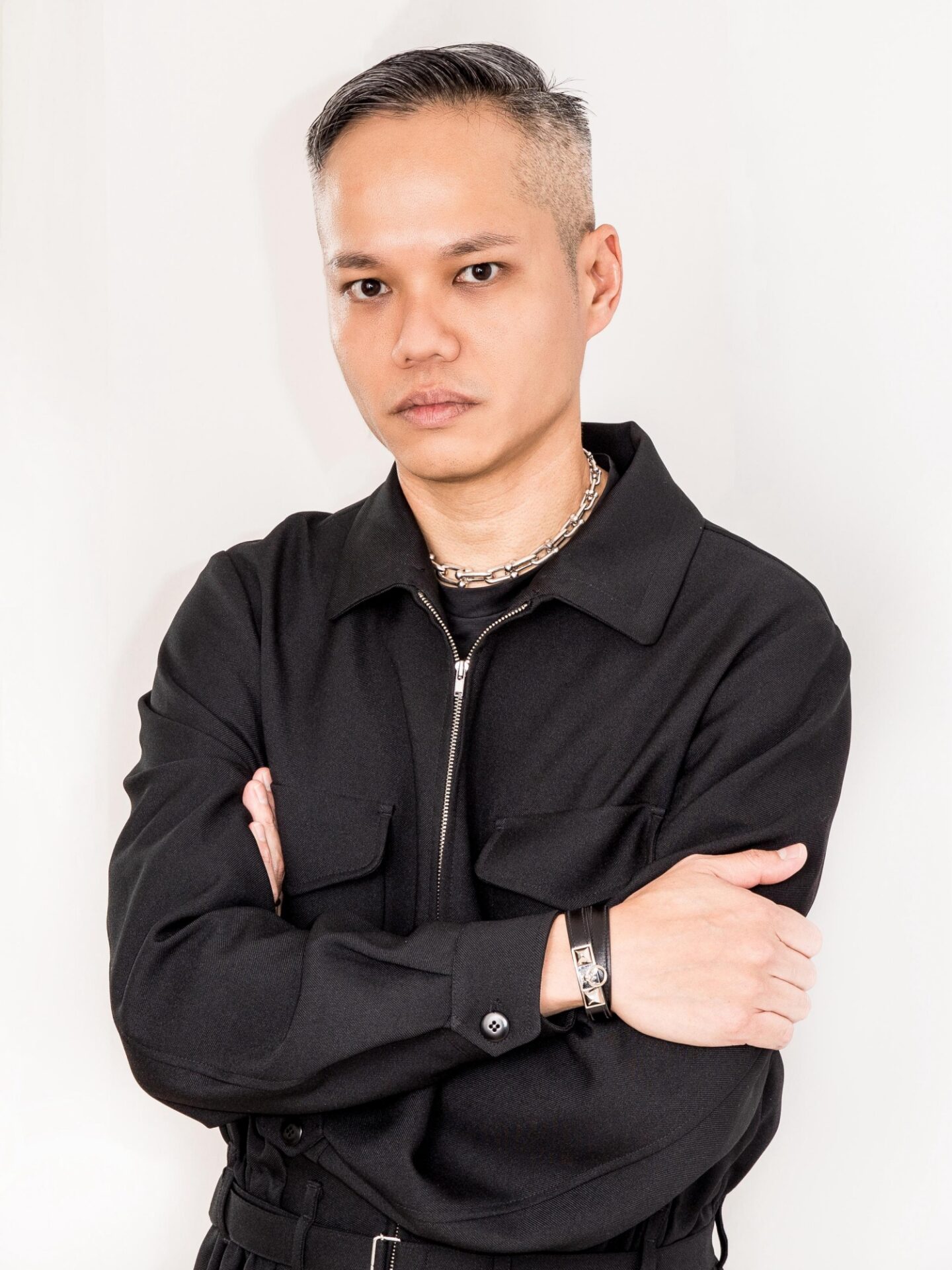
Lead curator Hunn Wai
Speaking to SCALE, lead curator Hunn Wai explains that the exhibition deliberately avoids presenting Singapore as a singular or simplified identity.
Singapore as an Evolving Condition
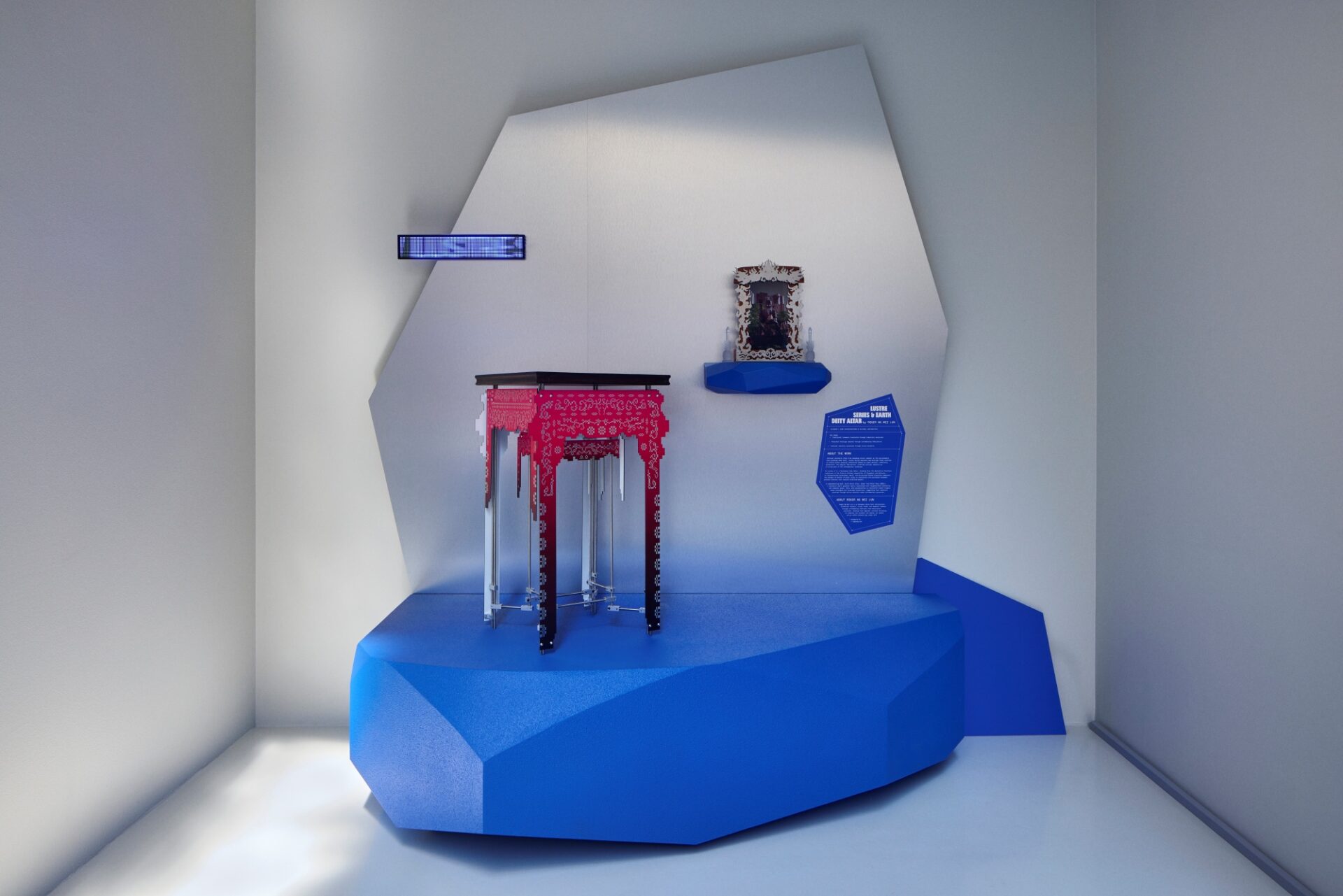
Prototype Island – Lustre Series & Earth Deity Altar by Roger Ng Wei Lun, Milan Design Week 2026, @Mark Cocksedge Design Singapore x Prototype Island
“Prototype Island does not try to present Singapore as a polished success story or a singular national identity,” says Hunn Wai. “It treats Singapore more as an evolving condition: a place shaped by pressure, adaptation, negotiation, and constant adjustment.”
Design Singapore x Prototype Island
According to him, the exhibition emerged from recognising that design in Singapore often develops under real constraints, from density and land scarcity to governance systems and public infrastructure. Rather than hiding those realities, the exhibition focuses on them.
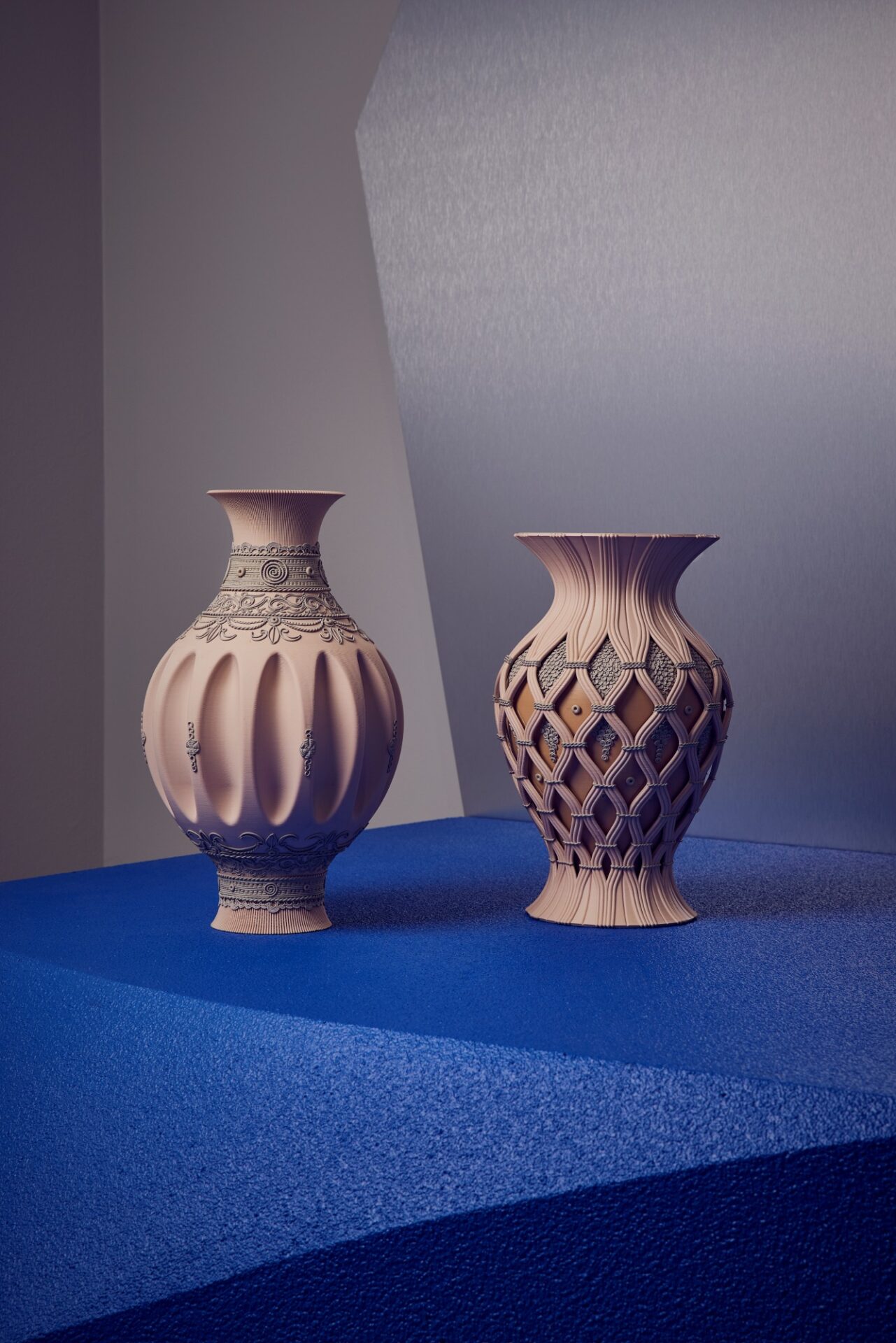
Prototype Island, Threads of Becoming by Melvin Ong, Shervon Ong & Andy Ye, Milan Design Week 2026, @Mark Cocksedge, Design Singapore x Prototype Island
“The projects in the exhibition move across healthcare, food, housing, material research, technology, memory, and everyday life,” he explains. “Together, they reveal how design in Singapore often emerges from constraints, then slowly grows into something larger: new behaviours, systems, cultural possibilities.”
For the curatorial team, the objective was never to simplify Singapore into a digestible narrative for international audiences. Instead, the exhibition embraces contradiction and complexity.
“So, the exhibition is less about simplifying Singapore, and more about making its contradictions visible and readable.”
Design Within Systems
Design Singapore x Prototype Island
Singapore’s global image is often tied to efficiency, planning, and governance. For Hunn Wai, this relationship between design and systems became one of the exhibition’s central themes.
“That tension is part of the reality of Singapore, and honestly, part of what makes the design culture here interesting,” he says.
“A lot of Singaporean design does not emerge from unlimited freedom. It comes from working within systems, regulations, spatial limits, public expectations, and long-term planning frameworks. Designers here learn how to operate inside complexity.”
Rather than framing governance and creativity as oppositional forces, Prototype Island examines how designers negotiate and reshape existing systems.
“Sometimes the work aligns with larger systems. Sometimes it pushes gently against them. Sometimes it finds unexpected openings within them.”
For the curator, the exhibition ultimately asks larger questions about humanity within infrastructure.
“In Singapore, design is often closely tied to infrastructure, policy, healthcare, housing, education, or public behaviour. The more interesting question for us was: how do systems become more humane? How does efficiency evolve into care? How does pragmatism gain emotional and cultural depth over time?”
Curating Through Listening
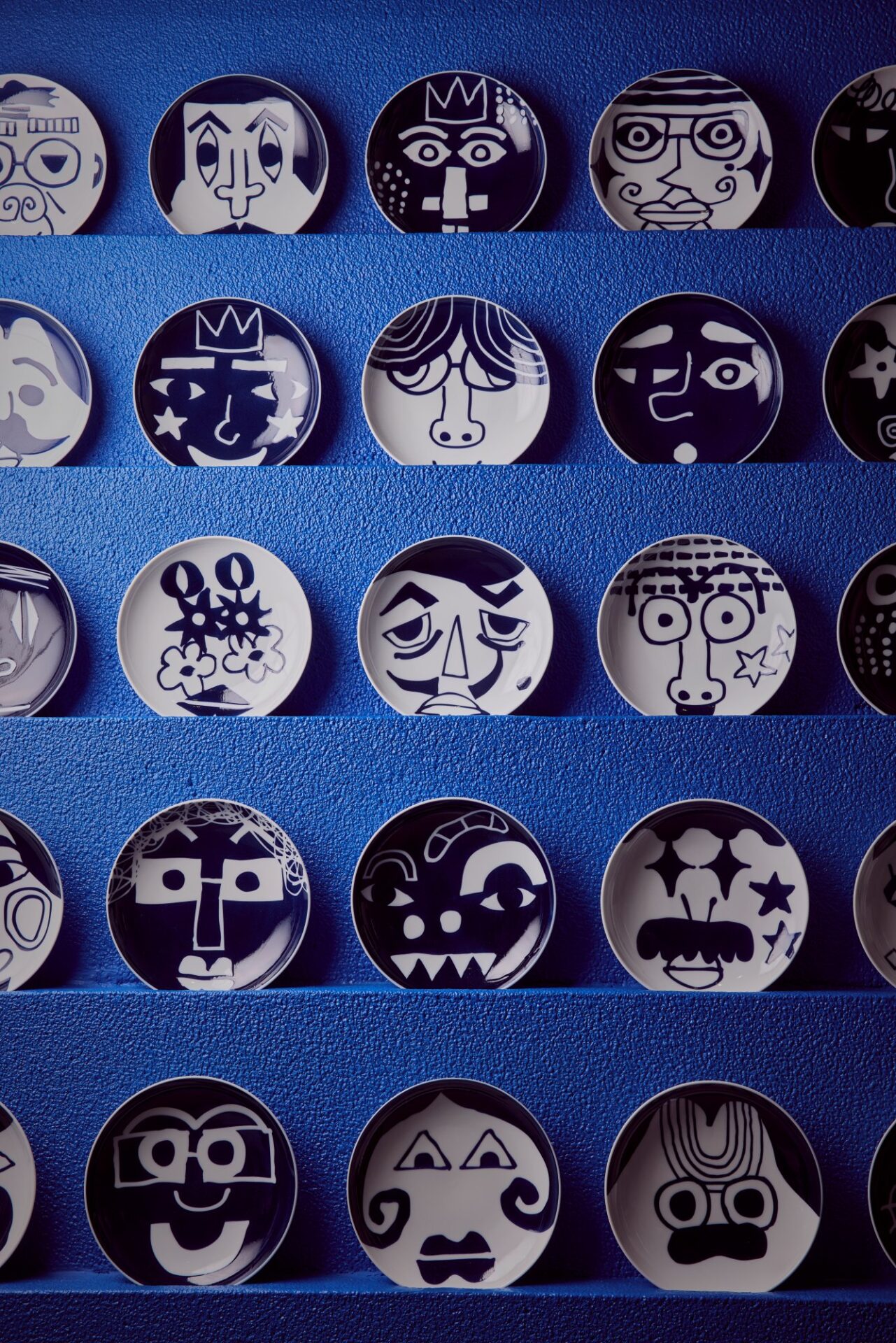
Design Singapore x Prototype Island
While the exhibition began with a strong conceptual framework, Hunn Wai explains that the curatorial narrative evolved through ongoing dialogue with participating designers.
“It started with a clear idea, but the exhibition became richer as we listened more closely to the projects themselves.”
From the beginning, the notion of Singapore as a “living prototype” guided the exhibition. But as conversations with the designers deepened, certain themes kept resurfacing naturally. Care kept appearing, not sentimentally, but structurally. Heritage appeared less as preservation and more as adaptation. Technology was often treated not as a spectacle but as a cultural tool. Material experimentation frequently arose from scarcity, climate, or practical necessity.
“Eian and I were not interested in forcing the projects into a rigid curatorial framework. It was more about recognising the relationships already present between them, then building a structure that allowed those connections to become visible,” says Hunn Wai.
A Global Perspective

TessaCast by A_STAR Innovation Factory@SIMTech for Castomize, Design Singapore x Prototype Island
The participation of internationally respected curator Maria Cristina Didero brought an external perspective that helped sharpen the exhibition’s framing. Maria is an independent design curator, author, and consultant who has worked for Vitra Design Museum and collaborated with magazines including Domus, Vogue Italia, and was editor-at-large of ICON Design from 2018 to 2020.
“Maria Cristina brought distance, which was important,” says Hunn Wai.
“When you are deeply embedded in your own context, certain assumptions become invisible. She helped us identify which ideas could resonate internationally, and which parts needed sharper framing or greater clarity.”
Importantly, Didero encouraged the curatorial team to move beyond presenting the works simply as examples of “Singaporean design.”
For Hunn Wai, this became essential to ensuring the exhibition remained globally relevant without losing its local grounding.
“Prototype Island had to feel grounded in Singapore, but not closed within it.”
Between Speculation and Reality
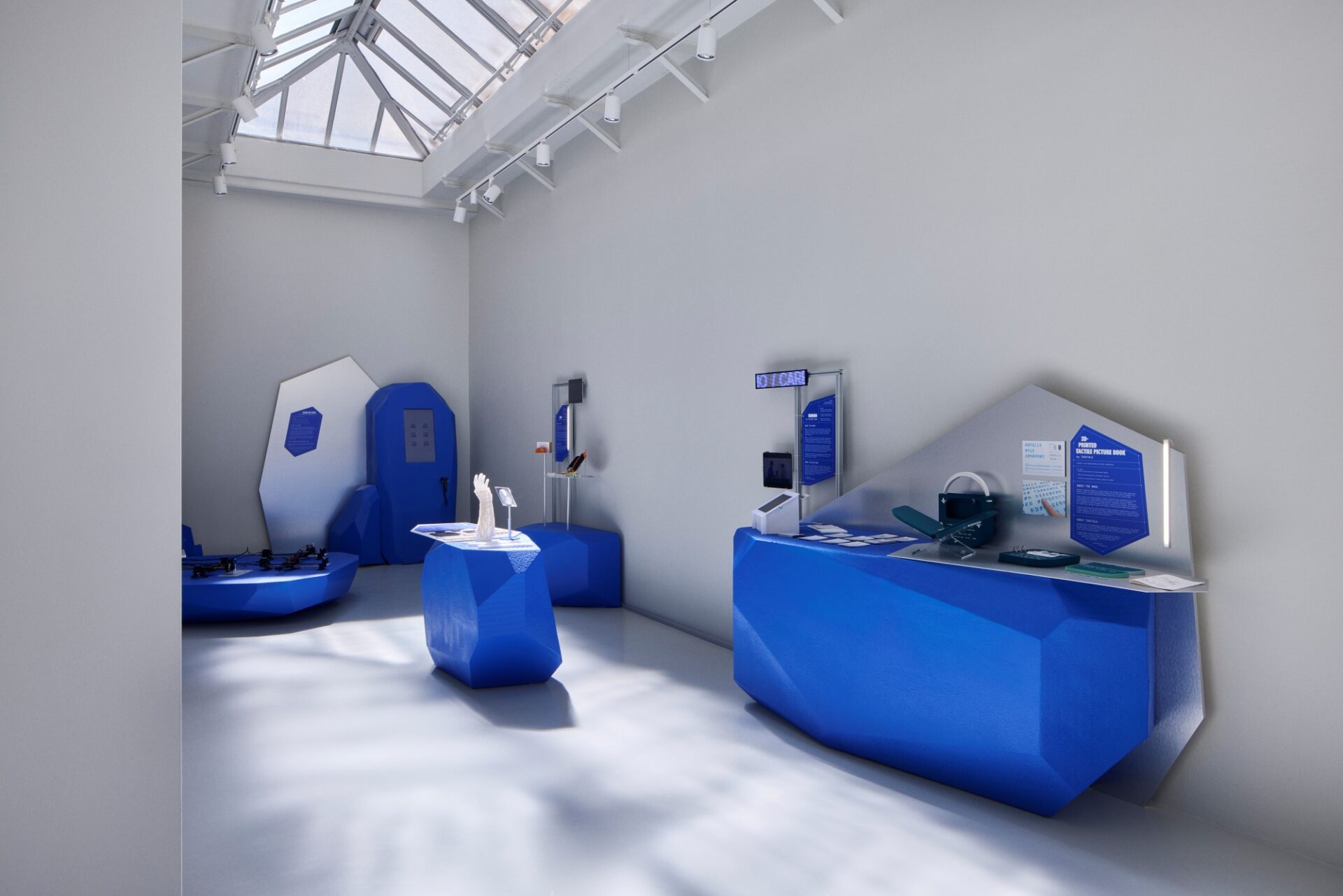
Design Singapore x Prototype Island
Unlike many speculative design exhibitions, Prototype Island intentionally situates itself between imagination and application.
“Most of the projects sit somewhere in between,” explains Hunn Wai.
“Some are already operating in real contexts: hospitals, communities, manufacturing systems, educational spaces. Others are more speculative, but even those are rooted in real conditions and real pressures. None of the work comes from fantasy for fantasy’s sake.”
For the curators, the word “prototype” itself becomes central to understanding the exhibition.
“A prototype is not a final answer. It is a way of testing an idea against reality. That is really the spirit of the exhibition. Not perfect solutions, but active propositions.”
Beyond the Idea of a “Model”
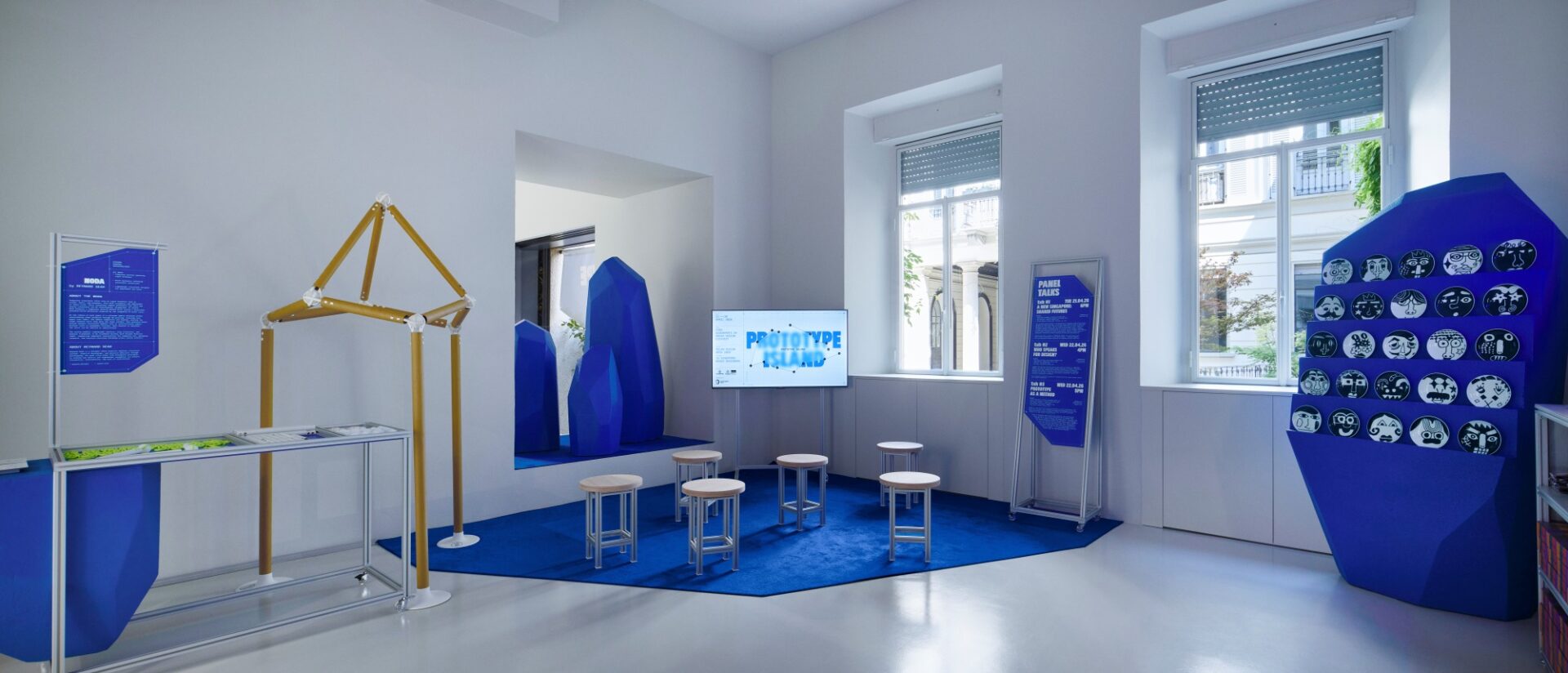
Design Singapore x Prototype Island
Despite Singapore often being viewed internationally as a model city, the exhibition intentionally avoids proposing the country as a universal template.
“We were never interested in presenting Singapore as a universal model,” says Hunn Wai.
He points instead to the nation’s unusually specific conditions: density, land scarcity, multiculturalism, strong governance, limited natural resources, and “an almost constant awareness of vulnerability.”
“Those pressures have shaped a distinct way of thinking and designing.”
Rather than exporting solutions, the exhibition foregrounds attitudes and methodologies.
“So the exhibition is not saying, ‘this is the blueprint.’ It is asking something more open-ended: what happens when a society takes constraint seriously enough to design around it?”
“If there is something transferable, it is probably not the solutions themselves, but the mindset of working constructively with limitations instead of pretending they do not exist.”
Milan as a Social Infrastructure
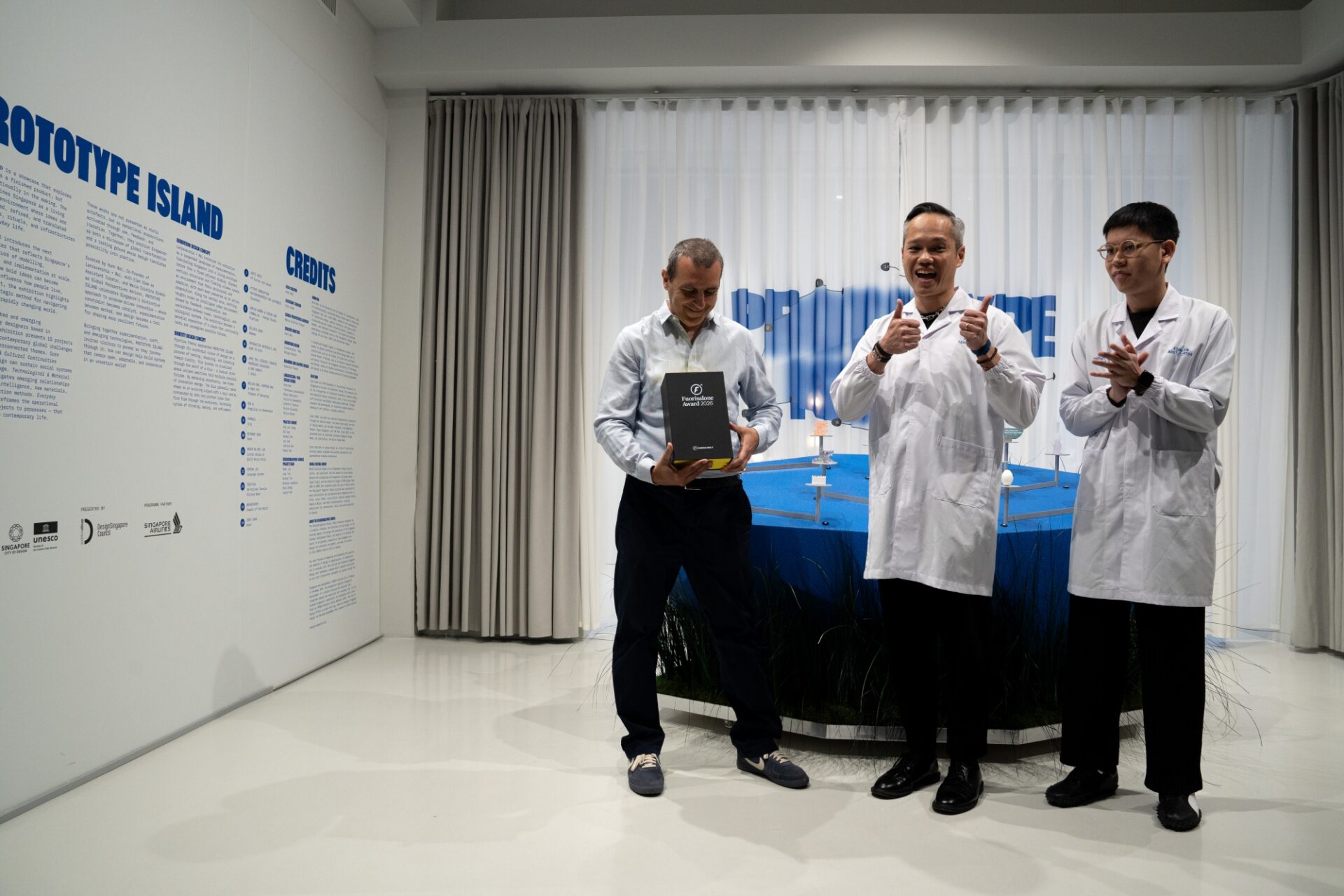
Prototype Singapore won the Special Mention Award by Fuorisalone 2026 for the masterful interpretation of the theme of Fuorisalone 2026.
Alongside the exhibition, DesignSingapore Council hosted talks, public programming, and “Singapore Night,” creating opportunities for conversation and exchange beyond the exhibition space itself.
For Hunn Wai, Milan Design Week’s greatest strength lies in this atmosphere of interaction.
Design Singapore x Prototype Island
“What makes Milan powerful is not only the design itself, but the intensity of exchange around it.”
“During Milan Design Week, the entire city becomes active. Conversations spill out from exhibitions into courtyards, cafes, streets, studios, and temporary spaces. You move constantly between formal and informal encounters. Design becomes part of the social fabric of the city for that week.”
This, he believes, offers an important lesson for Singapore as it develops its own future design biennale ambitions.
“A biennale cannot just be a collection of objects inside venues. It has to create encounters, atmosphere, curiosity, friction, participation, and public life around design.”
However, the goal is not replication.
“For Singapore, the opportunity is not to imitate Milan aesthetically or structurally. The opportunity is to build something rooted in our own urban condition, public culture, density, tropical environment, and social rhythms.”
“The challenge is not ‘how do we copy Milan?’ The challenge is ‘what does a design biennale feel like when it genuinely belongs to Singapore?’”