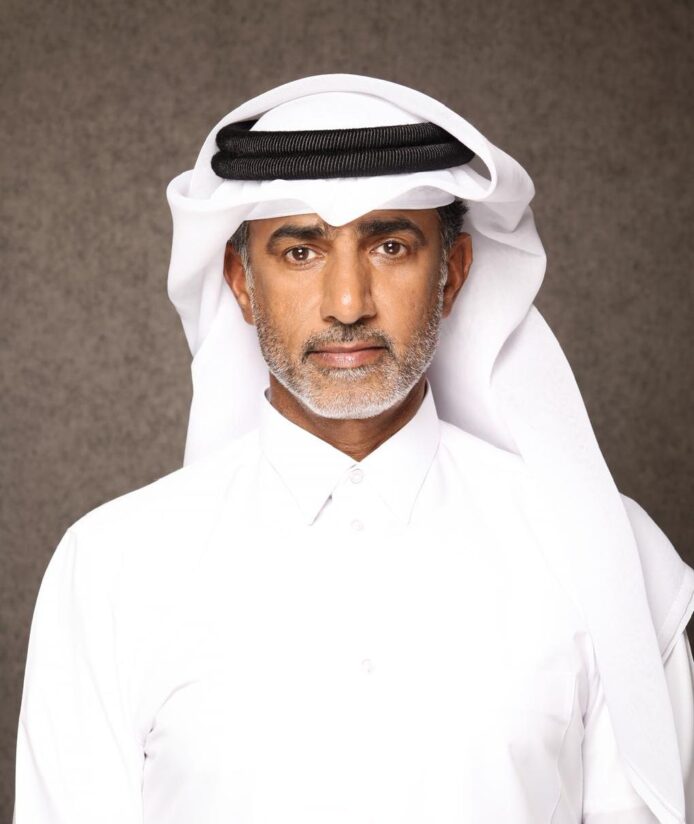
H.E. Mohammed Al Kuwari on Culture, Diplomacy & Human Connections
In conversation with SCALE, His Excellency Mohammed Al Kuwari reflects on the evolving role of cultural diplomacy and the importance of building connections through shared human experience.
For over a decade, Qatar’s Years of Culture initiative has positioned cultural exchange as a meaningful tool for dialogue, collaboration, and long-term relationship building. Developed by Qatar Museums under the leadership of HE Sheikha Al Mayassa bint Hamad bin Khalifa Al Thani, the programme has evolved into one of the country’s most significant platforms for cultural diplomacy, connecting Qatar with nations across the world through exhibitions, education, heritage, film, music, sport, and community engagement.
Now in its 15th edition, the Qatar Canada and Mexico Year of Culture 2026 expands this dialogue further, bringing together three distinct cultural contexts through a commitment to exchange and collaboration.
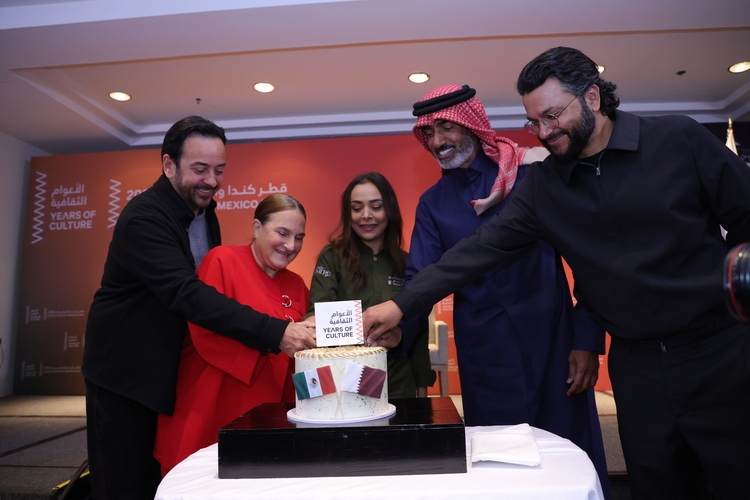
Canadian Ambassador to the State of Qatar, Emilio Cabrero, Andrea Cesarman, Lupita Vidal, Mohammed Al Kuwari, and Fahad Al Obaidly, while announcing the start of this Year of Culture.
Last month, the Qatar Canada and Mexico 2026 Year of Culture marked 100 days of completion, and on this occasion, Years of Culture Advisor on Latin America and Qatar’s Former Ambassador to Mexico, HE Mohammed Al Kuwari says, “This commitment to understanding one another is made even more important amid today’s global conflicts. That is what 100 days of culture means right now: a different answer to the old yet urgent question, How do we continue to live together when circumstances seem determined to pull us apart? Programmes taking place as part of the Qatar Canada and Mexico 2026 Year of Culture invite people to glimpse the world through someone else’s eyes and, in doing so, recognise something of themselves.”
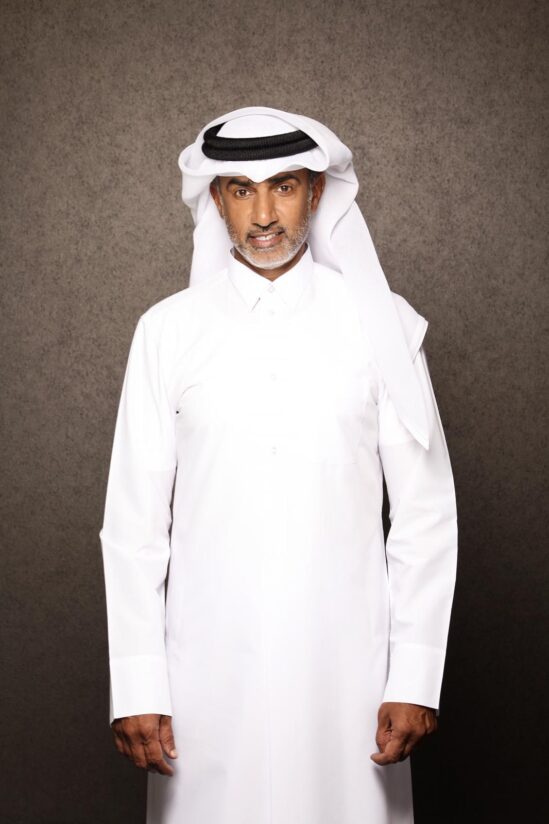 In conversation with SCALE, His Excellency Mohammed Al Kuwari reflects on the evolution of Years of Culture, the role of cultural diplomacy today, and why human connection often achieves what formal diplomacy cannot.
A Platform Built on Exchange
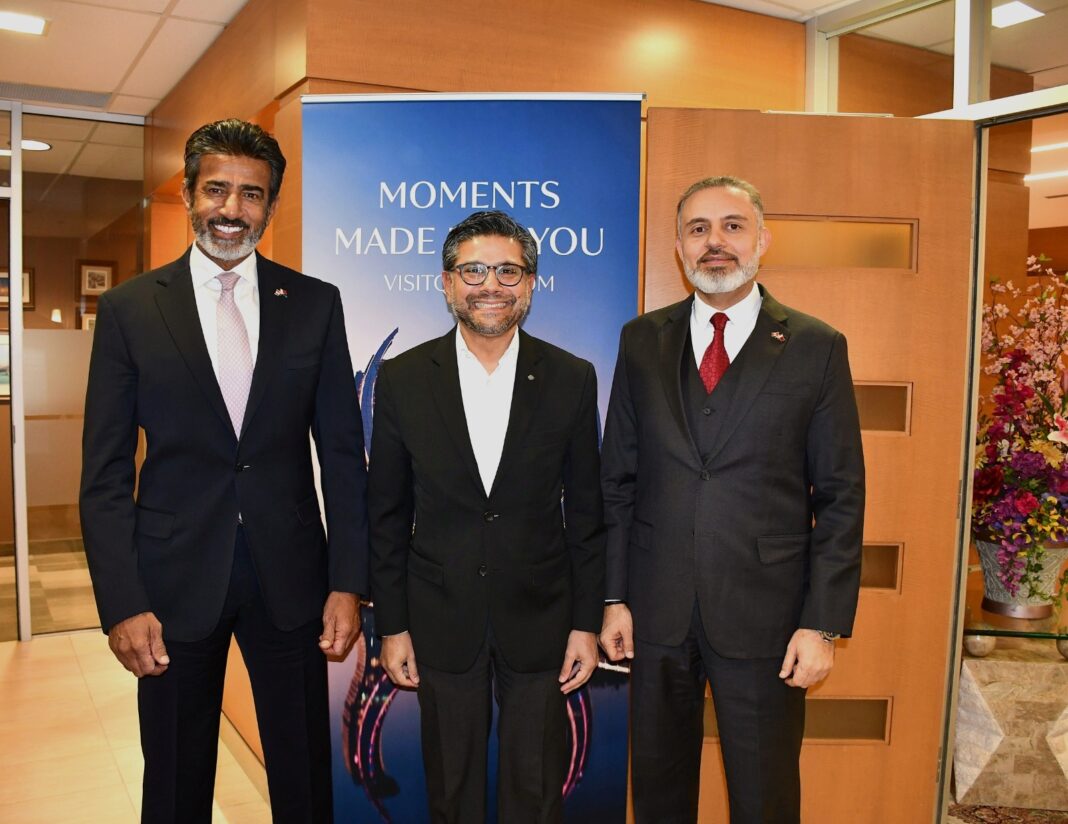
Mohammed Al Kuwari (left); Yasir Abbas Naqvi ECO MPP (middle); HE Tariq Ali Faraj Al-Ansari (right).
Reflecting on the initiative’s evolution, His Excellency Mohammed Al Kuwari describes Years of Culture as one of Qatar’s most important cultural diplomacy platforms today.
“Today, Years of Culture is one of Qatar’s most important platforms for cultural diplomacy. At its heart, it helps build meaningful relationships between countries through people, institutions, and shared experiences.
What makes it different is the way it is built on partnership. This is not a programme where one country simply presents itself to another. It is based on exchange, dialogue, and collaboration. We work closely with our partner countries to create programmes that reflect both cultures and create connections that continue long after the year itself.”
Since its inception, Years of Culture has connected Qatar with countries including Japan, the UK, Brazil, Türkiye, China, Germany, Russia, India, France, the USA, Morocco, Indonesia, and Argentina and Chile, among others. Over time, the initiative has steadily expanded its role beyond cultural presentation into a broader framework of long-term collaboration.
Lessons from Mexico
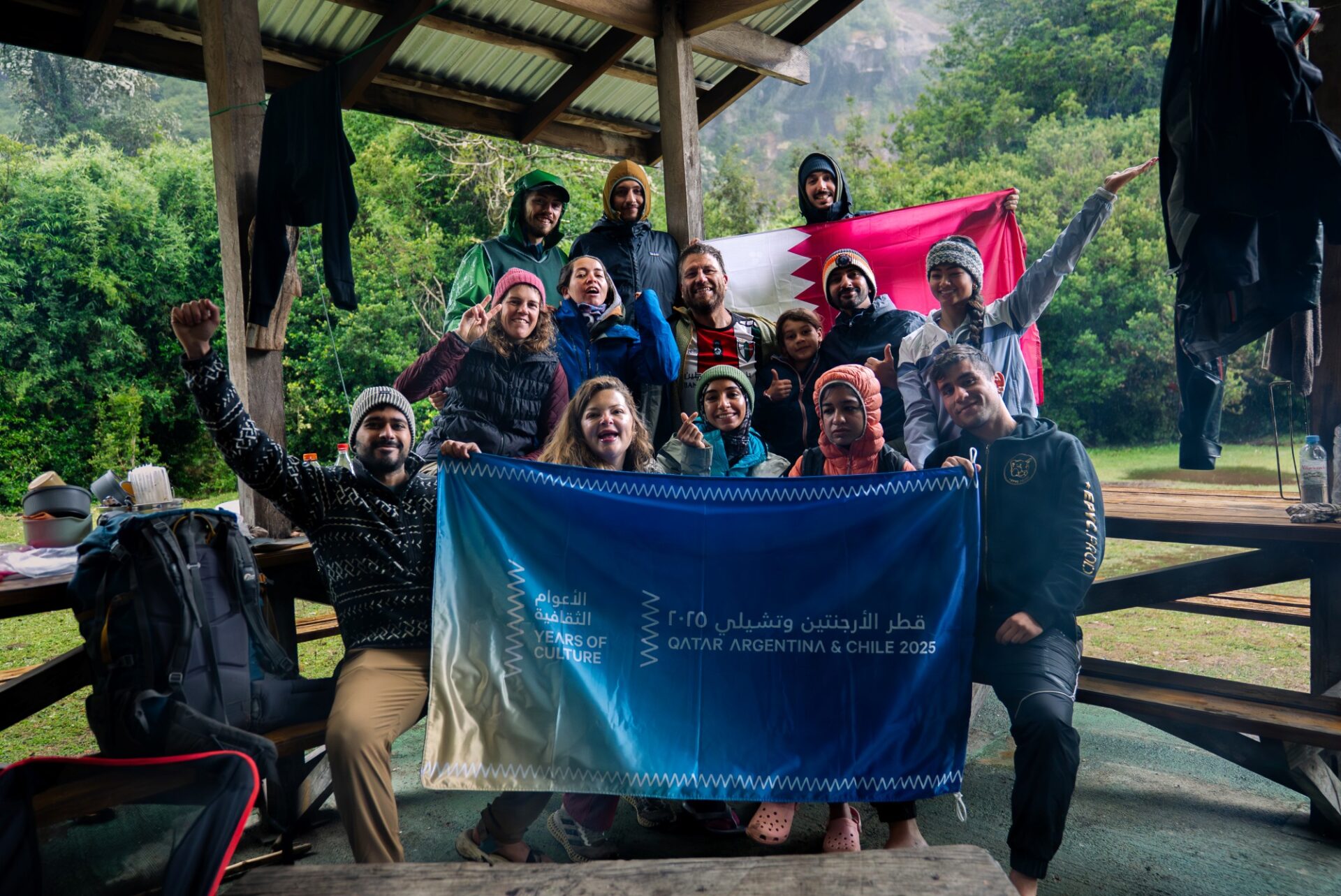
A binational trekking expedition across the Andes concluded as a legacy initiative of the Qatar Argentina and Chile 2025 Year of Culture. It brought participants together for an eight-day crossing from Argentina into Chile along a historic mountain route as part of CultuHike, Years of Culture’s flagship people-to-people engagement programme.
Having previously served as Ambassador to Mexico, Al Kuwari notes that his understanding of diplomacy was deeply shaped by experiences outside formal political settings.
“My time in Mexico strengthened my belief that the strongest relationships between countries are often built outside formal settings. Trust is created through human moments like sharing food, playing sports together, listening to music, and having conversations. These experiences allow people to connect on a personal level, and that often opens the door to stronger relationships at every level.
“During my time at the Qatari Embassy in Mexico City, I set up a traditional Majlis on the grounds and brought items from Souq Waqif to recreate the experience for our guests in Mexico. It was one of the most popular meeting spots.”
The anecdote reflects the larger philosophy behind Years of Culture itself: that cultural understanding often emerges through lived experience.
Connecting Different Cultural Contexts

CultuHikes like this was created to bring people together through shared experience and exploration. When you step outside your comfort zone and move through a place together, conversations happen naturally, and connections form honestly. The real legacy of Years of Culture is found in these lived moments.
The 2026 edition brings together Qatar, Canada, and Mexico, countries with distinct histories, geographies, and cultural traditions. Yet for Al Kuwari, the programme demonstrates how meaningful exchange does not depend on similarity.
“What this year has shown very clearly is that meaningful connection does not depend on cultures being similar. Qatar, Canada, and Mexico each have very different histories and cultural traditions, yet there are shared values that naturally bring people together, like deep respect for hospitality, support for creativity, and a strong sense of identity.
When people engage through these shared values, it strengthens understanding and trust. That naturally supports broader relationships between countries, whether in diplomacy, education, business, or tourism.”
Building Relationships Beyond a Single Year
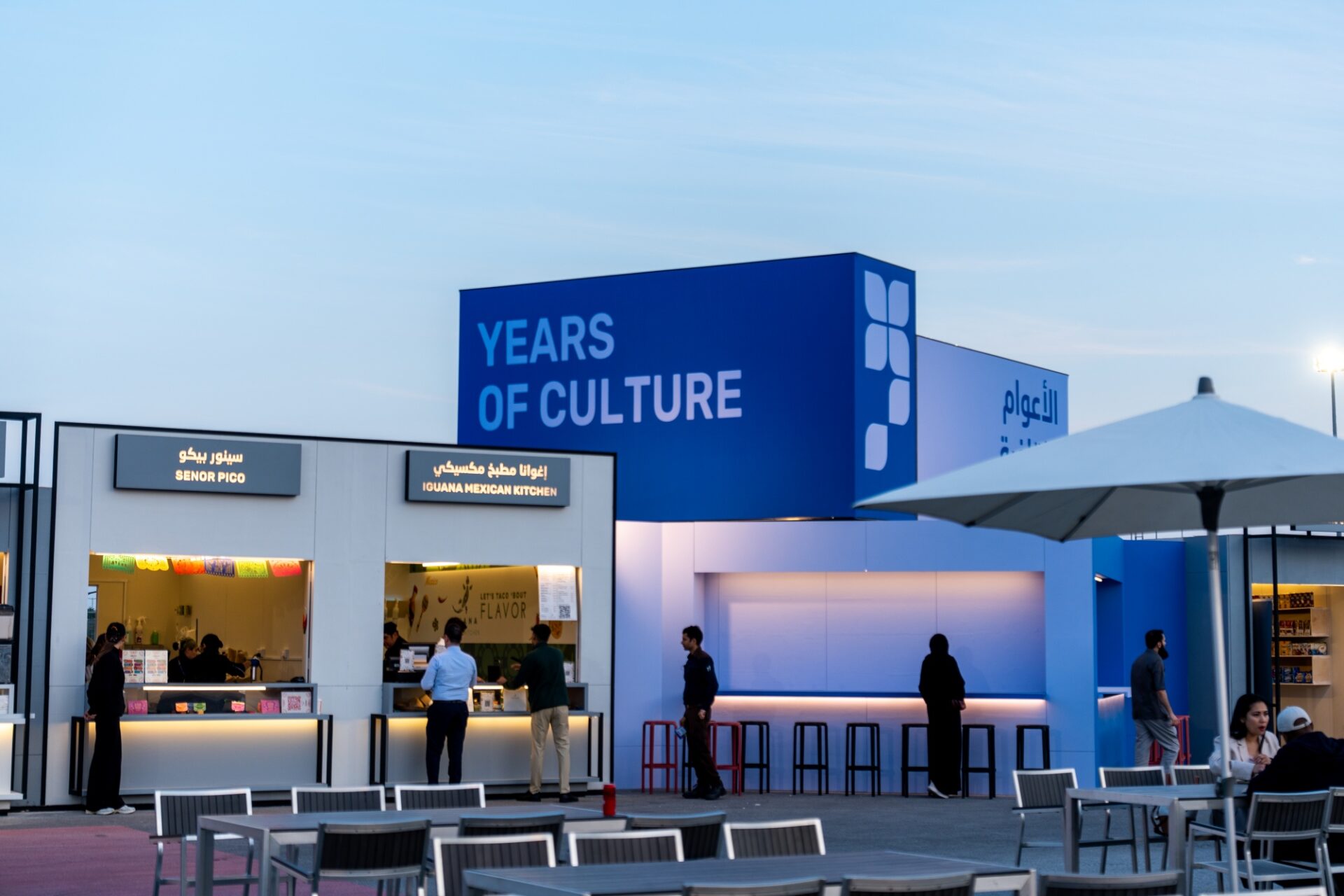
QIFF YoC stand.
One of the recurring challenges with cultural initiatives globally is sustaining momentum beyond a temporary programme. Al Kuwari explains that continuity has been intentionally embedded into the structure of Years of Culture.
“Sustainability has always been a core part of the Years of Culture model. We focus on building partnerships between universities, cultural organisations, and businesses that can continue beyond the official programme year. Many of our initiatives are designed to create long-term collaboration, whether through educational exchange, joint exhibitions, heritage projects, or ongoing partnerships in sport and investment. The year itself is often the beginning of the relationship rather than the conclusion. For example, we concluded last year’s partnership with Argentina by signing an MoU between the Qatar Financial Centre and the Buenos Aires Ministry of Economic Development with plans to open the first Gulf-region InvestBA office in Doha in 2026 to promote trade and investment.”
This long-view approach positions Years of Culture not simply as a calendar of events, but as a framework for sustained institutional and people-to-people engagement.
What Cultural Diplomacy Can Achieve
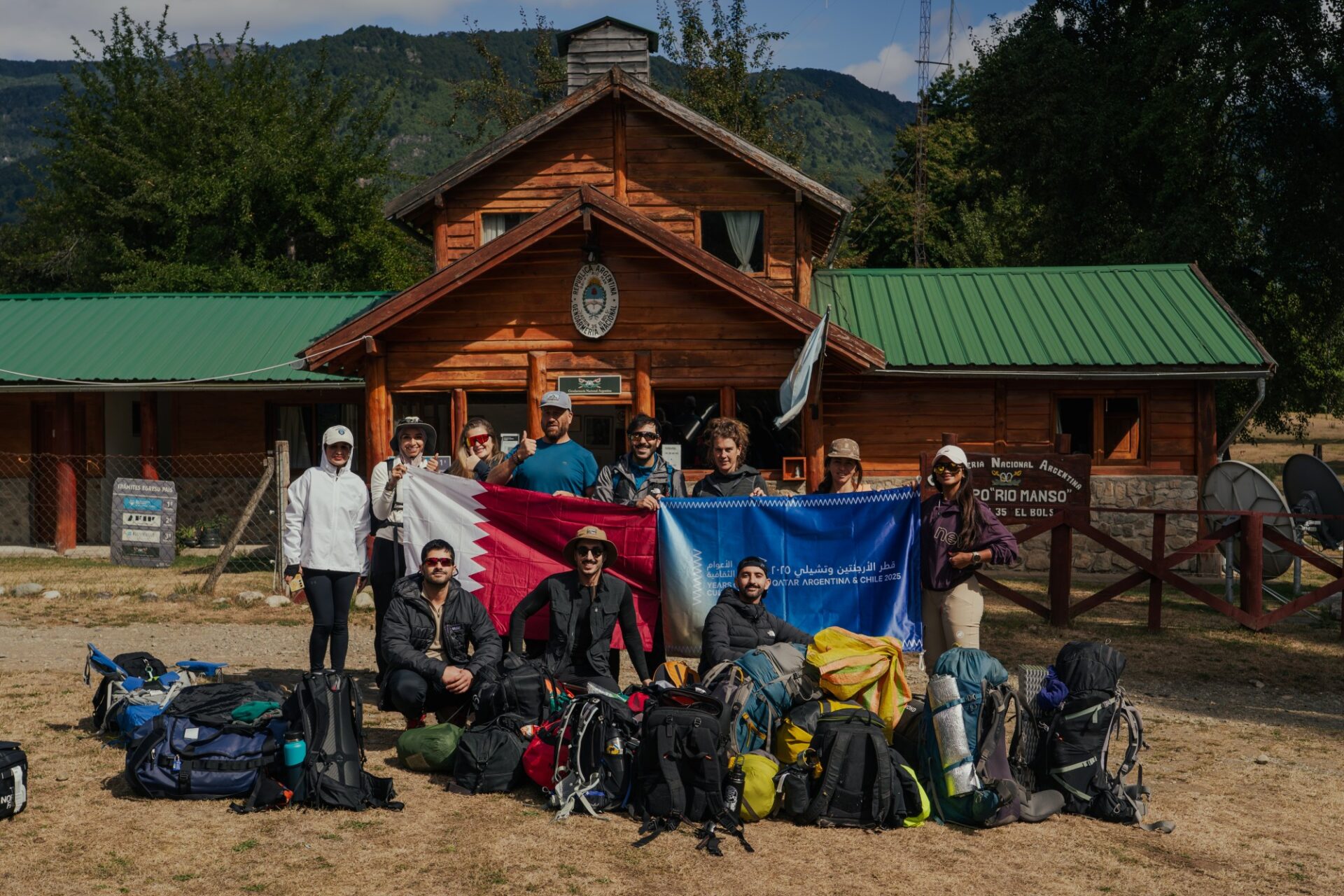
The diplomacy of CultuHike.
Asked about the role of cultural diplomacy in comparison to traditional diplomacy, Al Kuwari points to the ability of culture to create empathy and trust through shared experience.
“Cultural diplomacy helps create understanding at a human level. Culture helps people experience and see each other’s stories and values. That kind of immersion can build empathy and trust in ways that formal dialogue alone sometimes cannot.”
Equally important, he notes, is ensuring that exchange remains reciprocal rather than one-directional.
“Reciprocity begins at the planning stage. Every programme is developed in close collaboration with our partner countries and institutions. We listen carefully to what matters to them and work together to shape initiatives that reflect both perspectives. The strongest cultural exchanges are always collaborative. Both sides should feel represented, heard, and actively involved.”
Balancing Heritage and Contemporary Culture
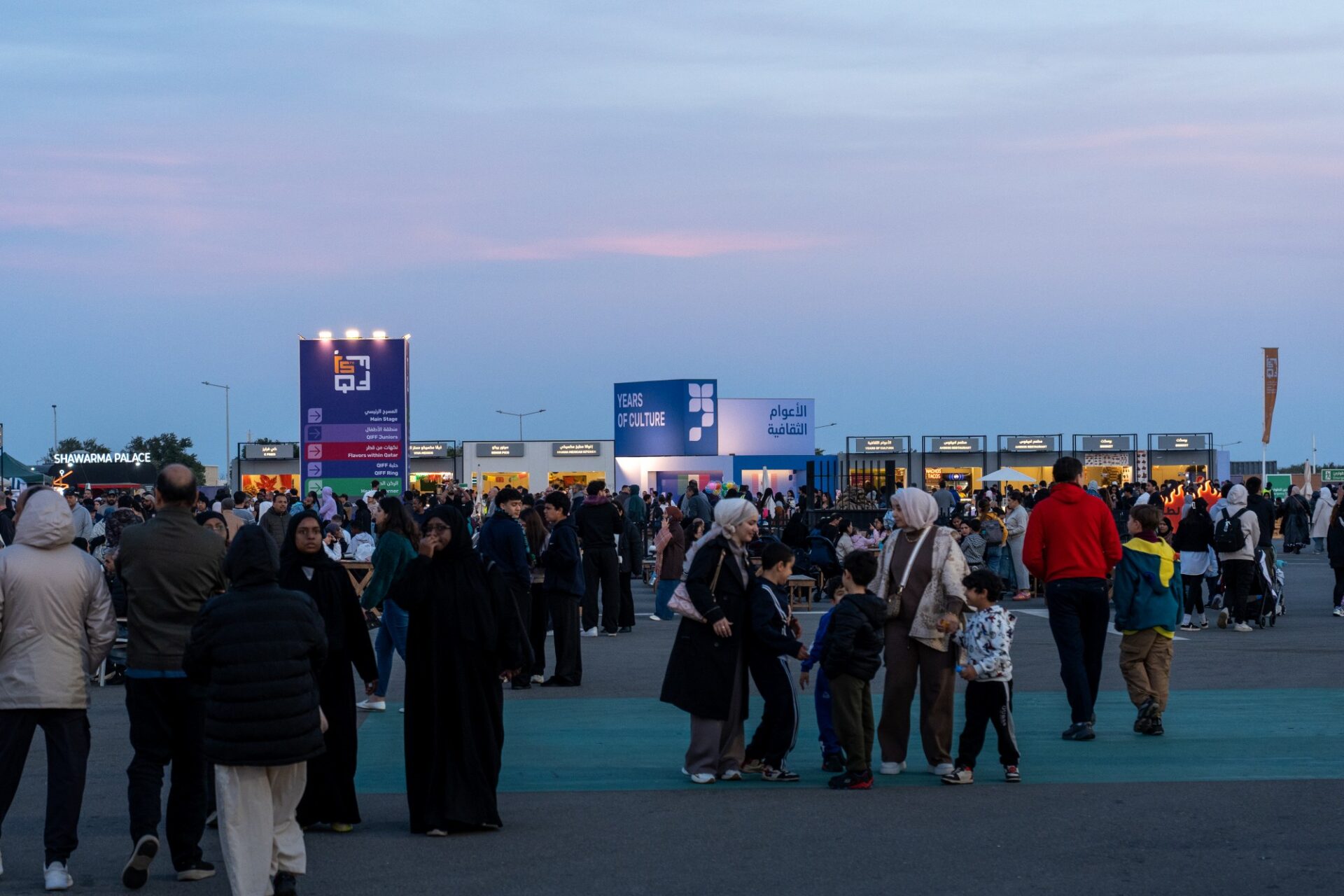
QICC YoC programme.
For Years of Culture, presenting a nation internationally involves navigating both historical identity and contemporary practice.
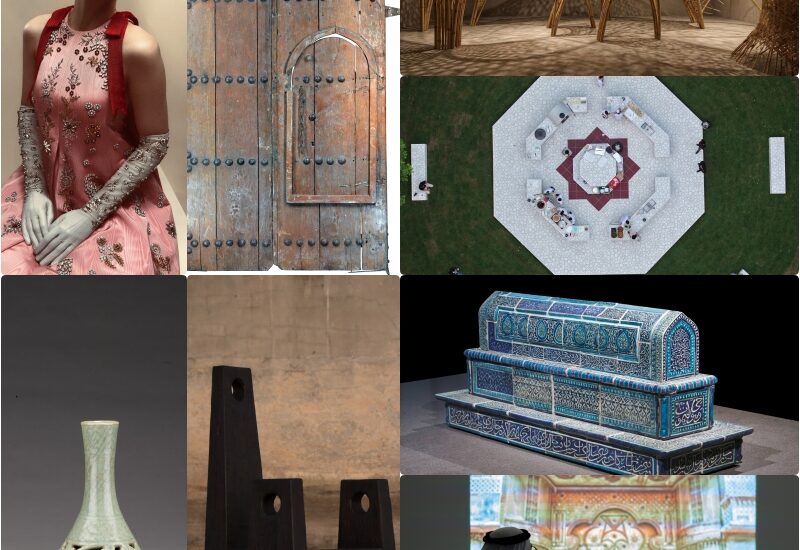
“It is important to present a culture in a way that feels complete and authentic. Heritage is naturally an important starting point because it reflects history and identity. At the same time, contemporary voices and current creative practices are equally important because culture is always evolving. We broadly work across four pillars that encompass culture in every aspect of our lives, from cultural heritage and creative economy to social and economic development and innovation.”
Rather than framing culture as static or nostalgic, the programme positions it as something continuously shaped by present realities and evolving creative practices.
Reaching Beyond Institutions
A key aspect of Years of Culture has been its effort to move beyond institutional audiences and engage broader communities through varied formats and accessible programming.
“Culture has the strongest impact when it becomes accessible and part of everyday life. This is why we work across many formats, including exhibitions, food festivals, sport, film, music, literature, and community events. It’s not about influencing perception but about building awareness beyond what you’ve typically had access to and letting people make up their own mind.”
This multidisciplinary structure has become one of the defining characteristics of the initiative, allowing cultural exchange to unfold through both formal and informal encounters.
The Human Dimension of Exchange
 Looking back on the initiative over the years, Al Kuwari says the most lasting impact often comes from moments that are deeply personal rather than highly public.
“For me, the most important lesson has been that trust is built over time. The moments people often remember most are not always the biggest events, but the genuine human interactions and connections. Those relationships are what give cultural exchange its long-term value.”
Culture in Times of Conflict
In a world increasingly shaped by conflict and division, cultural initiatives also carry a responsibility toward safeguarding memory, dialogue, and shared understanding.
“Building appreciation for difference, and instilling a spirit of learning and discovery, is central to the role of initiatives like ours. In times of conflict, creating space for cross-cultural collaboration and learning helps remind people of what connects us.”