Moment and Purpose: Our Picks from 3daysofdesign 2026
Copenhagen, the city of Jacobsen and his Egg Chair, of Fritz Hansen, of Finn Juhl, does not need a grand occasion to talk about design. The city does it every day, in the way it moves, in what it keeps and what it chooses to leave behind. But for three days, it does something different: it turns that conversation into a festival. 3daysofdesign, in its 2026 edition, opens the doors of showrooms, studios, and institutions across the city, and for a few days, the streets between them become the connective tissue of an industry taking stock of itself. By Juan Torres
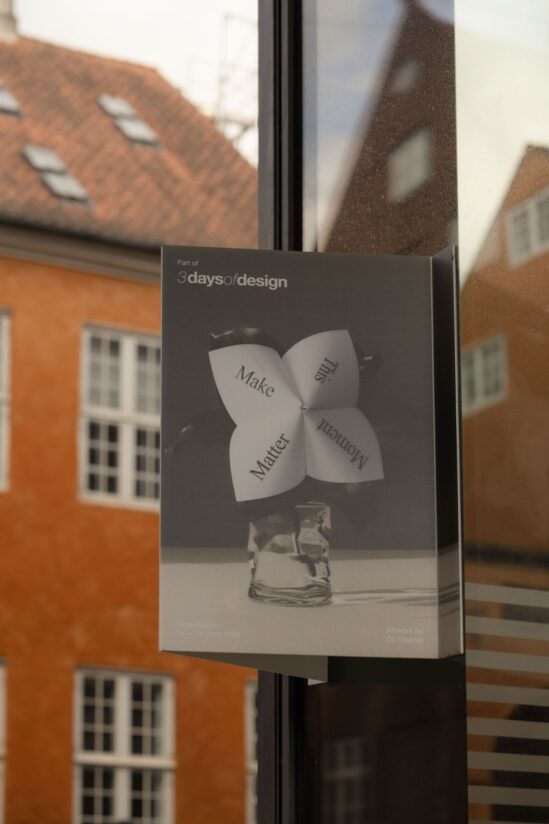
Image Courtesy ©Stefania Zanetti
This year’s theme of 3daysofdesign, Make This Moment Matter, is both a reflection and an imperative. It arrives in a cultural moment defined by noise, by overproduction, filtered realities, and the creeping sense that design has sometimes become a performance of innovation rather than a means to improve how we live.
The Danes know better than most that the past is not a burden but a foundation: the legends of their design masters continue to live on, in their hearts and in the spirit behind so many designs today.
But 3daysofdesign is a response is to redirect attention to the present: not the past as heritage to protect, not the future as speculation to sell, but the now as the only place where decisions, with a true purpose, can actually be made.
Implicit in that call is a question that everyone had to answer, at least implicitly: why does this exist? Because a design without a clear reason to exist is, as 3daysofdesign puts it, static. It occupies space. It adds to the count. But it does not matter.
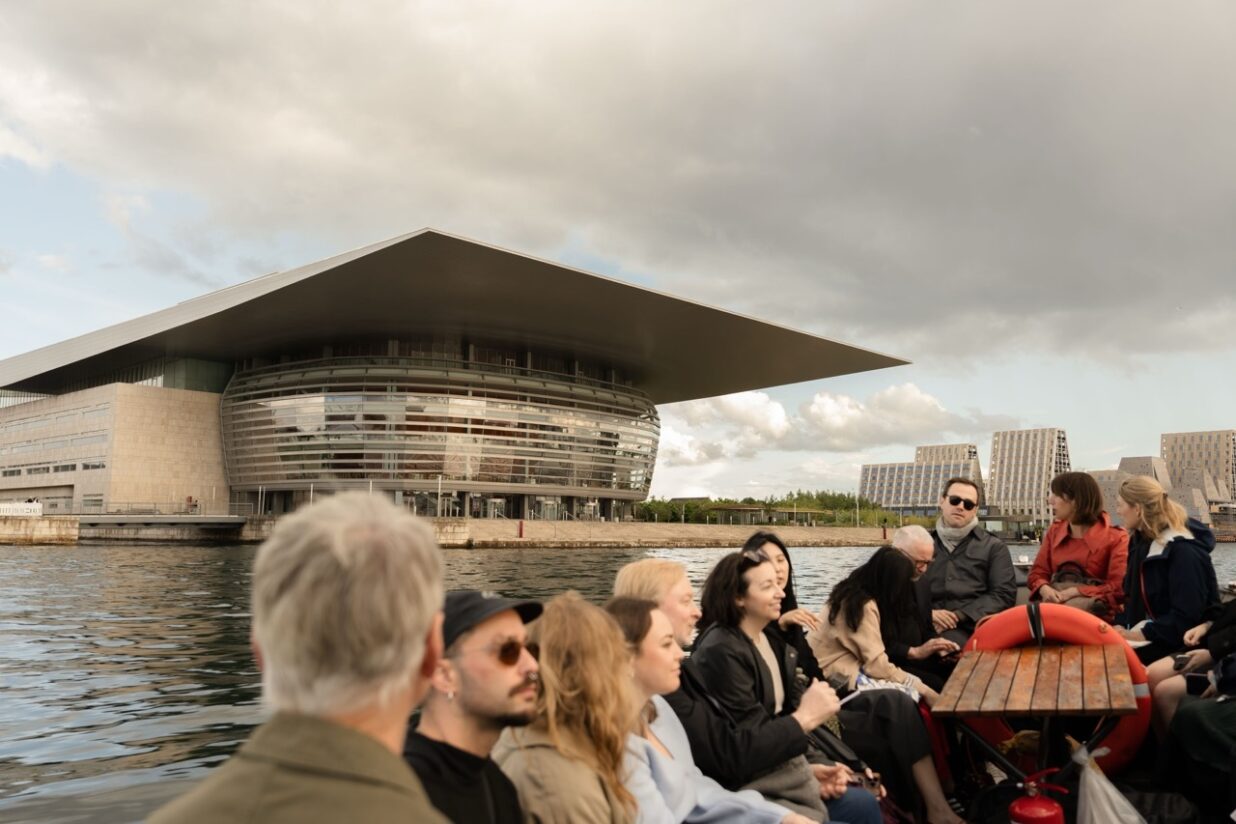
3daysofdesign. ©Laura Alvarez
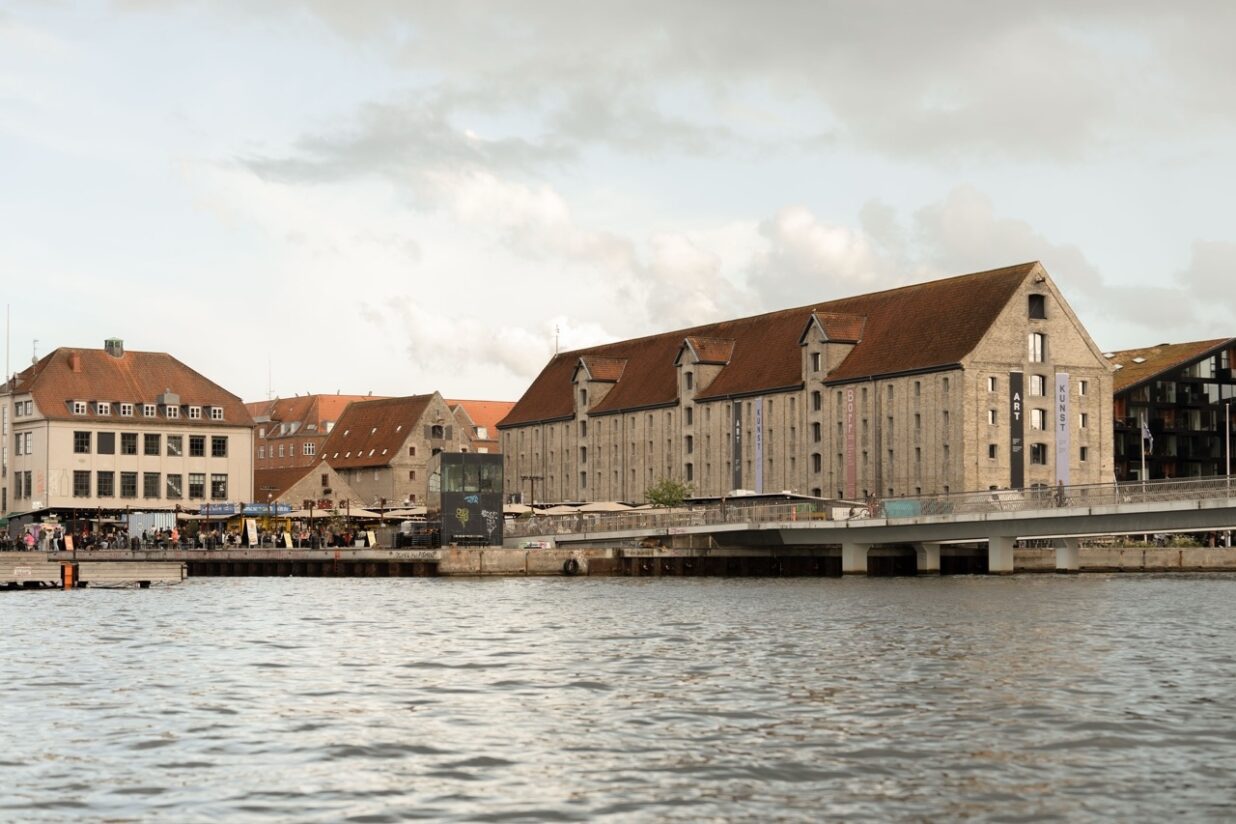
We spent three days navigating the city’s districts, from the dense corridor of Bredgade to the waterfront at Strandgade, through the free streets of Christiania, and these are the ten projects that had an answer.
Mangas Sofa by Matteo Fogale x Origin Made
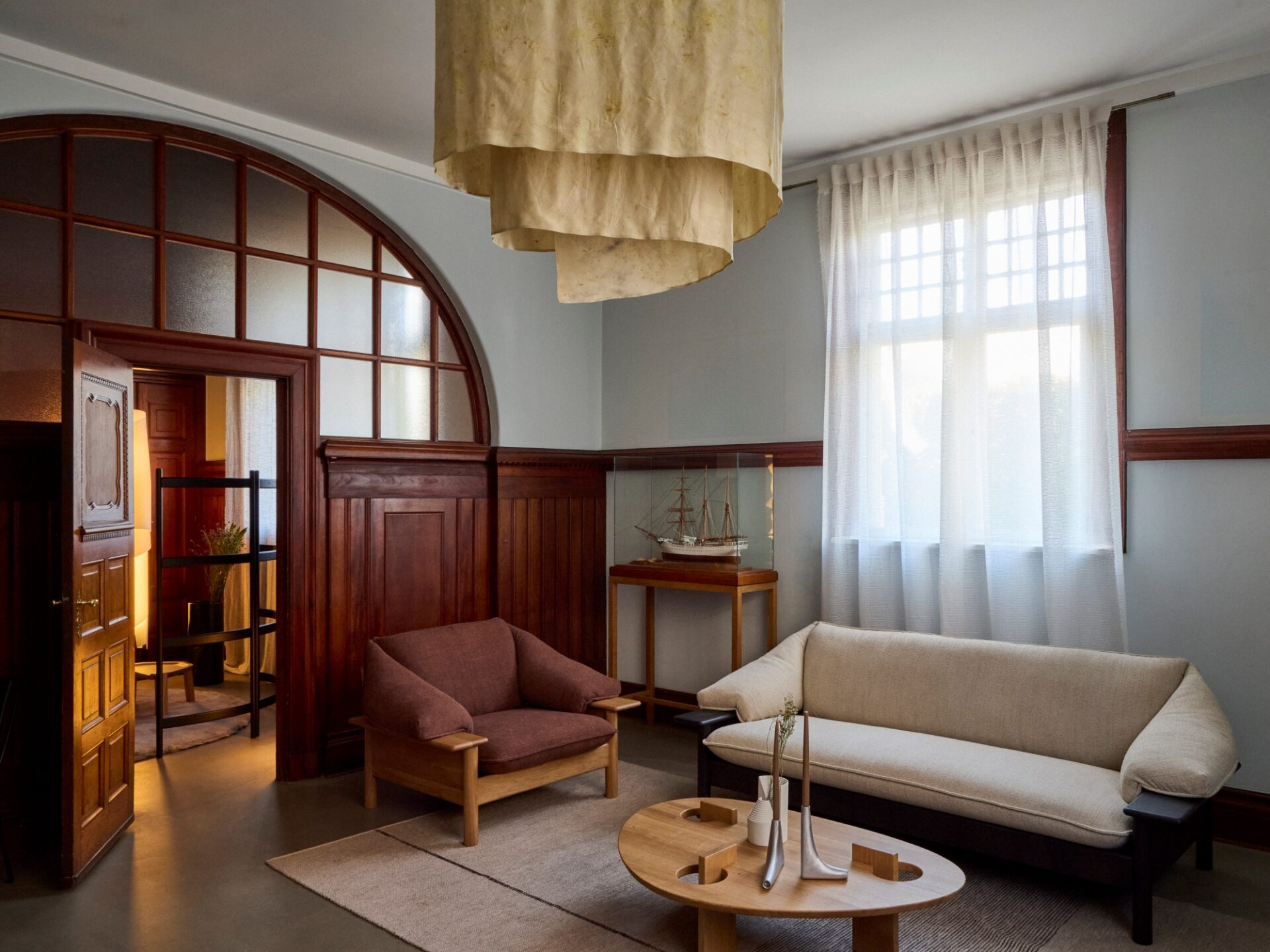
Mangas sofa. photography credit: Jonathan Hokklo
Origin Made presented its most ambitious collection to date at this year’s 3DD, and among the new pieces, the Mangas Sofa is the one that anchors it most decisively, the brand’s first foray into upholstered seating, designed by Uruguayan-Italian designer Matteo Fogale and handcrafted in Portugal by António Ferreira.
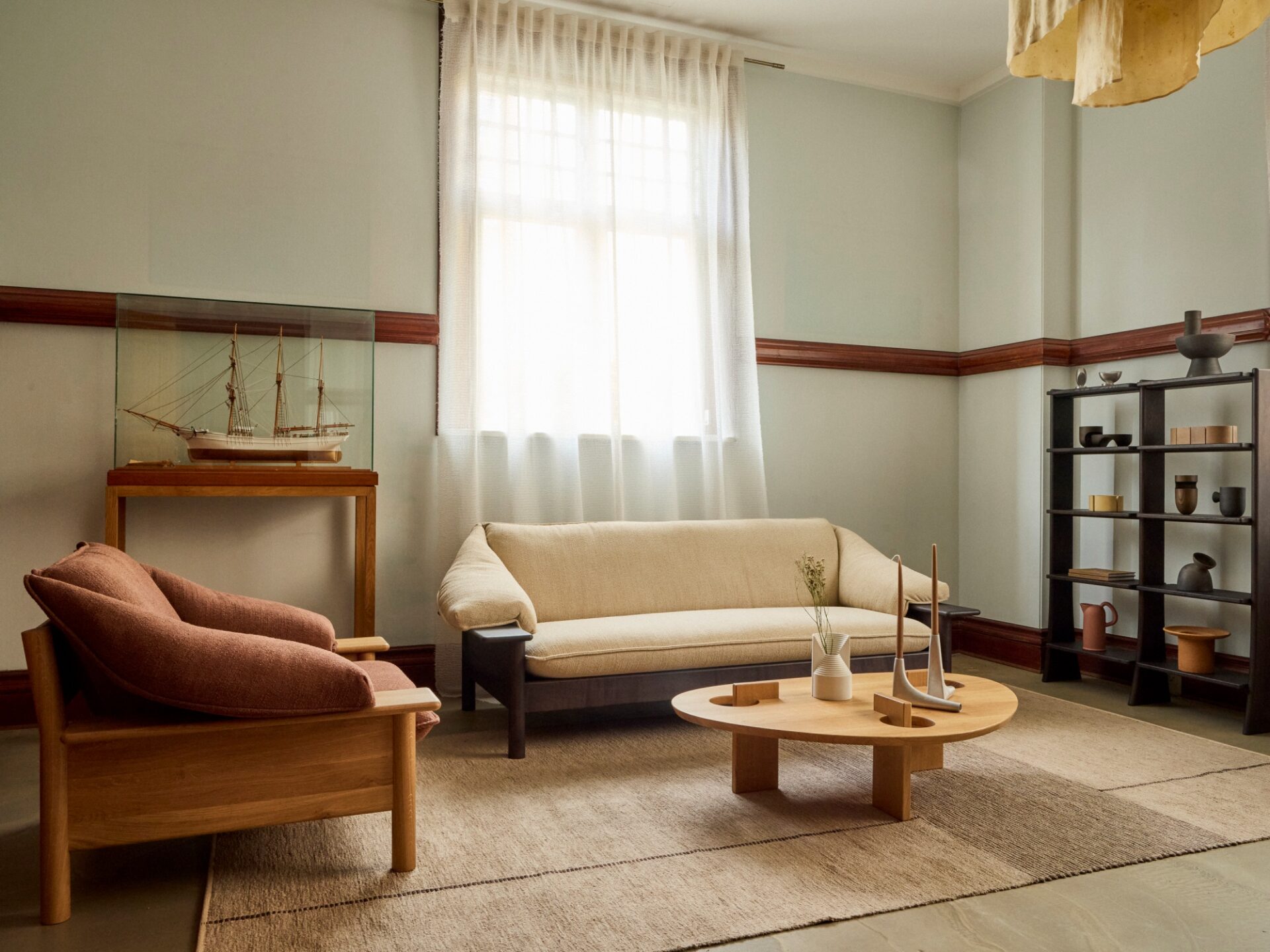
Mangas Sofa. photography credit: Jonathan Hokklo
The name comes from the Portuguese word for sleeves, and it is the armrests that define it: broad, softly curved, upholstered to the same depth as the seat, wide enough to lean into or rest your head on. At the tip of each arm, a small flat surface of exposed solid wood remains uncovered, a quiet material honesty. The solid wood frame beneath is simply structured, an honest counterpoint to the warmth above.
What makes Origin Made worth watching is the model behind the piece: born from a fascination with the craft traditions of northern Portugal, the brand has built since 2019 an identity that connects designers, makers, and users through objects with a clear origin.
Jacana by Bundle Studio
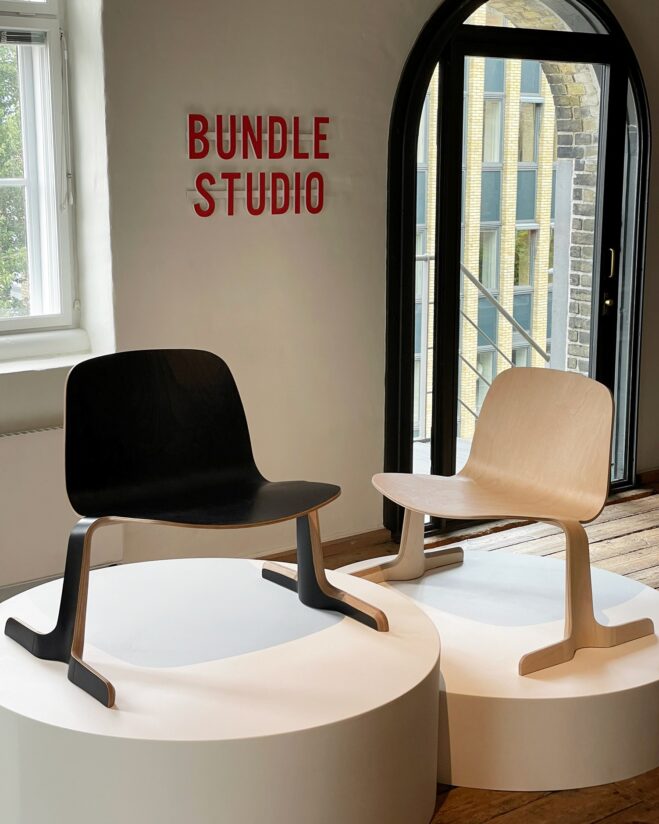
Jacana by Bundle Studio
Copenhagen-based Bundle Studio, founded by Jón Hinrik Höskuldsson and Kirstine Nørgaard Sejersen, has built its practice around a single conviction: that designers have a responsibility to redefine how materials are used.
This year, they presented Jacana, a lounge chair developed in collaboration with Stora Enso using NeoLigno®, a bio-based, formaldehyde-free wood adhesive derived from lignin.
What makes the project worth paying attention to is the approach. Rather than treating NeoLigno® simply as a sustainable substitute for conventional glue, Bundle Studio asked a more interesting question: what can the specific properties of this material tell us about form, construction, and detail? The chair is the result of that investigation alongside the prototypes. The studio exhibited material samples, bent laminations, and development studies that made the research process itself part of the project.
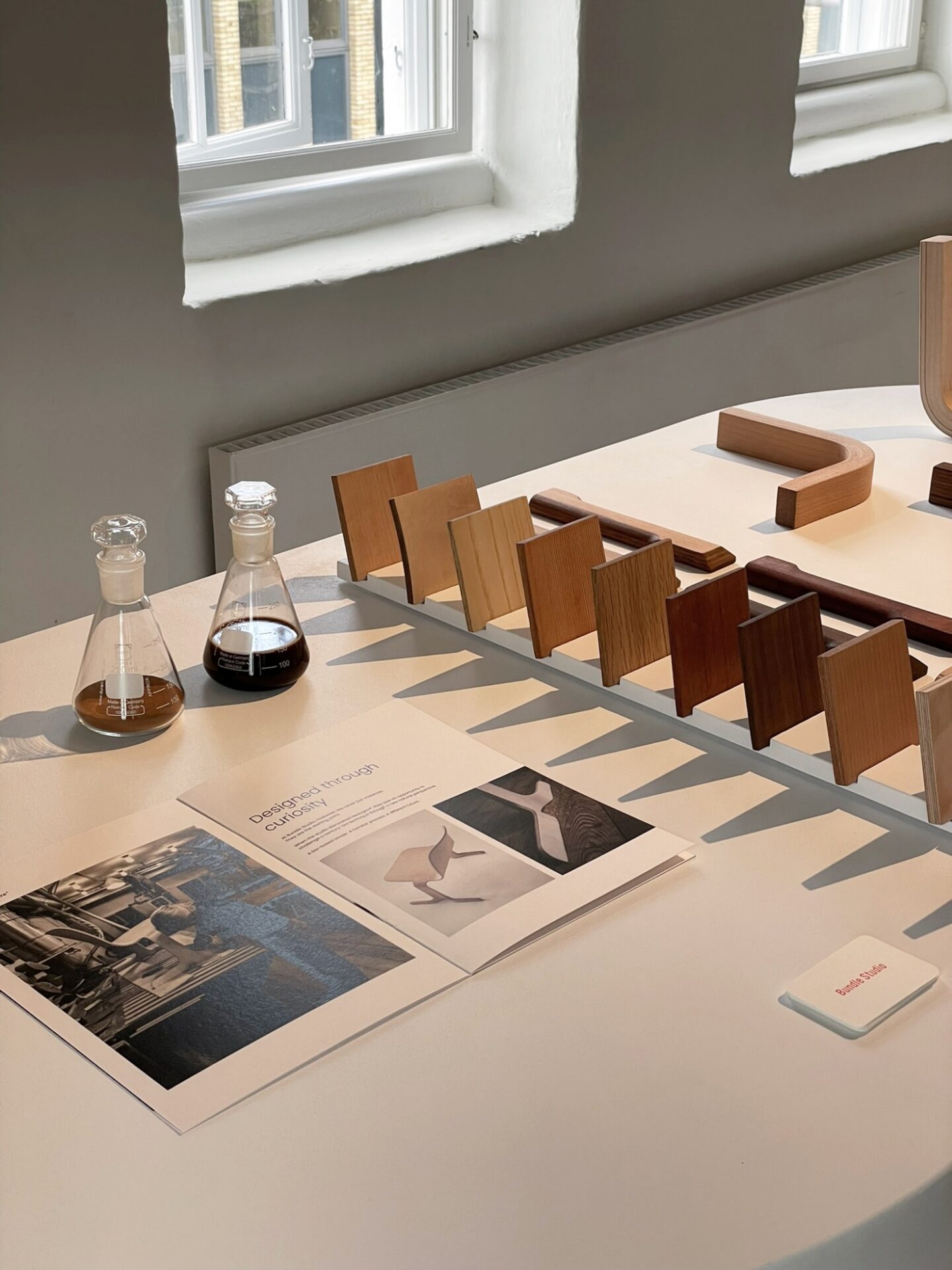
Bundle Studio
In a design landscape where sustainability is often a label applied after the fact, Jacana is something rarer: a piece where the bio-material doesn’t just replace an ingredient, it shapes the object.
Holding Space collection by Studio Pallavi
Holding Space collection. photography credit @Fritz Buziek
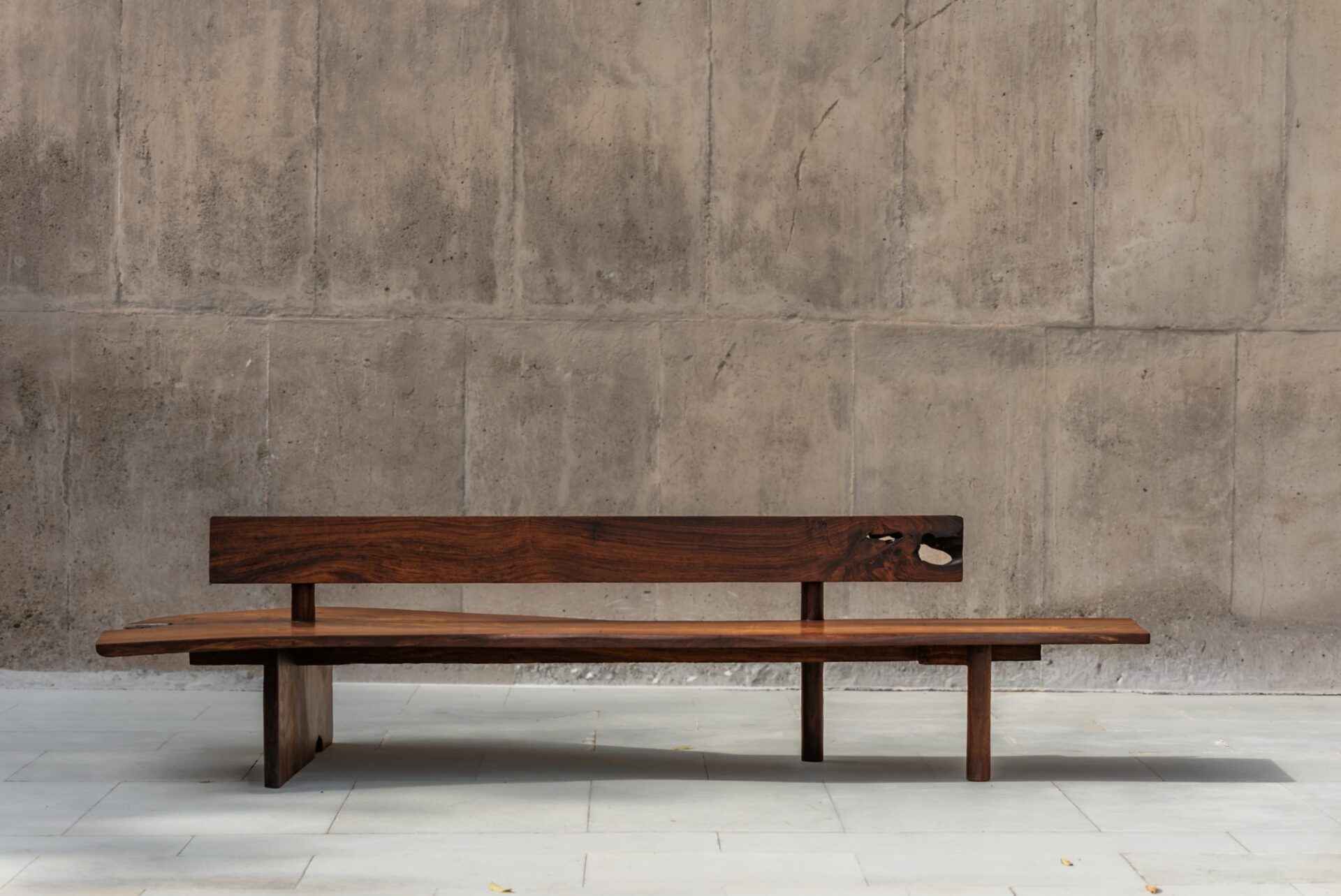
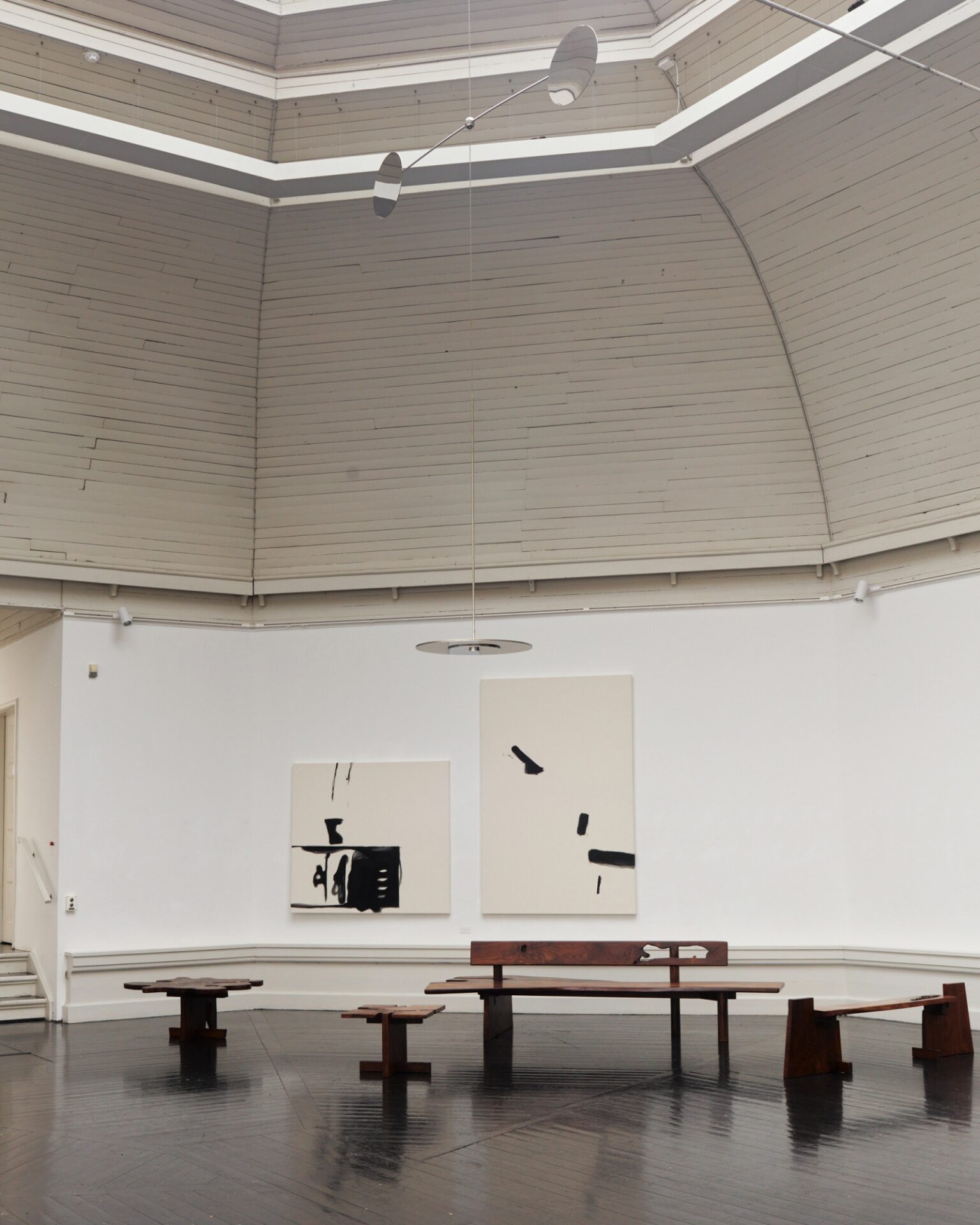
Punjab-based Studio Pallavi, founded by designers Srishti and Pamaljeet, presented four pieces from their collection Holding Space at DESIGN/DIALOGUE, bringing to Copenhagen a sensibility that felt quietly out of place, in the best possible way.
Made from aged and naturally seasoned Sheesham (Indian Rosewood), sourced from villages across Punjab and worked using traditional joinery, the pieces don’t conceal the material’s history.
Holding Space collection. photography credit @Fritz Buziek
Grain, markings, and variations earned over time are treated as essential, not incidental. The collection draws on floor-based living, central to Indian domestic culture, and resists fixed definitions of use. A surface becomes a place to gather; a structural element becomes a point of repose. The invitation is not to sit correctly, but to be present.
In a festival built around the idea that design must have a purpose, Studio Pallavi arrived with furniture that already knew why it existed.
Cosmic Collection by Tina Freys Design
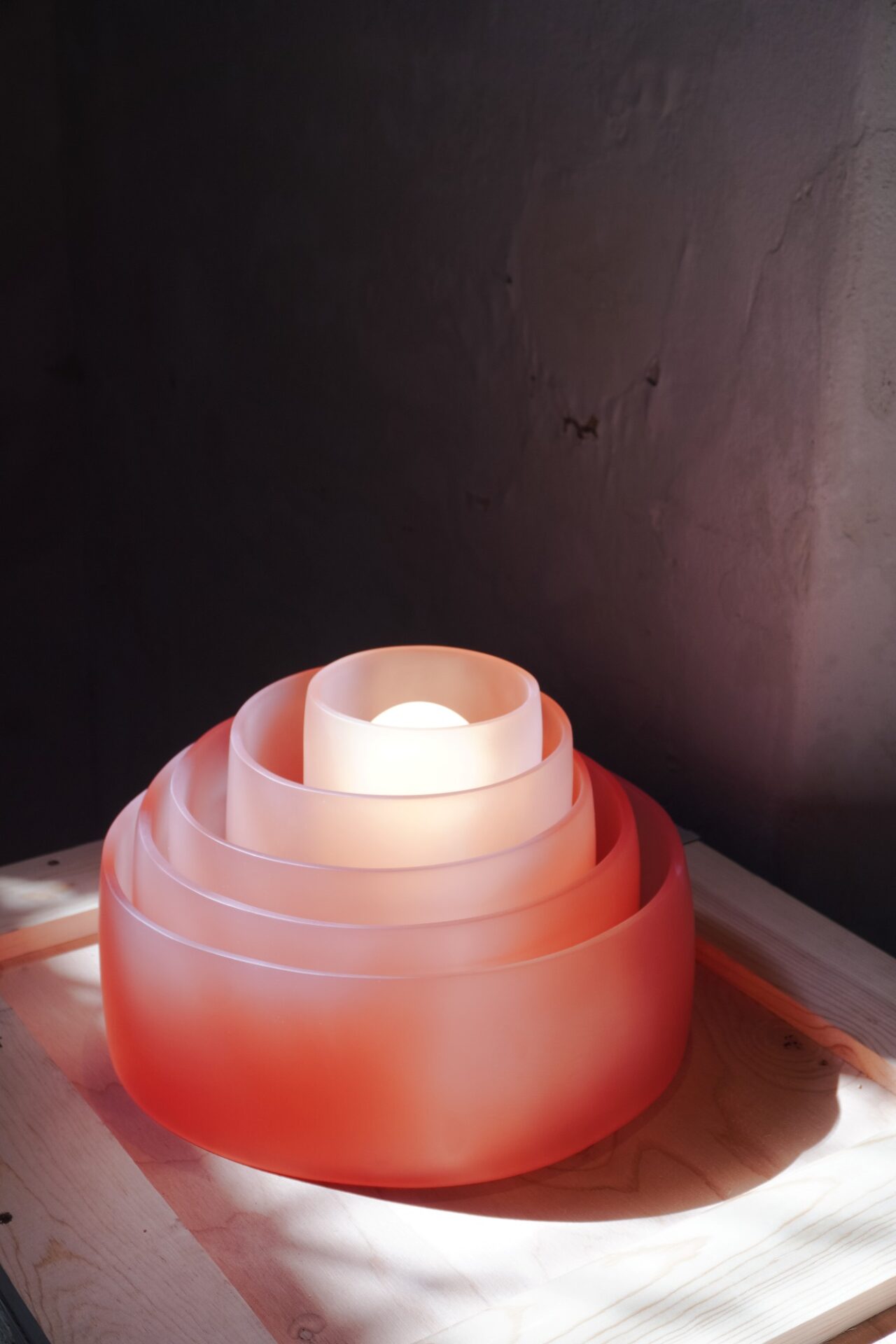 California-based Tina Frey Designs launched the Cosmic Collection at 3 Days of Design, presented across two locations, at Nikolaj Church and Echoes of Space.
The collection is built around a single geometric obsession: concentric circles, radiating outward from a central point like rings on water, or, as Frey sees it, like the perfect geometry of the cosmos.
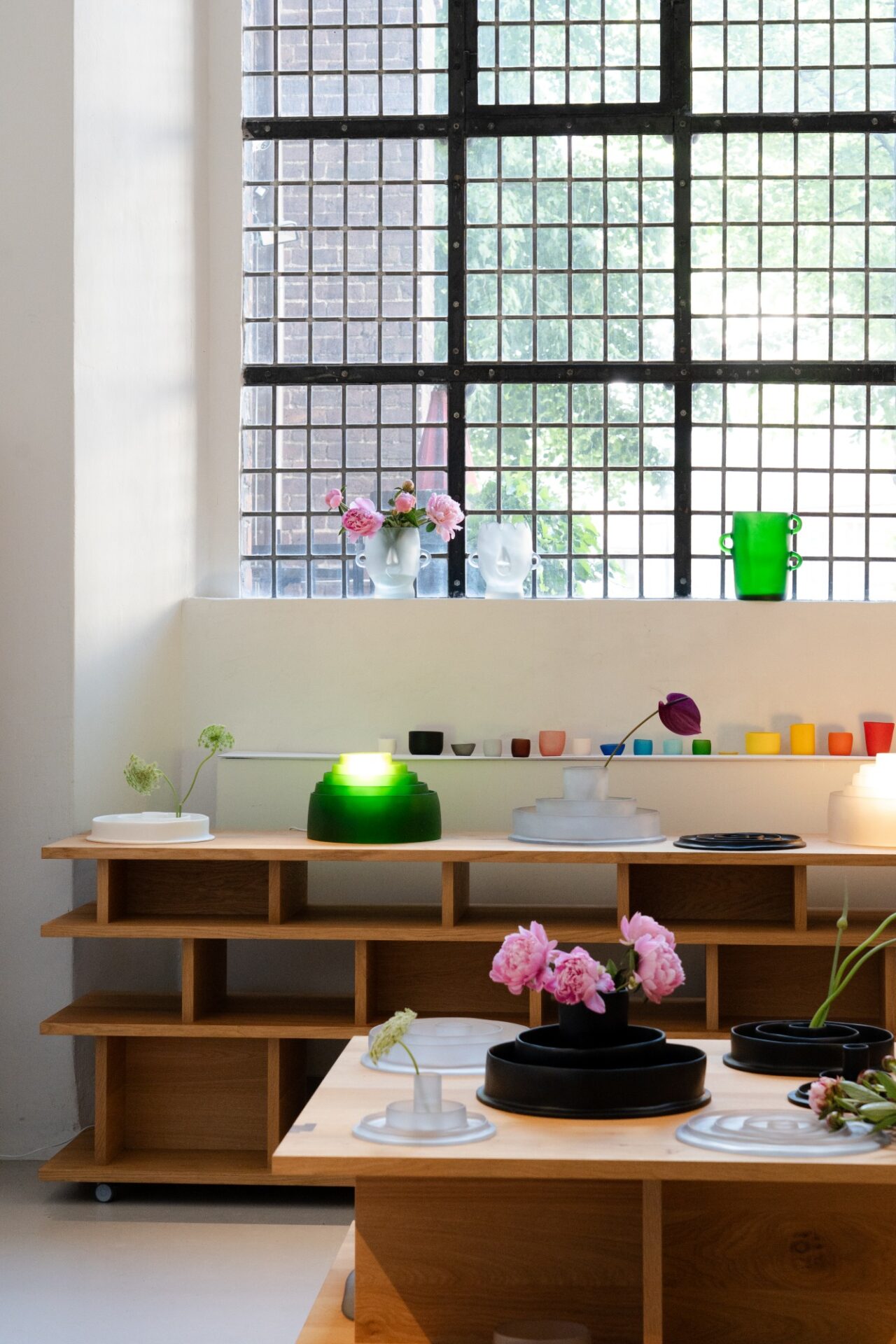 Five new pieces in handcrafted resin translate that motif into vessels and lighting, from the Cosmic Tray to the Cosmic Grand, a three-tiered sculptural centrepiece, up to the Cosmic Table Lamp, five concentric circles stacked in descending heights, available in fog, emerald green, pink, and a green-to-blue gradient.
What struck us most was the simplicity of each piece, elegant without effort, carried largely by the material itself. And the setting did the rest. Displayed inside Nikolaj Church, with light filtering through the high windows and falling across the resin surfaces, the collection felt almost sacred.
Enigmatic, even. It is one thing to design objects that hold attention. It is another to place them somewhere that holds the viewers’ breath.
Tina by Nicholas Baker x Fucina Frammenti
Tina by Nicholas Baker. photography credit @Michael Falgren
The Venice-based brand Fucina Frammenti returned to 3 Days of Design for the second consecutive year with Appartamento, an exhibition space that presents all their new products while making the brand’s philosophy the real protagonist.
Rather than a conventional showroom, Appartamento is a narrative: a domestic setting where Fucina’s Noble Waste vision, the recovery and valorisation of production offcuts, becomes the lens through which every object is read.
Tina by Nicholas Baker. photography credit @Michael Falgren
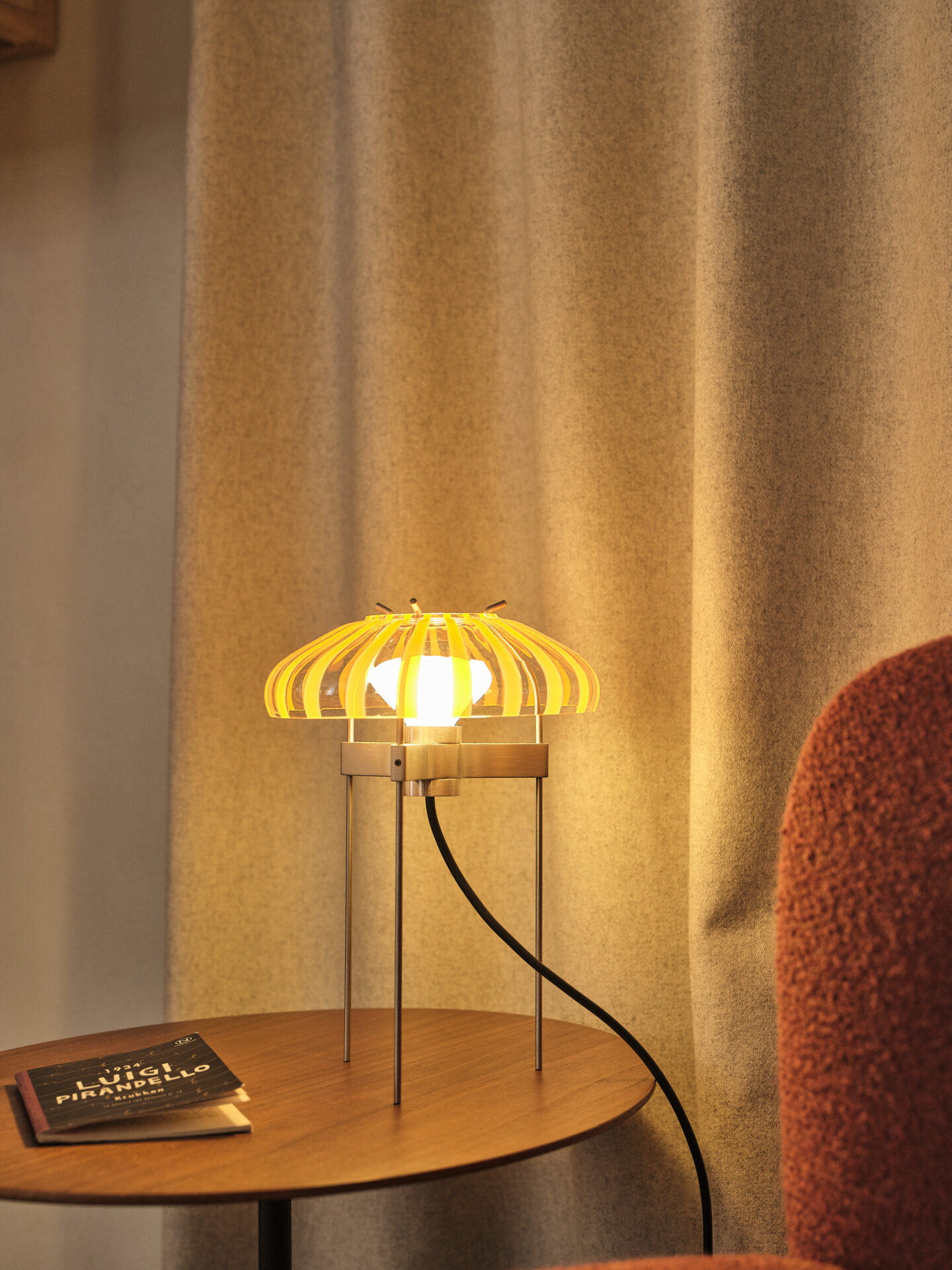
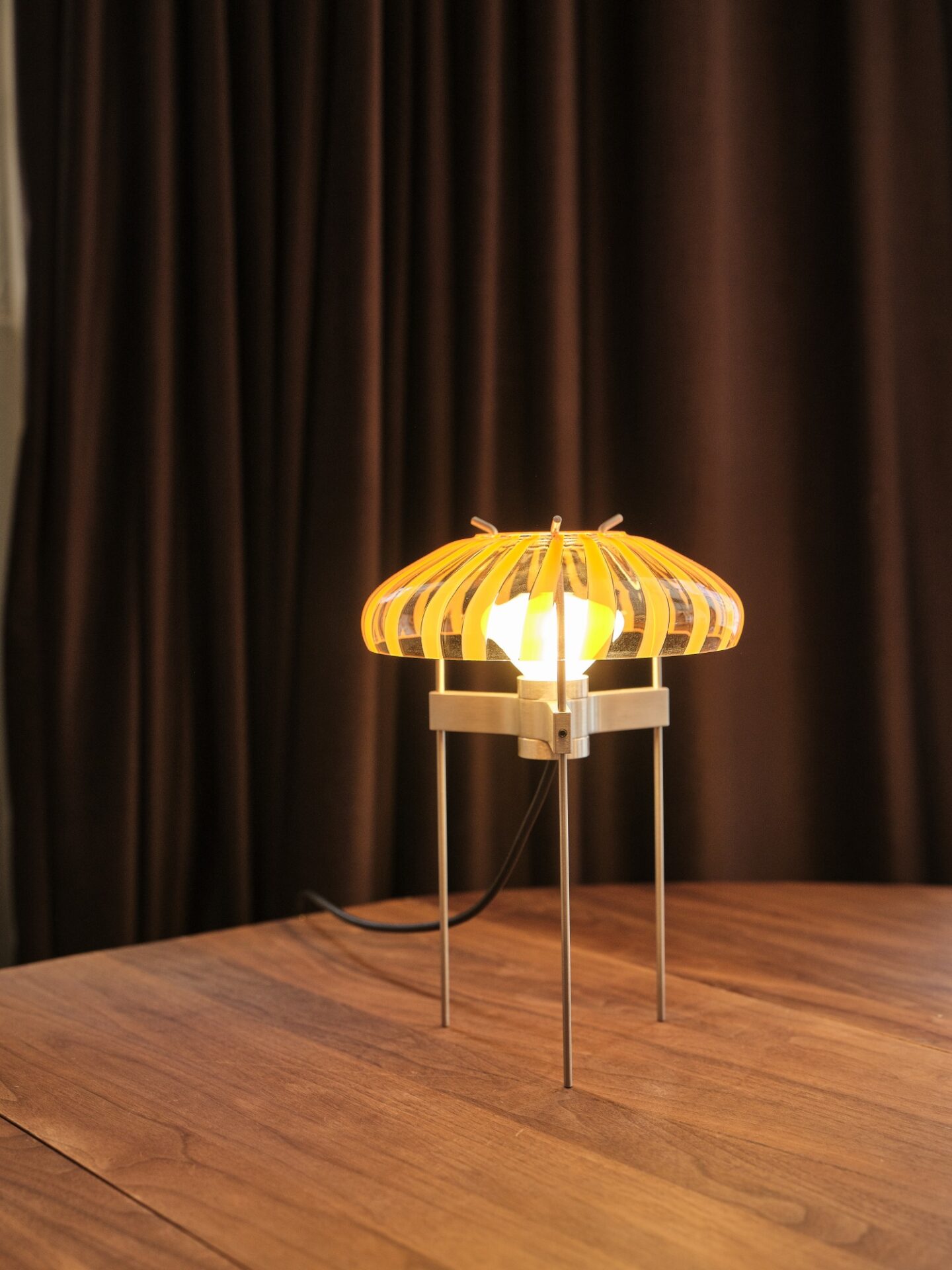
Among the new pieces, Tina, a lamp designed by Nicholas Baker, stood out for the clarity of its concept. A minimal structure exists solely to hold a blown-glass galotta, recovered from Murano glass waste. The glass is the piece. Its softly diffused light doesn’t illuminate a room so much as inhabit it, a warm, quiet presence that shapes the atmosphere without imposing on it.
Small, elegant, and unhurried, Tina is a reminder that the most considered sustainability is often invisible. You don’t see the waste recovery. You see a well-designed table lamp.
Silk Brick by Chen Min Office
Silk Brick by Chen Min Office
Also at DESIGN/DIALOGUE, the Chinese industrial designer Chen Min presented Effortless Rigor, a title that doubles as a design philosophy. Educated at Design Academy Eindhoven, his practice is built around a simple but demanding question: what happens when you let materials, craft, and culture shape the design, rather than the other way around?
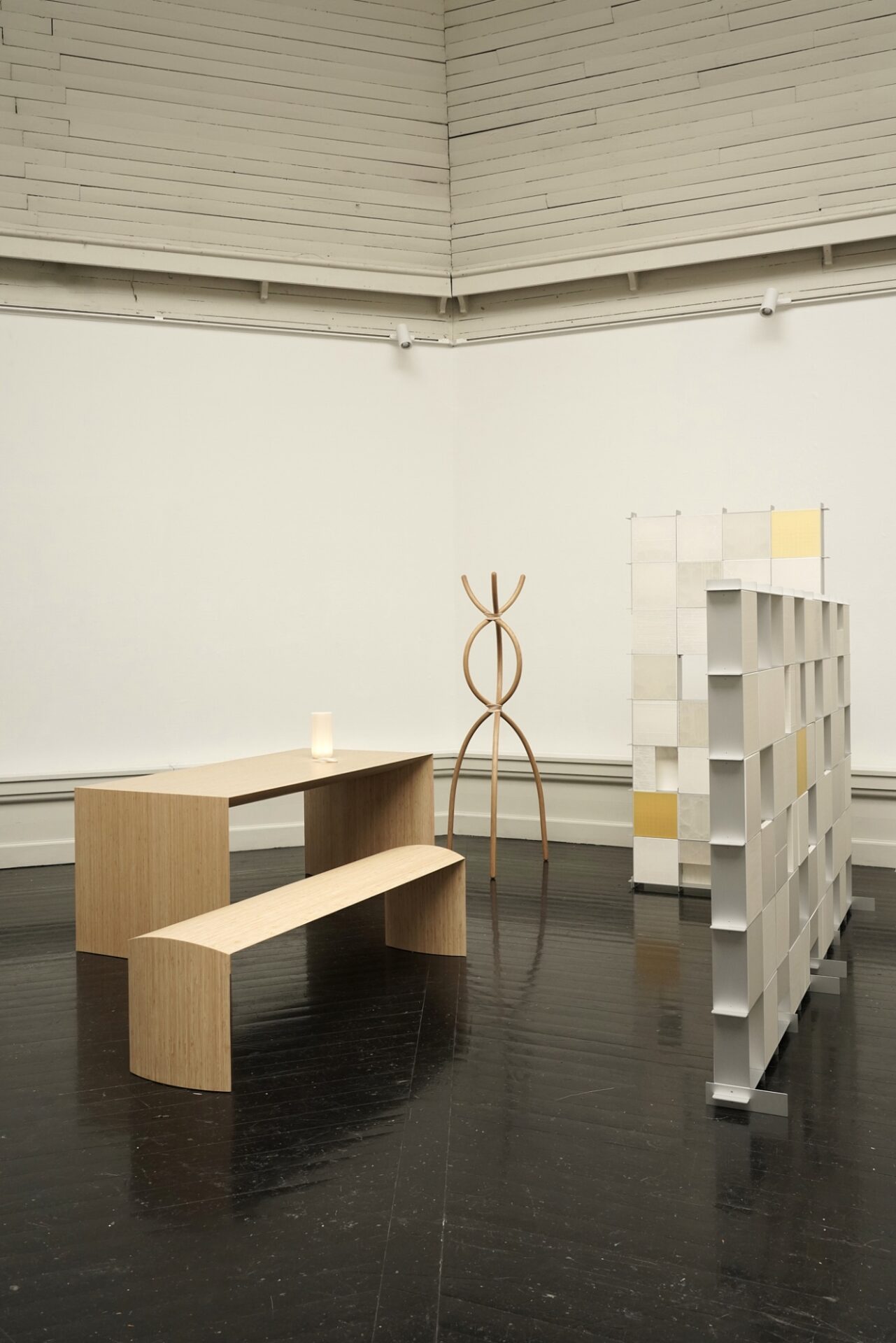
Silk Brick by Chen Min Office
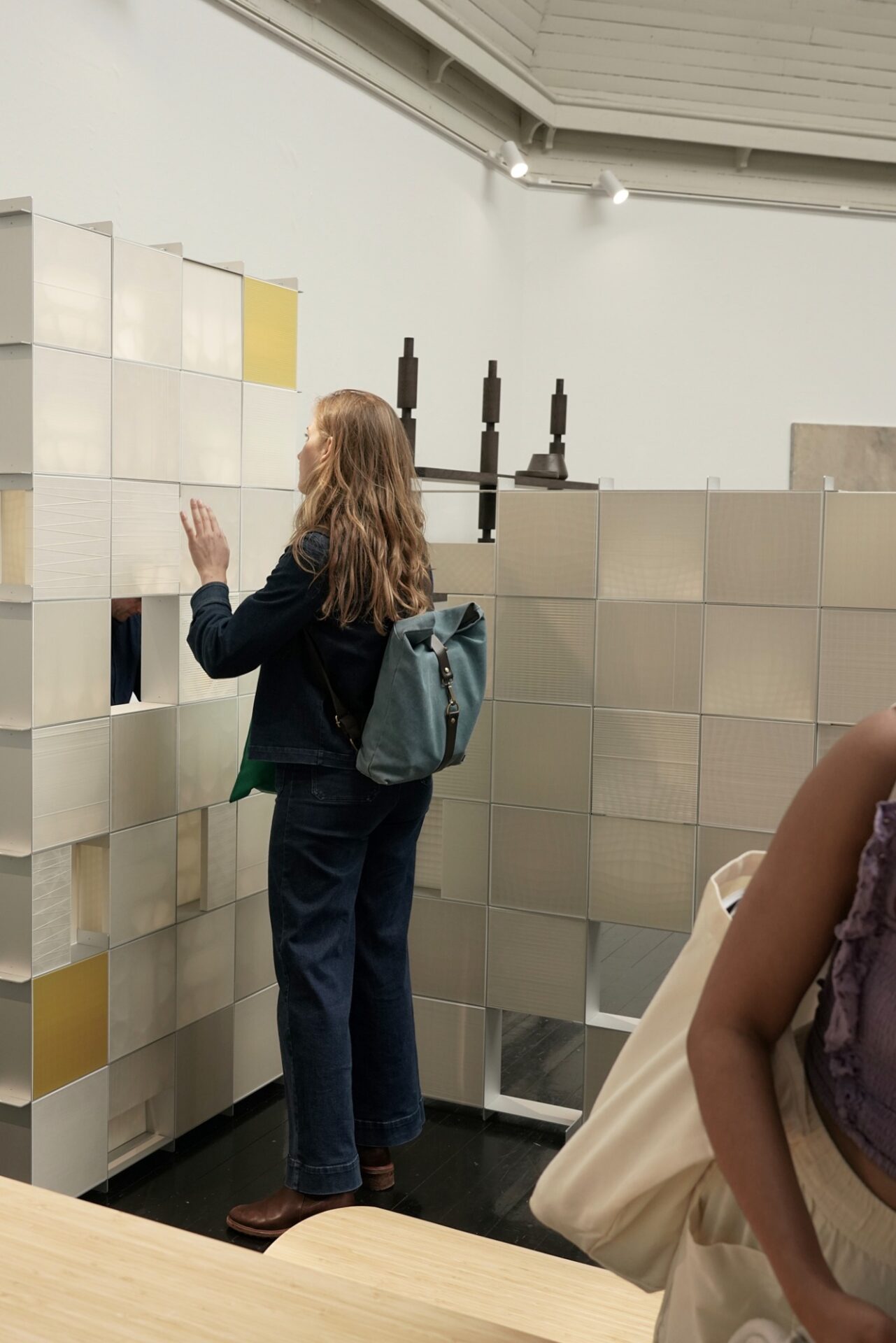
One of the answers, in Copenhagen, took the form of Silk Brick. Raw silk, one of China’s most ancient and enduring materials, is stretched into spatial thresholds, where the tension of the threads creates surfaces that shift from opaque to translucent depending on the density and direction of the fibres. Light passes through differently at every point, generating a quiet, ever-changing play of shadow across the space.
The designer showed us his vision of design rooted in cultural memory: taking inspiration from the past, translating ancient techniques and craft into contemporary spatial objects. His answer was to look inward, into material, into history, into the logic of a single thread stretched with intention.
Avant Lounge Chair by Studio Note x Resident
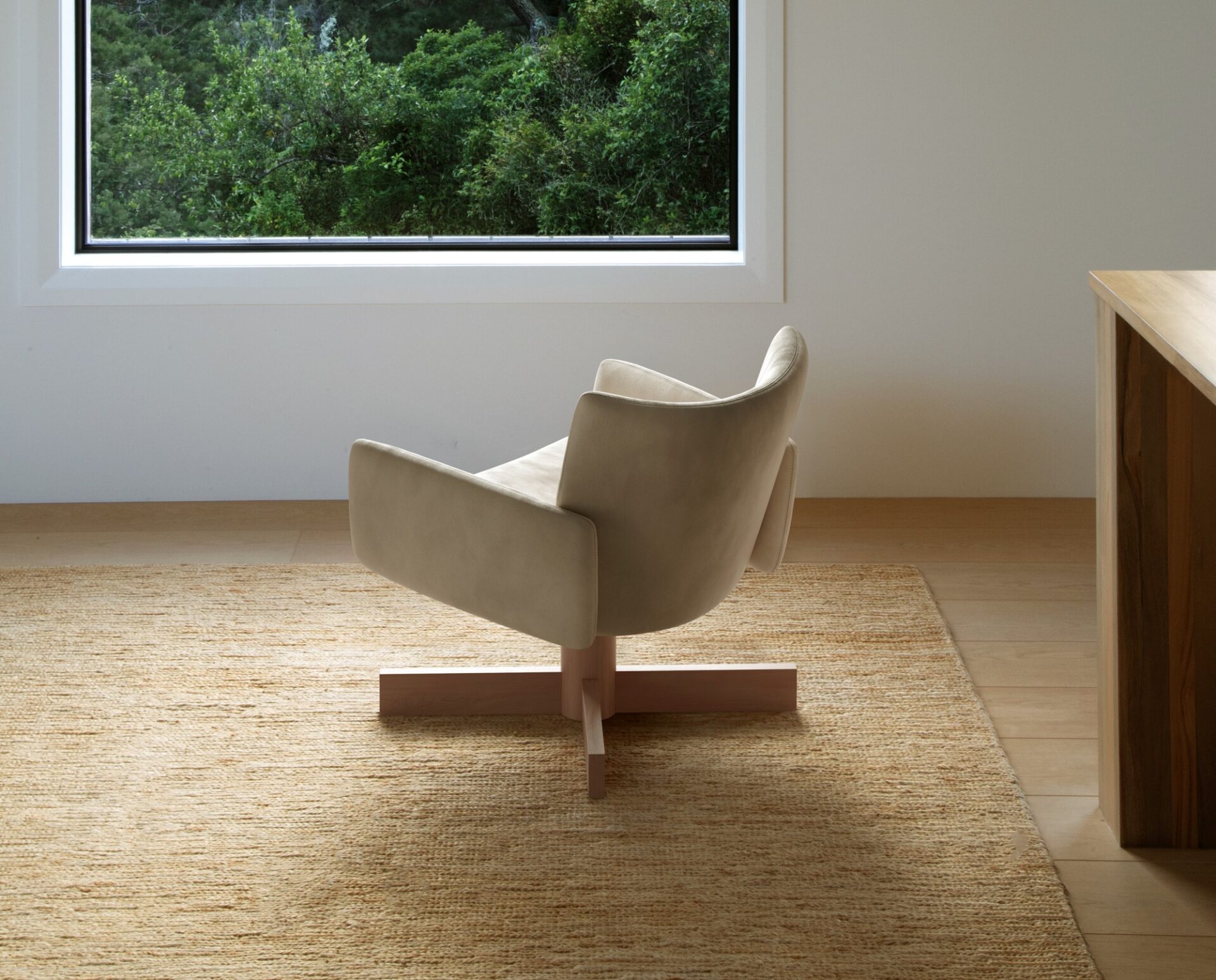
Avant Lounge Chair
3 Days of Design showcased not only brands from Europe. The festival reached further, and among the most compelling arrivals was New Zealand brand Resident, introducing the Avant Lounge Chair, the result of four years of collaboration with Stockholm-based Note Design Studio, a timeframe that, in an era of fast furniture, is itself a statement.
The chair is defined by its contradictions: oversized arms that deliberately dissolve the boundary between object and space, a swivel base large enough to cast a shadow and shift the chair’s visual weight depending on where you stand.
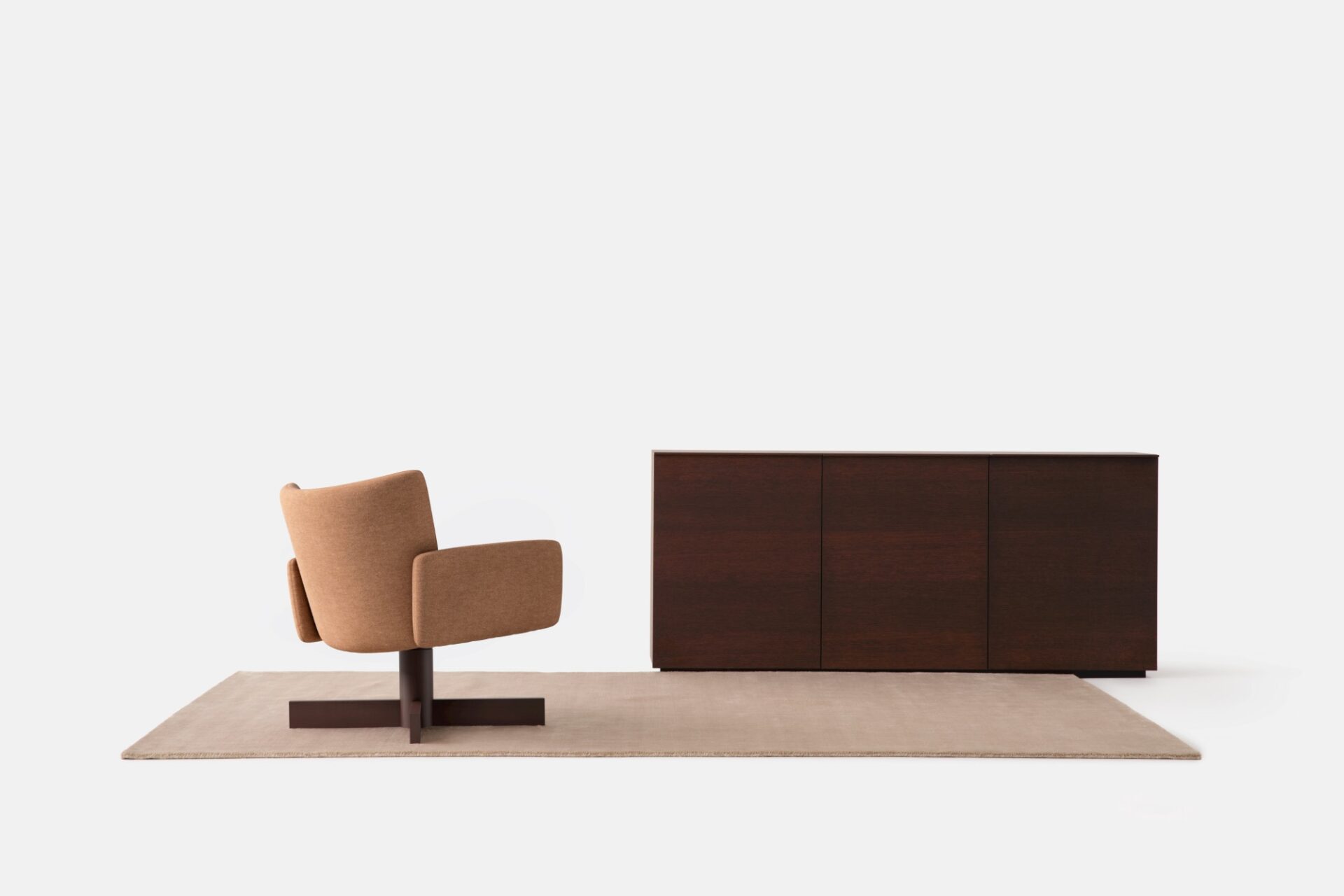
Avant Lounge Chair
The seat is deep and enveloping, soft geometry that looks exactly as it feels. Note Design Studio put it simply: some proportions are only right when they feel wrong. What Avant proposes is a different relationship with furniture, one built on patience, on the slow accumulation of decisions made through consensus rather than pressure. Sculptural enough to anchor a room, relaxed enough to actually use. A chair that could have lived at any time, but feels entirely of this moment.
Twill Armchair by Gibson Karlo x Design By Them
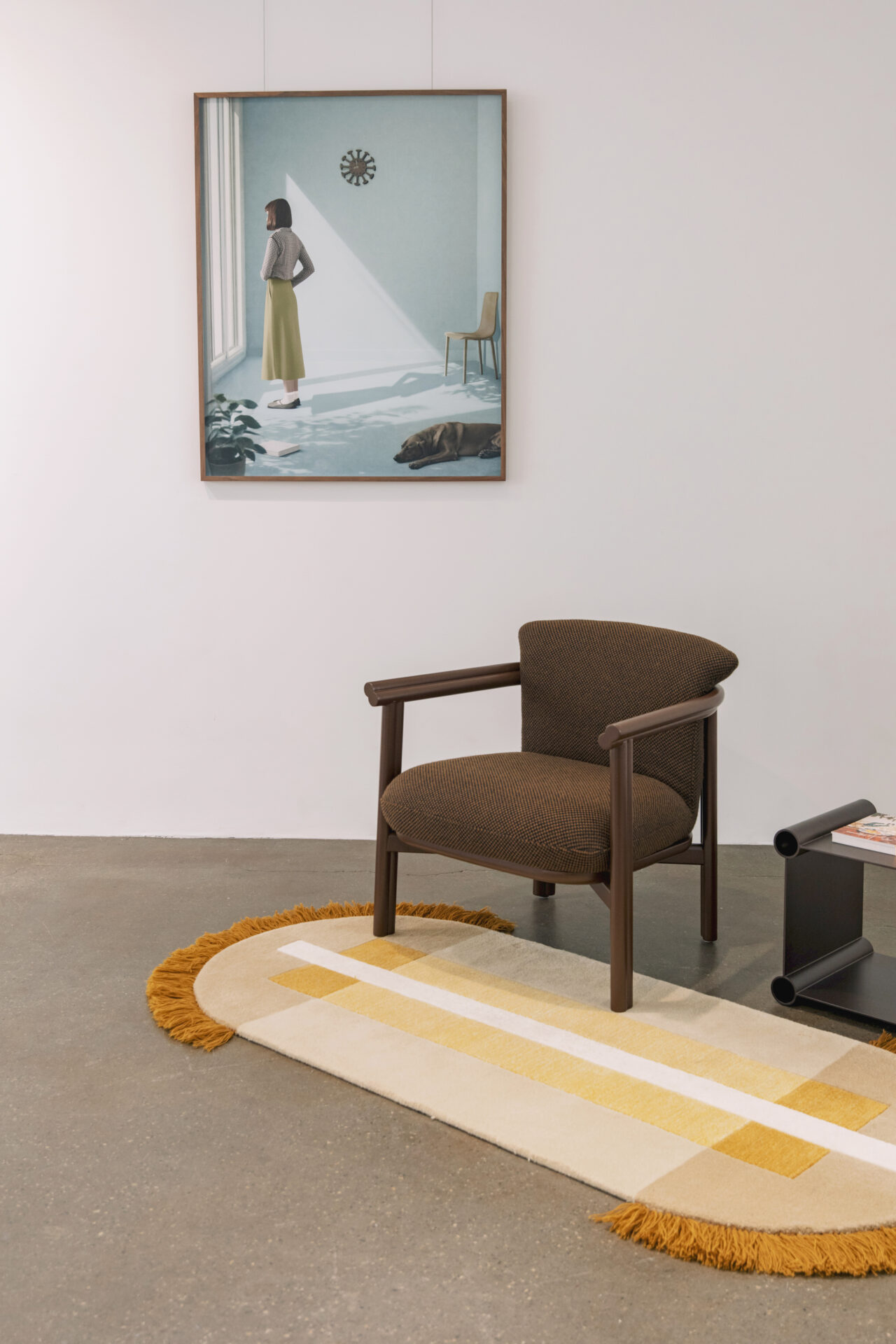
Twill Armchair by Gibson Karlo – photography credit: Tonya Matyu /@tonyamatyu
Design By Them, the Australian brand celebrating over 18 years of practice, brought new collections by five designers to Copenhagen for this year’s edition. Among the new releases presented at their Dronningens Tværgade exhibition, the Twill Armchair by Gibson Karlo, the duo behind the brand itself, stood out for the precision of its thinking.
The name comes from the textile weave that inspired it: a double-profile structure in the legs and backrest, where repetition becomes both ornament and function. The tubular frame, powder-coated in a deep oxide red, holds generously rounded upholstered cushions that seem almost to float within it, industrial and soft, in deliberate tension.
Repetition as ornament and functionality is the key feature of this piece, reminding us that sometimes the most considered thinking leads to the simplest and most lasting results.
Palapeli Shelf by Harri Koskinen x Durat
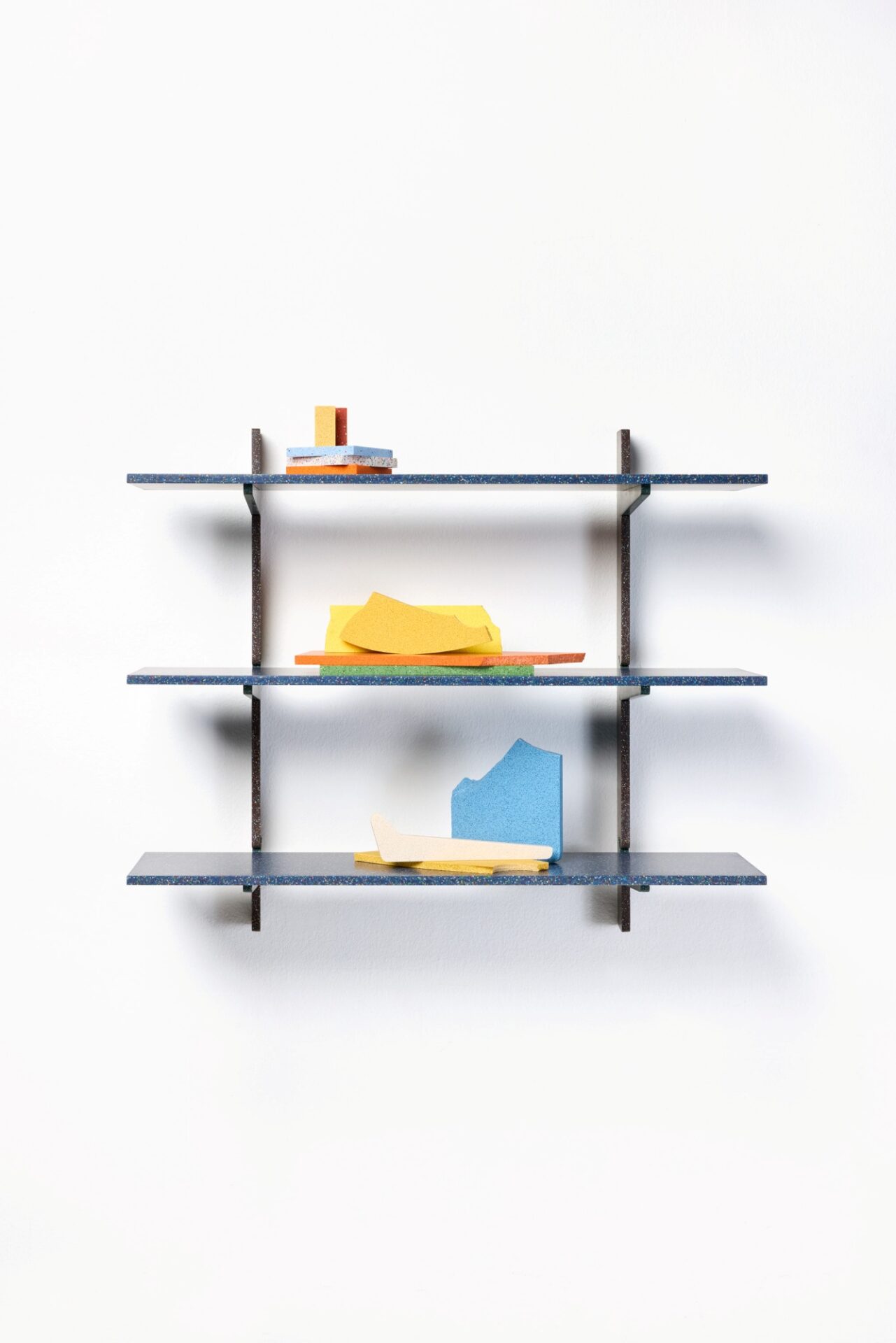
Palapeli Shelf by Harri Koskinen x Durat
A pleasant surprise to discover was Durat, a Finnish pioneering brand that has been reusing plastic materials for over 30 years, long before sustainability became a design industry keyword, or greenwashing. Their material, a composite solid surface made from post-industrial plastic waste, is 100% recyclable and built around a closed material cycle: repurchased, upcycled, and recovered again.
This year, Durat launched the Palapeli Shelf, designed by Finnish designer Harri Koskinen, within The Playroom, a collaborative exhibition with Finarte and Johanna Gullichsen. The shelf is entirely made from Durat material: the speckled blue shelves and the dark granulated uprights both come from the same recycled plastic composite.
The Finnish brand is clearly an example of what the design industry is supposed to look like. And they have been doing it for 30 long years, innovating, experimenting with new solutions, and quietly elevating the perception of what recycled plastic can be.
Hang On by Fengfan Yang Design x +Halle
Photography by Rasmus Dengsø
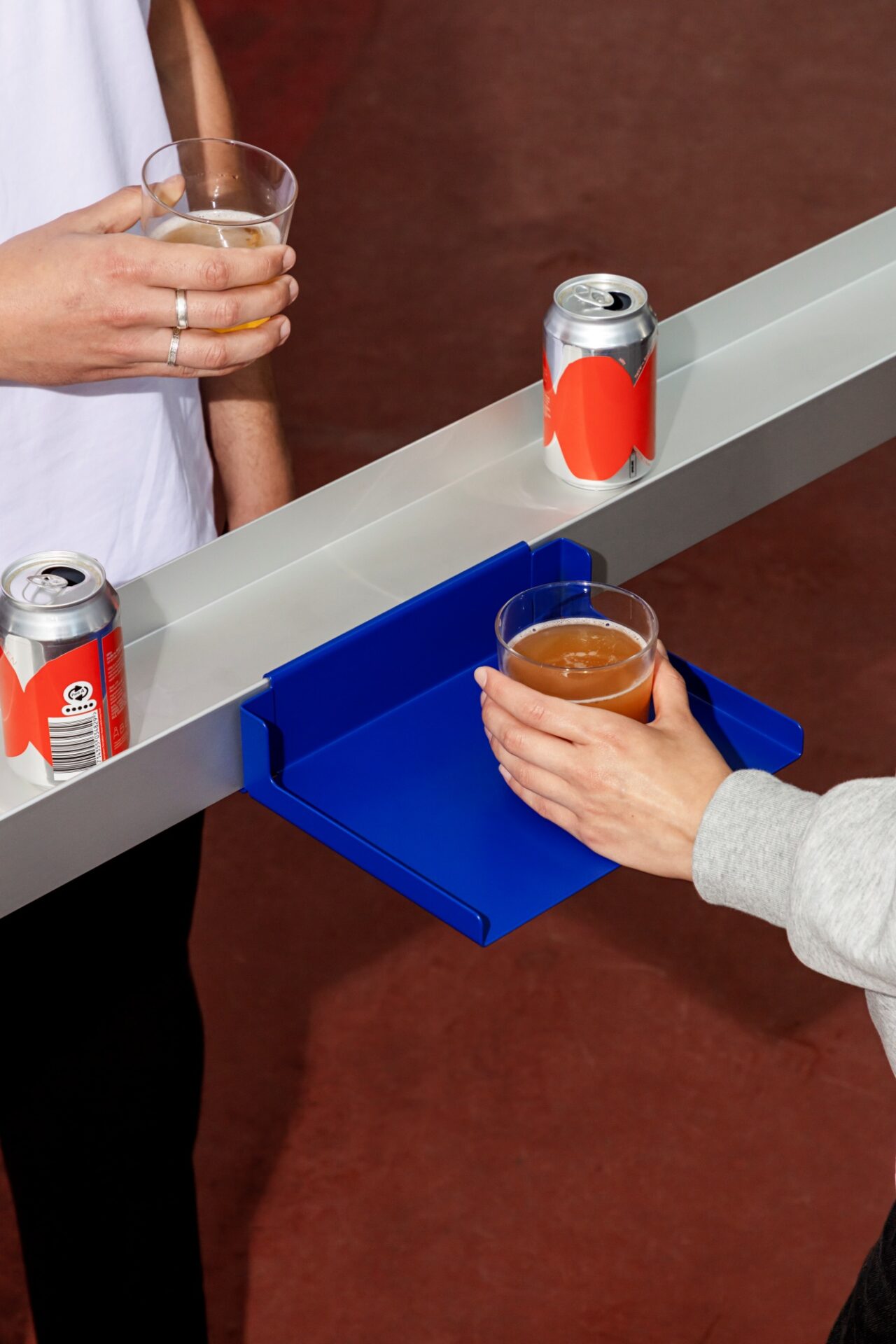
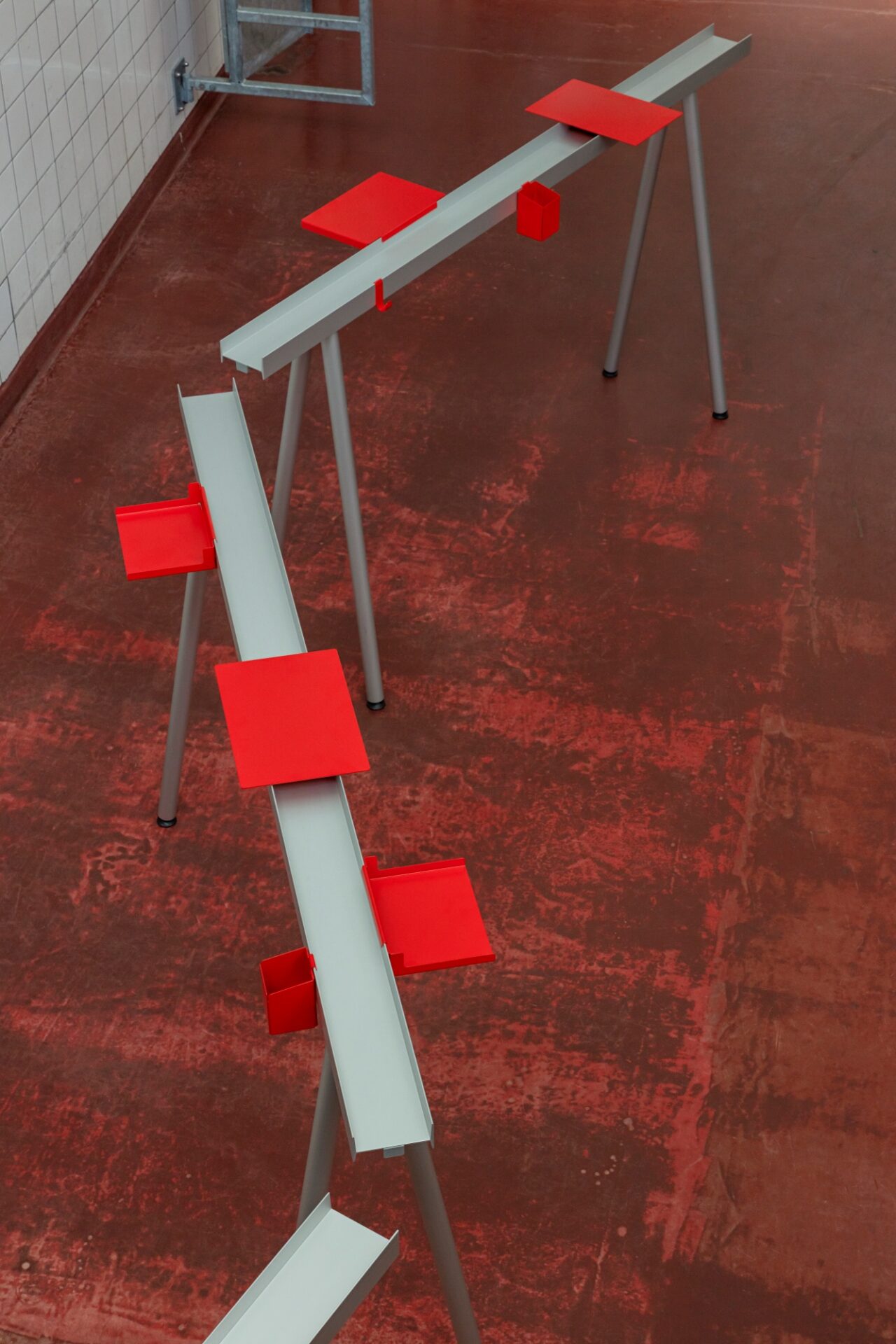
Closing our selection from 3daysofdesign is a project that reframes one of the most fundamental objects in design: the table. Germany-based Fengfan Yang Design presented HANG ON, a modular table system built around a single extruded aluminium profile, slender, almost industrial in its honesty, yet refined enough to feel considered rather than utilitarian.
Photography by Rasmus Dengsø
The idea is elegant in its simplicity: a tall, pared-back frame to which a series of accessories can be hung as needed. A surface for eating, a rail for drinks, a support for different contexts. No fixed configuration, no wasted footprint. In spaces like restaurants, airports, or markets where every square metre counts, the unconventional table proposes a different logic: bring what you need, hang it, remove it.
What pops up as soon as you see the piece is the restraint of the form. Fengfan Yang took a language that belongs to infrastructure and gave it purpose and elegance, offering a fresh alternative to how we think about shared surfaces
More than Just 3daysofdesign
 3daysofdesign has become an event you simply cannot afford to miss. What we found this year were brands and designers, many of them new to our radar, that we will undoubtedly see again at other fairs and in other cities. The festival has long outgrown its name, but the spirit behind it remains intact. And that is worth coming back for, every year.